
A high pressure air pump is engineered to force air into highly resistant, enclosed spaces, making it the perfect tool for narrow bicycle tires, high-performance sports balls, and rigid drop-stitch water sports equipment. However, because these pumps focus on generating high force (measured in PSI or bar) rather than moving massive quantities of air quickly, they are poorly suited for large-volume, low-pressure items like giant pool floats or air mattresses. Understanding what your specific pump can and cannot inflate prevents frustrating delays, protects your outdoor gear from damage, and ensures your equipment operates safely under correct pressure levels.
When selecting inflation gear for outdoor activities, many enthusiasts assume that a higher pressure rating automatically makes a pump superior for all tasks. In reality, inflation tasks are divided by a fundamental mechanical trade-off between pressure and volume. Choosing the wrong tool can lead to overheated pump motors, ruptured inflatable seams, or hours of wasted effort.
High Pressure vs. High Volume: Why One Pump Doesn't Fit All
To understand why a single pump rarely handles every inflatable item perfectly, it helps to look at the physics of air displacement. High pressure air pumps are designed to overcome significant backpressure. They utilize narrow pistons or high-resistance internal diaphragms to compress air into a tight space, such as a road bike tire pressurized to 100 PSI. Because the internal chambers of these pumps are small, they deliver a relatively low volume of air with each stroke or cycle. This design is highly efficient at pushing air against strong resistance but moves air slowly.
Products mentioned in this guide
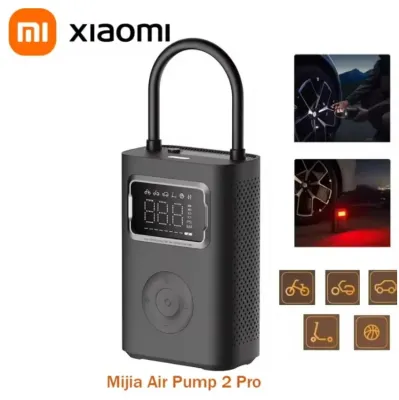
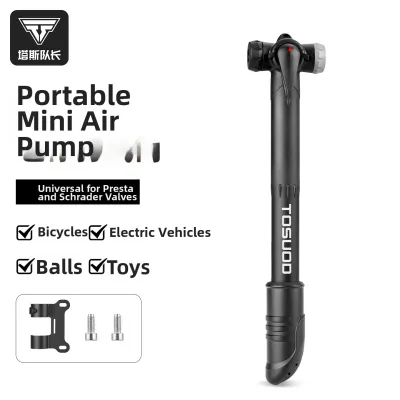
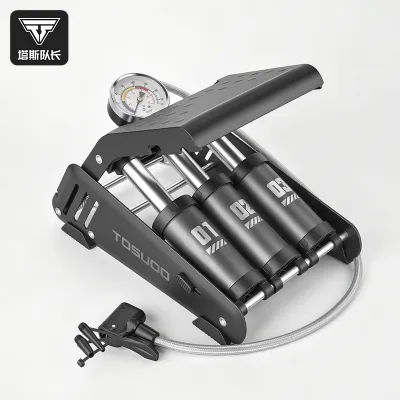
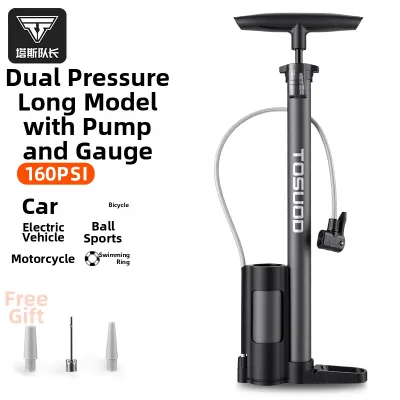
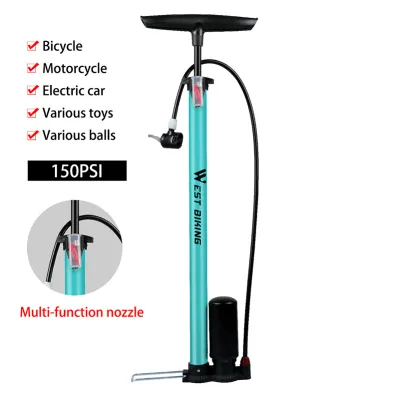
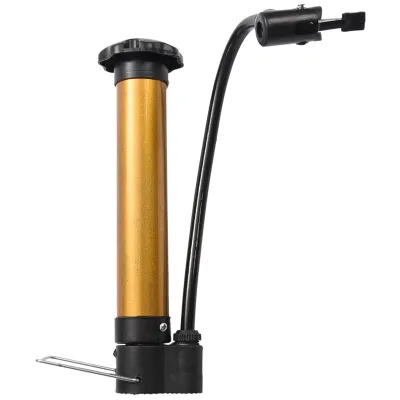
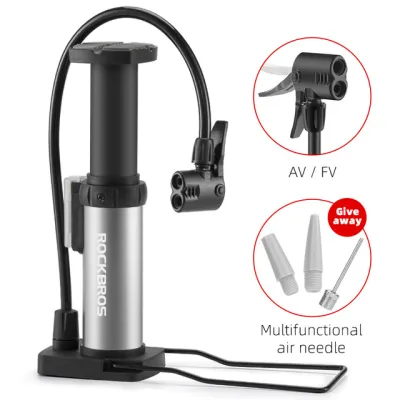
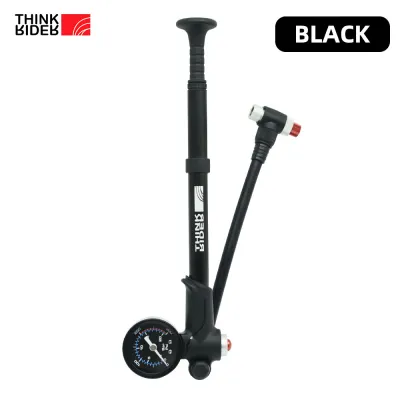
Prices are valid at publication and may change. Please refer to the product page for the latest price.
Conversely, high volume pumps operate on the opposite principle. These units use wide cylinders or low-resistance fans to move large quantities of air rapidly, but they lack the mechanical leverage to push air against any significant resistance. A typical high volume pump, such as those used for camping mattresses, might struggle to exceed 5 PSI. If you attempt to use a high volume pump on a road bicycle tire, the pump will stall or fail to push any air past the tire’s valve because it cannot overcome the existing pressure inside the tube.
The core trade-off is clear: a pump optimized for high pressure is generally not optimized for high volume. This means your high pressure pump is excellent for small, rigid items that require precise, high-force inflation, but highly inefficient for large, floppy items that simply need to be filled with bulk air. Attempting to cross these boundaries usually results in either an incredibly slow inflation process or catastrophic damage to the pump or the item being inflated.
For active individuals, the baseline rule is to match the pump’s primary design strength to the equipment’s specific inflation profile. Do not assume that a “high pressure” label on an electric or manual pump makes it a universal inflator. Instead, analyze the target pressure (PSI or bar) and the physical volume of the item before choosing your inflation method.
What a High Pressure Air Pump Can Successfully Inflate
High pressure air pumps excel where resistance is high and the total volume of air required is relatively low. In these scenarios, the pump’s mechanical advantage allows you to reach exact, high-pressure specifications safely and efficiently.

Narrow Tires (Road Bikes, E-Bikes, and Scooters)
Narrow tires, such as those found on road bicycles, electric bikes, and kick scooters, are classic examples of high-pressure, low-volume systems. Because these tires have a very small contact patch with the road, they rely on high internal pressure—often ranging from 80 to 110 PSI for road bikes—to prevent pinch flats, protect the wheel rims, and maintain rolling efficiency. A high pressure pump easily overcomes this resistance, allowing you to reach the target pressure with minimal physical effort or motor strain.
When preparing for a ride along Singapore’s extensive Park Connector Network (PCN), maintaining correct tire pressure is essential for both performance and safety. High pressure floor pumps or compact electric hand pumps are the standard choice for these narrow tires because they can precisely deliver the final few PSI of resistance. Always check the tire sidewall for the manufacturer’s recommended pressure range before you begin inflating, as riding on under-inflated or over-inflated tires increases the risk of punctures and reduces control.
Sports Balls and Small Bladders
Spherical sports equipment, including basketballs, footballs, netballs, and volleyballs, requires moderate to high pressure but contains a very small volume of air. Because the bladder inside these balls is designed to maintain a highly specific bounce and shape, precise inflation is critical. A high pressure pump equipped with an accurate pressure gauge is the ideal tool for this task, as it allows you to monitor the internal pressure incrementally.
To inflate sports balls safely, always use the correct inflation needle attachment and lubricate it slightly before inserting it into the valve. This prevents the needle from damaging or pushing the rubber valve core into the bladder. Because sports balls have such a low internal volume, a high pressure pump can reach the required pressure (typically between 8 and 13 PSI for basketballs) in just a few strokes or seconds. Avoid guessing the pressure by feel; over-inflating a sports ball can permanently warp its shape, split the outer stitching, or burst the internal bladder entirely.
Drop-Stitch Inflatables (e.g., Stand-Up Paddleboards)
Drop-stitch technology has transformed water sports by allowing inflatable stand-up paddleboards (SUPs) and high-performance kayaks to become incredibly rigid. To achieve this structural rigidity, these items must be pressurized to high levels, often between 12 and 18 PSI. This requires a high pressure pump capable of pushing air against the dense network of internal polyester threads that hold the top and bottom layers of the board together.
However, drop-stitch inflatables present a unique challenge: while they require high pressure to become rigid, they also possess a very large physical volume. Using a standard single-stage, high pressure manual pump to inflate an entire SUP from flat can be physically exhausting and take upwards of twenty minutes of continuous, rapid pumping. For these large drop-stitch items, a dual-action manual pump or a dual-stage electric pump is highly recommended. These specialized pumps operate in high volume mode to fill the bulk of the board quickly, then switch to high pressure mode to complete the final, high-resistance inflation stage.
Before heading out onto the water at Sentosa or Pasir Ris, always verify your equipment’s integrity. Remember that inflatable equipment cannot replace proper open-water training, personal flotation devices, or sound maritime judgment. Always check local weather forecasts, wind directions, and tidal currents before launching your paddleboard.
What to Avoid: Large-Volume, Low-Pressure Equipment
It is highly tempting to use a high pressure pump for every inflatable item in your household, but attempting to fill large-volume, low-pressure equipment with a high pressure tool is highly inefficient and potentially hazardous. Items such as family-sized pool floats, large inflatable air mattresses, beach toys, and inflatable lounge chairs require a massive volume of air to take shape, but they operate at extremely low pressures—often less than 1 PSI.
The mechanical limitation of using a high pressure pump on a large pool float lies in the low flow rate of the pump. Because high pressure pumps deliver air in small, highly compressed increments, attempting to fill a large air mattress can take an impractically long time, sometimes exceeding thirty to forty minutes of continuous operation. For manual pumps, this results in extreme physical fatigue. For electric high pressure pumps, the consequences are even more severe.
Running a high pressure electric pump continuously for a long duration to fill a large-volume item can cause the pump’s motor to overheat rapidly, especially in Singapore’s warm, humid tropical climate. Most portable high pressure electric pumps are designed with short duty cycles—often limited to 10 or 15 minutes of continuous use—before they require a cool-down period. Exceeding this duty cycle can trigger thermal shutoffs, melt internal plastic components, or permanently burn out the motor. Furthermore, because these pumps can generate massive pressure, there is a risk of accidentally over-pressurizing and bursting the delicate seams of a low-pressure vinyl pool float if the pump is left unattended.
To avoid these issues, always use the correct tool for large-volume, low-pressure items. High volume electric inflators, manual bellows foot pumps, or specialized low-pressure mattress pumps are designed specifically to move large quantities of air quickly without building up high pressure. These tools can inflate a large air bed or pool toy in a fraction of the time while keeping your high pressure equipment safe from thermal damage.
How to Check Valve Compatibility and Pressure Limits
Operating high pressure inflation equipment safely requires careful attention to physical connections and manufacturer specifications. Before attempting to inflate any piece of sports or outdoor gear, you must identify the valve type used by the equipment. The two most common valve designs found on high-pressure gear are Schrader valves and Presta valves.
- Schrader Valves: These are the wider, robust valves commonly found on car tires, mountain bikes, e-bikes, and most utility inflatables. They feature a spring-loaded internal pin that must be depressed to allow air to enter or escape.
- Presta Valves: These are narrower, threaded valves typically found on high-performance road bicycles and high-end gravel bikes. They require you to manually unscrew a small locking nut at the top of the valve stem before air can be pumped in.
Many high pressure pumps feature a dual-compatible “smart head” that automatically adjusts to fit both valve types, while others require you to thread on a specific brass or plastic adapter. If your pump does not natively support Presta valves, carrying a small Presta-to-Schrader adapter in your repair kit is essential for roadside adjustments.
Once the physical connection is secure, you must verify the maximum pressure limits of the item you are inflating. These limits are almost always printed directly on the equipment itself. For bicycle and scooter tires, look for the recommended PSI or bar range molded into the rubber sidewall. For sports balls, the recommended pressure is typically stamped near the inflation valve. For drop-stitch paddleboards, the maximum operating pressure is usually printed directly onto the valve plate or surrounding vinyl.
Always use a pump equipped with a reliable, calibrated pressure gauge—either a built-in analog dial, a digital readout, or an inline pressure gauge. Over-inflating high-pressure items can lead to sudden, explosive structural failures, which can cause serious physical injury and permanently void product warranties. When inflating high-pressure items, ensure the pump is turned off and any excess pressure in the hose is released safely before disconnecting the chuck from the valve. This simple step prevents sudden air blowback, which can damage the valve core or cause the hose to whip unexpectedly. Always consult the manufacturer’s care and operation instructions for both your pump and the inflatable item to ensure complete compatibility.
Frequently Asked Questions (FAQ)
Can I use a high pressure pump for my car tires?
While a high pressure bicycle floor pump or portable electric sports pump can physically connect to a car tire’s Schrader valve and reach the required pressure (typically 30 to 35 PSI), the sheer volume of air inside a car tire makes this highly impractical. A manual pump would require hundreds of exhausting strokes, while a small electric sports pump would likely overheat and shut down before completing the task. Using these pumps on car tires should be limited strictly to emergency top-ups of a few PSI, rather than inflating a flat tire from scratch.
Do I need different nozzles for Presta and Schrader valves?
Yes, Presta and Schrader valves have different diameters and locking mechanisms, meaning they cannot share the exact same pump nozzle without an adjustment. Many modern high pressure pumps come equipped with a dual-port head or a reversible internal chuck to accommodate both styles. If your pump only has a standard Schrader connection, you will need to screw a small, inexpensive Presta adapter onto your bicycle valve stem before you can connect the pump and begin inflating.
Community discussion
Share your experience or ask a question. Comments are reviewed before publication.