
When you are cycling along the Park Connector Network (PCN) or commuting to work, carrying a reliable tire pump is essential. The cycplus as2 has gained significant popularity as an ultra-compact, battery-powered alternative to traditional hand pumps and single-use CO2 cartridges. Its small form factor makes it incredibly easy to carry in a jersey pocket or saddlebag, but its compact size also means it has specific operational boundaries. Understanding what this pocket-sized device can and cannot inflate ensures you are never left stranded with a flat tire or a depleted battery.
Quick Answer: What the Cycplus AS2 Can and Cannot Inflate
The cycplus as2 is designed primarily as a portable, emergency inflation tool for cyclists and active commuters. It excels at inflating high-pressure, low-volume tires and handling routine pressure maintenance on smaller mobility devices.
Compatible Items:
Products mentioned in this guide
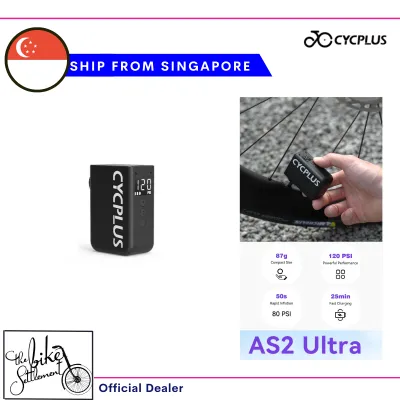
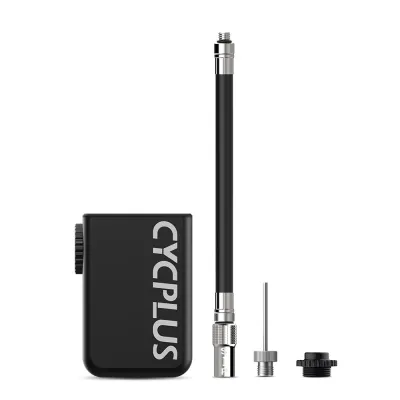
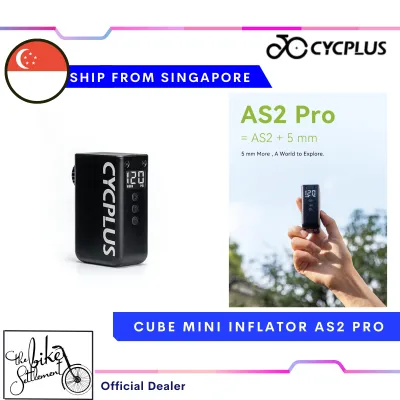
Prices are valid at publication and may change. Please refer to the product page for the latest price.
- Bicycle Tires: Highly effective for road, gravel, mountain, city, and folding bikes.
- E-Scooters and PMDs: Ideal for small-diameter commuter tires that require frequent pressure top-ups.
- Sports Balls: Easily inflates basketballs, footballs, soccer balls, and netballs using a standard needle adapter.
- Small Inflatables: Suitable for low-pressure items like inflatable camping pillows or small pool rings.
Incompatible or Restricted Items:
- Car and Truck Tires: Unsuitable for inflating completely flat automotive tires due to the massive volume of air required, which will deplete the battery and overheat the motor.
- High-Volume Inflatables: Not designed for large air mattresses, inflatable kayaks, or stand-up paddleboards (SUPs).
- Continuous Heavy-Duty Use: Cannot be used continuously without cooling breaks, as the micro-motor lacks active cooling systems.
Before starting any inflation task, verify the specific maximum PSI rating and battery capacity on your device’s label or instruction manual. Different product iterations within the manufacturer’s lineup have varying technical limits, and exceeding these parameters can damage the pump or the item you are inflating.
Cycling Applications: Road, Mountain, and E-Bikes
Matching your pump’s output to your tire’s specific volume and pressure requirements is crucial for a successful inflation process. Because the motor and battery are scaled down to fit into a pocket-sized chassis, the pump behaves differently depending on whether it is pushing high pressure into a narrow tire or filling a wide tire with a large volume of air.

Road and Gravel Bikes (High Pressure, Low Volume)
Road cyclists riding along long stretches like the Changi Coastal Road require high tire pressures to maintain low rolling resistance. Road tires typically operate between 80 and 110 PSI, but they contain a very small volume of air. This combination is where the compact pump performs at its best. Because the total air volume is low, the pump can reach these high pressures quickly without running the motor for an extended period.
When preparing to inflate a road tire, check the tire’s sidewall for the maximum recommended pressure. To achieve a successful fill, you must ensure a secure connection to the Presta valve. Road bikes almost exclusively use Presta valves, which require a tight, airtight seal to prevent high-pressure air from leaking out during operation. A loose connection will cause the pump to run longer than necessary, wasting battery power and potentially preventing the tire from reaching its target PSI.
Mountain Bikes and E-Bikes (Lower Pressure, Higher Volume)
For off-road riding on trails like the Bukit Timah Mountain Bike Trail, tires require much lower pressures—typically between 20 and 45 PSI—but contain a much larger volume of air. Commuter e-bikes also utilize wider tires to handle urban terrain safely. Inflating these high-volume tires presents a different challenge for a micro-pump.
Because of the larger volume, the pump must run continuously for a longer duration to fill the tire. This extended runtime drains the battery faster and generates significant heat within the compact housing. To protect the internal lithium battery and motor from heat damage, you must respect the device’s duty cycle. Always allow the pump to cool down completely between tires. If you need to inflate multiple wide tires in a single session, a brief rest period between fills is essential to prevent overheating, especially in warm and humid tropical climates.
Sports Balls, Pool Toys, and Outdoor Gear
The portability of the pump makes it a convenient tool for recreational outings, whether you are heading to a local sports hub or spending a day at the beach. However, inflating non-tire items requires specific adapters and careful pressure management.
Sports Balls (Needle Adapter)
Inflating basketballs, soccer balls, or netballs for a game at community courts is straightforward with the correct attachment. To begin, secure the metal ball needle adapter tightly to the pump’s nozzle.
Before inserting the needle, it is highly recommended to lubricate it slightly with water or silicone oil. This protects the ball’s delicate rubber self-sealing valve from tearing or pushing inward. Because sports balls require very low pressure (usually between 6 and 9 PSI) and contain minimal air volume, they inflate extremely quickly. If your pump model features a digital screen with an auto-shutoff function, pre-set the target pressure before starting. If you are using a basic model without a screen, monitor the inflation manually and use a separate pressure gauge to avoid over-inflating, which can easily rupture the internal bladder.
Pool Toys and Stand-Up Paddleboards (Volume vs. Pressure)
For family outings to Sentosa or local swimming complexes, small inflatable rings, beach balls, or swim aids can be filled using the plastic nozzle adapter. While the pump can handle these low-pressure items, the high volume of air required will consume a significant portion of the battery.
For larger outdoor gear like Stand-Up Paddleboards (SUPs), the limitations of a compact pump become clear. SUPs require a massive volume of air compressed to relatively high pressures, typically between 12 and 15 PSI. A pocket-sized pump is physically incapable of inflating a standard SUP from completely flat. Attempting to do so will deplete the battery long before the board takes shape and will likely cause the pump to overheat and fail. For these applications, limit the pump’s use to minor top-ups, or check the SUP manufacturer’s compatibility guidelines. A dedicated high-volume manual pump or a specialized 12V electric SUP pump remains necessary for full inflation.
Motorcycles, E-Scooters, and Car Tires: Knowing the Limits
While portable electronic pumps offer incredible convenience, they are primarily designed for emergency use and routine maintenance rather than serving as a replacement for heavy-duty garage compressors. This is particularly true when dealing with motorized vehicles.
E-Scooters and Motorcycles
Many urban commuters rely on e-scooters and personal mobility devices (PMDs) for daily transportation. Because e-scooter tires are small, they are prone to gradual pressure loss, which can lead to pinch flats if left unchecked. The compact pump is highly effective for these tires, making weekly pressure top-ups quick and painless.
However, a common physical challenge is the tight clearance around small e-scooter wheels, which are often only 8 to 10 inches in diameter. The compact space between the wheel hub, brake rotor, and spokes can make it difficult to attach the pump directly to the valve stem. Before purchasing or using the pump, verify if you need a flexible extension hose or an L-shaped valve adapter to ensure a straight, secure connection without damaging the valve stem. For motorcycles, the pump is suitable for emergency roadside top-ups, but you should always verify that the battery is fully charged before embarking on long journeys.
Car Tires (Emergency Top-Ups Only)
It is critical to understand the strict limitations when it comes to automotive applications. A standard car tire holds an immense volume of air compared to a bicycle tire.
You should never attempt to inflate a completely flat car tire with a micro-pump. The massive volume of air required would force the pump to run far beyond its safe thermal limits, leading to severe overheating, rapid battery depletion, and potential permanent damage to the motor. Limit automotive use strictly to minor emergency top-ups—such as adding 2 to 3 PSI to a slightly under-inflated tire to safely reach the nearest service station. Always check your vehicle’s tire pressure placard, typically located on the driver’s door frame, to verify the correct pressure. Monitor the pump’s temperature constantly during use, and stop the process immediately if the unit becomes hot to the touch.
Setup and Safety: Adapters, Auto-Shutoff, and Heat Management
To maximize the lifespan of your pump and ensure safe operation across all applications, proper setup and adherence to safety protocols are essential.
Selecting the Correct Adapter: Using the wrong adapter or failing to secure it tightly leads to air leakage. This forces the pump to run longer, wasting battery power and generating unnecessary heat. Ensure you select the appropriate attachment for your valve type:
- Presta Adapter: For high-pressure road and gravel bike tires.
- Schrader Adapter: For mountain bikes, e-scooters, motorcycles, and cars.
- Ball Needle: For sports balls.
- Plastic Nozzle: For small recreational inflatables.
Utilizing the Auto-Shutoff Feature: If your pump model features a digital interface, always pre-set your desired target pressure before initiating inflation. The auto-shutoff mechanism will automatically stop the pump once the target pressure is reached, preventing dangerous over-inflation and reducing the need for constant manual monitoring. For models without a digital display, you must monitor the inflation process closely and use an external pressure gauge to check the pressure periodically. Never leave the pump running unattended.
Heat Management and Duty Cycle: Because of its ultra-compact design, the pump does not feature active cooling fans or large heat sinks. Consequently, heat builds up rapidly during operation. Monitor the pump’s temperature continuously. Strictly adhere to the manufacturer’s stated continuous run-time limits (typically between 2 to 5 minutes) and allow a mandatory cool-down period of at least 5 to 10 minutes between uses. This thermal discipline is especially critical in warm tropical environments, where ambient temperatures can accelerate overheating.
Frequently Asked Questions (FAQ)
Can the Cycplus AS2 inflate a completely flat car tire?
No. A completely flat car tire contains a volume of air that far exceeds the battery capacity and thermal limits of a pocket-sized pump. Attempting to fill a flat car tire will deplete the battery and cause the pump to overheat long before the tire reaches a safe driving pressure. It should only be used for minor emergency top-ups of a few PSI.
Does it support Presta valves out of the box?
Package contents and included accessories can vary depending on the specific retailer, region, or bundle purchased. Before buying, verify the product listing or package contents to confirm which adapters are included. If a Presta adapter is not included in your specific bundle, standard brass Presta-to-Schrader adapters are widely available and fully compatible.
How long does the battery last on a single charge?
Battery runtime is highly variable and depends entirely on the volume and pressure of the items you are inflating. High-pressure, low-volume road bike tires require much less energy to inflate than high-volume mountain bike or e-scooter tires. To get an accurate estimate for your specific use case, consult the manufacturer’s technical specifications for your particular pump model’s battery capacity and estimated tire inflation counts.
Community discussion
Share your experience or ask a question. Comments are reviewed before publication.