
The Cycplus Pro is a compact, battery-powered electric inflator designed to provide portable pressure management for a variety of everyday items. While primarily engineered with cyclists in mind, its utility extends to other pneumatic tasks, including motorcycle tires, scooter wheels, sports equipment, and occasional light vehicle tire maintenance. Determining whether this specific model can handle all your inflation needs requires looking closely at its pressure limits, valve compatibility, and volume capacity. By understanding these core parameters, you can avoid overtaxing the motor and ensure you have the right adapters for your gear before heading out on a ride or road trip.
Understanding the Cycplus Pro's Inflation Capabilities
To evaluate what this portable pump can handle, you must first examine its technical thresholds, starting with the maximum pressure rating. Every electric pump is engineered to operate within a specific pressure range, typically detailed on the device casing or in the user manual. High-pressure applications, such as narrow road bike tires, demand a pump that can push air against significant resistance without stalling. Checking this rating ensures the device can safely reach your target pressure without overworking its internal motor.
Battery capacity is another critical factor that dictates how many inflation cycles the device can complete on a single charge. Portable pumps rely on rechargeable lithium-ion cells, which drain faster when working against high pressures or inflating large-volume items. If you plan to use the pump for multiple consecutive inflations, such as prepping a group of bicycles before a ride, you should verify that the battery capacity aligns with your typical usage frequency.
Products mentioned in this guide
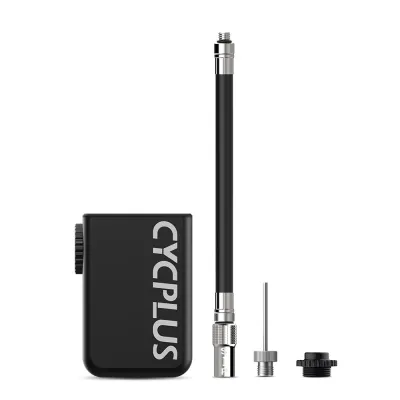
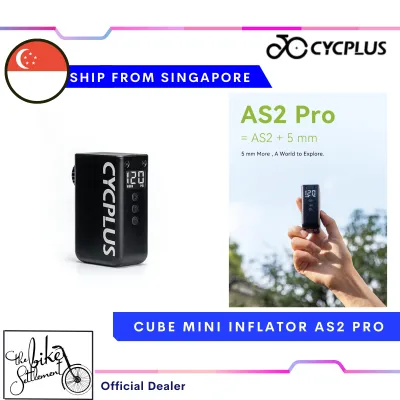
Prices are valid at publication and may change. Please refer to the product page for the latest price.
Finally, the airflow rate—often measured in liters per minute—determines how quickly the pump can fill an empty chamber. Compact, pocket-sized pumps generally feature smaller motors and pistons, resulting in a lower airflow rate compared to larger garage compressors. While this is highly efficient for low-volume bicycle tires, it means that high-volume items like car tires or large inflatable rafts will take significantly longer to fill. Understanding this balance between pressure, battery life, and airflow helps set realistic expectations for the pump’s performance across different scenarios.
Common Items You Can Inflate
The versatility of a portable electric pump lies in its ability to adapt to different inflation tasks through interchangeable nozzles and adjustable pressure settings. From high-pressure bicycle tires to low-pressure recreational items, understanding the specific requirements of each category ensures safe and efficient operation.

Bicycle, Motorcycle, and Scooter Tires
Two-wheeled vehicles present a wide range of inflation needs, from the high-pressure demands of road cycling to the larger volumes found in motorcycle and scooter tires. Before attempting to inflate these tires, you must verify whether the pump’s included nozzles support both Schrader and Presta valves. Schrader valves are standard on most mountain bikes, motorcycles, and utility scooters, while Presta valves are typically found on performance road and gravel bikes.
Additionally, you should check if the pump’s maximum pressure capability exceeds the specific requirements of your tires. Road bike tires often require pressures well above those of standard commuter tires, making it essential to confirm that the pump can sustain high-pressure output without overheating. For motorcycles and scooters, the volume of air required is larger, meaning the pump will run longer, though at a lower overall pressure than a road bike.
Car Tires and Light Vehicles
While portable electric pumps are highly convenient, it is important to distinguish between emergency top-ups and inflating a completely flat car tire. Car tires contain a massive volume of air compared to bicycle tires, meaning a compact pump must run continuously for an extended period to raise the pressure even a few pounds per square inch (PSI). This sustained operation generates significant internal heat due to air compression and motor friction.
Before using the pump on a passenger vehicle, consult the manufacturer’s manual to check the device’s continuous run-time limits and thermal protection features. Many portable pumps include an automatic shut-off mechanism that triggers when the internal temperature reaches a safe threshold, preventing damage to the motor. Relying on a compact pump to inflate a completely flat car tire from scratch may exceed these limits, so it is best reserved for minor pressure adjustments or emergency situations where no other option is available.
Sports Balls and Recreational Inflatables
Low-pressure and small-volume items, such as basketballs, soccer balls, and small pool toys, require a different approach to inflation. You should first check the product packaging to ensure the pump includes a standard ball needle and plastic cone nozzles. These adapters allow the pump to interface securely with the specialized valves found on sports gear and recreational inflatables.
Because sports balls and pool toys operate at very low pressures, there is a heightened risk of over-inflation, which can rupture the seams or damage the bladder of the item. You should verify if the pump’s automatic shut-off threshold can be set low enough for these delicate items. If the minimum preset pressure on the device is higher than the recommended pressure of the inflatable, you must use manual mode and closely monitor the inflation process to prevent damage.
How to Verify Compatibility Before You Buy
To ensure the pump meets your specific requirements, you should perform a thorough compatibility check before making a purchase. Start by reviewing the product listing or packaging for the exact list of included adapters, hoses, and nozzles. If you ride a bicycle with Presta valves or regularly inflate sports equipment, confirming that the necessary adapters are included in the box saves you the hassle of purchasing third-party accessories separately.
Next, examine the device’s preset pressure modes and customization options. Many modern electric pumps feature pre-programmed settings for bicycles, motorcycles, cars, and balls, which automatically stop the pump when the target pressure is reached. You should verify that these presets cover the specific pressure ranges of the items you own, and check whether the device allows you to manually adjust and save custom pressure limits for specialized gear.
Finally, confirm the power input method and charging compatibility of the pump. Most portable inflators utilize standard USB-C or micro-USB ports for charging, making them easy to power up using your existing phone chargers, power banks, or vehicle USB ports. If you plan to take the pump on multi-day bikepacking trips or camping excursions, ensuring that its charging requirements align with your portable power setups is essential for keeping the device operational when away from mains electricity.
Safe Operation and Maintenance Tips
Operating a portable electric pump safely requires attention to detail and regular maintenance to prolong the life of both the device and its battery. Before starting any inflation task, always inspect the hose connection to ensure it is securely threaded or clamped onto the valve. A loose connection can cause air leaks, forcing the pump to run longer than necessary, which wastes battery power and increases heat buildup.
Allowing the pump to cool down between consecutive uses is vital, particularly when tackling high-volume tasks like adjusting multiple car tires. If the pump feels hot to the touch, turn it off and let it rest in a shaded area for several minutes before resuming. This simple practice prevents thermal degradation of the internal seals and protects the electric motor from premature failure.
Proper battery care is equally important for maintaining the pump’s reliability over time. Avoid letting the battery discharge completely to zero percent, as deep discharges can permanently reduce the capacity of lithium-ion cells. Store the pump in a cool, dry environment away from direct sunlight and extreme temperatures, which can accelerate battery degradation. If you store the device in your car trunk or bicycle frame bag, remember to bring it indoors during periods of extreme hot or cold weather to preserve its battery health.
Frequently Asked Questions (FAQ)
Can it inflate large truck or SUV tires?
Portable electric pumps are generally designed for light vehicles, motorcycles, and bicycles, and they typically struggle with the massive air volume required for large truck or SUV tires. While the pump may technically be capable of reaching the required pressure, the sheer volume of air can cause the device to exceed its continuous run-time limits and overheat before the tire is fully inflated. Always check the manufacturer’s explicit vehicle size recommendations before attempting to inflate larger tires.
Does it support Presta valves out of the box?
Whether the pump supports Presta valves immediately depends on the specific accessories included in the package. Some models feature a dual-head hose or a dedicated Presta adapter that screws directly onto the valve stem, while others may require you to purchase a separate brass adapter. To avoid compatibility issues, carefully review the accessory list provided by the manufacturer or retailer before completing your purchase.
Community discussion
Share your experience or ask a question. Comments are reviewed before publication.