
Starting your cricket journey does not require purchasing a massive, expensive kit bag filled with professional-grade gear. To step onto the pitch safely and confidently, a beginner only needs a few non-negotiable items: a correctly sized cricket bat, a pair of batting gloves, an abdominal guard (commonly called a “box”), and flat, rubber-soled athletic footwear.
The exact protective gear you will need beyond these basics depends entirely on whether you are playing casual tennis-ball cricket or formal leather-ball cricket. For those just starting out, prioritizing safety and basic functionality over high-end aesthetics will save you money while ensuring you stay fully protected during your first few runs.
Diagnose Your Format: Tennis Ball vs. Leather Ball Cricket
Before spending any money on equipment, you must identify the specific format of cricket you will be playing. In Singapore, cricket generally falls into two distinct categories: casual tennis-ball games played in local parks, multi-purpose courts, or HDB void decks, and formal leather-ball matches played on dedicated club or school pitches.
Products mentioned in this guide
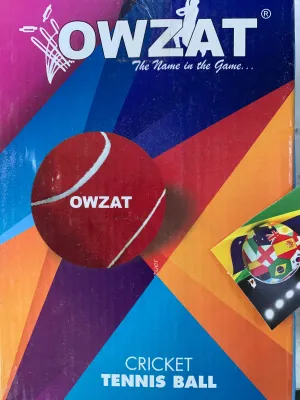
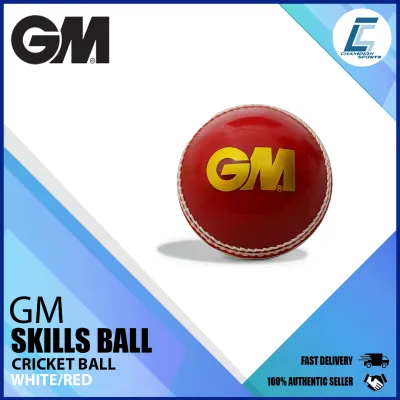
Prices are valid at publication and may change. Please refer to the product page for the latest price.
Tennis-ball cricket is highly popular for its accessibility and lower risk of injury. Because a standard tennis ball (or a heavy, tape-wrapped tennis ball) is relatively soft and lightweight, the impact risk is minimal. For this format, you do not need heavy protective padding, helmets, or specialized leather-ball bats; a lightweight, budget-friendly bat and basic athletic wear are usually sufficient.
In contrast, leather-ball cricket utilizes a hard, cork-and-leather ball that can cause severe injury upon impact. This format is common in organized leagues, school tournaments, and club setups, such as those at Kallang or various recreation clubs. Playing with a hard leather ball mandates strict safety equipment, including a certified helmet, leg guards (pads), batting gloves, and an abdominal guard.
To avoid purchasing unnecessary or incompatible gear, always confirm the playing format with your team captain, school coach, or local recreational group before visiting a sports retailer.
The Universal Essentials: Gear You Must Buy First
Once you have confirmed your format, you can focus on the core items that every beginner should own. These universal essentials form the foundation of your cricket kit and should be selected based on practical fit rather than brand popularity.

Cricket Bat Your bat is your most personal piece of equipment, and choosing the right one depends on your height and the ball type. To check the size, stand the bat upright next to your leg while wearing your playing shoes; the top of the handle should reach the top of your hip or pelvis. For tennis-ball cricket, look for lightweight poplar wood or synthetic bats, which are inexpensive and designed specifically for light impacts. For leather-ball cricket, you must choose between Kashmir willow and English willow. Kashmir willow is a denser, heavier wood that offers excellent durability at a budget-friendly price (typically S$40 to S$100), making it ideal for beginners. English willow is lighter, highly responsive, and preferred for competitive play, but it is more expensive (starting around S$150) and requires careful maintenance, including oiling and “knocking-in” to prevent cracking.
Footwear Footwear choice is determined by the playing surface. In Singapore, most beginner-level matches and practice sessions take place on concrete nets, artificial turf pitches, or hard-packed ground. For these surfaces, rubber-soled cricket shoes or standard turf trainers are essential, as they provide reliable grip without damaging the playing area. Metal-spiked shoes are strictly designed for natural grass outfields and should be avoided by beginners; they are unusable on artificial pitches and can cause slipping or joint strain if worn on hard surfaces.
Basic Protection Regardless of your skill level, two protective items are mandatory for personal safety. The first is an abdominal guard, or “box,” which protects vital areas from stray ball impacts and must be worn inside specialized jockstraps or compression shorts. The second is a pair of batting gloves. Even in casual tennis-ball games, batting gloves protect your fingers from painful pinches against the bat handle and absorb sweat, which is particularly important in Singapore’s humid tropical climate to maintain a secure grip.
Role-Specific Gear: Assess If You Need It Now
As you progress, you may gravitate toward a specific role on the field, such as batting, bowling, or wicketkeeping. Each role utilizes specialized equipment, but beginners should resist the urge to buy everything at once.
For Batters If you find yourself opening the batting or playing regularly against fast bowlers in leather-ball cricket, you will eventually need your own batting pads (leg guards), a thigh guard, and an arm guard. Batting pads shield your shins and knees from high-velocity impacts. A helmet is also non-negotiable when facing a hard leather ball. However, because these items can be bulky and expensive, many beginners choose to borrow them from a shared club kit or teammates during their first few games.
For Bowlers and Wicketkeepers Bowlers require minimal specialized gear, though those bowling on natural grass may eventually look into bowling shoes with supportive ankle collars and partial spikes. Wicketkeepers, on the other hand, require highly specialized wicketkeeping gloves and lightweight keeping pads. Keeping gloves feature protective rubber palms and webbing between the thumb and index finger to safely catch fast deliveries.
Decision Path Before investing S$100 to S$300 in specialized batting pads or wicketkeeping gloves, utilize your school or club’s shared gear. Most beginner-friendly leagues and social clubs maintain a communal kit bag containing pads, helmets, and keeping gloves. Borrowing this equipment for your first month allows you to confirm your preferred playing style and position before committing your hard-earned money.
What Beginners Can Skip, Borrow, or Upgrade Later
Sports retailers often display professional-grade equipment that can tempt beginners into overspending. Recognizing what you do not need in your first season will keep your initial budget manageable.
High-End English Willow Bats Avoid purchasing premium “Grade 1” English willow bats. While these bats offer maximum power and a larger sweet spot, they are made from soft, delicate wood that requires precise striking technique. A beginner’s mis-hit near the edge of a premium bat can easily crack the wood, resulting in an expensive loss. Stick to durable Kashmir willow or lower-grade English willow until your batting technique is consistent.
Premium Apparel and Heavy Kit Bags While formal matches may eventually require traditional cricket whites (white trousers and shirts), you do not need to purchase these immediately for training. Standard moisture-wicking athletic shirts and shorts are perfectly acceptable for practice sessions and help manage body temperature in hot, humid weather. Similarly, a massive, wheeled wheelie kit bag is unnecessary when you only own a bat, gloves, and a box; a standard athletic duffel bag you already own will easily suffice.
Expensive Training Aids Personal training equipment, such as rebound nets, bowling targets, or ball-throwing devices, can wait. Beginners gain far more value from active practice sessions with teammates or coaches than from expensive solo training gadgets that often end up unused in storage.
How to Verify Fit and Safety Before Purchasing
When you are ready to buy your gear, visiting a physical sports store is highly recommended over online shopping, as proper fit is critical for both comfort and safety.
The Bat Pick-Up Test Do not choose a bat based solely on its weight in kilograms. Instead, stand in your batting stance, grip the bat, and lift it as if preparing to face a ball. This is known as testing the “pick-up.” A bat that feels heavy when lifted will slow down your reaction time and fatigue your wrists, even if the label claims it is lightweight. The handle thickness should also allow your fingers to wrap around comfortably without straining.
Safety Standard Certifications When purchasing a helmet or protective pads for leather-ball cricket, safety must be your primary concern. Inspect the product labels or packaging for recognized safety certifications, such as British Standard (BS) or European Union (EN) markings. Avoid unbranded or cheap protective gear that lacks these safety stamps, as they may fail to protect you from high-speed impacts.
Strapping and Mobility Checks When trying on batting pads in-store, fasten the straps securely and walk around. The straps should hold the pads firmly against your shins without shifting, but they must not pinch your skin or restrict blood circulation. Try bending your knees fully and taking a few quick steps; if the pads restrict your natural running motion or bump against each other excessively, they are likely too large.
Frequently Asked Questions (FAQ)
Can I use a regular sports helmet for cricket?
No, you should never substitute a cricket helmet with a bicycle, skateboard, or baseball helmet. Cricket helmets are specifically engineered to withstand the unique impact of a small, hard cricket ball traveling at high speeds. They feature a reinforced carbon fiber or fiberglass shell and a steel or titanium facial grille designed to prevent the ball from passing through and striking your face, protection that other sports helmets do not provide.
How do I know if a cricket bat is the right size for me?
A quick and reliable physical test is to stand upright with the bat placed flat on the ground next to your outer leg. The top of the bat handle should align roughly with your hip bone or the top of your pelvis. If the handle reaches your chest, the bat is too long and will be difficult to control; if it only reaches your mid-thigh, it is too short and will restrict your reach.
Do I need to buy my own cricket ball as a beginner?
Generally, no. If you are joining an organized club, school team, or local recreational group, the organizers or coaches will provide the match and practice balls. You may want to purchase a single, inexpensive tennis ball or a soft training ball for personal practice at home, but there is no need to buy expensive leather match balls when starting out.
Community discussion
Share your experience or ask a question. Comments are reviewed before publication.