
Quick Answer: The AS2 Ultra's Multi-Purpose Capabilities
The CYCPLUS AS2 Ultra is widely celebrated as an ultra-compact, lightweight companion for road cyclists and mountain bikers. However, its utility extends far beyond standard bicycle tyres. Equipped with a versatile set of adapters, this pocket-sized electric pump can handle a surprising variety of everyday inflation tasks.
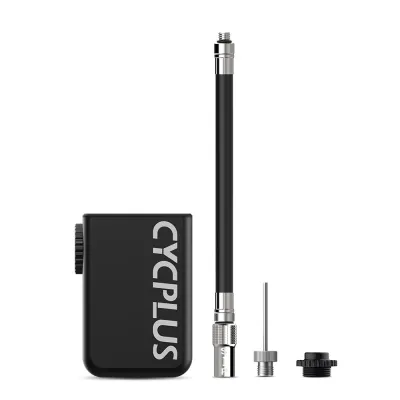
To understand what this device can do, start with the accessories. The pump typically includes standard adapters for Presta and Schrader valves, a ball needle, and a plastic cone nozzle. These attachments allow you to connect the pump to everything from sports equipment to small recreational inflatables.
The core operational rule of the cycplus as2 ultra relies on its physical design: it excels at low-to-medium volume, high-pressure tasks. While it can easily handle e-scooters or basketballs, high-volume items like large air mattresses or inflatable boats will quickly push the physical limits of its compact battery capacity and airflow rate. Always check the specific maximum PSI and continuous run-time limits printed on your exact device model before attempting any non-bicycle inflation.
Products mentioned in this guide
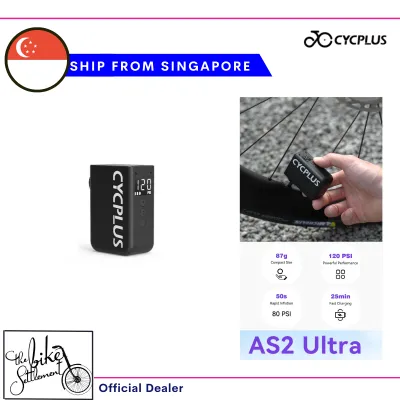
Prices are valid at publication and may change. Please refer to the product page for the latest price.
Best Everyday Uses: Balls, Scooters, and Small Inflatables
For daily activities, from weekend games at the local sports complex to commuting on personal mobility devices, this portable pump serves as a highly convenient multi-tool.

Sports Balls (Footballs, Basketballs, Rugby Balls) Inflating athletic balls is one of the most seamless secondary applications for this pump. To begin, secure the ball needle adapter tightly into the pump’s nozzle. Before inserting the needle into the ball’s valve, always moisten the needle with a bit of water or soapy water. This simple step reduces friction, preventing the rubber valve from tearing or pushing into the ball’s bladder. Ensure you set the pump to the correct lower PSI rating recommended for the specific ball—usually between 8 and 13 PSI—to prevent over-inflation and sudden bursting.
E-Scooters and Motorcycles Electric scooters and light motorcycles are excellent candidates for this portable inflator. These vehicles utilize standard Schrader valves and require relatively high pressure but contain a very small volume of air. Because the air volume is low, the pump can reach the desired pressure quickly without draining its lithium-ion battery. This makes it an invaluable emergency tool to keep in your commuter bag for quick top-ups before riding to the nearest transit station.
Small Pool Floats, Camping Pillows, and Water Toys If you are heading to the beach or planning a camping trip, the plastic cone adapter opens up options for inflating small leisure items. It works perfectly for inflatable camping pillows, swim rings, and small beach toys. However, because these items do not have sealed, high-pressure valves, air can escape easily during connection. Monitor the pump’s temperature closely during use. Inflating multiple small items consecutively can cause heat to build up rapidly, potentially triggering the device’s thermal protection limits.
Pushing the Limits: Car Tyres and Large Water Toys
While the pump is incredibly capable for its size, attempting to inflate large-volume items will push the compact motor and battery to their absolute physical limits. Understanding these boundaries prevents unexpected device failures.
Car and SUV Tyres Using this pocket-sized pump on a passenger vehicle requires a clear distinction between emergency top-ups and full inflation. Topping up a car tyre that has dropped by 2 to 3 PSI is highly practical and entirely feasible in a pinch. However, attempting to inflate a completely flat car tyre from zero is not recommended. The massive volume of a car tyre requires the pump to run continuously for an extended period, which will likely drain the battery completely and cause the motor to overheat. Always check your pump’s maximum continuous run-time specification to avoid damaging the internal components.
Stand-Up Paddleboards (SUPs) and Inflatable Boats Water sports enthusiasts often wonder if they can use their cycling pump to inflate stand-up paddleboards (SUPs) or small inflatable kayaks. This scenario presents a classic volume-versus-pressure challenge. Although a typical SUP requires a moderate pressure of about 12 to 15 PSI, its physical volume is immense. A tiny portable pump has a low airflow rate, meaning it would take an exceptionally long time to fill a paddleboard. You would likely need to pause multiple times to let the pump cool down and recharge the battery, making a dedicated high-volume pump a much safer and faster choice.
Operational Tip for Hot Climates When using the pump for demanding tasks in hot and humid weather, always operate the device in a shaded, well-ventilated area. Placing the pump on hot asphalt or in direct sunlight during a heavy-duty inflation cycle accelerates heat buildup, which can trigger an automatic thermal shutdown or degrade the battery’s long-term health.
Safety Boundaries: What You Should Never Inflate
Operating any high-pressure inflation device comes with inherent risks. To protect your equipment, your safety, and the pump itself, keep these strict safety boundaries in mind.
High-Pressure Gas Cylinders Never attempt to use the pump to fill high-pressure gas cylinders, such as oxygen tanks, scuba gear, or CO2 cartridges. These cylinders require specialized high-pressure compressors and strict safety protocols. Attempting to connect a portable electric pump to these vessels can result in catastrophic equipment failure or severe personal injury.
Exceeding Maximum PSI Do not attempt to inflate any item that requires a pressure rating higher than your pump’s certified maximum limit. Pushing the motor beyond its designed capacity can cause immediate internal damage, strip the gears, or cause the battery to fail. Always verify the target PSI of the item against the manufacturer’s user manual before starting.
Improvised Adapters Only use the official adapters supplied by the manufacturer or certified, high-quality replacements. Avoid using makeshift nozzles, tape, or poorly fitted plastic tubes to connect the pump to an unconventional valve. Under high pressure, these temporary solutions can snap, melt from the heat of the nozzle, or blow off entirely, creating a safety hazard.
Enclosed Spaces Never operate the pump while it is enclosed in a tight space, such as zipped inside a saddlebag, backpack, or storage compartment. The compact motor relies on ambient airflow to dissipate heat. Running it in a confined space will cause rapid overheating, potentially melting surrounding fabrics or damaging the pump’s internal electronics.
Maintaining Your Pump During Extended Multi-Use
To ensure your device remains reliable across various non-cycling applications, consistent maintenance and smart operational habits are essential.
Cool-Down Intervals When inflating multiple items in succession, always implement a strict resting period. Allowing the pump to sit idle for 5 to 10 minutes between tasks gives the internal motor and lithium battery sufficient time to cool down. This simple practice significantly extends the overall lifespan of the device’s internal seals and motor.
Battery Care Lithium-ion batteries perform best when they are not subjected to extreme discharge cycles. Avoid running the pump’s battery down to 0% during heavy-duty tasks. If you notice the performance slowing down or the battery indicator flashing low, pause your task and recharge the device. Keeping the battery charged within its optimal range helps preserve its capacity over hundreds of charge cycles.
Adapter and O-Ring Maintenance Regularly inspect the connection threads and the small rubber O-rings inside the hose and adapters. Over time, exposure to dirt, sand, and sweat can degrade these rubber seals, leading to micro-leaks. Clean the threads with a dry microfiber cloth and replace any worn or cracked O-rings immediately to maintain a perfect, airtight seal.
Frequently Asked Questions (FAQ)
Can I Use the AS2 Ultra While It Is Plugged Into a Power Bank?
Most compact electric pumps, including the CYCPLUS AS2 series, utilize safety circuitry that disables the motor while the device is charging. This design prevents the lithium-ion battery from overheating due to the simultaneous draw of running the motor and receiving a charge.
If your pump runs out of power during an inflation task, the correct workflow is to turn off the pump, connect it to a compatible power source or power bank, allow it to charge to an adequate level, and then disconnect it before resuming inflation.
When charging outdoors, avoid using low-wattage, uncertified power banks or damaged cables. Low-quality power sources may cause voltage drops or excessive heat buildup, which can damage the pump’s internal charging regulator.
Community discussion
Share your experience or ask a question. Comments are reviewed before publication.