
Selecting the right finger protection for your sport requires matching the mechanical demands of your activity with the specific vulnerability of your hand. Reaching for a generic bandage or a rigid splint without considering how your fingers move can hinder your performance or even worsen an injury. By understanding the forces at play—whether they are high-impact collisions, repetitive gripping stresses, or sudden hyperextension risks—you can choose a support system that offers the precise balance of mobility, compression, and structural stability your sport demands.
Assess Your Sport's Specific Finger Stress and Risks
Different sports subject your hands to vastly different mechanical forces. For instance, ball sports like basketball, netball, and volleyball present a high risk of sudden, high-velocity impact to the tips of the fingers, which can cause painful jams or axial loading injuries. In contrast, grappling sports like Brazilian Jiu-Jitsu or judo subject the joints to severe pulling, twisting, and hyperextension forces as opponents fight for grip control.
Your skill level and the venue also dictate the type of stress your hands experience. Beginners in sports like rock climbing often over-rely on raw finger strength rather than proper footwork, leading to intense repetitive stress on the pulley tendons. Outdoor environments, such as cold-weather matches or humid outdoor courts in Singapore, can affect your grip friction and skin integrity, making your joints more susceptible to strain when handling equipment.
Products mentioned in this guide
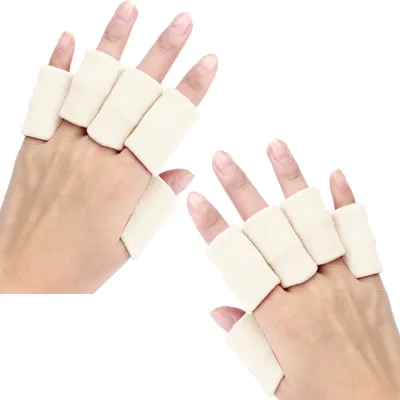
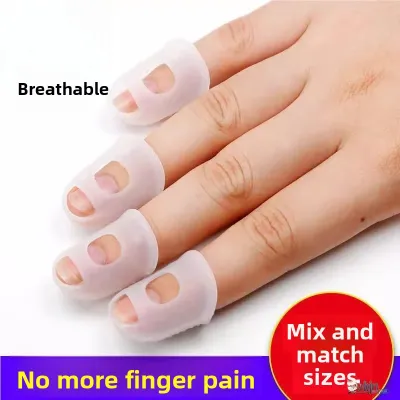
Prices are valid at publication and may change. Please refer to the product page for the latest price.
Evaluating the frequency and nature of the stress is crucial. A single acute impact requires a different protective strategy than chronic, repetitive strain from holding a racket or golf club. If your sport involves continuous, fine-motor control—such as handling a hockey stick or dribbling a basketball—any protective gear you choose must not interfere with your tactile feedback or grip security.
Bulkiness is a major trade-off when selecting gear. A thick, padded guard might offer excellent impact resistance for a cricket wicketkeeper or a baseball catcher, but it would render a racket sport player unable to feel the bevels of their handle. You must analyze whether your sport requires absolute immobilization to prevent hyperextension or if it demands flexibility with just a light layer of friction protection.
Match Protection Types to Your Activity and Vulnerability
Once you have identified the primary stresses of your sport, you can match them to the four main categories of finger protection. Each type serves a distinct mechanical purpose, ranging from light compression to complete joint immobilization. Selecting the wrong category can limit your natural movement unnecessarily or fail to provide the structural support needed to prevent reinjury.

Athletic tape is a highly versatile and customizable option available for athletes. Using techniques like buddy taping—securing an injured finger to an adjacent healthy one—allows you to restrict lateral movement and extreme hyperextension while preserving a high degree of tactile sensitivity. This method is highly favored in climbing, basketball, and grappling because it adds minimal bulk and can be adjusted to fit any finger size or shape.
Finger sleeves, typically made of neoprene, elastic knit, or nylon blends, provide mild compression and localized warmth. The compression helps manage minor swelling and improves proprioception, which is your body’s awareness of joint positioning. Sleeves are ideal for athletes dealing with mild stiffness or recovering from minor jams who still require full range of motion for dribbling, throwing, or holding equipment.
Finger braces and splints represent the most restrictive tier of protection, designed to provide rigid immobilization. These devices often incorporate metal, plastic, or stiff composite stays to prevent a joint from bending or hyperextending during recovery. While essential for protecting healing ligaments or bone structures, rigid braces are generally unsuitable for active play in high-contact sports unless specifically designed and permitted by tournament rules.
Padded guards and specialized gloves are engineered to absorb direct impact forces and shield the skin from friction. Sports like cricket, field hockey, and lacrosse utilize gloves with integrated foam or plastic armor along the fingers to deflect high-speed ball or stick impacts. For general fitness or weightlifting, simple padded finger guards can prevent painful blisters and calluses without restricting your grip on the bar.
Check Fit, Material, and Performance Constraints
Choosing the correct type of protection is only half the battle; you must also ensure the physical product fits your body and performs reliably under active conditions. Poorly fitting or low-quality gear can quickly become a liability, causing distractions or even secondary injuries during a match.
Breathability is a critical factor, especially when playing in warm, humid climates like Singapore. Look for moisture-wicking fabrics or perforated neoprene that allow sweat to escape, as trapped moisture can lead to skin maceration, fungal infections, or severe slipping. If a sleeve or tape loses its grip due to sweat, the protective benefit is entirely lost mid-game.
Sizing accuracy is paramount for both safety and effectiveness. A support that is too tight can restrict blood circulation, leading to numbness, cold fingertips, and reduced motor control, which increases your risk of injury. Conversely, a loose sleeve or brace will slip out of position during dynamic movements, failing to provide the intended stabilization when an impact occurs.
Before purchasing, review the manufacturer’s care instructions and material specifications. Sports gear is subjected to sweat, dirt, and frequent washing, which can degrade elastic fibers and weaken hook-and-loop fasteners over time. Check for reinforced stitching and high-quality adhesives on tape to ensure the product can withstand repetitive use without unraveling or losing its structural integrity.
Recognize When to Seek Professional Medical Evaluation
While retail finger protection is excellent for managing minor discomfort and preventing injuries, it is not a substitute for professional medical care. Attempting to self-treat a severe injury with tape or a sleeve can lead to long-term joint instability, chronic pain, or permanent loss of mobility.
You must be able to recognize the red flags that indicate a serious injury requiring immediate clinical evaluation. If you experience a visible deformity, rapid and severe swelling, an inability to bend or straighten the finger, or if the joint cannot bear any load, seek medical attention. These symptoms often point to fractures, complete ligament tears, or joint dislocations that require professional alignment or splinting.
Pay close attention to signs of nerve compression or compromised blood circulation. Persistent numbness, a tingling “pins and needles” sensation, or the fingertip turning pale or blue are urgent warning signs that the joint or surrounding tissues are under dangerous pressure. Do not attempt to wrap the finger tighter or use a rigid brace to mask these symptoms.
Always consult a physiotherapist, sports doctor, or hand specialist before relying on rigid braces or long-term taping for an undiagnosed injury. A professional can provide an accurate diagnosis, guide you through targeted rehabilitation exercises to rebuild strength, and recommend the exact type of support that will facilitate safe healing without creating muscle weakness or joint stiffness.
Frequently Asked Questions (FAQ)
Can I wear finger sleeves or braces while sleeping?
Generally, you should avoid wearing tight compression finger sleeves while sleeping unless specifically instructed by a medical professional. During sleep, you cannot monitor your fingers for signs of restricted circulation, such as numbness, tingling, or color changes. If you require overnight support for a healing injury, a loose-fitting, rigid splint designed specifically for nocturnal wear is typically recommended to keep the joint aligned without compressing the blood vessels. Always check the manufacturer’s guidelines or consult your doctor to ensure safe overnight use.
How do I clean and maintain my finger braces and sleeves?
To maintain the hygiene and structural integrity of your finger supports, hand wash them regularly in cold water with a mild detergent. Avoid using bleach or fabric softeners, as these chemicals can break down elastic fibers and damage technical fabrics. Gently squeeze out excess water without wringing, and lay the items flat to air dry away from direct sunlight or high heat sources like dryers, which can warp plastic or metal stays. For athletic tape, always store rolls in a cool, dry place to prevent the adhesive from melting or losing its stickiness.
Community discussion
Share your experience or ask a question. Comments are reviewed before publication.