
If you are new to angling, navigating the dizzying array of scent additives can feel overwhelming. The best fish attractants for beginners are those that require minimal preparation, offer broad-spectrum appeal to multiple species, and remain stable in warm climates. Starting with simple spray-on scents or pre-scented soft baits allows you to focus on mastering your casting and retrieval techniques without messy setups.
While experienced anglers might mix complex homemade concoctions, first-time users should prioritize ease of use, clean handling, and versatile scent profiles. Using an attractant helps mask human odors on your gear and encourages fish to hold onto your bait longer, giving you a better chance of a successful hookset. By focusing on a few reliable products, you can significantly improve your catch rate without cluttering your tackle box.
Key Selection Criteria for Your First Fish Attractant
To avoid getting lost in the tackle shop, beginners need a clear framework to filter through the options. Selecting your first scent product should come down to four practical considerations: application ease, versatility, climate stability, and safety.
Products mentioned in this guide
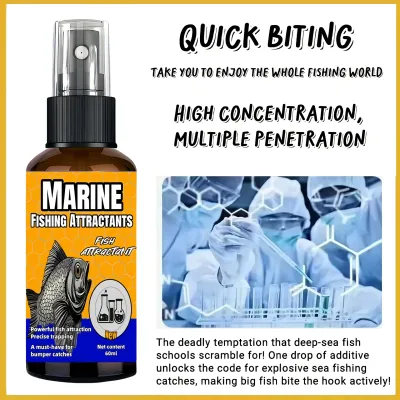
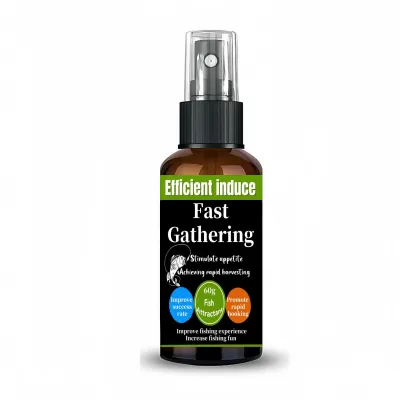
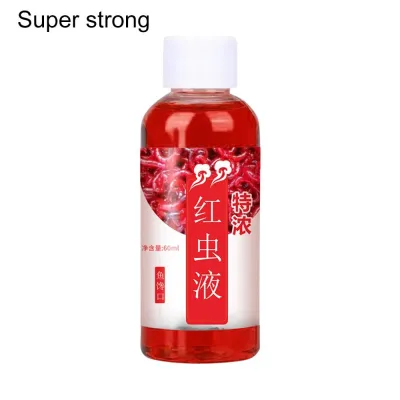
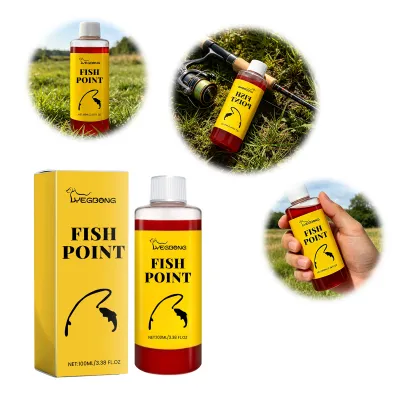
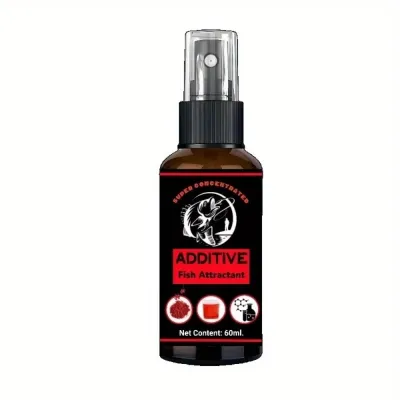
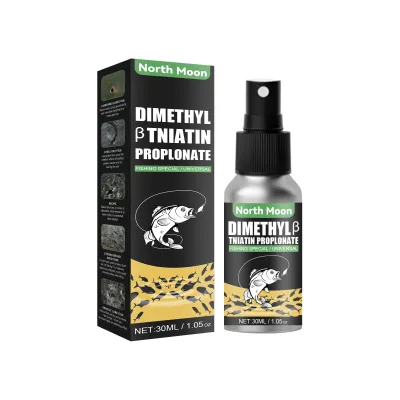
Prices are valid at publication and may change. Please refer to the product page for the latest price.
- Ease of Application: Look for formats that let you apply scent in seconds. Spray bottles, squeeze tubes, and pre-infused lures require no mixing or specialized tools. This keeps your hands relatively clean and lets you spend more time with your line in the water.
- Versatility and Broad-Spectrum Appeal: Instead of buying highly specialized formulas designed for a single niche species, opt for universal scents. Classic profiles like garlic, shrimp, and aniseed have a proven track record of attracting a wide range of both freshwater and saltwater fish.
- Shelf Life and Climate Stability: In tropical environments like Singapore, extreme heat and high humidity can quickly degrade unstable products. Liquid fish oils can separate, oxidize, or turn rancid if left in a hot tackle box or under direct sunlight. Beginners should look for stable synthetic or highly refined formulas that resist melting or separating in warm weather.
- Environmental and Handling Safety: Choose biodegradable, non-toxic attractants. This is especially important for family outings or casual trips where children might handle the gear. Safe formulas won't irritate your skin, damage your line, or leave permanent, foul-smelling stains on your clothing and boat surfaces.
Best Types of Fish Attractants for First-Time Anglers
To help you narrow down your choices, let’s explore the three most accessible categories of scent enhancers. Each type offers a unique balance of convenience, longevity, and presentation style.

Liquid Sprays and Scent Gels
Liquid sprays and squeeze-on gels are the most versatile formats because you can apply them to almost any lure or natural bait you already own. Sprays are designed for rapid, mess-free application. A quick spritz on a hard plastic lure, spinnerbait, or metal jig right before casting is all it takes to establish an immediate scent trail.
Gels offer a thicker consistency than liquids. They are formulated to stick to hard surfaces, meaning they won’t wash off immediately upon hitting the water. If you are fishing with hard crankbaits or spoons, a small dab of gel along the belly or tail of the lure provides a sustained scent trail that lasts through multiple casts.
However, these formats do have clear limitations. Thin liquid sprays wash off quickly, often requiring reapplication every 15 to 30 minutes, or even after a single cast in fast-flowing water. Gels last longer but can still be stripped away by strong currents or when dragged through heavy underwater vegetation.
Pre-Scented Soft Plastics and Dough Baits
For those who want to eliminate manual application entirely, pre-scented soft plastics and moldable dough baits are excellent choices. Pre-scented soft plastics are infused with concentrated oils, salts, and amino acids during the manufacturing process. The scent is baked directly into the material, meaning it slowly releases over hours of use without requiring constant sprays.
When a fish strikes a pre-scented soft plastic, the infused salts and oils mimic the taste of real prey. This trick encourages the fish to hold onto the lure for several seconds longer than they would a standard unscented plastic, giving you a wider window to feel the bite and set the hook securely.
Moldable dough baits are a staple for bottom-feeding species. These baits are highly soluble, slowly dissolving in the water to create a continuous, localized cloud of scent and flavor. They are incredibly easy to use: simply mold a small ball around a treble hook and cast it out.
The primary challenge with these products is storage. In hot climates, soft plastics can melt, warp, or bleed colors if stored together in a hot tackle box. Always keep them in their original, airtight, resealable packaging and store them in a cool, shaded place to preserve their shape and scent concentration.
Natural Extracts and Groundbait Additives
If you prefer using natural baits or want to draw fish to a specific spot, natural extracts and groundbait additives are highly effective scent boosters. Natural liquid extracts, such as pure shrimp oil, garlic extract, or sweetcorn liquid, can be used to marinate cut baits, earthworms, or prawns before you head out.
Powder additives are designed to be mixed with dry ingredients like breadcrumbs, pellets, or crushed grains to create groundbait (also known as chum). When mixed with a small amount of water, this mixture can be shaped into balls and thrown into your target fishing zone. As the ball breaks apart on the seabed or riverbed, it creates a highly visible and aromatic scent cloud that draws fish directly to your hook.
While highly effective, groundbaits have a steeper learning curve. Beginners must learn to mix the ingredients to the correct consistency so the ball doesn’t break apart in mid-air or fail to dissolve underwater. It is best to start with small, manageable batches to avoid overfeeding the fish, which can cause them to lose interest in your hook bait.
How to Match Attractant Scents to Your Target Fish
Selecting the right scent profile requires a basic understanding of fish biology and feeding habits. Different species rely on different sensory organs to locate food, meaning a scent that drives one fish wild might be completely ignored by another.
Predatory fish, such as Barramundi or Peacock Bass, are highly visual hunters but use their sense of smell to verify that a moving object is actually food. These predators respond strongly to amino acids and proteins, which are the chemical building blocks found in prey like shrimp, crabs, and smaller fish. Foraging or bottom-feeding fish, such as Tilapia or Carp, rely heavily on olfactory senses to find food in muddy water, responding exceptionally well to sweet, herbal, or carbohydrate-based scents like anise, sweetcorn, and fruit extracts.
The table below maps common target species you might encounter in regional waters to their most effective beginner-friendly scent profiles:
| Target Fish Species | Water Type | Recommended Scent Profiles | Primary Bait/Lure Match |
|---|---|---|---|
| Barramundi | Saltwater / Estuary | Shrimp, Crab, Fish Oil | Soft plastics, hard swimbaits |
| Peacock Bass | Freshwater | Garlic, Minnow, Shad | Spinnerbaits, topwater lures |
| Tilapia | Freshwater | Sweetcorn, Anise, Dough | Dough baits, micro-jigs |
| Snapper / Grouper | Saltwater | Squid, Shrimp, Pilchard | Cut bait, heavy jigs |
| Catfish | Freshwater | Chicken Liver, Garlic, Worm | Weighted natural baits |
Environmental conditions also dictate how scents disperse through the water column. Water temperature and clarity play massive roles in scent performance. In murky or turbid waters, fish cannot rely on sight, making scent crucial; heavy, oil-based attractants are highly effective here as they cling to the bait and leave a lingering trail. However, in cooler or highly clear waters, lighter, water-soluble formulas are preferred because they disperse rapidly without creating an unnatural, oily film that might spook wary fish.
Before applying any attractant or using groundbaits, always check local fishing regulations. In Singapore, for instance, certain public reservoirs and marine parks have strict rules regarding the use of organic groundbaits, chumming, or specific types of live bait to protect water quality and local ecosystems. Always check the official guidelines for your chosen venue first. When fishing near deep reservoirs or coastal areas, prioritize personal safety by checking water conditions, wearing appropriate footwear to prevent slips, and obeying all posted safety signs. Equipment and attractants cannot replace water safety training and situational awareness.
Practical Application Tips and Mistakes to Avoid
Even the most premium attractant will fail if applied incorrectly. To get the most out of your purchase, keep these practical tips and common pitfalls in mind.
- Avoid Scent Contamination: Fish have incredibly sensitive olfactory systems. Common human odors like sunscreen, insect repellent, tobacco, gasoline, and even hand sanitizer act as powerful repellents. If you touch your lures with contaminated hands, fish will detect these chemical warnings and steer clear. Always wash your hands with unscented soap or rub them in clean mud or water before handling your tackle, or use a dedicated fishing towel.
- Proper Dosage: Beginners often fall into the "more is better" trap, soaking their lures in excessive amounts of attractant. Over-applying can create an unnatural, thick chemical slick on the water surface that actually deters cautious fish. A light, even coating of spray or a pea-sized dab of gel is more than enough to create an enticing scent trail.
- Storage Best Practices: Never leave your attractants sitting on the deck of a boat or on an exposed pier in direct sunlight. High UV exposure and extreme tropical heat will rapidly break down the active amino acids and essential oils that make the scent effective. Keep your bottles and gel tubes tucked away in a shaded pocket of your tackle bag or inside a portable cooler when not in use.
- Reapplication Cadence: Scent trails degrade quickly once they contact water. Establish a consistent routine to reapply your sprays or gels. A good rule of thumb is to reapply after every 10 to 15 casts, or immediately after landing a fish, as the struggle and handling will wash away the remaining scent.
Frequently Asked Questions (FAQ)
Do fish attractants actually work, or are they just a gimmick?
Yes, they work, but they are not magic potions. An attractant will not summon fish from miles away if there are no fish in the area. Instead, their primary job is to mask unnatural human odors on your gear, stimulate a feeding response when a curious fish inspects your lure, and convince the fish to hold onto the bait longer. This extra second or two gives you the critical time needed to feel the bite and set the hook.
Can I use the same attractant for both freshwater and saltwater fishing?
While universal scents like garlic and aniseed can be highly effective in both freshwater and saltwater environments, matching the scent to the local ecosystem is generally more productive. Marine-based scents like shrimp, crab, and squid are ideal for saltwater species because they mimic natural coastal forage. For freshwater, earthy or sweet scents like worm, sweetcorn, and vanilla are better suited to the natural diet of inland fish.
How long does the scent of a liquid attractant last in the water?
The longevity of an attractant depends heavily on its base formula and water conditions. Thin, water-soluble liquid sprays may only last for 5 to 10 minutes, especially in moving water or strong currents. Thicker oil-based gels and factory-infused soft plastics can retain their scent trail for 20 to 30 minutes. For the best results, monitor your lure’s scent and reapply regularly.
Community discussion
Share your experience or ask a question. Comments are reviewed before publication.