
Selecting the right sports water bottle requires balancing weight, temperature control, and carrying ergonomics. The ideal insulation level depends entirely on your workout’s duration, intensity, and training environment. While ice-cold water is refreshing during a humid outdoor workout, carrying a heavy, double-walled steel flask during a fast-paced track session can hinder your performance. Finding the right crossing bottle—a versatile hydration companion that transitions smoothly between different training environments—requires understanding how insulation affects both water temperature and your physical load.
To make an informed decision, you must evaluate how different insulation technologies perform under physical stress. This guide breaks down the mechanics of thermal retention, matches bottle specifications to specific workout types, and provides a framework for balancing fluid capacity with carrying weight.
Understanding Insulation Types and Weight Trade-offs
Sports water bottles generally fall into three design categories: single-wall, double-wall vacuum, and multi-layer insulated. Single-wall bottles, typically made of plastic, aluminum, or thin stainless steel, feature no thermal barrier. They are exceptionally lightweight and inexpensive, making them easy to carry in a backpack or bicycle cage. However, they offer zero protection against heat transfer, meaning cold water quickly matches the ambient room temperature, and ice-cold liquids will cause heavy condensation to form on the exterior.
Products mentioned in this guide
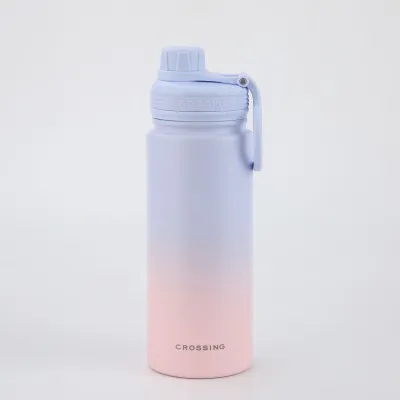
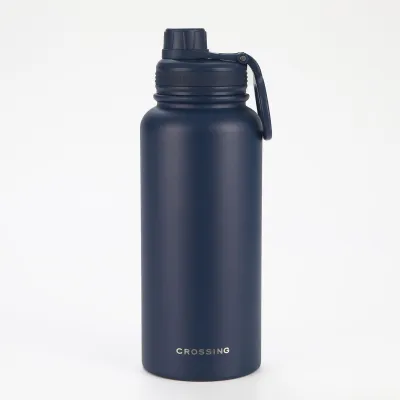
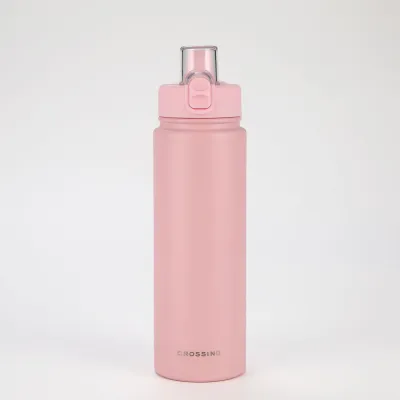
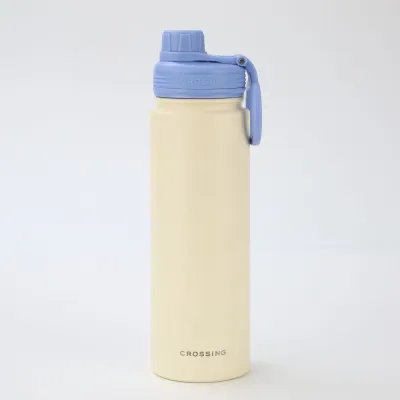
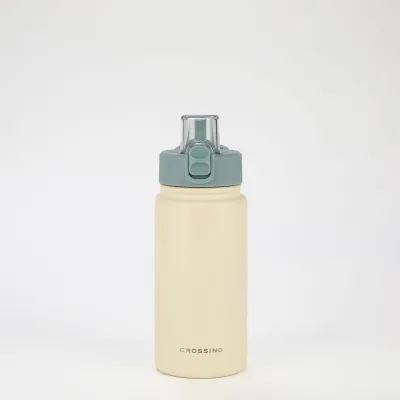
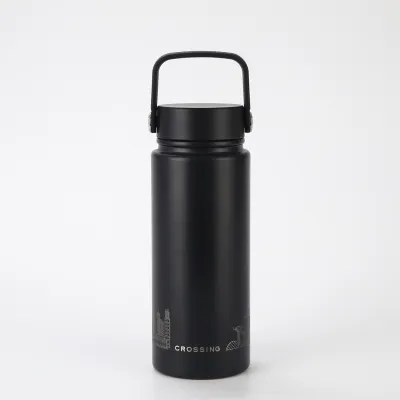
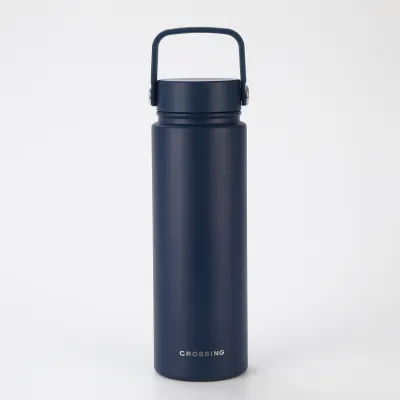
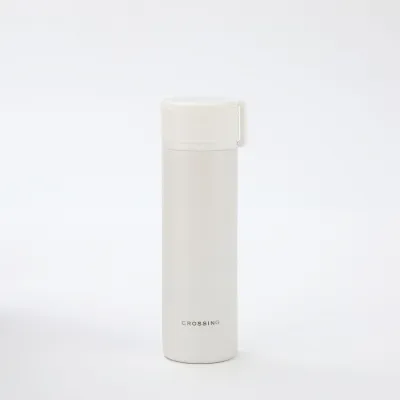
Prices are valid at publication and may change. Please refer to the product page for the latest price.
Double-wall vacuum insulation solves this problem by nesting one metal container inside another, with the air evacuated from the space between them. Because a vacuum contains no air molecules, it virtually eliminates heat transfer via conduction and convection, keeping liquids cold or hot for hours. The trade-off is structural weight; the double-layer steel construction significantly increases the dry weight of the bottle, making it bulkier and heavier even before you add water.
Some specialized bottles incorporate multi-layer insulation, adding copper coatings or reflective barriers within the vacuum gap to reflect thermal radiation. While this provides the maximum level of temperature retention, it also adds the most weight. When choosing a bottle, always verify the manufacturer’s stated hot and cold retention times on the product label rather than relying on generic marketing claims, as actual performance varies based on wall thickness and lid design.
Matching Insulation to Your Workout Duration and Environment
Your training environment and the duration of your session are the primary factors that dictate your insulation needs. A bottle that excels in an air-conditioned spin studio may fail you on a long trek through a humid nature reserve.

Short, High-Intensity Sessions and the Role of a Crossing Bottle
For fast-paced, high-intensity training sessions lasting under an hour—such as HIIT, track sprints, agility drills, or functional cross-training—minimizing weight is your highest priority. During these dynamic workouts, your body is subjected to rapid directional changes, jumps, and explosive movements. Carrying a heavy, insulated steel flask is counterproductive and can lead to early fatigue if you are carrying your bottle between stations.
This is where a lightweight crossing bottle becomes highly valuable. In sports terminology, a crossing bottle refers to a versatile, highly portable hydration flask designed for athletes who cross between indoor gym work, outdoor track sessions, and functional fitness areas. For these short, intense blocks, a single-wall bottle or a lightweight, thin-walled double-wall plastic bottle is ideal. Because the workout is brief, long-term temperature retention is secondary to ease of movement.
Additionally, look for quick-access lids such as bite valves, push-pull caps, or magnetic pop-tops. These designs allow you to take rapid sips between active intervals without wasting time unscrewing a cap. When every second of your rest period counts, a lightweight, fast-flowing bottle keeps your momentum high.
Medium-Duration Gym and Studio Workouts
For standard indoor workouts lasting between one and two hours—such as weightlifting, yoga, Pilates, or indoor cycling—temperature maintenance and condensation control become much more important. While indoor venues are often air-conditioned, the relative humidity can still rise quickly during crowded classes, causing non-insulated bottles to sweat profusely.
A standard double-wall vacuum insulated bottle is the ideal choice for these environments. It keeps your water consistently cold, which can help regulate your core body temperature during prolonged exertion. Furthermore, the vacuum barrier prevents exterior condensation. A sweat-proof exterior ensures that your grip remains secure during heavy lifts and protects your gym bag, cork yoga mats, and electronic fitness trackers from moisture damage.
For these workouts, a medium-capacity insulated bottle (around 500 ml to 750 ml) provides a perfect balance. It holds enough water to sustain you through a standard class without requiring constant refills, while remaining compact enough to fit securely in gym equipment cup holders or beside your exercise mat.
Long-Duration Endurance and Outdoor Activities
When training outdoors for extended periods, you face the harshest environmental challenges. In tropical climates like Singapore’s, where ambient temperatures regularly exceed 30°C and relative humidity remains high, heat exhaustion is a constant risk. Whether you are cycling along the coastal paths, hiking through MacRitchie Reservoir, or executing a long-distance road run, cold hydration is vital for safety and performance.
Under these intense conditions, single-wall bottles are highly inefficient, as their contents will warm up to ambient temperatures within 30 minutes. To sustain cold water over several hours, you must prioritize high-performance double-wall vacuum insulation. Look for bottles with robust thermal specifications, and always check the manufacturer’s maximum cold-retention ratings to ensure they can handle the duration of your trip.
However, you must prepare for the physical weight penalty. A high-capacity insulated bottle (900 ml to 1.5 liters) filled with water can easily weigh between 1.3 and 2 kilograms. If you are running, this weight is best managed using a hydration vest or belt that distributes the load across your torso. If you are cycling, ensure your bottle’s exterior diameter is fully compatible with your bicycle’s bottle cages to prevent it from launching out over rough terrain.
Balancing Hydration Capacity, Weight, and Ergonomics
Choosing the right bottle requires finding a middle ground between your physiological hydration needs and the physical effort required to carry the water. Water is heavy, weighing exactly one gram per milliliter. When you combine the weight of the liquid with a heavy stainless steel vacuum-insulated body, the total mass can contribute significantly to physical fatigue over long distances.
For running and high-impact cardio, every extra gram matters. If you are covering long distances on foot, it is often more efficient to carry a lighter, moderately insulated bottle and plan your route around public water replenishment points rather than carrying a massive, fully insulated 1.5-liter flask from the start. Conversely, for stationary sports or outdoor activities with a fixed base, such as tennis or boot camp training, a larger, heavier insulated bottle is perfectly acceptable since you do not have to carry it while moving.
Lid ergonomics also play a major role in how effectively you hydrate during different types of exercise. Consider the following common lid designs:
- Straw Lids: These allow for upright, hands-free sipping, making them excellent for cycling, treadmill running, or any activity where you need to keep your eyes on the path ahead. However, they feature complex internal valves that are harder to clean and can restrict flow rate.
- Wide-Mouth Lids: These are ideal for rapid gulping during rest periods and make it easy to load ice cubes into the bottle to prolong cold retention. The downside is that they are difficult to use while actively moving without spilling water down your front.
- Chug or Spout Lids: These offer a narrow, controlled spout that provides a high flow rate with minimal risk of spilling, bridging the gap between wide-mouth and straw designs.
Before heading out for a workout, it is crucial to perform a quick structural check on your bottle to ensure it is safe to use and will perform as expected. Use this simple checklist:
- Seal Integrity: Inspect the silicone O-ring inside the lid for cracks, warping, or mold. A compromised seal leads to leaks that can ruin gear in your sports bag.
- Impact Damage: Check the body for deep dents. While minor scratches are cosmetic, deep dents can cause the inner and outer metal walls to touch, creating a thermal bridge that permanently destroys the vacuum insulation.
- Lid Alignment: Ensure the lid threads smoothly without cross-threading, which can compromise both the leak-proof seal and the temperature retention.
Maintaining Your Bottle to Preserve Insulation Performance
To ensure your sports bottle remains hygienic and maintains its temperature-retention capabilities, you must practice proper maintenance. The structural integrity of vacuum insulation is durable but can be compromised by improper cleaning or physical abuse.
Always refer to the manufacturer’s care label before cleaning your bottle. While some stainless steel bottles are labeled dishwasher-safe, many powder-coated finishes and vacuum seals can be damaged by the extreme heat and harsh detergents used in household dishwashers. The intense heat cycles can cause the metal walls to expand unevenly, potentially compromising the vacuum seal. When in doubt, hand-washing with warm, soapy water and a soft bottle brush is the safest method to preserve both the exterior finish and the internal vacuum.
If you regularly use your bottle for sports drinks, electrolyte powders, or protein shakes, odor and residue buildup can quickly become an issue. To prevent persistent smells and bacterial growth, rinse your bottle thoroughly immediately after your workout. For deep cleaning, avoid using chlorine bleach, as chlorine can react with stainless steel and cause microscopic pitting and corrosion. Instead, use a mixture of warm water and baking soda, or specialized non-chlorine cleaning tablets, allowing the solution to sit for 15 to 30 minutes before scrubbing and rinsing.
Over time, physical drops or wear and tear can cause your bottle’s insulation to fail. You can easily identify a broken vacuum seal by observing how the bottle reacts to temperature. If you fill the bottle with ice water and the exterior wall becomes noticeably cold to the touch or begins to sweat, the vacuum has been compromised. Similarly, if hot liquids cause the outside of the bottle to become hot, the thermal barrier is gone, and the bottle will no longer hold its temperature. In these cases, the bottle must be replaced to restore proper performance.
Frequently Asked Questions (FAQ)
How do I test if my bottle's vacuum insulation is still working?
The most reliable way to test your bottle’s vacuum insulation is the touch test. Fill the bottle completely with ice-cold water and let it sit for five minutes. Feel the exterior walls of the bottle; they should remain at room temperature. If the outside of the bottle feels cold to the touch or if condensation forms on the exterior surface, the vacuum seal is broken, indicating that heat is transferring freely through the walls.
Can I use the same insulated bottle for both water and sports drinks?
Yes, you can use high-quality stainless steel insulated bottles for both water and sports drinks, provided they are made of food-grade stainless steel (such as 304 or 316 grade). However, acidic sports drinks and sugary electrolyte powders can degrade seals and leave stubborn odors if left inside for too long. Always wash the bottle, lid, and straw thoroughly immediately after use to prevent bacterial growth and flavor retention.
Does a dented insulated bottle lose its temperature retention?
It depends on the severity and location of the dent. Minor cosmetic dents on the outer wall usually do not affect the vacuum layer. However, if a dent is deep enough to press the outer metal wall into direct contact with the inner metal wall, it creates a thermal bridge. This direct contact allows heat to bypass the vacuum layer, causing rapid temperature loss and rendering the insulation ineffective.
Community discussion
Share your experience or ask a question. Comments are reviewed before publication.