
The Japanese tenya jig is a highly effective hybrid saltwater fishing lure that combines a hydrodynamic weighted head with a natural bait or soft plastic trailer. Originating from traditional Japanese commercial fishing methods, this technique bridges the gap between bait fishing and lure casting, offering anglers a highly versatile way to target bottom-dwelling species. In coastal waters and around rocky reef structures, where currents can be tricky and marine life is highly alert, mastering the tenya jig allows you to present bait in a natural, enticing manner that triggers even the most cautious predators.
By understanding the mechanics of this specialized jig, selecting the appropriate tackle, and practicing precise rigging and retrieval methods, you can significantly improve your hook-up rates. This guide breaks down the design of the tenya jig, contrasts it with other popular jigging styles, and provides a step-by-step approach to mastering the technique safely and effectively.
Understanding the Japanese Tenya Jig
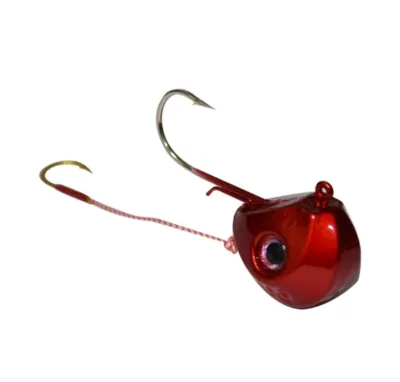
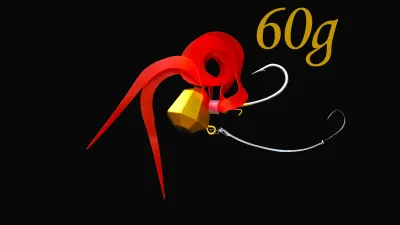
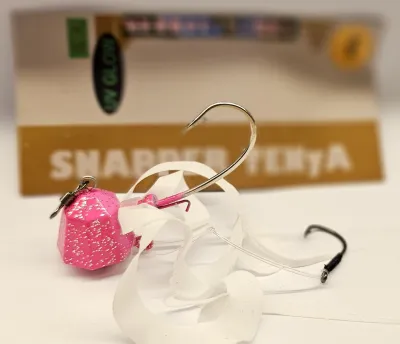
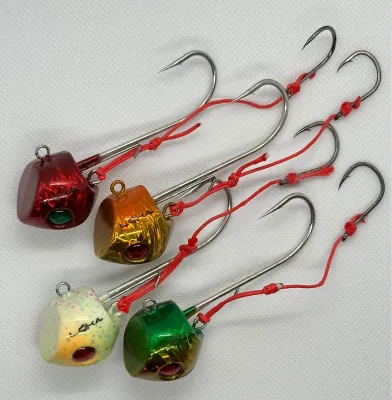
At its core, a Japanese tenya jig is a specialized weighted head combined with a single or double assist hook setup designed to hold soft plastics or natural bait. Unlike standard jig heads that feature a fixed hook molded directly into the lead, the tenya jig utilizes a unique hybrid design. It features a heavy, flat-bottomed or dome-shaped head that acts as both the casting weight and the keel, stabilizing the presentation as it descends through the water column.
Products mentioned in this guide
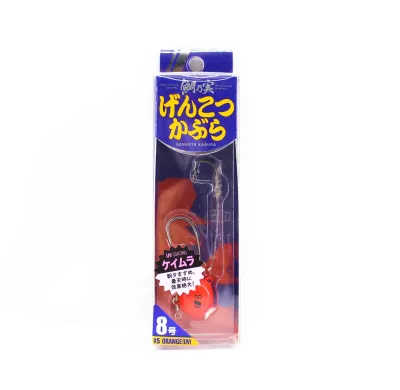
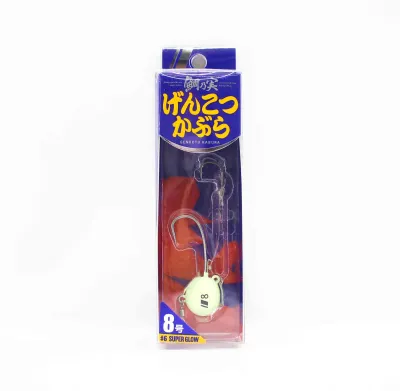
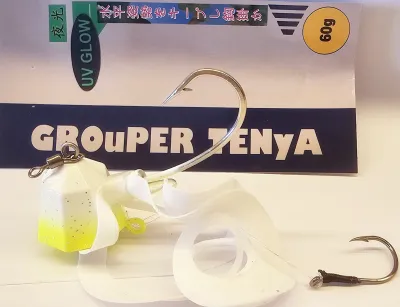
Prices are valid at publication and may change. Please refer to the product page for the latest price.
The physical components of a tenya jig are meticulously engineered to maximize bait presentation and hook-up efficiency. The main body consists of a molded lead or tungsten head, which is often painted in bright, high-visibility colors or reflective foil finishes to attract fish in deep or murky waters. Protruding from this head is a wire bait-holder pin or spring, which is used to secure the head of a prawn or the nose of a soft plastic lure. A large, heavy-duty main hook is rigidly set into the head, pointing upward to ride clear of bottom obstructions. Additionally, a secondary, highly flexible trailing assist hook is attached to the head via a short length of high-strength braided assist line.
The primary action mechanism of the tenya jig relies on this dual-hook and weighted-head configuration. The weight of the head provides the necessary casting distance and sinking rate to reach the strike zone quickly, even in moderate currents. Once in the zone, the attached bait provides the natural profile, realistic texture, and scent that trigger strikes from cautious saltwater predators. Because the bait behaves naturally rather than fluttering mechanically, fish are more likely to commit fully to the bite, resulting in deep, secure hook-sets.
How Tenya Jigs Differ from Other Saltwater Jigs
To employ the tenya jig effectively, it is important to distinguish it from other popular Japanese jigging styles, such as slow pitch jigs, inchiku, and kabura (tai rubber) jigs. Each of these techniques is designed for specific water conditions and fish behaviors, and understanding their differences helps you choose the right tool for your fishing scenario.

Slow pitch jigs are solid metal lures designed to mimic injured baitfish through an erratic, fluttering descent. They rely entirely on the metallic flash, shape, and aggressive rod manipulation to attract fish, using no bait or soft trailers. In contrast, kabura jigs feature a sliding, round weighted head that moves freely along the leader, trailing a skirt of silicone rubber ties and tiny assist hooks. Kabura jigging relies on a steady, continuous retrieve where the fish hooks itself against the constant tension. Inchiku jigs occupy a middle ground, featuring a bullet-shaped metal weight with a small soft plastic octopus skirt trailing behind, worked with a slow, rhythmic lifting motion.
| Jig Type | Primary Attraction | Retrieval Style | Hooking Mechanic |
|---|---|---|---|
| Tenya Jig | Natural bait/scent + weighted head | Lift-and-fall or slow roll | Active, sweeping hook-set |
| Slow Pitch Jig | Metallic flutter and flash | Rhythmic rod lifts and drops | Fish strikes moving metal |
| Kabura Jig | Silicone skirt vibrations | Continuous, steady retrieve | Self-hooking against drag |
| Inchiku Jig | Soft plastic octopus action | Slow, rhythmic jigging | Fish strikes trailing skirt |
The presentation of a tenya jig is fundamentally different because it relies on the lifelike movement, texture, and scent of real bait, such as fresh prawns or squid strips, or highly realistic soft plastics. While other jigs use motion to trigger reaction strikes, the tenya jig coaxes wary fish by offering a genuine meal. Furthermore, the hooking mechanics are distinct: tenya hooks are designed to be hidden or aligned closely with the bait, exposing the hook point only when a fish bites down and pulls, requiring the angler to execute a deliberate hook-set rather than relying on the fish hooking itself.
Choosing the Right Tackle for Tenya Jigging
Selecting the correct tackle is essential for managing the delicate balance between sensitivity and power required for tenya jigging. Because you must feel subtle nibbles while maintaining enough power to pull strong fish away from sharp structure, your rod, reel, and line must work in perfect unison.
Rods
When selecting a rod, look for a model with a highly sensitive, solid carbon or tubular tip. This sensitivity is crucial for detecting the faint, tapping bites of fish testing the bait. However, the rod must also feature a fast or extra-fast action rating that quickly transitions into a powerful, rigid backbone. This backbone is necessary to drive the thick main hook through the tough jaw of a saltwater predator. Check the manufacturer’s specifications to ensure the rod is rated for light to medium jigging and can handle the specific weight range of the tenya heads you plan to use, which typically range from 15g to 80g depending on depth and current.
Reels
Both overhead (baitcasting) and spinning reels are suitable for tenya jigging, each offering distinct advantages. Overhead reels provide superior line control during the descent, allowing you to feather the spool with your thumb to detect mid-water strikes on the fall. They also offer direct cranking power when pulling fish off the bottom. Spinning reels, on the other hand, are excellent for casting the jig away from the boat to cover a wider area of the seabed. Whichever style you choose, ensure the reel features a smooth, progressive drag system capable of handling sudden, powerful runs without binding.
Line and Leader
A thin, high-quality braided mainline is mandatory for tenya jigging. Braided line has virtually zero stretch, which maximizes sensitivity and ensures that even the slightest vibration at the jig is transmitted directly to your rod tip. A PE rating of 0.6 to 1.5 is standard for most light to medium applications. Always pair the braid with a high-quality fluorocarbon leader, typically ranging from 12 lb to 30 lb test. Fluorocarbon provides essential abrasion resistance against sharp rocks and corals, and its near-invisibility in water prevents spooking wary fish. Match the breaking strain of your leader to your target species and the roughness of the local underwater terrain.
Step-by-Step Technique for Tenya Jigging
Success with the tenya jig requires a systematic approach to rigging, deploying, and retrieving the lure. Precision in these steps ensures that the bait behaves naturally in the water and remains appealing to target species.
Rigging the Bait Securely
Properly securing your bait is the most critical factor in preventing the jig from spinning unnaturally, which twists your line and deters fish. Fresh whole prawns are the traditional and most effective bait choice, though high-action soft plastics can also be used.
- Prepare the Bait: If using a fresh prawn, pinch off the tail fan at the very base. This prevents the prawn from helicoptering or spinning as it sinks through the water.
- Thread the Main Hook: Insert the point of the large main hook into the broken tail end of the prawn. Carefully thread the hook along the center of the body, keeping it perfectly aligned with the curve of the prawn, and bring the hook point out through the chest or back.
- Secure the Head: Push the prawn's head firmly against the flat base of the tenya jig head. Push the built-in bait-holder pin or spring into the head of the prawn to lock it in place. If your jig uses a wire wrap, wrap it snugly around the prawn's head to prevent it from tearing off during casting or when targeted by small bait-stealers.
- Position the Assist Hook: Insert the smaller trailing assist hook into the mid-section or head of the prawn. Ensure the assist line has just enough slack to allow the bait to flex naturally, but not so much that it loops and tangles around the main hook or leader.
The Drop, Pause, and Retrieve
Once rigged, the jig must be worked through the water column in a controlled manner to mimic a natural, injured prey item drifting toward the seabed.
- The Controlled Descent: Cast or drop the jig vertically. Do not let the line free-spool completely unchecked. Instead, maintain slight tension on the line by lightly feathering the spool or touching the spinning line. Many predatory fish will strike the jig on the fall, and keeping a semi-taut line is the only way to feel these mid-water takes.
- Bottom Contact: Watch your line closely. The moment the line goes completely slack, the jig has made contact with the seabed. Immediately reel in one or two full turns of the handle to lift the jig slightly off the bottom, preventing it from snagging on rocks or debris.
- The Lift-and-Fall Motion: Gently lift your rod tip upward by 1 to 2 meters in a smooth, slow sweep. This mimics a prawn swimming upward to escape. Pause at the peak of the lift for a second, then slowly lower the rod tip, keeping pace with the sinking jig to maintain a taut line as it flutters back down.
- The Slow Roll: Alternatively, employ a slow, steady retrieve for 3 to 5 meters off the bottom, followed by a sudden pause to let the jig drift back down. Keep your eyes locked on the rod tip; any interruption in its natural rhythmic bounce indicates a fish is interacting with the bait.
Detecting Bites and Setting the Hook
Bites on a tenya jig rarely feel like aggressive, hard strikes. Because the fish are tasting real bait, they will often nibble, tap, or hold the bait in their mouths before swallowing.
- Identify the Bite: A bite typically registers as a series of light, rapid taps on the rod tip, a sudden sensation of extra weight, or a momentary slackening of the line when the jig should be sinking.
- Do Not Strike Instantly: Striking at the very first tap will simply pull the bait away from the fish or tear it off the hook. Instead, maintain a slow, steady wind or lower the rod tip slightly to give the fish a fraction of a second to fully engulf the bait.
- Execute a Sweeping Hook-Set: Once you feel a continuous, heavy pressure or a steady downward pull, execute a firm, upward sweeping motion with the rod. This continuous upward pressure pulls the hook point out of the bait and drives it deep into the fish's jaw. Avoid short, violent snapping motions, which can rip the hook out of the fish's mouth or snap light leaders.
Common Mistakes and Safety Boundaries
To ensure a successful and safe fishing trip, anglers must avoid common operational errors and adhere to strict safety protocols when handling heavy weights and sharp hooks.
Operational Mistakes to Avoid
- Retrieving Too Quickly: Working the jig with fast, aggressive jerks causes the bait to spin violently, twisting your line and scaring away target species.
- Neglecting Leader Checks: Always run your fingers along the fluorocarbon leader after every hookup or bottom contact. Even minor nicks from rocks or fish teeth can severely compromise the line's breaking strength, leading to a break on the next fish.
- Using Overly Stiff Rods: A rod with a stiff, unresponsive tip will prevent fish from tasting and swallowing the bait naturally, as they will feel unnatural resistance and immediately spit the hook.
Safety and Stopping Conditions
- Eye Protection: Always wear polarized sunglasses while fishing. This protects your eyes from harmful UV rays and provides critical protection against flying jigs or snapped lines if a hook pulls free under heavy tension near the boat.
- Handling Snags Safely: Singapore's rocky reef structures can easily trap jigs. Never wrap braided line around your bare hands to pull a snag free, as the thin line can easily cut through skin and tissue. Do not use the rod tip to yank a snagged line, as this can shatter high-modulus carbon rods. Instead, use a dedicated line breaker tool or wrap the line around a sturdy, gloved object, point the rod directly down the line, and pull straight back. If the structure cannot be freed safely, cut the line close to the tool.
- Handling Fish: Always use long-nosed pliers or a dedicated dehooking tool when removing sharp assist hooks from a thrashing fish to prevent accidental self-hooking.
Frequently Asked Questions (FAQ)
What saltwater species are best targeted with tenya jigs?
Tenya jigs are exceptionally effective for bottom-dwelling and structure-oriented predatory species. In local waters, this includes various species of snapper (such as red snapper and golden snapper), grouper, sweetlips, and threadfin. Because the jig utilizes real bait, almost any predatory reef fish will strike it. Always verify local fishing regulations, size limits, and protected species zones in your specific fishing area before keeping any catch.
Do I need a specialized tenya rod to start?
While a dedicated tenya rod with a highly sensitive solid tip offers the best bite detection and hook-setting action, beginners do not need to purchase specialized gear immediately. A high-quality light jigging rod or a fast-action spinning rod rated for light lures can serve as an excellent starting point. As you progress and target more challenging species in deeper waters or stronger currents, upgrading to a dedicated tenya rod will significantly improve your catch rate by helping you feel the subtlest of bites.
Community discussion
Share your experience or ask a question. Comments are reviewed before publication.