
A size 7 basketball is the official standard ball size used in men’s professional, collegiate, and high school basketball worldwide. Measuring 29.5 inches (approximately 75 centimetres) in circumference, it is the designated size for male players aged 12 and older. Choosing the correct ball size is critical for developing proper shooting mechanics, maintaining consistent ball-handling control, and preventing physical strain. Using a size 7 ball ensures that players train with the exact weight and dimensions they will encounter in competitive league play.
Size 7 Specifications: What the Numbers Mean for Your Game
Understanding the physical dimensions of a size 7 basketball clarifies how the ball behaves on the court and how it affects your performance.
Circumference (29.5 inches / 75 cm): This dimension directly dictates your grip and finger placement along the seams. A larger surface area requires a wider hand span to control the ball effectively during crossovers, layups, and shot releases. If a player’s hands are too small, they may struggle to secure the ball, leading to high turnovers and compromised shooting form.
Products mentioned in this guide
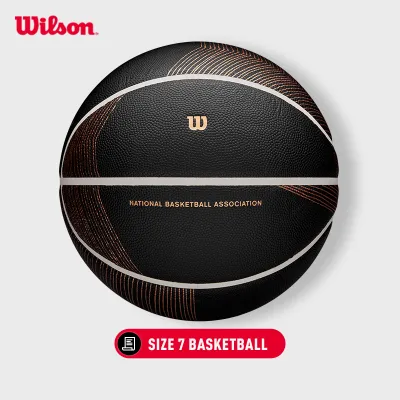
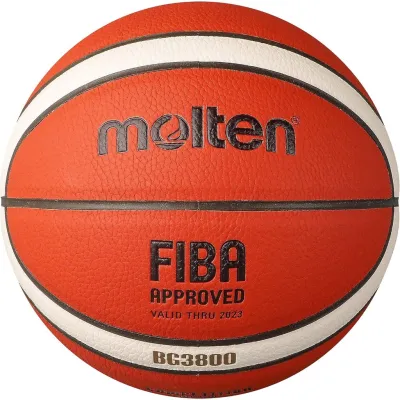
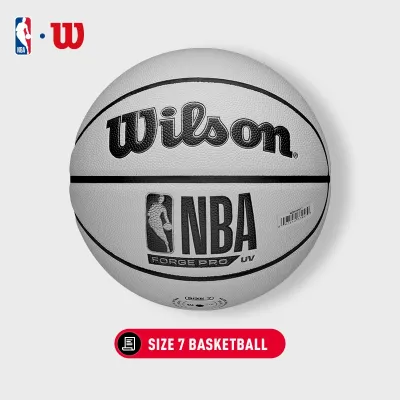
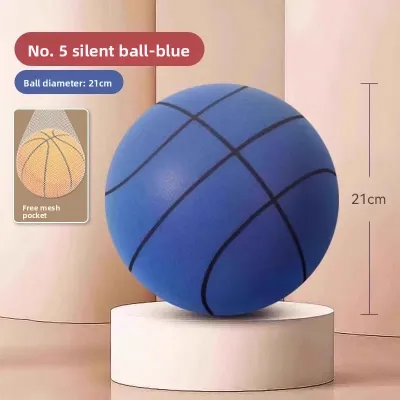
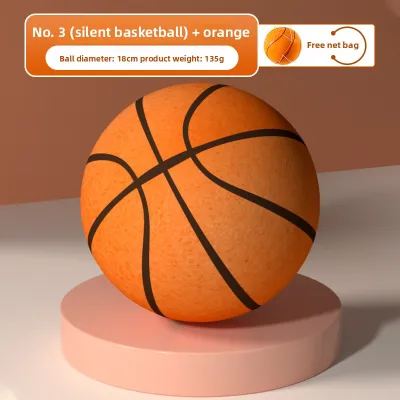
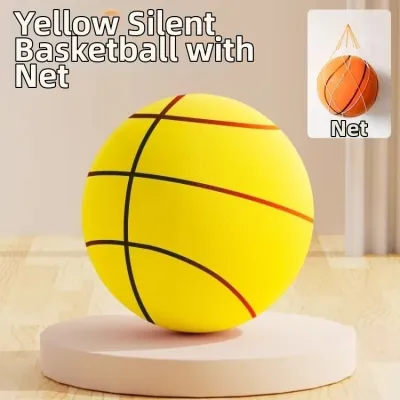
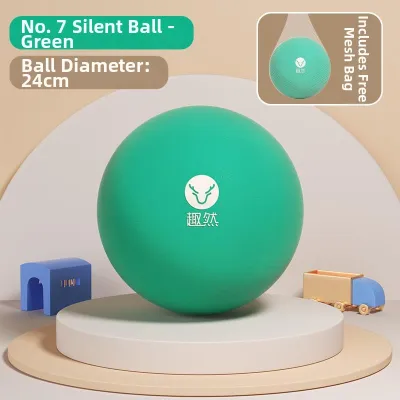
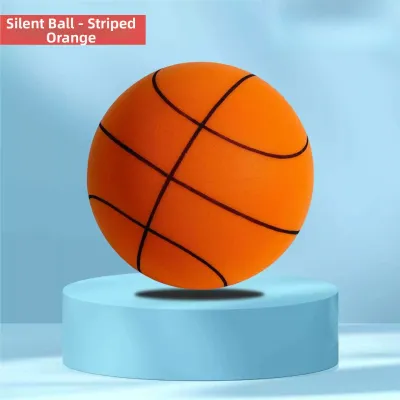
Prices are valid at publication and may change. Please refer to the product page for the latest price.
Weight (20 to 22 ounces / 567 to 624 grams): This weight is calibrated specifically for the muscle development of adult and adolescent male players. It provides the necessary resistance to build passing speed and shooting range without causing premature arm fatigue. If the ball is too heavy, players may compensate by pushing the ball from their chest rather than using a clean, high-release shooting motion.
Inflation Pressure (7.5 to 8.5 psi): Proper inflation ensures a predictable bounce and optimal energy transfer during dribbling. Under-inflated balls feel sluggish, absorb too much force from the court, and disrupt dribbling rhythm. Conversely, over-inflated balls bounce erratically, are harder to grip, and face a higher risk of structural warping.
League Variations: While 29.5 inches is the universal baseline, minor differences exist across governing bodies. For instance, FIBA and the NBA have slightly different tolerances regarding weight, channel width, and cover materials. However, both organizations strictly classify their official game balls within the size 7 category.
Who Should Use a Size 7 Basketball? (Age, Gender, and League)
Determining whether you should play with a size 7 basketball depends primarily on age, gender, and the specific rules of your league.

Age and Gender Guidelines: Standard athletic guidelines dictate that the size 7 basketball is designed specifically for men and boys aged 12 and older. By this age, most male players have developed the hand size, wrist strength, and shoulder stability required to handle the ball’s weight and circumference without compromising their physical health.
League Requirements: If you participate in organized competitive play, using the correct size is non-negotiable. High school athletic associations, collegiate leagues, and professional men’s leagues globally mandate the use of a size 7 ball. Practicing with an incorrect size can disrupt a player’s muscle memory, making it difficult to adjust to the weight and feel of the ball during official matches.
Hand Size and Grip Mechanics: A player’s hand span—the distance from the tip of the thumb to the tip of the pinky finger when fully spread—greatly influences how comfortable a size 7 ball feels. Players with smaller hand spans may find it difficult to palm or fully control the ball. For players transitioning to this size, focusing on grip-strengthening exercises and proper finger-spreading techniques can help bridge the gap.
Transitioning Players: Transitioning from a youth size 6 to an official size 7 is a major milestone for young male players, typically occurring around age 11 or 12. Coaches and parents should monitor the player’s shooting mechanics during this transition. If a player can comfortably palm the ball and execute a jump shot without distorting their natural shooting motion, they are ready for the size 7. If they must resort to two-handed chest pushes to reach the hoop, they should continue training with a size 6 ball.
When to Size Down: Is Size 7 Too Big for You?
While the size 7 basketball is highly popular, it is not a one-size-fits-all solution. Using a ball that is too large can hinder skill development and lead to persistent mechanical errors.
Size 6 (28.5 inches): A size 6 basketball has a circumference of 28.5 inches (72.4 cm) and weighs 18 to 20 ounces (510 to 567 grams). This is the official size for women’s professional and collegiate leagues globally, as well as for boys aged 9 to 11. The one-inch difference in circumference and slightly lighter weight allow female players and younger boys to maintain optimal shooting mechanics, high release points, and precise ball control without over-straining their joints.
Size 5 (27.5 inches): For younger children aged 5 to 8, a size 5 basketball is the standard youth size. Measuring 27.5 inches (70 cm) in circumference and weighing 14 to 16 ounces (397 to 454 grams), this ball is lightweight and easy to grasp. It allows young players to focus on basic coordination, passing accuracy, and low-rim shooting drills without being overwhelmed by a heavy ball.
Decision Matrix: To simplify your purchase, refer to the following standard sizing matrix based on player demographics and league rules:
| Ball Size | Circumference | Weight | Target Demographic | Typical Leagues |
|---|---|---|---|---|
| Size 7 | 29.5\" (75 cm) | 20–22 oz (567–624 g) | Males aged 12+ | Men's Pro, College, High School |
| Size 6 | 28.5\" (72.4 cm) | 18–20 oz (510–567 g) | Females aged 9+, Boys aged 9–11 | Women's Pro, College, Youth Boys |
| Size 5 | 27.5\" (70 cm) | 14–16 oz (397–454 g) | Boys & Girls aged 5–8 | Youth Junior Leagues |
| Size 3 | 22.0\" (56 cm) | 10–12 oz (283–340 g) | Toddlers & Kids aged 4 and under | Mini / Novelty Play |
Matching the Material to Your Court Surface
Once you have confirmed that a size 7 basketball is correct for your age and league, the next critical step is selecting the right cover material. The surface you play on dictates how long the ball will last and how well it will perform.
Indoor (Full-Grain or Top-Grain Leather): Premium indoor basketballs are crafted from genuine full-grain or top-grain leather. These balls offer an unmatched tactile grip, deep channels, and a soft feel that improves over time as the leather absorbs natural oils from your hands. However, genuine leather basketballs require a break-in period before they reach their optimal softness. They must be used exclusively on clean, indoor hardwood courts, such as those found in ActiveSG sports halls or private club facilities. Playing with a leather ball on rough outdoor surfaces will quickly ruin the material, scraping away the outer layer and rendering the ball unusable.
Outdoor (Rubber): If you primarily play on concrete, asphalt, or outdoor recreational courts—common in Singapore’s HDB estates and community clubs—a rubber basketball is the most practical choice. Rubber is highly durable, highly resistant to abrasive surfaces, and budget-friendly, typically costing under S$30. It resists moisture and dirt, making it ideal for outdoor play. The trade-off is a firmer, less forgiving feel and a more basic grip compared to leather or composite alternatives.
Indoor/Outdoor (Composite Leather): Composite leather basketballs are constructed from synthetic materials that mimic the feel of genuine leather while offering enhanced durability. This is the most versatile option for recreational players who transition between indoor sports halls and outdoor neighborhood courts. Composite balls do not require a break-in period and are ready for gameplay straight out of the box. They offer an excellent balance of grip, soft feel, and wear resistance, with mid-range options typically priced between S$40 and S$80.
Care and Storage: Regardless of the material you choose, proper maintenance is key to protecting your investment. Singapore’s high humidity and tropical climate can accelerate material degradation. Always wipe down your basketball with a damp cloth after outdoor play to remove abrasive grit. Store your ball in a cool, dry place indoors. Leaving a basketball exposed to direct sunlight, heavy rain, or high-heat environments (like the trunk of a car) can cause the bladder to warp, the panels to peel, and the air pressure to fluctuate wildly.
Frequently Asked Questions (FAQ)
Is a size 7 basketball the exact same as an NBA basketball?
Yes, in terms of basic dimensions, both are size 7 basketballs measuring 29.5 inches in circumference. However, an official NBA game ball is manufactured using highly specific full-grain genuine leather, strict weight tolerances, and distinct channel depths tailored to professional play. Standard retail size 7 basketballs are often made of composite leather or rubber, which are designed to be more durable and require less break-in time than the professional leather balls used on NBA courts.
Can a 10-year-old use a size 7 basketball for practice?
It is highly recommended that a 10-year-old avoid practicing with a size 7 basketball. At age 10, most players do not have the hand span or upper-body strength to control a standard adult ball. Forcing a child to shoot with a ball that is too heavy or large leads to poor physical habits, such as launching the ball from the waist or using a two-handed shot. To support proper skill development and reduce joint strain, stick to a size 5 or size 6 ball until they reach the appropriate age and physical maturity.
How do I know if my basketball is properly inflated without a pressure gauge?
While using an inflation pressure gauge is the only way to guarantee exact psi compliance, you can perform a quick, low-risk physical test. Hold the basketball at chest height (approximately 1.8 meters) and drop it onto a solid hardwood or concrete surface. A properly inflated ball should bounce back up to roughly your waist level (around 1.1 to 1.2 meters). If the ball bounces higher than your chest, it is over-inflated; if it fails to reach your hips, it needs more air.
Community discussion
Share your experience or ask a question. Comments are reviewed before publication.