
A highly cushioned, supportive surface can make or break your fitness routine, especially when performing floor exercises or restorative poses. If you have been shopping for a new exercise surface, you have likely come across the term NBR. An nbr yoga mat is a thick, highly cushioned mat made from Nitrile Butadiene Rubber, a synthetic foam known for its exceptional impact absorption and budget-friendly price point. Whether this mat is right for your practice depends entirely on the style of yoga you perform, your joint support needs, and your typical workout environment. While NBR mats offer unparalleled comfort for floor-based routines, Pilates, and gentle stretching, they are generally unsuitable for high-intensity, sweaty practices or advanced standing poses that require absolute stability.
What Exactly Is NBR Material in Yoga Mats?
NBR stands for Nitrile Butadiene Rubber, which is a synthetic rubber copolymer consisting of acrylonitrile and butadiene. Originally developed for industrial applications requiring high resistance to oils, chemicals, and physical wear, this material has been adapted into a specialized foam for fitness and wellness equipment. During the manufacturing process, the rubber is chemically expanded to create a dense, lightweight foam characterized by a closed-cell structure.
This closed-cell foam structure is one of the most critical aspects of NBR material. Because the individual microscopic cells within the foam are sealed off from one another, they create an impermeable barrier. This prevents moisture, sweat, dirt, and bacteria from penetrating the core of the mat. In a tropical, highly humid climate like Singapore’s, where ambient moisture can easily lead to mold, mildew, and unpleasant odors, a closed-cell mat offers a distinct hygienic advantage. Sweat remains on the surface where it can be easily wiped away, rather than soaking deep into the core.
Products mentioned in this guide
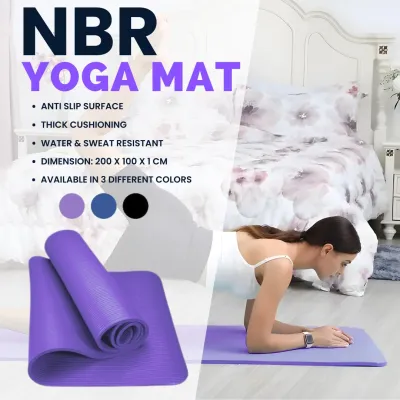
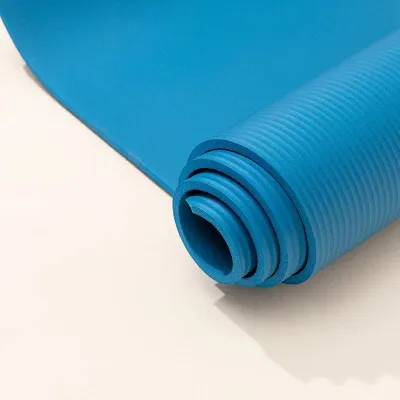
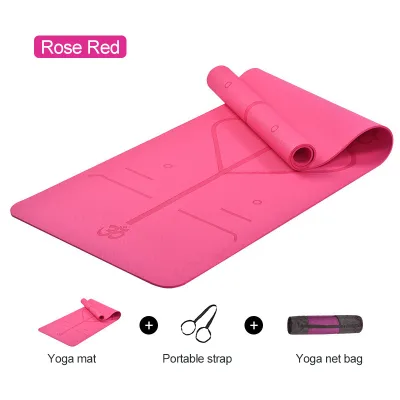
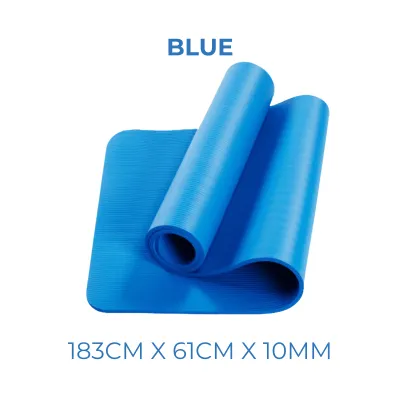
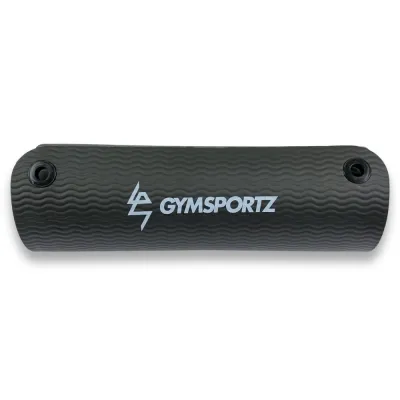
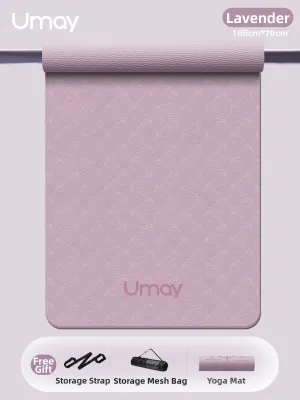
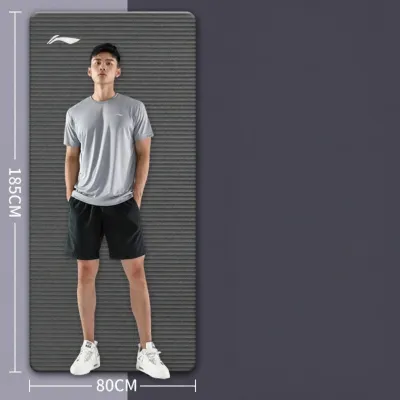
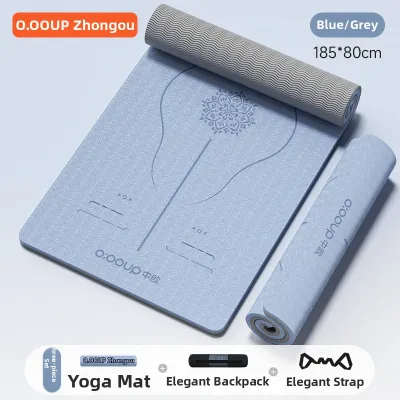
Prices are valid at publication and may change. Please refer to the product page for the latest price.
It is important to understand that when a product is labeled as an NBR mat, this refers specifically to the core foam material. Manufacturers often enhance this core by pairing it with embossed surface textures or integrating internal anti-tear mesh layers during the extrusion process. These additions help stabilize the soft foam and prevent it from stretching out of shape.
Unlike natural alternatives such as harvested tree rubber, cork, or organic cotton, NBR is an entirely synthetic, petroleum-based material. This synthetic origin allows manufacturers to produce mats at a highly competitive cost, making them some of the most affordable options on the market. However, it also means they carry a different environmental footprint and physical profile compared to biodegradable, natural options. Understanding this distinction is the first step in deciding whether NBR aligns with your personal values and practice style.
Key Properties of an NBR Yoga Mat: Cushioning, Grip, and Durability
To evaluate whether an NBR mat is the right fit for your home workouts or studio sessions, you must examine how the material performs across three primary dimensions: cushioning, traction, and physical resilience.

Exceptional Cushioning and Joint Support
The defining characteristic of an NBR yoga mat is its substantial thickness and plush feel. While standard yoga mats made of PVC or natural rubber typically measure between 3mm and 6mm, NBR mats are significantly thicker, commonly ranging from 10mm to 15mm. This generous profile provides a deep, pillowy layer of padding that excels at absorbing impact.
For practitioners with sensitive joints, older adults, or individuals recovering from minor physical discomfort, this level of cushioning is a major benefit. When performing kneeling poses like Low Lunge, floor exercises like Cat-Cow, or deep seated stretches, the high-density NBR foam compresses under weight to distribute pressure evenly. This prevents your knees, wrists, elbows, and spine from pressing directly against hard subfloors, such as the ceramic tiles or parquet flooring common in Singapore apartments. The high-density composition ensures that even under load, the mat does not bottom out completely, maintaining a protective barrier throughout your practice.
Grip and Traction Performance
Traction is a double-edged sword when it comes to NBR materials. Under dry conditions, an NBR mat provides a reliable level of grip. This dry traction is typically enhanced by manufacturers who emboss the surface with ribbed patterns, textured grooves, or non-slip finishes. These physical ridges help keep your hands and feet in place during low-intensity movements and static stretches.
However, the closed-cell nature of NBR introduces a significant performance limitation when moisture is introduced. Because the material is completely non-porous, any sweat or condensation will pool on the surface rather than being absorbed. In Singapore’s warm and humid environment, even a moderate home workout can lead to perspiration. Once a layer of moisture forms between your skin and the mat, the surface can become highly slippery, resembling a slide. To maintain traction during a sweaty session, you will almost certainly need to overlay the mat with a specialized microfiber yoga towel to absorb moisture and prevent slipping.
Durability and Tear Resistance
NBR is highly resilient against compression set, which is the material’s ability to bounce back to its original thickness after being compressed under heavy weight. When you step off the mat or finish a kneeling pose, the foam quickly recovers its shape, preventing permanent indentations from forming over time. This elasticity contributes to a soft, consistent feel throughout the mat’s lifespan.
Despite its excellent compression recovery, NBR foam is physically soft and vulnerable to mechanical damage. The open edges and soft surface are highly susceptible to punctures, scratches, and tears. Sharp objects such as unfiled fingernails, jewelry, zippers, or pet claws can easily gouge or slice the foam. Additionally, using an NBR mat on rough, abrasive outdoor surfaces, such as concrete paths or gravel in local parks, can rapidly abrade the material. If you plan to practice outdoors, it is essential to check the ground beforehand for debris and place a protective barrier underneath the mat.
Who Should Use an NBR Yoga Mat? (And Who Should Avoid It)
Because of its distinct physical properties, an NBR mat is not a universal solution for every fitness enthusiast. Matching the mat’s characteristics to your specific activity, body type, and skill level is crucial for a safe and satisfying practice.
Ideal for Beginners, Pilates, and Restorative Practices
NBR mats are highly recommended for individuals who prioritize joint comfort and pressure relief over athletic, standing stability. This makes them an exceptional choice for beginners who are just starting their wellness journey and may find thinner mats uncomfortable or discouraging. The extra padding helps ease the body into new movements without causing bruising or joint strain.
Furthermore, NBR is the go-to material for floor-heavy, low-impact exercise modalities. If your routine consists primarily of Pilates, Yin yoga, restorative yoga, general stretching, or core conditioning, a 10mm to 15mm NBR mat provides the perfect foundation. These practices involve prolonged contact with the floor, where a plush, supportive surface enhances relaxation and alignment. It is also an excellent, budget-friendly option for a home gym setup, offering a comfortable space for daily mobility work and physical therapy exercises without a significant financial investment.
Not Ideal for Hot Yoga or Advanced Balancing
Conversely, NBR mats are poorly suited for dynamic, fast-paced, or standing-heavy yoga styles, such as Vinyasa, Ashtanga, or Power Yoga. The very quality that makes NBR comfortable—its thick, squishy cushioning—can compromise your safety during standing balances. When attempting poses like Tree Pose or Warrior III, your feet need a firm, stable surface to establish a solid connection with the earth. The deep compression of a 10mm to 15mm foam mat can cause your ankles to wobble, making it difficult to maintain balance and potentially increasing the risk of ankle strain or joint fatigue.
Additionally, standard NBR mats should be avoided for hot yoga, Bikram yoga, or any high-intensity workout that induces heavy sweating. As established, the closed-cell surface does not absorb moisture, turning a sweaty mat into a severe slipping hazard. Slipping during transitions or weight-bearing poses can lead to muscle pulls or joint injuries. If you are committed to a vigorous, high-sweat practice, you will find better performance, safety, and stability in a thinner, firmer mat designed specifically for wet traction.
NBR vs. Other Common Yoga Mat Materials
To help you weigh your options, it is helpful to compare NBR directly with other popular materials on the market: Thermoplastic Elastomer (TPE), Polyvinyl Chloride (PVC), and Natural Rubber. Each material represents a different balance of grip, cushioning, weight, and environmental impact.
| Material | Cushioning | Dry Grip | Wet Grip | Weight | Eco-Friendliness | Relative Cost |
|---|---|---|---|---|---|---|
| NBR (Nitrile Butadiene Rubber) | Excellent (Thick/Soft) | Moderate | Poor | Light to Medium | Low (Synthetic) | $ (Budget-Friendly) |
| TPE (Thermoplastic Elastomer) | Moderate (Firm/Supportive) | Very Good | Moderate | Very Lightweight | Moderate (Recyclable) | $$ (Mid-Range) |
| PVC (Polyvinyl Chloride) | Moderate (Dense) | Good | Poor (Slippery when wet) | Medium to Heavy | Low (Non-biodegradable) | $ to $$ (Budget to Mid) |
| Natural Rubber | Good (Dense/Heavy) | Excellent | Excellent (Open-cell) | Very Heavy | High (Biodegradable) | $$$ (Premium) |
When interpreting this comparison, consider what trade-offs you are willing to make. If your primary goal is to find a lightweight, affordable mat for gentle home stretching or Pilates, NBR is an outstanding choice. However, if you are looking for a versatile, lightweight middle-ground that is easier to carry to a local studio, TPE offers a great balance of grip and portability.
For those who prioritize environmental sustainability and require maximum traction during sweaty, advanced sessions, natural rubber is the gold standard, though it comes with a premium price tag and is significantly heavier to transport. PVC remains a highly durable, long-lasting industrial option, but it lacks the eco-friendly credentials of natural rubber or TPE and shares NBR’s poor wet-grip performance unless paired with a towel.
How to Choose, Care for, and Maintain Your NBR Mat
If you decide that an NBR mat is the right choice for your fitness routine, taking the time to select a high-quality product and caring for it properly will ensure you get the best performance and longevity out of your investment.
- Buying Checks: When shopping for an NBR mat, do not simply choose the thickest option available. Verify both the thickness and the foam density; a high-density NBR mat will offer better joint support and durability than a low-density, overly squishy alternative. Most importantly, look for independent safety certifications such as OEKO-TEX Standard 100, SGS, or REACH compliance. Because NBR is a synthetic material, these certifications are crucial to verify that the mat has been tested and is free from harmful phthalates, heavy metals, and high levels of volatile organic compounds (VOCs) that can cause chemical odors or skin irritation.
- Cleaning Instructions: To keep your mat hygienic, wipe it down after every use with a soft, damp cloth and a mild, non-abrasive soap or a highly diluted dishwashing liquid. Avoid using harsh chemical cleaners, bleach, or alcohol-based sprays, as these can break down the synthetic rubber foam and cause it to crumble. Never submerge your NBR mat in water, place it in a washing machine, or dry it in a tumble dryer, as soaking will damage the structural integrity of the foam core. Always consult the manufacturer's care instructions for your specific mat before applying any cleaning solution.
- Storage and Environmental Care: To prevent permanent damage, store your NBR mat rolled loosely with the textured top side facing outward. Avoid folding the mat, as folding creates sharp creases that can permanently weaken the foam and lead to cracking. Keep your mat stored in a cool, dry, and shaded area. In Singapore's tropical climate, exposing the mat to direct sunlight, leaving it on a hot balcony, or storing it in the trunk of a car can cause the synthetic rubber to dry out, lose its elasticity, and degrade rapidly.
Frequently Asked Questions (FAQ)
Is NBR material toxic or safe for skin contact?
While NBR is a synthetic rubber, high-quality mats manufactured by reputable brands are safe for direct skin contact and free from harmful plasticizers. To guarantee your safety, avoid buying unbranded, extremely cheap mats that do not disclose their manufacturing standards. Always verify safety by checking for independent testing labels, such as OEKO-TEX or SGS certifications, rather than relying solely on generic marketing claims.
Can I use an NBR yoga mat for hot yoga?
It is not recommended to use a standard NBR mat for hot yoga on its own. Because NBR is a closed-cell material, it does not absorb sweat, leaving a layer of moisture on the surface that creates a severe slipping hazard. If you must use an NBR mat in a hot studio, you should place a high-quality, slip-resistant microfiber yoga towel over the entire surface to absorb sweat and provide secure traction. Otherwise, consider investing in an open-cell natural rubber mat.
How do I stop my new NBR mat from smelling?
New synthetic rubber mats often emit a distinct factory odor, known as off-gassing, when first unpacked. To eliminate this smell, unroll the mat completely and air it out in a well-ventilated, shaded area—such as a covered balcony or service yard—for a few days before your first practice. Avoid placing the mat in direct sunlight to speed up the process, as UV rays can damage the synthetic foam and accelerate material breakdown.
Community discussion
Share your experience or ask a question. Comments are reviewed before publication.