
To fit an adjustable gym bench comfortably into a typical Singapore HDB bedroom or corner space, you must look beyond the static dimensions of the equipment itself. While a standard gym bench adjustable model typically has a physical footprint of roughly 120 cm to 140 cm in length and 40 cm to 50 cm in width, the actual space required to perform exercises safely is significantly larger. For a safe and unhindered workout, you must allocate a clear floor area of at least 210 cm in length and 150 cm in width. This provides the necessary clearance for your body, weight equipment, and essential safety margins.
Balancing fitness goals with the space constraints of modern HDB flats requires careful planning. Whether you are setting up a workout corner in a newly renovated BTO flat or squeezing equipment into an established common bedroom, understanding how to measure your space and choose the right bench design will prevent costly layout mistakes and ensure your home workouts remain safe and effective.
Assessing the Net Usable Space in Your HDB Room
Before browsing online marketplaces or visiting local fitness showrooms, you must determine the actual available floor area in your room. HDB common bedrooms typically range from 9 to 11 square meters, while master bedrooms generally offer 12 to 15 square meters. Once you factor in a queen-sized bed, wardrobe, and study desk, the remaining “net usable space” is often highly restricted. Use a physical measuring tape to record the exact length and width of your intended workout corner rather than relying solely on your flat’s promotional floor plans, as actual built dimensions can vary.
Products mentioned in this guide
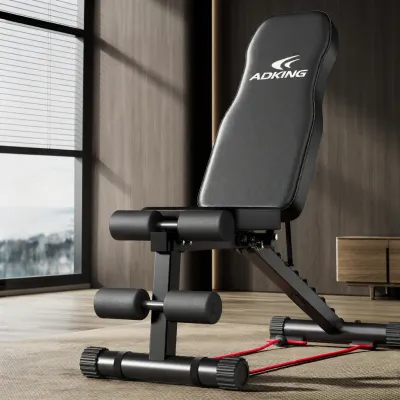
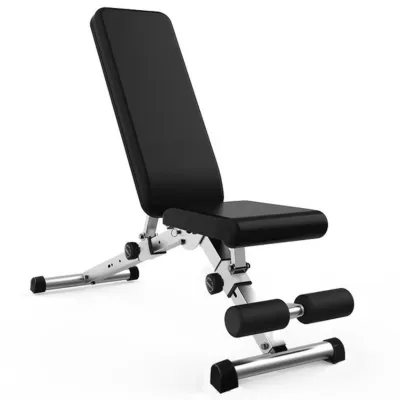
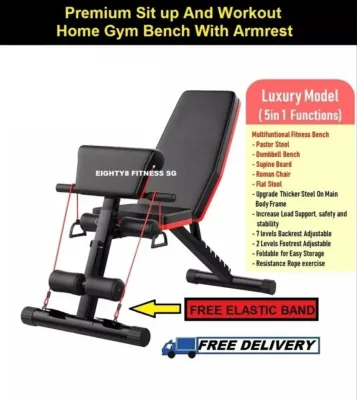
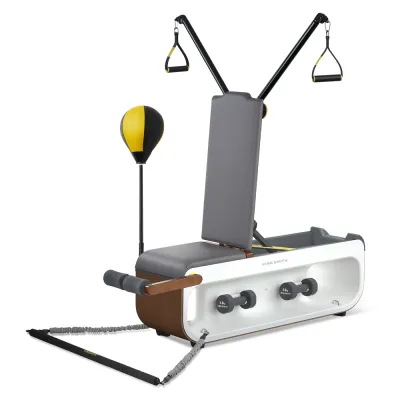
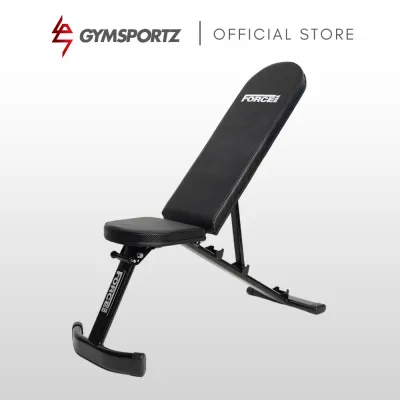
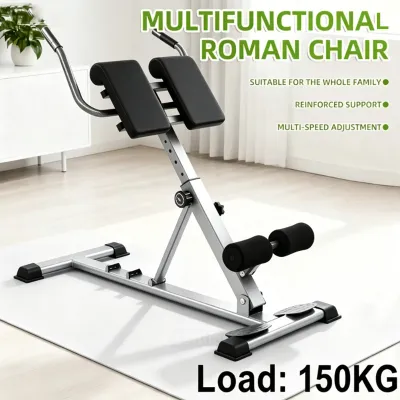
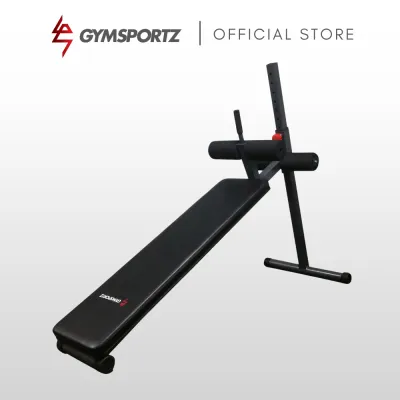
Prices are valid at publication and may change. Please refer to the product page for the latest price.
When measuring your floor area, you must deduct the space required for daily household operations. Map out the swing radius of your bedroom door and built-in wardrobe doors, which typically require a clearance of 80 cm to 90 cm to open fully. Even if you have sliding wardrobe doors, you must ensure the bench does not block access to your clothing. Additionally, account for the drape of window curtains or blinds, which can easily snag on the adjustment knobs or metal frame of a gym bench during use. Always preserve a clear, permanent walkway of at least 60 cm around the perimeter of the room so you do not have to awkwardly climb over equipment during daily life.
Vertical space is another critical boundary in Singapore apartments. Standard HDB ceilings are approximately 2.6 meters high. If you have installed a ceiling fan or low-hanging light fixtures, your usable vertical space drops dramatically. Performing exercises on an inclined bench raises your seated height, bringing your head, hands, and heavy dumbbells much closer to the ceiling. Before purchasing a bench, measure the vertical distance from the floor to the lowest point of your ceiling fan blades to ensure you do not accidentally strike them during overhead movements.
Understanding Gym Bench Dimensions and Operational Footprint
To choose the right equipment, you must distinguish between a bench’s physical dimensions and its operational footprint. As a general reference, standard adjustable benches feature a flat length of 115 cm to 145 cm, a frame width of 30 cm to 50 cm, and a flat height of 40 cm to 48 cm. However, because steel frame designs and upholstery shapes vary widely across brands, you must verify the exact specifications on the manufacturer’s product manual before buying.

The static footprint refers to the floor space the bench occupies when it is sitting idle in a flat position. The operational footprint, by contrast, is the dynamic space the bench requires when fully adjusted and in use. For example, when you adjust the backrest from a flat setting to a high incline, the physical length of the bench on the floor may decrease slightly, but the overall height increases. Conversely, if your bench includes attachment options such as leg developers, preacher curl pads, or foot anchors for decline exercises, these accessories extend the physical length of the frame, expanding the required floor space.
The design of the base frame also plays a major role in both stability and space consumption. Most adjustable benches utilize either a T-base design or a four-leg (H-frame) design. A T-base frame features a single central post at the front and a wider stabilizer bar at the rear. This design takes up less visual space and makes it easier to position your feet during lifts, but you must check the manufacturer’s specifications to ensure the steel is heavy enough to prevent side-to-side wobbling. A four-leg base offers superior structural stability for heavy lifting but has a larger rectangular footprint on the floor, which can present a tripping hazard in tight spaces.
Calculating Clearance for Safe and Effective Workouts
Operating a gym bench adjustable frame in a cramped space without proper safety buffers is a recipe for injury. You are not just placing a static piece of furniture; you are moving dynamic, heavy loads. To calculate the necessary safety perimeter, you must factor in your body’s natural movement patterns and the physical dimensions of the weights you intend to lift.
Side clearance is the most critical safety margin for upper-body training. When performing dumbbell chest presses, chest flies, or seated lateral raises, your arms and the weights extend far beyond the sides of the bench padding. You must maintain at least 60 cm to 75 cm of completely clear space on both the left and right sides of the bench. If you train too close to a wall, wardrobe, or bed frame, a slightly off-balance repetition could cause your dumbbell to strike a hard surface, leading to joint strain, a dropped weight, or trapped fingers.
Head and foot clearance are equally important for mounting and dismounting the equipment. Ensure you have at least 45 cm to 60 cm of open space at both ends of the bench. At the head end, this clearance allows you to safely clean dumbbells from the floor or position yourself for exercises like skull crushers. At the foot end, you need adequate space to sit down, stand up, and step away from the bench safely, especially when your muscles are fatigued after a heavy set.
To finalize your vertical safety margin, map out your maximum limb extension. Sit on your bed or a chair and mimic a fully extended overhead shoulder press while holding a tape measure. Add the height of your dumbbells to this measurement, and compare it against your ceiling and fan height. If the clearance is tight, you must restrict your workouts to flat or moderate incline angles, or perform overhead presses in a standing position away from low-hanging fixtures. To physically verify your safety zone, lie down flat on the floor in your proposed workout spot and stretch your arms and legs fully in all directions; if you touch any furniture or walls, the space is too small for that specific bench placement.
Space-Saving Designs for Compact Living Areas
If your HDB bedroom or corner space is exceptionally tight, prioritizing space-saving engineering can help you maintain a functional home gym without sacrificing your living space. Modern manufacturers offer several innovative design features tailored specifically for compact apartments.
Foldable frames are the most effective solution for multi-purpose rooms. These benches utilize high-tensile steel locking pins or hinge mechanisms that allow the legs and backrest support bars to fold completely flat. Once collapsed, many foldable benches have a profile height of just 15 cm to 20 cm. This slim profile allows you to slide the bench horizontally under a standard bed frame or store it vertically in a closet or behind a door when your workout is finished.
Transport wheels are an essential feature for any bench that needs to be moved regularly. Look for models equipped with two non-marking polyurethane wheels on the rear stabilizer bar. This allows you to simply lift the front handle of the bench and roll it effortlessly from its storage corner to the center of your room, saving you from lifting the full weight of the steel frame before and after your workout.
Other compact features include removable leg hold-down rollers and tapered seat pads. Removable foot rollers are highly practical because they can be detached with a quick-release knob, instantly shortening the bench’s operational length when you are not performing decline exercises. However, while these space-saving features are highly convenient, you must rigorously verify the bench’s structural integrity. Foldable joints introduce potential weak points; always check that the manufacturer’s maximum weight capacity rating (which must include both your body weight and the maximum weight you plan to lift) matches your training needs. Avoid budget models that wobble or use thin-gauge steel pins, as a structural failure during a lift can cause severe injury.
Common Sizing and Placement Mistakes to Avoid
Setting up a home gym in a small HDB flat often involves trade-offs, but making these common sizing and placement mistakes can render your equipment unusable or unsafe.
First, never rely solely on generic marketing terms like “compact,” “apartment-friendly,” or “space-saving.” These labels are subjective and do not guarantee a fit for your specific room layout. Always locate the technical drawing or specification list in the product description to check the exact maximum deployed length, width, and height. Some manufacturers measure the bench at its smallest storage setting, neglecting to mention that the adjustment knobs or stabilizer bars extend several centimeters wider when the bench is fully assembled.
Second, do not ignore the physical thickness and surface area of your protective floor mats. A heavy steel gym bench placed directly on HDB vinyl, laminate, or parquet flooring will cause permanent pressure dents, scratches, and scuffs. To prevent this, you must install high-density rubber tiles or a dedicated equipment mat. These mats typically measure 180 cm by 90 cm or larger, which is wider and longer than the bench base. If you fail to account for the mat’s dimensions during your planning stage, you may find that the protective flooring blocks your bedroom door from closing or overlaps awkwardly with your rug.
Finally, avoid placing your gym bench too close to glass windows, sliding balcony doors, or wall-mounted air conditioning units. In a small bedroom, it is tempting to push the bench against a window to maximize floor space. However, during high-intensity training, a loss of balance or a dropped dumbbell can easily shatter glass panes or damage expensive air conditioning casings. This can result in costly property repairs and severe physical cuts. Always maintain a strict safety buffer of at least 60 cm between your barbell or dumbbells and any fragile household fixtures.
Frequently Asked Questions (FAQ)
Can I use an adjustable gym bench in a rented HDB room?
Yes, you can use an adjustable gym bench in a rented HDB room, but you must take active steps to protect the landlord’s property and maintain good neighborly relations. Review your tenancy agreement to ensure there are no strict prohibitions against heavy fitness equipment. To prevent permanent scratches or indentations on the flooring, always place a high-density, shock-absorbing rubber mat beneath the bench. This matting also helps dampen the vibration and sound of weights clacking, which can easily travel through HDB concrete slabs and disturb downstairs neighbors.
How much weight can a typical foldable gym bench support?
Weight capacity varies significantly depending on the steel gauge, hinge design, and locking pin quality of the specific model. Entry-level foldable benches designed for light fitness may only support a total weight (user body weight plus lifted weights) of 150 kg to 180 kg. Heavy-duty or semi-commercial foldable models constructed from thick 11-gauge or 14-gauge steel can safely support 250 kg to 300 kg or more. Always check the manufacturer’s certified load rating on the product label, and avoid exceeding this limit as your strength progresses.
Do I need a special mat under the gym bench in an HDB bedroom?
Yes, a dedicated protective mat is highly recommended for any home gym setup. Standard HDB flooring materials, such as vinyl tiles, laminate, parquet, or polished tiles, are susceptible to scratching, cracking, and indentation from the heavy steel feet of a gym bench. A high-density interlocking rubber mat or a heavy-duty PVC equipment mat will distribute the weight evenly, protect your floors, prevent the bench from sliding during dynamic movements, and absorb impact noise. Be sure to measure and include the mat’s total dimensions in your room layout calculations before purchasing your bench.
Community discussion
Share your experience or ask a question. Comments are reviewed before publication.