
Finding the right hanging bar for your HDB flat requires balancing your home’s layout, structural limits, and your own physical clearance. Most standard HDB door frames range from 70 to 90 centimeters in width, while ceiling heights typically hover around 2.6 meters. To determine the perfect fit, you must measure your specific doorway width, evaluate your wall composition, and calculate the overhead clearance needed for your head to clear the bar safely. Choosing the wrong size or mounting style can lead to structural damage, unstable installations, or restricted workouts.
Matching Hanging Bar Types to Your HDB Layout
HDB flats feature distinct architectural characteristics, from compact corridors to structural concrete walls, which dictate the type of hanging bar you can safely install. Understanding how each equipment type interacts with your living space is the first step toward a safe home gym setup.
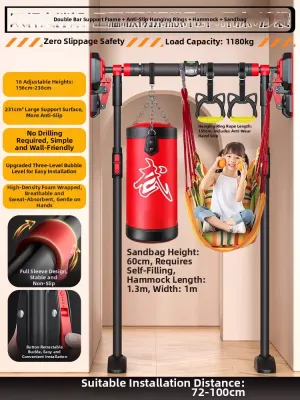
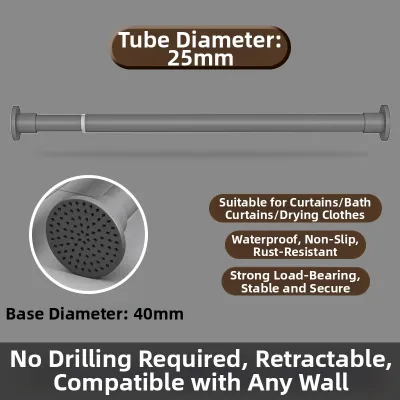
Doorway tension bars are highly popular in Singapore due to their space-saving design. These bars rely on outward pressure or leverage against the door frame, making them ideal for standard bedroom doors or narrow corridors where floor space is at a premium. However, they require a sturdy, deep frame to grip securely, and they limit your workout to the width of the doorway.
Products mentioned in this guide
![[SG Stock]Behind Door Hanging Bar No Drill Stainless Steel Single Bar](https://img.lazcdn.com/g/p/9935982e8fb5632e46f5c74e12b2e46c.jpg_400x400q80.jpg_.webp)

Prices are valid at publication and may change. Please refer to the product page for the latest price.
Wall-mounted and ceiling-mounted bars offer a more permanent and robust solution, making them excellent for dedicated workout corners or living room gyms. Because they are bolted directly into the structure, they provide superior stability for dynamic movements. However, they demand a solid concrete wall or ceiling beam and sufficient overhead clearance, which may be limited in newer BTO flats with lower ceilings.
Freestanding pull-up stations, or power towers, are best suited for spacious living areas or larger master bedrooms. These units require no drilling or frame mounting, preserving your walls and doors entirely. The trade-off is their substantial floor footprint and height; you must ensure your room has both the floor area to prevent tipping and enough vertical clearance to avoid hitting the ceiling during exercises.
Essential Measurements for a Perfect Fit
To avoid purchasing a hanging bar that is unusable or unsafe, you must take precise measurements of your intended workout zone. Do not rely on visual estimates, as even a few millimeters of discrepancy can compromise the stability of your equipment.

When measuring for a doorway tension bar, start by measuring the inner width of the door frame at the exact height where you plan to install the bar. Next, check the depth of the door trim or architrave; leverage-based bars require a frame projection of at least 1 to 2 centimeters to hang securely. Finally, ensure there is enough clear wall space on both sides of the doorway so the bar’s end pads do not press against fragile drywall or light switches.
For wall-mounted and ceiling-mounted options, you must measure the available flat surface area and locate the structural supports. In HDB flats, you should verify if the target wall is solid concrete or a hollow partition. Measure the distance from the ceiling to your planned mounting height to ensure the bar sits low enough for your head to clear the ceiling during a pull-up, typically requiring at least 30 to 50 centimeters of overhead space.
User clearance is the final, crucial calculation. Measure your height with your arms fully extended upward; this represents the minimum vertical space you need to hang freely without your feet dragging on the floor. Additionally, calculate your headroom by measuring the distance from your chin to the top of your head, adding a safety buffer of 10 centimeters to prevent painful ceiling collisions at the peak of your movement.
HDB Structural Rules and Installation Safety
Safety is paramount when installing fitness equipment that supports your full body weight. In Singapore, HDB flats have strict structural guidelines that you must follow to prevent structural damage and ensure your personal safety during workouts.
Before drilling any holes for a wall-mounted bar, consult your official HDB floor plan to identify structural walls, which are indicated by thick black lines. These walls are made of reinforced concrete and can safely support heavy, bolted loads. Non-structural walls, often represented by thin or hatched lines, may consist of lightweight concrete blocks or drywall partitions that cannot bear the dynamic forces of a pull-up workout and may crumble under load.
Always evaluate the weight capacity limits of both the hanging bar and the mounting surface. A standard user weight rating on a product label only accounts for static weight; when you perform a pull-up, the dynamic force exerted on the bar can easily double your actual body weight. Ensure your chosen bar and the wall anchors used are rated to handle these dynamic forces, and always use high-quality masonry bolts rather than standard plastic wall plugs for concrete installations.
Tension-mounted bars carry inherent risks, especially when used on older or weaker wooden door frames common in mature HDB estates. Over time, the intense outward pressure required to keep a tension bar in place can warp, crack, or split wooden frames, leading to sudden failure and falls. If your door frames show signs of aging, rot, or hollow construction, prioritize a wall-mounted bar on a structural concrete wall or opt for a freestanding station.
Common Sizing and Placement Mistakes to Avoid
Many homeowners encounter frustrating setbacks during installation because they overlook minor architectural details. Recognizing these common pitfalls beforehand will save you time, money, and potential home repair bills.
One frequent mistake is ignoring the presence of decorative door frame trim, skirting boards, or architraves. Tension bars require flat, parallel, and rigid surfaces to create a secure grip; installing them over uneven decorative moldings or plastic trims can cause the bar to slip unexpectedly during use. Always clear or bypass these decorative elements to ensure direct contact with the solid frame.
Underestimating your swing radius is another common error, particularly for those planning to perform dynamic movements like kipping pull-ups, leg raises, or chin-ups. A doorway bar restricts your movement to a narrow vertical plane; attempting dynamic exercises in a tight corridor can result in your knees or feet striking the adjacent walls or doors. Ensure you have at least one meter of clear space both in front of and behind the bar.
Finally, avoid purchasing a bar that is too wide for your specific doorway or wall space. If a tension bar is extended to its absolute maximum limit, its structural integrity is significantly reduced, making it prone to bending. Conversely, buying a wall-mounted bar with a mounting plate wider than your available concrete pillar will force you to anchor it into weak partition walls, creating a severe safety hazard.
Frequently Asked Questions (FAQ)
Can I install a hanging bar on an HDB household shelter door?
No, you must never drill into, alter, or mount heavy equipment on an HDB household shelter (bomb shelter) door or its steel frame. The household shelter is a critical safety structure designed to withstand extreme pressure, and any modification, including drilling holes or applying heavy structural loads, violates HDB renovation regulations and compromises its protective integrity. If you wish to exercise near the shelter, use a freestanding pull-up station nearby, or install a non-damaging tension bar on a standard bedroom door frame instead.
Will a doorway hanging bar damage my HDB door frame?
Yes, doorway hanging bars can cause cosmetic or structural damage to HDB door frames if not installed and monitored carefully. Tension-mounted bars exert continuous outward pressure that can dent, warp, or crack wooden frames, while leverage-style bars can leave deep scuffs, dents, or paint chips on the top architrave. To minimize damage, use bars equipped with soft, non-slip rubber padding, regularly inspect the frame for signs of stress, and avoid overtightening the tension mechanism beyond the manufacturer’s specifications.
Community discussion
Share your experience or ask a question. Comments are reviewed before publication.