
Quick Answer: Matching Mini Basketball Sizes to Your Child
Selecting the right mini basketball size is essential for your child’s physical development, safety, and enjoyment of the game. While chronological age provides a helpful starting baseline, physical factors like hand span and grip strength are the true indicators of a proper fit. Introducing a ball that is too large or heavy can lead to poor shooting habits and unnecessary physical strain.
To help you make a quick initial assessment, mini basketballs are generally categorized into three primary sizes:
- Size 1 (Micro/Mini): Best suited for toddlers and preschoolers aged 2 to 4 years.
- Size 3 (Junior): Ideal for early primary school children aged 5 to 8 years.
- Size 5 (Youth): Designed for older children aged 9 to 11 years who are preparing for standard youth play.
Before committing to a specific size, you can perform a quick, observable check if you already have a ball at home. Observe your child as they attempt to hold and control the ball. A proper fit allows them to wrap their fingers comfortably around the seams, maintain control during a basic bounce, and lift the ball without their wrists visibly shaking or bending backward.
Products mentioned in this guide
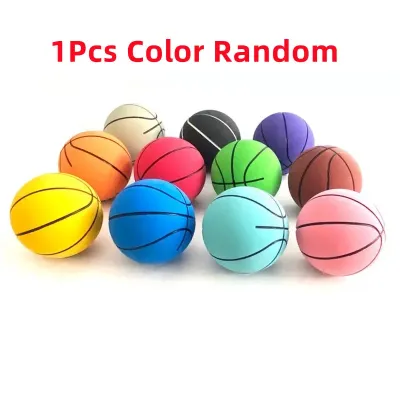
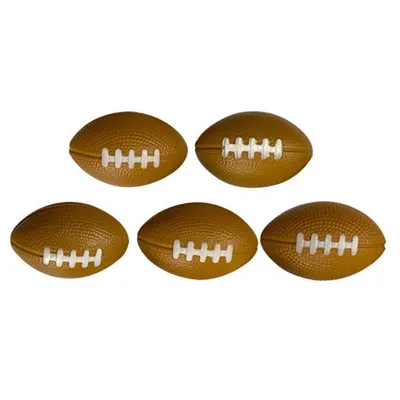
Prices are valid at publication and may change. Please refer to the product page for the latest price.
Understanding the Differences: Size 1, Size 3, and Size 5
Size 1 (Micro)
Size 1 basketballs, often referred to as micro or mini balls, typically measure around 5 inches (13 cm) in diameter. These lightweight balls are specifically engineered for the smallest hands, making them perfect for toddlers who are just discovering how to grasp, roll, and throw objects. At this developmental stage, the primary focus is on building basic hand-eye coordination and fine motor skills rather than structured basketball play. Because of their small scale, they are highly suited for indoor play inside HDB apartments, allowing children to practice tossing them into low-mounted plastic hoops without risking damage to household items.

Size 3 (Junior)
Size 3 basketballs measure approximately 7 inches (18 cm) in diameter and serve as the transitional bridge for early elementary school children. At this stage, children begin to learn the fundamentals of dribbling and shooting with two hands. A size 3 ball is large enough to behave like a standard basketball on the bounce, yet small enough that a child does not have to compromise their physical posture to lift it. Using this size helps young players develop proper two-handed control and prevents them from developing a “shot-put” throwing motion, which commonly occurs when a ball is too heavy.
Size 5 (Youth)
Size 5 basketballs, with a circumference of about 27.5 inches (70 cm), are the standard size used in official primary school sports and youth leagues. This size is designed for children who have developed the wrist strength and hand span necessary to control a heavier ball. It is built to withstand outdoor play on neighborhood community courts and concrete surfaces. Transitioning to a size 5 ball marks the beginning of structured training, where players refine their one-handed release, learn crossover dribbles, and practice passing over longer distances.
Material and Weight Variations
When choosing between these sizes, it is crucial to look beyond the dimensions and consider the material composition. Mini basketballs are commonly made from foam, rubber, or composite leather. Foam balls are incredibly light and quiet, making them the preferred choice for indoor living rooms where noise reduction is a priority. Rubber balls offer excellent durability for outdoor play but can become slippery when exposed to humid tropical weather. Composite leather provides the best grip and feel but is typically reserved for indoor or sheltered courts. Always check the manufacturer’s weight specifications, as a heavy rubber size 3 ball may feel more cumbersome to a young child than a lightweight composite size 5 ball.
How to Test the Fit: A Hands-On Diagnostic for Parents
The Grip Test
To verify if a basketball is the correct size, have your child perform a simple grip test. Ask them to hold the ball with both hands as if they are preparing to make a pass. Observe their fingers; they should spread naturally and comfortably across the seams of the ball without any visible straining or overextension of the finger joints. If their fingers are stretched completely flat or if they cannot make contact with the ball’s texture, the ball is too large. A proper fit allows the child to use the pads of their fingers to control the ball rather than relying solely on their palms.
The Shooting Form Check
Watch your child attempt to shoot the ball toward a low hoop. Pay close attention to their shooting mechanics. If the ball is a suitable size and weight, your child should be able to bring the ball up near their forehead and push it upward and forward using a clean, fluid motion. If you notice them pushing the ball directly from their chest or chin using a two-handed shoving motion, the ball is too heavy. This forced motion can lead to poor muscle memory that is difficult to correct later in their development.
The Dribble Control Test
Have your child attempt to dribble the ball continuously on a flat, hard surface, such as a void deck or a sheltered corridor. Observe how the ball behaves as it returns to their hand. If the ball constantly slips away, bounces unpredictably high, or forces the child to bend excessively at the waist to keep control, the ball is likely too large or poorly inflated. A well-matched ball should return to the palm naturally, allowing the child to push it back down using their wrist and fingers while maintaining an upright, balanced posture.
Important Safety Stop Conditions
While practicing, always prioritize your child’s physical comfort over performance milestones. Immediately halt play and reassess the equipment if your child complains of wrist strain, elbow discomfort, or soreness in their finger joints. Persistent frustration during simple drills is also a strong indicator that the ball is too heavy or large for their current strength level. Pushing through physical discomfort can lead to minor joint strain and may discourage them from enjoying the sport.
Signs It Is Time to Size Up or Down
Indicators the Ball Is Too Large
Children grow at different rates, and their equipment needs to keep pace with their physical changes. You will know a basketball is too large or heavy if your child exhibits a collapsed shooting form, experiences rapid physical fatigue within five minutes of light play, or consistently struggles to complete a single dribble. If they must use their entire body weight just to push the ball toward a low rim, it is time to temporarily size down to a smaller, lighter option to protect their joints and rebuild their confidence.
Indicators the Ball Is Too Small
Conversely, a ball that is too small can hinder skill development once a child outgrows it. If your child can easily palm the ball with one hand during drills that are meant to practice two-handed control, they are no longer getting the physical challenge required to build grip strength. Another clear sign is the development of sloppy habits, such as carrying the ball or dribbling with an unnaturally low posture because the ball does not provide enough resistance. When these signs appear, transitioning to the next size up will help keep them challenged.
Managing the Transition Period
Moving up to a larger or heavier basketball requires an adjustment period for a child’s muscles and coordination. To make this transition smoother, consider temporarily lowering the height of your adjustable practice hoop. Lowering the target reduces the amount of force they need to exert, allowing them to focus entirely on adapting their grip and hand placement to the larger ball. As their strength and comfort level increase over several weeks, you can gradually raise the hoop back to its standard height.
Frequently Asked Questions (FAQ)
Can a child use a size 5 basketball if they are tall for their age?
Overall height should not be the sole deciding factor when choosing a basketball size. Even if a child is tall for their age, their hand span, finger length, and wrist strength may still match their chronological age bracket. Prioritize hand size and grip comfort over height to ensure they can control the ball properly and avoid developing poor shooting habits.
Does the material of the mini basketball affect the recommended size?
Yes, the material significantly influences how heavy and manageable a basketball feels. A solid rubber ball is typically heavier and stiffer, which can make it feel larger and harder to control for a young child. In contrast, a foam or high-quality composite leather ball of the exact same size will feel lighter and offer a more forgiving grip.
What is the appropriate hoop height for practicing with mini basketballs?
For toddlers using a size 1 ball, keep the hoop low, around 3 to 5 feet (0.9 to 1.5 meters). For children using a size 3 ball, a hoop height of 6 to 8 feet (1.8 to 2.4 meters) is ideal. Lowering the hoop encourages proper shooting mechanics rather than forcing children to heave the ball. Always consult local youth sports guidelines for specific age-appropriate height recommendations.
Community discussion
Share your experience or ask a question. Comments are reviewed before publication.