
Staying hydrated during intense workouts in Singapore’s tropical climate requires a reliable, high-capacity water bottle. A 1.5L stainless steel water bottle provides the ideal volume to sustain you through long gym sessions, outdoor runs, or court sports without the constant need to find a water dispenser. However, choosing the right bottle involves more than simply picking the largest size on the shelf. Because a 1.5L bottle is heavy when full and subject to demanding physical environments, you must carefully evaluate its insulation capabilities, lid design, material durability, and ease of transport. By focusing on these core performance factors, you can select a hydration companion that keeps your water ice-cold, resists leaks in your gym bag, and withstands the inevitable drops on hard fitness center floors.
Core Features to Evaluate for Active Use
To find a bottle that truly supports your fitness routine, you must look beyond basic aesthetics and examine the structural engineering of the vessel. The primary feature to verify is double-wall vacuum insulation. In Singapore’s high humidity and warm temperatures, a single-wall bottle will sweat profusely, leaving puddles on gym equipment and warming your water within minutes. Double-wall insulation creates a vacuum gap between two layers of stainless steel, preventing heat transfer and keeping condensation from forming on the exterior. When evaluating a bottle, check the manufacturer’s specifications to ensure it features true vacuum insulation rather than just double-wall construction, as a physical vacuum is necessary to block thermal conduction.
Durability is another critical factor for active environments. Gym floors are typically made of hard rubber, concrete, or wood, and a full 1.5L bottle carries significant weight, making drops highly impactful. Look for bottles constructed from high-quality, food-grade 18/8 or 304 stainless steel. This material composition—containing 18% chromium and 8% nickel—provides excellent resistance to rust, corrosion, and structural dents. A robust steel body ensures that even if the bottle slips from your hands during a heavy set, it will resist puncturing or cracking, preserving the vacuum seal that keeps your drinks cold.
Products mentioned in this guide
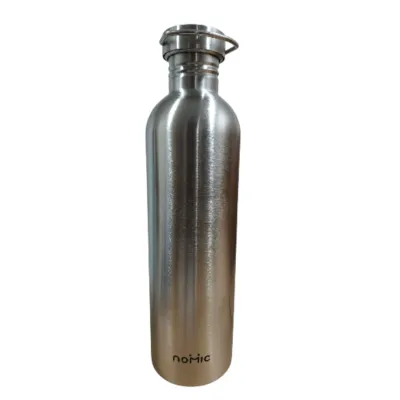
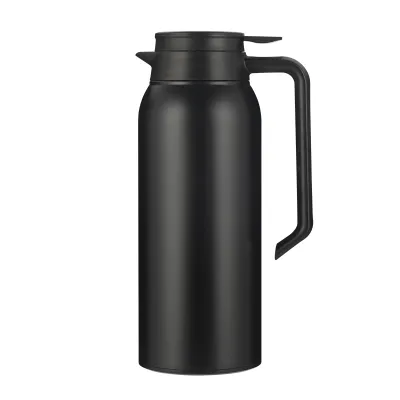
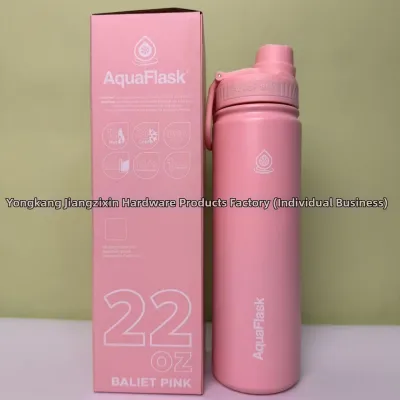
Prices are valid at publication and may change. Please refer to the product page for the latest price.
Portability and handling require careful consideration due to the physical dimensions of a 1.5L bottle. These vessels are naturally wider and heavier than standard 500ml or 750ml bottles, often measuring between 9 to 11 centimeters in diameter. Before purchasing, measure the bottle’s base and compare it to your carrying setup. If you plan to use gym bag side pockets or external straps, verify that they can accommodate this wider profile. Additionally, look for bottles that feature an ergonomic grip, such as a textured powder-coated exterior or an integrated silicone sleeve. This texture is vital when your hands are sweaty, covered in lifting chalk, or wet from outdoor humidity, preventing accidental slips during your workout.
Finally, leak prevention is non-negotiable when carrying a large bottle alongside expensive electronics, lifting straps, and clean clothes. A reliable sports bottle must feature a robust sealing mechanism. Look for lids equipped with thick, food-grade silicone gaskets that sit deeply within the threads. The locking mechanism should be secure, preferably with a secondary latch or a deep screw thread that prevents the lid from popping open if the bottle is jostled inside a crowded gym bag. Testing the seal by filling the bottle and turning it upside down before your first trip to the gym is an excellent way to verify its integrity.
Matching Lid and Spout Designs to Your Training Style
The drinking interface of your water bottle directly impacts how easily you can hydrate during different types of exercise. There is no single lid design that suits every workout, so you should match the spout style to your specific training activities. Wide-mouth caps are highly favored by strength athletes and those who use powdered supplements. A wide opening, typically around 5 to 6 centimeters in diameter, allows you to easily scoop pre-workout, BCAAs, or protein powders directly into the bottle without spilling. It also makes it simple to load large ice cubes from home or quickly refill the bottle at standard gym water coolers. However, drinking from a wide mouth while moving can easily lead to spills, making it less suitable for active cardio sessions.

For high-intensity cardio, treadmill running, or cycling, a straw lid or a specialized narrow spout is often the most practical choice. Straw lids allow you to drink without tilting your head back, keeping your eyes on the track or the console in front of you. This design is particularly useful for maintaining balance and focus during intense efforts. Specialized narrow spouts, often featuring a flip-top or push-button mechanism, offer a high flow rate while keeping the stream controlled. When selecting a straw or spout lid, ensure the mechanism can be operated with one hand, allowing you to take a quick sip without interrupting your stride or dropping your weights.
If your workouts involve dynamic movements where the bottle will be tossed onto turf, stored horizontally in a locker, or carried in a backpack, a secure screw-top lid is the safest option. Screw-top lids provide a mechanical seal that is highly resistant to pressure changes and physical impacts. While they require two hands to open and close, they offer excellent leak protection. Many fitness enthusiasts choose to use a multi-lid system, utilizing a secure screw-top for transit and swapping it for a sports cap or straw lid once they arrive at the gym floor.
When evaluating lid designs, also consider the carrying handle. A 1.5L bottle filled with water weighs approximately 1.5 kilograms, excluding the weight of the steel itself. Carrying this weight by a flimsy plastic loop can lead to hand fatigue or premature breakage. Look for heavy-duty, integrated carry loops made of flexible TPU, reinforced nylon, or solid stainless steel. A wide, comfortable handle allows you to carry the bottle with multiple fingers, reducing strain as you move between different workout stations.
Verifying Insulation Claims and Material Grades
With numerous brands claiming exceptional temperature retention, it is essential to know how to verify these claims and understand what they mean for your daily workouts. Manufacturers often advertise that their bottles can keep liquids cold for 24 hours or hot for 12 hours. It is important to recognize that these metrics are established in controlled laboratory environments, typically starting with water near freezing temperature and keeping the bottle sealed in a temperate room. In real-world conditions, such as an outdoor workout in Singapore’s humid climate, the actual cold retention will depend on how often you open the bottle, the initial temperature of the water, and the volume of ice you add. To maximize performance, look for bottles that specify double-wall vacuum insulation rather than simple double-wall insulation, as the vacuum layer is the key barrier against heat transfer.
The quality of the materials used in the bottle’s construction directly affects both your health and the longevity of the product. Ensure that the inner wall of the bottle—the surface that comes into direct contact with your water—is made of food-grade 18/8 (304) stainless steel. Lower-quality steels can sometimes impart a metallic taste to your water, especially when left in a warm environment. The outer wall finish is equally important; a high-quality powder coating offers distinct advantages over standard paint. Powder coating is applied electrostatically and cured under heat, creating a tough, textured finish that resists scratching, chipping, and sweat-induced slipping. This finish also prevents the bottle from feeling uncomfortably cold to the touch when filled with ice water.
Do not overlook the plastic and silicone components of the lid assembly. Since these parts are constantly exposed to moisture, they must be made from safe, stable materials. Look for clear labeling indicating that all plastic components are BPA-free and phthalate-free. Bisphenol A (BPA) and phthalates are chemical compounds used in some plastics that can leach into liquids, particularly when exposed to heat or wear. High-quality sports bottles utilize food-grade silicone for their gaskets and seals, which remains flexible and effective over years of use without degrading or releasing harmful chemicals.
To verify these material standards before purchasing, look for certifications from recognized testing bodies or detailed material specifications on the product packaging. If a manufacturer does not explicitly state the grade of stainless steel or the BPA-free status of the plastic, it is advisable to look for an alternative. Investing in a bottle with verified material grades ensures that your hydration remains clean, safe, and free from unwanted chemical tastes.
Care, Cleaning, and Odor Prevention
Maintaining a 1.5L stainless steel water bottle is crucial for preventing the buildup of bacteria, mold, and unpleasant odors, especially if you use it for sports drinks or supplement mixes. Because of their large capacity and deep interiors, these bottles require dedicated cleaning routines. A simple daily rinse is not enough to keep the bottle hygienic. After every workout, empty any remaining liquid, rinse the bottle with warm water, and wash it with mild dish soap. Use a long-handled bottle brush with soft nylon bristles to reach the bottom and scrub the inner walls thoroughly. Always allow the bottle to air-dry completely in an upside-down position on a drying rack, leaving the lid off to prevent moisture from trapping inside and encouraging mold growth.
If you regularly mix protein powders, pre-workouts, or electrolyte formulas in your bottle, you may eventually notice a lingering odor or stubborn residue. To deep-clean the interior without damaging the stainless steel, avoid using harsh chemicals like bleach or chlorine, which can corrode the protective chromium oxide layer of the steel. Instead, use a mixture of baking soda and warm water. Add two tablespoons of baking soda to the bottle, fill it with warm water, and let it soak for several hours or overnight. For particularly stubborn odors, a mixture of white vinegar and water can also be highly effective. After soaking, scrub the interior thoroughly with your bottle brush and rinse it multiple times with clean water.
The lid, spout, and silicone gaskets are the most common areas for bacteria and mold to accumulate, as they contain small crevices and threads that trap moisture. To clean these parts effectively, disassemble the lid completely. Carefully remove the silicone gaskets using a blunt tool, taking care not to tear the rubber. Wash the gaskets, straw, and lid components individually in warm, soapy water, using a small detail brush or pipe cleaner to clean inside the straw and spout. Inspect the silicone gaskets regularly for signs of wear, cracking, or mold that cannot be washed away. Replacing these gaskets periodically is essential for maintaining the bottle’s leak-proof seal and ensuring your water remains fresh and clean.
Frequently Asked Questions (FAQ)
Will a 1.5L bottle fit in standard gym equipment cup holders?
Generally, a 1.5L stainless steel water bottle will not fit in standard cup holders found on treadmills, stationary bikes, or weight machines. These cup holders are typically designed for standard 500ml to 750ml bottles, which have a diameter of around 7 to 8 centimeters, whereas a 1.5L bottle usually exceeds 9 centimeters in width. To manage this on the gym floor, place your bottle on a flat, stable surface nearby, such as the floor adjacent to your machine, ensuring it does not block walkways or create a tripping hazard. Alternatively, look for gym bags equipped with adjustable external straps or dedicated utility loops that allow you to secure the bottle safely during transit.
Can I put hot beverages in a sports-focused insulated bottle?
While the double-wall vacuum insulation of a stainless steel bottle can safely retain heat, you should avoid using sports-focused lids—such as straw lids, flip-tops, or push-button spouts—with hot liquids. Hot beverages can create steam and pressure buildup inside the sealed bottle, which can cause hot liquid to spray out unexpectedly when you open the spout, posing a significant burn risk. Additionally, drinking hot liquids through a straw can easily scald your mouth. If you need to carry a warm beverage for post-workout recovery, swap the sports lid for a standard, vented screw-top lid, and always pour the liquid into a cup rather than drinking directly from the bottle.
How do I remove lingering protein shake smells from stainless steel?
To eliminate stubborn protein shake odors from your stainless steel bottle, create a paste using baking soda and a small amount of warm water, then apply it to the interior walls and let it sit for an hour before scrubbing. Alternatively, fill the bottle with warm water, add a quarter cup of white vinegar, and let it soak overnight. The natural deodorizing properties of baking soda and vinegar will neutralize the organic compounds causing the smell without harming the steel. Be sure to also soak the silicone gaskets and lid threads in a similar solution, as these porous materials are often the primary source of lingering odors.
Community discussion
Share your experience or ask a question. Comments are reviewed before publication.