
When selecting a 25cm yoga ball for muscle recovery and myofascial release, the right choice depends on three critical factors: material density, surface texture, and structural safety. Often referred to as a mini exercise ball or Pilates ball, this specific 25cm size bridges the gap between large, full-body stability balls and small, high-intensity massage tools. By understanding how to evaluate these physical characteristics, you can select a tool that safely and effectively relieves muscle tension.
Using a 25cm ball allows you to customize your recovery routines by adjusting the inflation level. This flexibility makes it highly versatile for targeting deep tissue layers without the sharp, localized pain often caused by smaller, harder massage balls. Whether you are addressing lower back stiffness, neck tension, or tight glutes, selecting the correct ball ensures your recovery sessions are both therapeutic and safe.
The Role of a 25cm Ball in Targeted Muscle Recovery
The 25cm diameter is uniquely suited for myofascial release because of how it distributes body weight. Unlike a standard 65cm stability ball, which is designed for core conditioning and balance training, a 25cm ball is small enough to target specific muscle groups. At the same time, it is significantly larger than a lacrosse ball or a dedicated trigger-point ball, allowing for a more gradual distribution of pressure across sensitive tissues.
Products mentioned in this guide
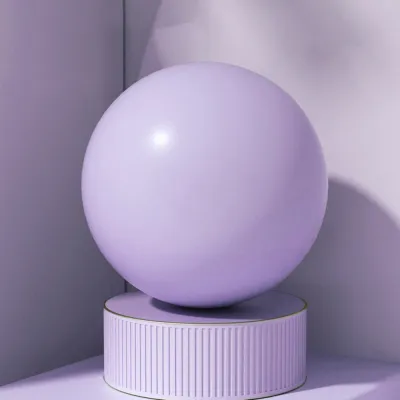
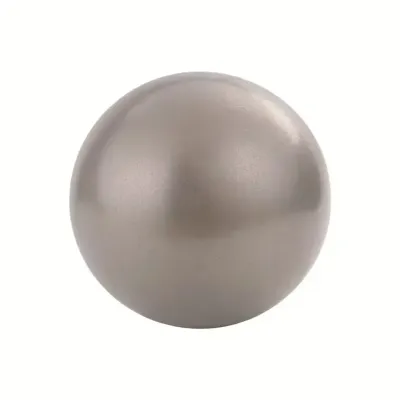
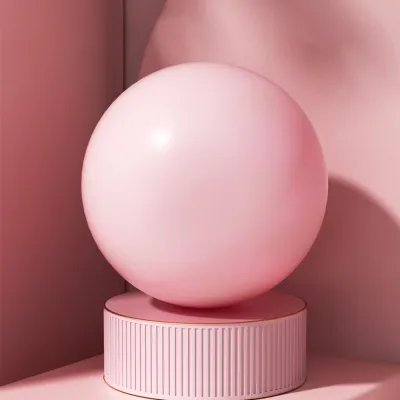
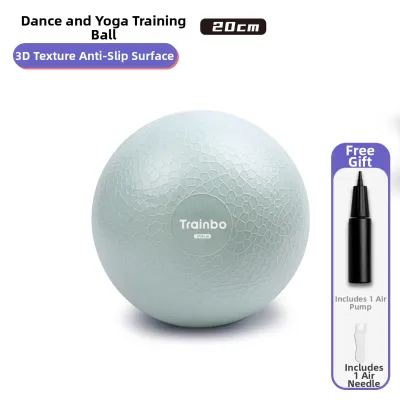
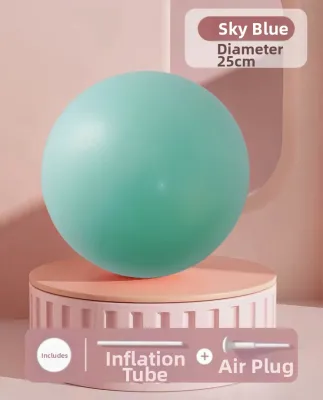
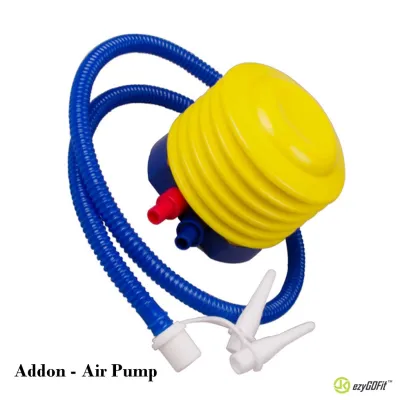
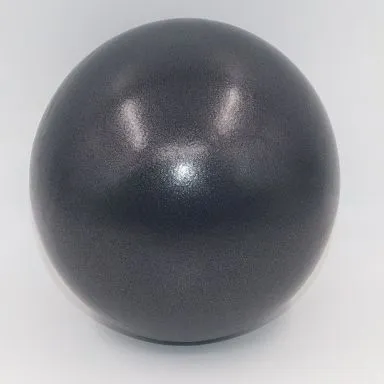
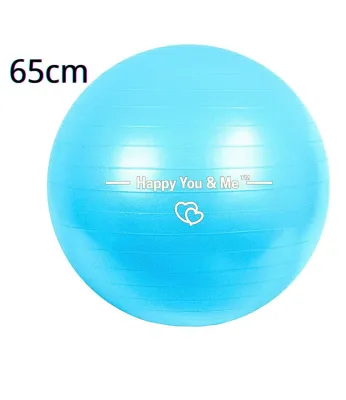
Prices are valid at publication and may change. Please refer to the product page for the latest price.
This size is particularly effective for supporting the natural curves of the body during recovery exercises. When placed under the lower back, a partially deflated 25cm ball provides gentle lumbar support and traction, allowing the surrounding muscles to relax without spinal hyperextension. For the thoracic spine, lying over the ball helps open up the chest and shoulders, counteracting the forward-slumping posture common among desk workers.
In the neck region, a 25cm ball can be positioned under the base of the skull to perform gentle suboccipital releases. Because the ball is air-filled, it cradles the head and neck, offering a supportive surface that conforms to your anatomy. This is a major advantage over hard foam rollers or massage balls, which can apply excessive, rigid pressure to the delicate cervical spine.
Choosing a 25cm ball over other recovery tools is highly beneficial when you need to work on larger muscle complexes, such as the glutes, hamstrings, or calves. A foam roller only allows for linear, back-and-forth movement, which can miss diagonal fascial restrictions. A 25cm ball allows for multi-directional rolling, pivoting, and circular movements, providing a more comprehensive mobilization of the fascia.
Evaluating Material Density and Firmness for Deep Tissue
The effectiveness of a 25cm recovery ball depends heavily on its material density and overall firmness. Most mini yoga balls are manufactured from polyvinyl chloride (PVC) or thermoplastic elastomers (TPE). However, the thickness of the ball’s walls determines whether it will support your body weight or simply collapse flat during use.

When evaluating products, look for high-density, thick-walled specifications. Professional-grade recovery balls are designed to maintain their structural shape even when subjected to significant partial body weight. Standard, low-cost promotional balls are often made of thin, stretchy PVC that deforms too easily, rendering them less effective for deep tissue work.
You can match the ball’s firmness to your personal recovery needs and pain tolerance by adjusting the inflation level. A fully inflated ball provides a firm, high-intensity surface that is excellent for targeting deep gluteal muscles or tight hamstrings. Conversely, under-inflating the ball to roughly 70% to 80% of its capacity creates a softer, more forgiving surface that is ideal for sensitive areas like the neck or lower back.
It is crucial to recognize the warning signs of an excessively hard material. If a ball has no give and feels like solid plastic, it can compress superficial nerves and blood vessels, leading to bruising or localized irritation. If you experience sharp, radiating pain, numbness, or a tingling sensation during a recovery session, the material is too firm or the ball is over-inflated, and you should reduce the pressure immediately.
Choosing the Right Surface Texture for Myofascial Release
The surface texture of a 25cm yoga ball directly influences how it interacts with your skin, clothing, and the floor. Smooth-surfaced balls are excellent for broad, sliding myofascial release and gentle rolling. They allow for seamless transitions and are highly comfortable against bare skin, minimizing the risk of friction burns or skin pinching.
However, smooth balls can easily slip out from under you, especially when used on polished wooden floors or tiled surfaces. To prevent this, many recovery balls feature a matte, non-slip finish or a lightly ribbed texture. These ribs provide essential grip, keeping the ball securely in place during precise, targeted movements.
For more intense myofascial work, some 25cm balls are designed with textured grids, bumps, or nodules. These raised patterns act like miniature massage fingers, penetrating the superficial fascia to stimulate local blood flow and target stubborn trigger points. While highly effective, these aggressive textures may be uncomfortable for individuals with sensitive skin or superficial tissue tenderness.
When shopping online, closely examine product descriptions and user-submitted images to evaluate the quality of the texture. Look for rounded, well-blended edges on any nodules or ribs. Poorly manufactured balls often have sharp molding seams or stiff, hard plastic spikes that can scratch the skin or cause painful pressure points during use.
Structural Quality and Safety Checks Before You Buy
Prioritizing structural quality and safety is essential when purchasing any inflatable recovery tool. Because you will be resting a portion of your body weight on the ball, it must be rated to withstand sudden pressure changes without bursting. Always verify the manufacturer’s stated weight limits and load-bearing capacity before making a purchase.
Look specifically for “anti-burst” or “burst-resistant” ratings on the product packaging or specifications. An anti-burst ball is designed to deflate slowly and safely if punctured by a sharp object, rather than popping suddenly like a balloon. A high-quality 25cm recovery ball should easily support a static load of at least 100kg to 150kg.
Inspect the physical construction of the ball, paying close attention to the inflation valve and the surrounding seams. The valve should insert fully and sit flush with the ball’s surface to prevent it from scratching your skin or catching on your clothing. Additionally, avoid balls that emit a strong, pungent chemical odor, as this often indicates the use of low-grade plasticizers that can degrade rapidly over time.
Establish clear safety boundaries for your recovery sessions. Stop using the ball immediately if you notice uneven stretching, bulging on one side, or micro-tears near the inflation valve. Furthermore, ensure you only use the ball on clean, flat surfaces free of debris, and never exceed the manufacturer’s recommended inflation diameter, as over-inflation compromises the material’s structural integrity.
Building a Condition-Based Shortlist for Your Needs
To find the ideal 25cm recovery ball, you can translate these evaluation criteria into a practical, step-by-step filtering process. Begin by identifying your primary recovery goals and matching them to the appropriate material density and surface texture. This ensures you do not waste time on products that are either too soft or too aggressive for your body.
For Beginners and Sensitive Areas
- Material: Standard-density, highly pliable PVC.
- Texture: Smooth or lightly ribbed for basic grip.
- Inflation: Under-inflated (70% to 80%) to provide a soft, supportive cushion.
- Primary Use: Neck release, gentle lumbar support, and chest opening.
For Intermediate Users and Deep Tissue Work
- Material: High-density, thick-walled PVC or TPE.
- Texture: Matte, non-slip surface or defined ribs.
- Inflation: Moderately to fully inflated for deep pressure.
- Primary Use: Glute release, hamstring rolling, and calf mobilization.
For Advanced Trigger-Point Therapy
- Material: Heavy-duty, deformation-resistant materials.
- Texture: Raised nodules, grids, or studded patterns.
- Inflation: Fully inflated to maximize the penetration of the texture.
- Primary Use: Targeted myofascial release and localized knot therapy.
When purchasing online, prioritize retailers that offer clear return or exchange policies. Because the physical feel and firmness of a recovery ball are highly subjective, having the option to test the ball’s comfort at home is invaluable. If the material feels too rigid or fails to hold air properly during your initial setup, a flexible return policy allows you to exchange it without hassle.
Finally, analyze customer reviews on online marketplaces with a focus on long-term durability. Search for feedback regarding shape retention, material degradation, and texture wear. In warm, humid climates like Singapore, low-quality plastics can quickly become sticky or lose their elasticity, so look for reviews that confirm the ball remains durable and non-sticky over months of regular use.
Frequently Asked Questions (FAQ)
Is a 25cm yoga ball suitable for deep tissue massage?
Yes, a 25cm yoga ball is highly suitable for deep tissue massage, but its effectiveness depends on the target area and your technique. Because of its 25cm diameter, the ball distributes your body weight over a moderate surface area, making it excellent for broad deep-tissue release in larger muscle groups like the glutes, hamstrings, and upper back. It allows you to apply firm pressure without the sharp, localized discomfort associated with smaller massage tools.
However, if you are trying to target highly localized, deep muscle knots or trigger points—such as those deep within the piriformis or under the shoulder blade—a smaller, firmer tool like a lacrosse ball or a dedicated trigger-point ball will be more effective. The larger surface area of the 25cm ball prevents it from penetrating deeply into very small, isolated areas. Additionally, if you experience sharp, radiating pain, numbness, or joint instability during self-massage, you should pause immediately and consult a physical therapist or qualified medical professional.
How should I clean and store a textured recovery ball?
To maintain the hygiene and structural integrity of your textured recovery ball, clean it regularly using a soft cloth dampened with warm water and a few drops of mild, unscented dish soap. Avoid using harsh chemical solvents, alcohol-based sanitizing wipes, or abrasive scrubbing pads, as these can degrade the PVC or TPE material, causing it to become sticky, brittle, or prone to cracking. Pay close attention to the textured grooves and ribs where sweat, skin oils, and dust tend to accumulate.
After washing, wipe the ball down with a dry towel and allow it to air dry completely in a shaded, well-ventilated indoor area before storing or using it again. For storage, keep the ball in a cool, dry place away from direct sunlight, as prolonged UV exposure can break down the material and cause discoloration or loss of elasticity. Avoid storing the ball under heavy objects or in tight spaces where it will be subjected to constant compression, as this can lead to permanent flat spots and uneven deformation.
Community discussion
Share your experience or ask a question. Comments are reviewed before publication.