
Selecting the right back spine stretcher is a crucial first step for any Pilates beginner looking to improve spinal mobility, relieve tension, and support core alignment at home. Unlike advanced practitioners who have developed deep core stability and spinal flexibility, beginners require equipment that offers a balance of gentle support, structural stability, and forgiving materials. The ideal spine stretcher should match your current physical limits, fit comfortably within your living space, and withstand the demands of regular practice without causing discomfort or injury.
In a warm and humid climate, material selection becomes just as important as structural design, as sweat resistance and ease of cleaning directly impact the longevity of your gear. Furthermore, because home workouts often take place on tiled or vinyl flooring in compact apartments, finding a stretcher with a reliable non-slip base is essential for maintaining safety during dynamic movements. By focusing on key elements such as curvature height, material density, and adjustability, you can confidently choose a tool that enhances your Pilates journey safely and effectively.
Identifying the Right Type of Back Spine Stretcher
Before purchasing a back spine stretcher, it is essential to understand that not all spinal support tools are designed for the same exercises or skill levels. In the realm of Pilates and home fitness, these devices generally fall into three distinct categories: soft foam spine correctors, rigid plastic traction boards, and specialized wooden Pilates barrels. Each type serves a different primary function, and selecting the wrong one can lead to an ineffective workout or physical strain.
Products mentioned in this guide
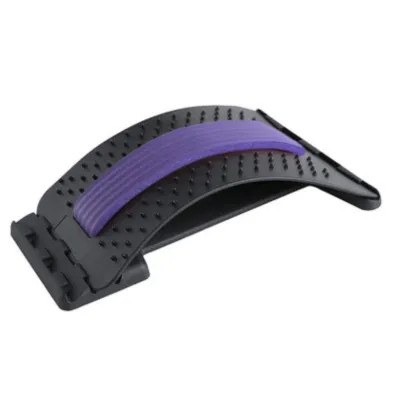
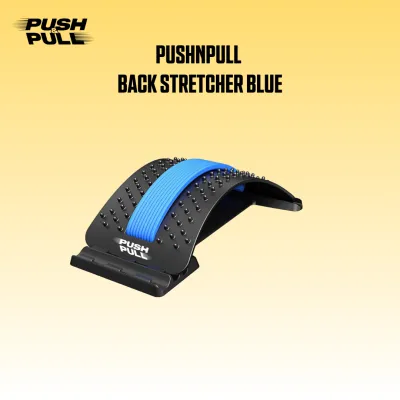
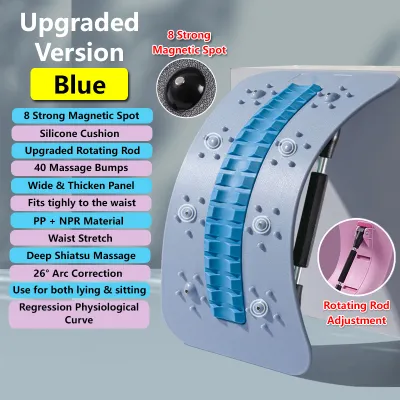
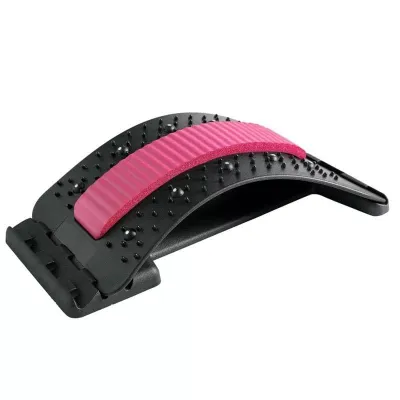
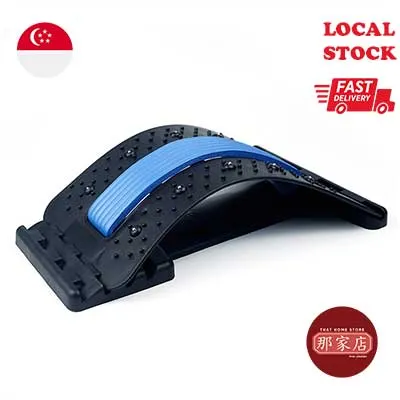
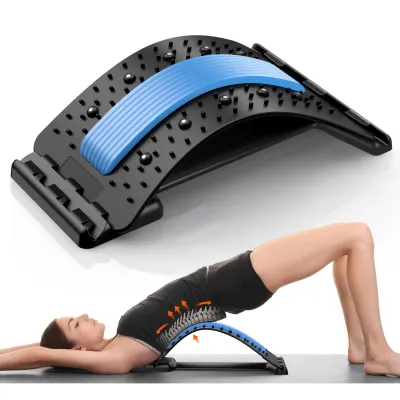
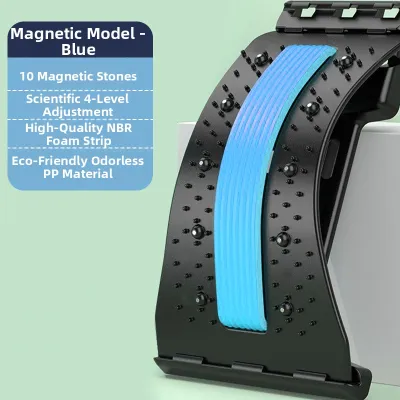
Prices are valid at publication and may change. Please refer to the product page for the latest price.
Soft foam spine correctors, typically constructed from high-density expanded foam, are highly recommended for Pilates beginners. These devices feature a step-and-curve design that mimics the classic Pilates spine corrector used in professional studios. The gentle, sloping curve supports the entire length of the spine, while the step portion provides a stable seat or anchor point for your hips. This structure allows beginners to perform foundational Pilates movements—such as supported roll-downs, chest openers, and gentle lateral flexion—with a high degree of comfort and safety. The forgiving nature of the foam absorbs impact and conforms slightly to your body shape, reducing direct pressure on the spinous processes.
In contrast, rigid plastic traction boards are designed primarily for passive lumbar traction rather than dynamic Pilates exercises. These devices usually consist of a flat base and a flexible plastic arch that can be adjusted to different heights. While they are excellent for passive stretching and decompression while lying still, they lack the lateral stability and surface area required for active Pilates movements. Attempting dynamic exercises, such as side bends or abdominal curls, on a narrow plastic traction board can cause the device to tip or slide, risking injury.
Specialized Pilates barrels, including ladder barrels and step barrels made of wood and heavy upholstery, represent the traditional studio standard. While incredibly durable and versatile, these barrels are often too bulky and heavy for typical home use, and they require a higher level of core control to use safely. For a beginner practicing at home, a lightweight, high-density foam spine corrector offers the most practical, safe, and versatile entry point into spinal extension work.
Essential Design Features for Beginners
When evaluating a back spine stretcher, the physical dimensions and structural design elements will directly determine whether the equipment supports your body or forces it into unsafe positions. The first and most critical design feature to assess is the curvature and arch height of the device. Beginners often possess limited spinal extension, meaning a steep, high arch will force the lower back into hyperextension, pinching the facet joints and straining the surrounding muscles. Look for a stretcher with a low-profile, gradual curve that allows your spine to drape naturally over the surface without creating a sensation of pinching or sharp tension in the lower back.

Another indispensable feature is a reliable non-slip base. During Pilates routines, you will transition between sitting, lying, and tilting on the stretcher. If the device slides even a few centimeters on your living room floor, it can disrupt your alignment and cause sudden muscle guarding or falls. If you are practicing on smooth surfaces common in local homes, such as polished ceramic tiles, vinyl, or engineered wood, look for stretchers equipped with rubberized grip pads on the underside. Alternatively, some models feature integrated slots or straps that allow you to secure the stretcher directly to a heavy-duty yoga mat, ensuring it remains anchored throughout your session.
The surface texture and edge finishing also play a significant role in your overall comfort and safety. Examine the edges of the stretcher; they should be smoothly rounded and tapered to prevent them from digging into your shoulder blades, sacrum, or ribs during lateral movements. The surface texture should offer sufficient grip to prevent your clothing from sliding around, yet remain smooth enough to avoid skin abrasion. Avoid products with sharp plastic seams, aggressive massage nodes, or unpadded ridges along the center, as these can cause bruising and discomfort along the sensitive spinous processes of your backbone.
Material Selection and Durability Checks
The materials used to construct a back spine stretcher affect not only its comfort and support but also its hygiene and long-term durability. For beginners, high-density EVA (Ethylene-Vinyl Acetate) foam or EPP (Expanded Polypropylene) foam represents the gold standard. These materials strike an ideal balance between structural rigidity and surface cushioning. High-density foam does not collapse under your body weight, ensuring that the therapeutic arch of the stretcher is maintained, yet it provides enough give to cushion your vertebrae. Rigid plastic alternatives, while highly durable, often require a thick, high-quality central foam pad to protect the spine from direct contact with the hard plastic frame.
In a humid environment, hygiene and maintenance are paramount. During an active Pilates session, sweat will inevitably transfer onto the equipment. If the stretcher is made of cheap, open-cell foam, it will act like a sponge, absorbing sweat, oils, and bacteria, which quickly leads to unpleasant odors and material degradation. To prevent this, ensure the stretcher is made of closed-cell, non-porous materials. These surfaces are naturally water-resistant, preventing moisture from penetrating the core of the device. A high-quality closed-cell foam stretcher can be easily wiped clean with a damp cloth and a mild, non-abrasive soap after every workout, keeping your gear hygienic and fresh.
Durability also hinges on structural integrity, which is directly tied to the manufacturer’s rated weight capacity. Before making a purchase, always verify the weight limit specified on the product label or documentation. A reliable spine stretcher designed for adult use should comfortably support your full body weight, typically rating between 100kg and 150kg. Flimsy, unbranded products sourced from generic online marketplaces often omit these ratings or use low-grade plastics that can crack or collapse under load. Investing in a structurally sound, certified product prevents sudden structural failure, protecting you from unexpected falls during your practice.
Sizing, Adjustability, and Body Alignment
Achieving proper anatomical alignment is the cornerstone of Pilates, and this requires a spine stretcher that matches your unique body proportions. A common mistake among beginners is using a stretcher that is either too short or too narrow for their frame. To prevent joint and muscle strain, the stretcher must be long enough to support the specific spinal segments you are targeting. For exercises where your entire back lies over the curve, the device should ideally support your head, thoracic spine, and sacrum simultaneously. If your head hangs off the edge unsupported, it places immense strain on the cervical spine and neck muscles, leading to tension headaches and neck pain.
To accommodate different body sizes and varying levels of flexibility, look for stretchers that offer adjustability or modular designs. Some foam spine correctors come with removable wedges or inserts that allow you to alter the slope and height of the arch. Similarly, adjustable plastic stretchers feature multiple slots to change the arch height. As a beginner, you should always start at the lowest, most gentle setting—typically providing around 5 to 7 centimeters of vertical lift. As your core strength and spinal mobility improve over weeks of consistent practice, you can gradually increase the height or remove supportive inserts to deepen the stretch.
To test the physical fit of a stretcher, you can use basic anatomical landmarks. When positioned correctly on the device, your tailbone (sacrum) should rest flat against the floor or the designated starting step of the stretcher. The apex of the arch should align with your mid-back (thoracic region) rather than forcing your lower back (lumbar region) into an extreme, unsupported bend. Your shoulders should be free to drape over the sides without feeling pinched, and your neck should remain long and relaxed, with your chin slightly tucked. If you feel your neck hyperextending or your lower back pinching, the stretcher’s dimensions are not a correct match for your current alignment.
Pre-Purchase Evaluation and Safety Checklist
To help you narrow down your options and make a safe, informed decision, use this pre-purchase checklist to evaluate any back spine stretcher before adding it to your home gym:
- Material Quality: Verify the device is made of high-density, closed-cell EVA or EPP foam, or features a robust, padded plastic frame.
- Non-Slip Features: Confirm the presence of rubberized grip pads, a textured base, or mat-attachment straps to prevent sliding on smooth floors.
- Gentle Curvature: Choose a model with a low-profile, gradual arch or adjustable height settings starting at a beginner-friendly level.
- Weight Capacity: Ensure the manufacturer explicitly states a weight limit that safely exceeds your body weight.
- Smooth Edges: Check that all edges are rounded and tapered to prevent localized pressure points and skin abrasion.
- Clear Instructions: Look for products that include a comprehensive user manual or exercise guide demonstrating correct setup and body positioning.
Be on the lookout for red flags when browsing online marketplaces. Avoid products that feature extremely steep, non-adjustable arches, hard unpadded plastic ridges along the center spine channel, or those that lack clear manufacturer branding and safety certifications. If a product feels flimsy or flexes excessively when you apply hand pressure, it is highly unlikely to support your body weight safely during a workout. A high-quality foam model typically ranges from S$30 to S$80, making it an affordable investment in your long-term spinal health.
Finally, remember that equipment cannot replace professional guidance or medical advice. If you have a history of chronic back pain, herniated discs, scoliosis, osteoporosis, or any pre-existing spinal condition, do not use a spine stretcher without first consulting a physical therapist or a certified Pilates instructor. They can help you determine if spinal extension is safe for your specific condition and guide you on the correct modifications to prevent injury.
Frequently Asked Questions (FAQ)
Can I use a regular foam roller instead of a dedicated back spine stretcher?
While a regular foam roller is a fantastic tool for myofascial release and basic thoracic extension, it is not a direct substitute for a dedicated back spine stretcher in a Pilates routine. Foam rollers are cylindrical and inherently unstable, meaning they roll when pressure is applied. This instability requires constant active core engagement to maintain balance, which can make it difficult for beginners to relax into a passive stretch or focus on precise spinal articulation. Furthermore, a foam roller does not match the natural, contoured curve of the spine, meaning it applies concentrated pressure to a single point rather than distributing your body weight evenly across a supportive arch. For targeted, stable, and progressive spinal extension, a contoured spine stretcher is a much safer and more effective choice.
How often should a beginner use a back spine stretcher in their Pilates routine?
For beginners, consistency is far more beneficial than intensity. You should start by incorporating the spine stretcher into your routine 2 to 3 times a week, limiting each session to 3 to 5 minutes. It is important to distinguish between active stretching—where you use your core muscles to move through a range of motion on the stretcher—and passive resting, where you simply lie over the arch. Passive resting should be kept brief initially to prevent overstretching the spinal ligaments, which can lead to joint instability. Always listen to your body’s feedback; if you experience mild muscle soreness the following day, allow your body to recover fully before using the stretcher again, and reduce the duration of your next session.
What should I do if I feel sharp pain while using the stretcher?
If you feel sharp, shooting, radiating, or localized joint pain at any point while using the spine stretcher, you must stop immediately. It is normal to feel a deep, warming stretch or mild muscle fatigue as your back opens up, but sharp pain is a clear warning sign of nerve compression, joint impingement, or muscle strain. To exit the stretcher safely, do not attempt to sit straight up, as this action places sudden, intense load on an already compromised spine. Instead, gently roll your entire body off the stretcher to one side onto the floor, using your arms to support your weight. Rest in a comfortable, neutral position, such as lying flat on your back with your knees bent. If the pain persists, radiates down your legs, or is accompanied by numbness or tingling, consult a qualified healthcare professional immediately.
Community discussion
Share your experience or ask a question. Comments are reviewed before publication.