
Finding the right swim bag for kids in Singapore requires looking beyond bright colors and cartoon characters. For weekly swimming lessons, a bag must withstand high humidity, chlorinated pool water, and the physical demands of a child’s routine. The ideal swim bag balances effective wet/dry separation, durable and mold-resistant materials, and ergonomic features that allow children to manage their gear independently.
By focusing on practical design elements, parents can ensure their child’s swim gear remains organized, hygienic, and easy to transport. This guide outlines the essential features to look for when selecting a swim bag tailored to Singapore’s unique climate and pool environments.
Quick Guide: Must-Have Features for Weekly Swim Bags
Weekly swimming lessons at public pools or private condominiums demand a bag that can handle wet environments without ruining other belongings. The most critical feature is a reliable wet/dry separation mechanism. This prevents damp swimsuits and towels from soaking through to dry clothes, school books, or snacks. Additionally, the bag must offer baseline durability to survive being dropped on concrete pool decks, stuffed into lockers, and carried in tropical downpours. Parents should also look for simple, child-friendly closures that allow quick access without frustration.
Products mentioned in this guide
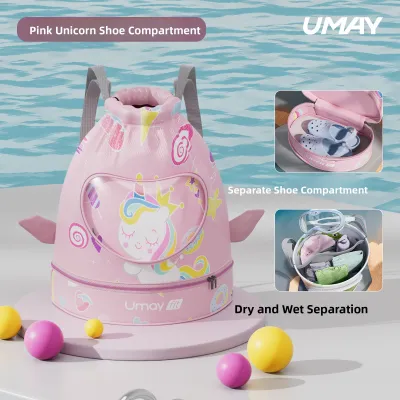
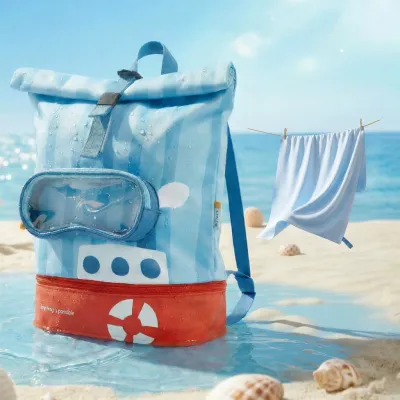
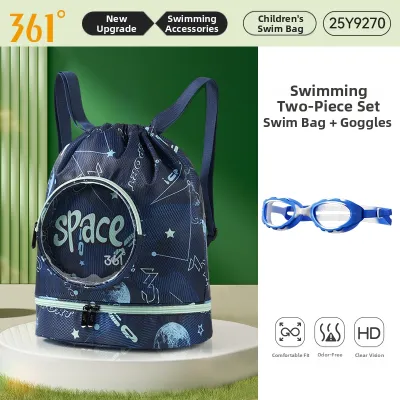
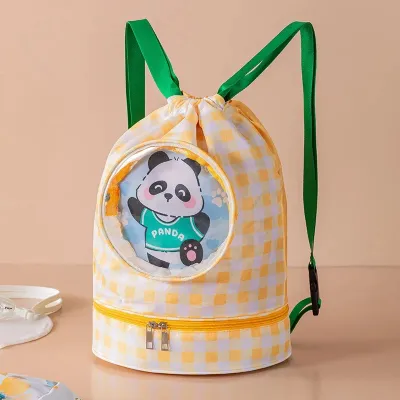

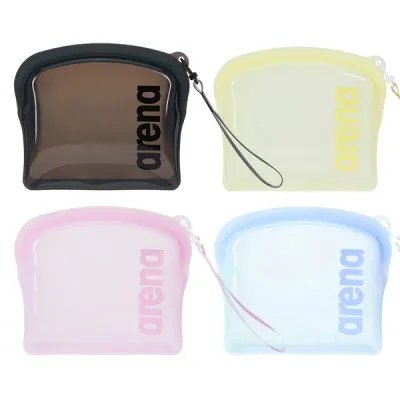
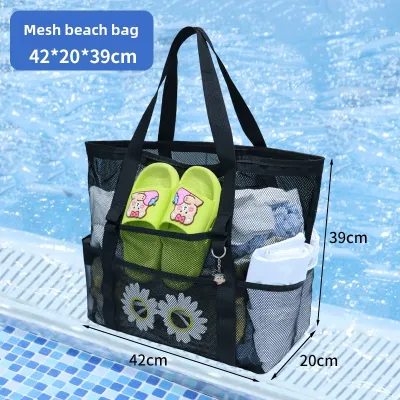
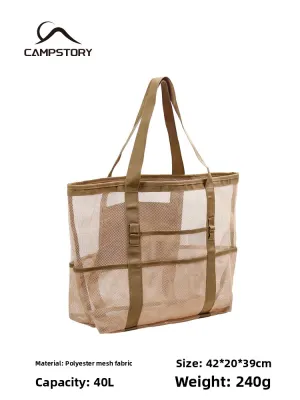
Prices are valid at publication and may change. Please refer to the product page for the latest price.
When filtering options, prioritize bags with dedicated waterproof compartments or internal dry bags. A high-quality swim bag should also feature reinforced stitching at stress points, such as strap attachments and zipper seams, to handle the weight of wet gear over high-frequency, weekly use.
Sizing and Compartments: Packing for Weekly Lessons
Packing for weekly lessons requires careful consideration of volume and layout. A typical lesson kit includes a swimsuit, a towel (often a bulky cotton towel or a compact microfiber one), goggles, a swim cap, travel-sized toiletries, a change of dry clothes, and a water bottle. For younger children, a capacity of 10 to 15 liters is generally sufficient to hold these essentials without becoming too heavy. Older children or those participating in competitive training may require a 20-to-25-liter bag to accommodate extra gear like kickboards, pull buoys, or fins.

Compartment organization is just as important as overall volume. Look for bags with dedicated mesh pockets on the exterior; these are perfect for storing damp swim caps and goggles, allowing them to air-dry and preventing mold growth. An external, upright bottle holder is essential to keep drinking water accessible and prevent internal spills. Zippered external pockets provide secure storage for small valuables, pocket money, or transit cards, keeping them dry and easy to find.
Finally, always check the bag’s external dimensions against standard school cubbies or public pool lockers. A bag that is too rigid or oversized will not fit, forcing the child to leave it on wet floors where it can absorb dirt and pool water. Opt for flexible, soft-sided bags that can compress slightly to fit into tight spaces.
Fabric and Hardware: Surviving Singapore's Humid Climate
Singapore’s hot and humid climate presents unique challenges for swim gear. Trapped moisture combined with high temperatures creates the perfect breeding ground for mold, mildew, and bacteria. When evaluating fabrics, understand the difference between water-resistant coatings and fully waterproof linings. Water-resistant fabrics, such as polyurethane-coated polyester, repel light splashes but can eventually saturate. Fully waterproof linings, like thermoplastic polyurethane (TPU) or heavy-duty vinyl, provide an absolute barrier against moisture transfer. Parents should verify these materials by checking manufacturer labels for welded seams and waterproof ratings.
To combat trapped moisture, look for bags equipped with breathable mesh panels or built-in ventilation grommets. These features allow continuous airflow, helping to dry damp gear and reduce humidity inside the bag. This is especially important if the bag cannot be emptied immediately after a lesson.
Hardware durability is another critical factor. Chlorinated pool water and humid air accelerate the corrosion of metal components. Inspect the zippers, buckles, and D-rings before purchasing. Opt for heavy-duty plastic zippers or treated, rust-resistant metal hardware (such as coated aluminum or brass) to ensure smooth operation over years of weekly use.
Fit and Function: Making It Easy for Kids to Carry
A swim bag is only useful if a child can carry it comfortably and operate it without adult assistance. Padded backpack straps are highly recommended over single shoulder straps. They distribute the weight of wet gear evenly across both shoulders, supporting healthy posture and keeping the child’s hands free during transit. For lighter loads, a drawstring bag with thick, soft cords can work, but thin nylon strings tend to dig into shoulders when the bag is fully loaded.
The closure mechanisms must be simple enough for small, wet, or cold hands to operate. Large, textured zipper pulls, easy-slide toggles, or simple roll-top closures are ideal. Avoid complex buckles, stiff snaps, or intricate strap systems that might cause frustration after a tiring swim session.
Additionally, consider the empty weight of the bag. Heavy canvas or thick rubberized materials add unnecessary weight before any gear is packed. Lightweight yet durable synthetic fabrics, such as nylon ripstop, keep the overall load manageable for young swimmers. A lightweight bag also makes it easier for children to carry their own gear, fostering independence and responsibility.
Care Routine: Preventing Mold and Chlorine Odors
Maintaining a hygienic swim bag is essential for extending its lifespan and preventing persistent chlorine odors. The most important step is establishing an immediate post-lesson routine. Never allow wet gear to sit in a closed bag overnight. Upon returning home, empty the bag completely, pull out any flexible linings, and hang it in a well-ventilated, shaded area to dry.
Always consult the manufacturer’s care label before cleaning the bag. While some synthetic bags are machine washable on a gentle cycle, many require hand washing or simple wipe-downs with a damp cloth and mild soap. Avoid using harsh detergents, bleach, or fabric softeners, as these chemicals can degrade waterproof coatings and damage heat-sealed seams.
Regularly inspect the bag for signs of wear, such as peeling internal linings, frayed seams, or persistent musty odors that remain after washing. These indicators suggest the material is breaking down and the bag should be replaced to maintain hygiene. Investing in a high-quality bag, typically ranging from S$20 to S$60, can save money in the long run by reducing the frequency of replacements.
Frequently Asked Questions (FAQ)
Can a regular school backpack double as a swim bag?
Using a standard school backpack for weekly swim lessons is generally not recommended. Standard backpacks lack the waterproof compartments needed to isolate wet gear, meaning damp towels and swimsuits will quickly soak through, potentially damaging school books, homework, or electronic devices. Furthermore, typical school bag fabrics absorb moisture and dry slowly, leading to rapid mold growth and stubborn odors in Singapore’s humid climate. If a single bag must be used, parents should place all wet items inside a fully waterproof dry bag insert before packing them into the school backpack.
How do I stop the swim bag from smelling like chlorine?
To prevent and eliminate persistent chlorine odors, rinse the swim bag regularly with clean, fresh water to remove chemical residues. For deeper cleaning, wipe the interior compartments with a solution of warm water and a small amount of mild soap or baking soda, then rinse thoroughly. Always allow the bag to air-dry completely in a well-ventilated space. Avoid drying the bag in direct, intense sunlight for extended periods, as prolonged UV exposure can weaken synthetic fabrics and degrade waterproof linings.
Community discussion
Share your experience or ask a question. Comments are reviewed before publication.