
When taking up golf, many beginners focus heavily on selecting the right clubs, balls, and shoes, often overlooking the smaller accessories that keep the game moving smoothly. Among these, a ball marker is essential for marking your ball’s position on the putting green so other players can putt without interference. For a new golfer, choosing a high-quality golf marker magnetic accessory is one of the most practical upgrades you can make, combining ease of use with structural security. To find the right one, you should look for a strong neodymium magnet, a low-profile thickness under 3mm to respect green etiquette, rust-resistant materials like stainless steel or enameled brass, and a high-contrast visual design that remains easily visible from several meters away.
While traditional flat coins or plastic push-pins are widely available, they often lead to fumbling in deep pockets or getting lost in the grass. A magnetic system solves this by keeping the marker securely attached to a hat clip, belt, or divot tool, ensuring it is always within arm’s reach. Understanding how to evaluate magnet strength, material durability, and design variations will help you select a marker that enhances your flow on the course and stands up to local playing conditions.
Why a Golf Marker Magnetic System Is Ideal for Beginners
Traditional golf markers require you to dig through your pockets, often alongside tees, loose change, and extra balls, which can disrupt your focus and slow down the pace of play. A magnetic marker system eliminates this hassle by utilizing a two-part setup: a magnetic-receptive metal disc and a base clip containing a magnet (or vice versa). By securing the base clip to the brim of your cap, your visor, or even your belt, the marker remains instantly accessible, allowing you to mark and lift your ball in one fluid motion.
Products mentioned in this guide
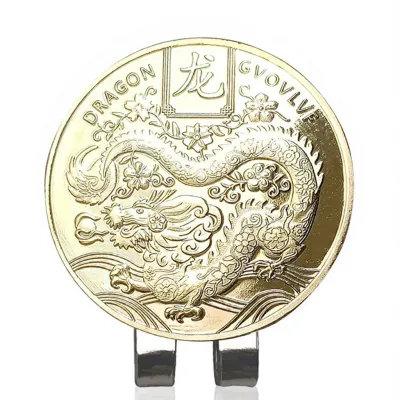
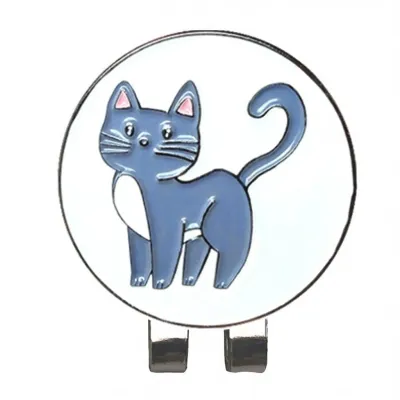
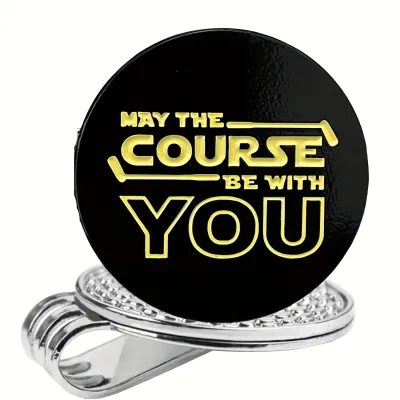
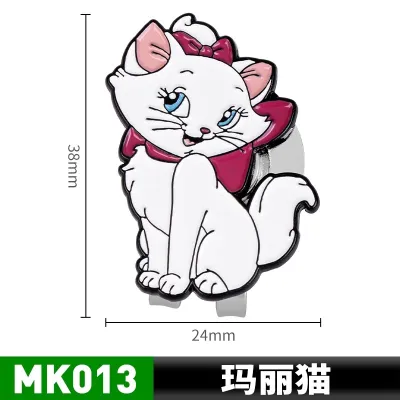
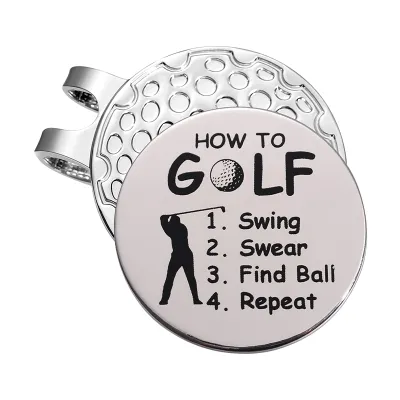
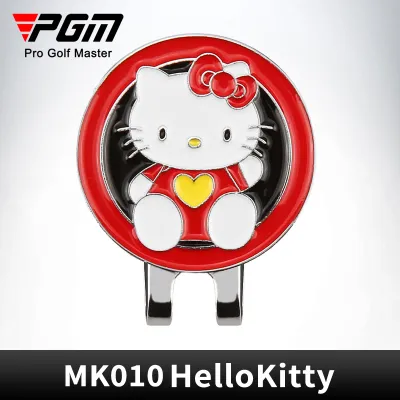
![[SG 🚚] Golf Hat Clip Accessories 20/25mm Ball Marker Holder 20/25mm Golf Marker Gift Magnetic](https://img.lazcdn.com/g/p/697714c97208dce70000bb02f30ce426.jpg_400x400q80.jpg_.webp)
Prices are valid at publication and may change. Please refer to the product page for the latest price.
For beginners, establishing a consistent pre-putt routine is crucial for developing confidence on the green. Fumbling with a loose coin in your pocket can break your concentration and distract your playing partners. The satisfying, tactile snap of a magnetic marker returning to its clip provides immediate feedback that your accessory is secure, allowing you to focus entirely on reading the green and executing your putt.
Additionally, loose markers are incredibly easy to misplace during a four-hour round. They can easily fall out of your pocket when you pull out a tee or bend down to retrieve your ball. By keeping the marker anchored to your cap or a specialized divot tool, you minimize the risk of losing your gear in the rough or leaving it behind on a previous hole, saving you both time and unnecessary frustration.
4 Key Features to Evaluate Before You Buy
Selecting the right magnetic marker involves more than just picking an appealing visual design. To ensure the accessory performs reliably on the course, you must evaluate several structural and material features that impact its security, usability, and compliance with golf etiquette.

Magnet Strength and Attachment Security
The holding power of your marker depends heavily on the type of magnet used in the clip or the disc itself. Most low-cost options utilize standard ferrite magnets, which can lose their grip when subjected to sudden movements, such as a vigorous swing or a sudden gust of wind. For reliable performance, look for markers that incorporate rare-earth (neodymium) magnets, which offer significantly stronger holding power relative to their compact size.
When shopping, check the product specifications for terms like “neodymium,” “rare-earth,” or specific magnetic grades such as “N52.” A strong magnet ensures the marker stays firmly attached even when you are walking briskly, climbing in and out of a golf cart, or brushing against tree branches. However, there must be a balance: the magnet should not be so powerful that you struggle to remove the marker with one hand, especially when wearing a Cabretta leather golf glove, which naturally reduces your fingertip dexterity.
To test this balance, try sliding the marker sideways off the clip rather than pulling it straight up. High-quality magnetic systems are designed to resist vertical pulling forces to prevent accidental loss, while allowing you to easily slide the marker off laterally using your thumb.
Size, Thickness, and Green Etiquette
Golf etiquette dictates that your ball marker must not interfere with the putting lines of other players. If your marker is too large or thick, it can physically deflect an opponent’s ball if they putt over it, or cast a distracting shadow on the green under bright afternoon sunlight. Standard, widely accepted markers typically measure between 24mm and 30mm in diameter, which is roughly the size of a Singapore 1-dollar coin (22.4mm) or a 50-cent coin (23.0mm).
Thickness is equally critical for maintaining a flat putting surface. Look for markers with a profile between 1.5mm and 2.5mm. Anything thicker than 3mm is considered bulky and may draw polite complaints from more experienced playing partners. When browsing online marketplaces, look closely at side-profile images or check the product dimensions to verify that the marker sits as flush to the grass as possible.
If you must play on a green where your marker lies directly in another player’s line of sight, etiquette requires you to temporarily move the marker one or more clubhead-lengths to the side. Having a standard-sized, low-profile marker minimizes how often you will need to perform this adjustment, keeping the game moving smoothly.
Material Durability in Humid Climates
Singapore’s tropical climate presents unique challenges for golf accessories. High humidity, frequent afternoon downpours, and acidic sweat can rapidly degrade cheap metals, leading to unsightly rust, corrosion, and weakened magnetic properties. When choosing a marker, prioritize materials known for their corrosion resistance, such as marine-grade stainless steel, high-quality zinc alloys, or enameled brass.
To prevent rust from forming between the magnet and the marker, look for products that feature a protective epoxy dome, a physical vapor deposition (PVD) coating, or a clear-coat waterproof lacquer. These protective layers seal the metal and printed designs away from moisture and oxygen, ensuring the marker retains its appearance over multiple seasons. Be sure to check the manufacturer’s care instructions, as some materials may require a quick wipe-down after exposure to rain.
Additionally, be aware of galvanic corrosion, which occurs when two dissimilar metals remain in contact in a wet environment. If you play a round in heavy rain, leaving a wet steel marker attached to a nickel-plated hat clip overnight can cause the two pieces to rust together or degrade. Choosing high-quality, coated materials significantly reduces this risk.
Visibility and Surface Design
Once you place your marker on the green and walk back to the edge to study your putting line, you need to be able to spot it easily from a distance of five to ten meters. Markers with low-contrast colors, such as dark greys, deep browns, or unpolished bronze, can easily blend into the green grass or disappear in the late afternoon shadows. Opt for high-contrast colors like bright white, neon yellow, vibrant orange, or polished silver that stand out against various grass types.
Surface finish also plays a role in visibility and comfort. Highly polished, glossy finishes are excellent for catching the light, making them easy to spot, but they can occasionally produce a harsh glare under the intense midday sun. Matte or satin finishes offer a practical middle ground, reducing sun glare while remaining highly visible due to their solid, saturated colors.
Using a marker with a distinct, personalized design or a unique color pattern also serves a practical purpose: it prevents confusion on the green. If multiple players in your flight use identical plain silver markers, it is easy to forget which mark belongs to whom, potentially leading to penalty strokes if someone accidentally plays the wrong ball.
Hat Clip and Divot Tool Compatibility
A magnetic golf marker is only as useful as the base system it attaches to. Most markers are sold as part of a set that includes either a hat clip or a divot repair tool. Understanding how these components interact will help you avoid purchasing mismatched accessories that fail to hold together on the course.
First, clarify which component actually contains the active magnet. In some designs, the magnet is embedded inside the hat clip, while the marker itself is simply a disc of magnetic-receptive steel. In other designs, the magnet is built directly into the marker, allowing it to stick to any standard steel surface. If you are buying a replacement marker to use with a hat clip you already own, verify whether your existing clip is magnetic or simply steel, and match the replacement marker accordingly.
Second, pay close attention to the surface area of the attachment plate on your hat clip or divot tool. If you pair a large, 30mm marker with a tiny, 15mm magnetic plate, the outer edges of the marker will overhang significantly. This overhang acts as a lever; if your hand or cap brim brushes against your golf bag, the marker can easily be pried off and lost. For maximum security, the diameter of the marker should closely match the diameter of the magnetic mounting surface.
Finally, consider the material of the clip itself. While metal clips are highly durable, some golfers prefer lightweight plastic clips with embedded metal plates to avoid weighing down the fabric of lightweight, breathable tropical golf caps. Ensure the clip’s clamp is tight enough to grip your cap brim securely without damaging the fabric.
Recommended Magnetic Marker Styles for New Golfers
As a beginner, you will find a wide variety of magnetic markers on the market. Rather than focusing on specific brand names, it is most helpful to categorize these accessories by their structural style and functional purpose to determine which best suits your playing style.
Minimalist Metal Discs
Minimalist metal discs are flat, unadorned markers typically crafted from brushed stainless steel, brass, or copper. They often feature simple stamped logos, clean geometric patterns, or classic coin-like ridges along the edges. These markers are designed to mimic the traditional look and feel of a classic coin while offering the modern convenience of magnetic attachment.
- Best for: Beginners who prefer a classic, understated aesthetic and want a very low-profile marker that sits completely flush with the turf.
- Limitations: Because they lack bright colors, they can be more difficult to spot in taller grass or on highly contoured greens; they also offer no visual assistance for aligning your putts.
Alignment Line Markers
Alignment line markers feature a prominent, straight line engraved or printed directly across the center of the disc. This style is designed to act as a visual aid on the green. When you mark your ball, you can rotate the marker so that the line points directly along your intended putting path, helping you align the markings on your golf ball precisely before you lift the marker.
- Best for: New golfers who are actively working on their putting consistency and want a built-in training aid to assist with pre-putt alignment.
- Limitations: Using these markers effectively requires you to bend down and carefully align the disc, which can slightly increase your time on the green; you must also ensure your alignment routine complies with local club rules.
High-Visibility or Custom Designs
High-visibility markers utilize vibrant enamel paint, colorful epoxy dome coatings, or unique geometric shapes to stand out. These can range from bright neon targets to custom novelty designs. The primary goal of this style is maximum contrast against the green grass and easy identification among a group of players.
- Best for: Casual players who want to easily spot their mark from across the green and those who want a fun, easily identifiable accessory that won't be confused with their playing partners' gear.
- Limitations: Some custom or novelty shapes can be slightly thicker or uneven, which may occasionally conflict with strict green etiquette if they cast large shadows or sit unevenly on the turf.
Quick Comparison of Marker Styles
To help you quickly weigh your options, the table below summarizes how the three primary styles of magnetic markers compare across key decision dimensions:
| Style | Primary Benefit | Visibility on Green | Best Suited For | Potential Drawback |
|---|---|---|---|---|
| Minimalist Metal Discs | Classic look, ultra-low profile | Moderate to Low | Traditionalists preferring a clean, flush fit | Harder to spot in dim light or tall grass |
| Alignment Line Markers | Assists with putting setup and aiming | Moderate to High | Beginners developing their pre-putt routine | Requires precise placement on the green |
| High-Visibility / Custom | Instant visual recognition | Very High | Casual players and group outings | Can be bulkier or distract other players |
Common Purchasing Mistakes to Avoid
When buying golf accessories online, it is easy to make simple mistakes that result in a product that is frustrating to use or quickly ruined. Keep these three common pitfalls in mind to ensure you make a smart purchase:
- Mistake 1: Ignoring Compatibility of the Magnetic Base. Many beginners buy a standalone metal marker assuming it will stick to any hat clip, only to find that neither piece contains an actual magnet. Always verify whether the marker, the clip, or both contain the active magnet, and ensure their surface areas match to prevent the marker from easily knocking loose.
- Mistake 2: Choosing Overly Thick "Novelty" Markers. While a thick, custom-shaped marker might look appealing, a bulky profile can deflect a partner's ball and violate green etiquette. Stick to flat, coin-style discs with a thickness under 3mm to keep your rounds polite and compliant.
- Mistake 3: Buying Cheap, Uncoated Alloys. In humid or wet environments, cheap pot metals and uncoated steel will rust rapidly, staining your golf cap and ruining the marker's appearance. Always verify that the product description specifies rust-resistant materials like stainless steel or features a protective epoxy or PVD coating.
Before finalizing your purchase, use this quick checklist to confirm the product’s suitability:
- Magnet Type: Is it a strong rare-earth (neodymium) magnet?
- Dimensions: Is the diameter between 24mm and 30mm, and is the thickness under 3mm?
- Material: Is it made of stainless steel, zinc alloy, or enameled brass with a protective coating?
- Base Clip: Does the set include a secure, matching metal hat clip or divot tool?
Frequently Asked Questions (FAQ)
Can the magnet in a golf marker damage electronics or credit cards?
While the neodymium magnets used in high-quality golf clips are strong enough to hold a metal marker securely through fabric, they have a very short magnetic field range. Keeping the marker attached to your hat clip or stored in a dedicated pocket in your golf bag poses no risk to modern smartphones or electronic rangefinders. However, as a precautionary measure, avoid storing your magnetic clip in the same pocket where you keep magnetic-stripe items, such as hotel key cards or older credit cards, and keep strong magnets away from sensitive medical devices like pacemakers.
How do I prevent my marker from rusting after playing in the rain?
To keep your marker in top condition, always dry it thoroughly after a wet round. Use a clean microfiber golf towel to wipe away moisture, sweat, and dirt from both the marker and the hat clip. Instead of leaving the marker attached to a damp hat overnight, store it separately in a dry pocket of your golf bag. If minor surface rust does appear on non-stainless metals, you can usually remove it by gently rubbing the area with a mild metal polish or a soft pencil eraser, but consistent drying remains the most effective prevention strategy.
Are alignment magnetic markers legal under official golf rules?
Under the official Rules of Golf governed by the USGA and the R&A, using a ball marker to mark the position of your ball is perfectly legal and required. However, using a marker with highly prominent alignment lines to align your putt falls under Rule 4.3, which governs equipment and alignment aids. Generally, using a simple line on a marker to help align your ball is widely accepted in casual and recreational play. If you plan to play in official, competitive club tournaments, you should consult the latest USGA/R&A guidelines or check with the tournament committee to ensure your specific alignment marker complies with local rules.
Community discussion
Share your experience or ask a question. Comments are reviewed before publication.