
A magnetic golf towel is one of the most practical upgrades a beginner can make to their gear setup. When choosing your first magnetic golf towel, you need to focus on magnet strength, protective encasement, fabric texture, and backup attachment options. This simple accessory eliminates the constant bending down to pick up a dropped towel and ensures your cleaning gear is always within arm’s reach. By understanding the core specifications that distinguish a durable, high-performance towel from a flimsy one, you can keep your clubs clean and focus entirely on developing your swing.
Assess Your Needs: Magnetic vs. Standard Golf Towels
To decide if a magnetic golf towel is right for you, start by analyzing how you navigate the course. Golfers who ride in motorized golf carts benefit immensely from magnetic models. Instead of clipping a traditional towel to a heavy golf bag that stays strapped to the back of the buggy, you can simply slap a magnetic towel onto the metal frame of the cart. This keeps your towel right next to you in the passenger cabin, ready for a quick wipe after a shot.
This convenience becomes especially clear during “cart-path-only” days. When wet weather or course maintenance prevents carts from driving onto the fairways, you often have to walk a significant distance to your ball with several clubs in hand. Carrying a standard towel clipped to your distant bag is impractical. With a magnetic towel, you can detach it instantly, wrap it around your club grips to keep them dry, and stick it to the metal head of a wedge when you lay it down on the damp turf. In humid, tropical climates like Singapore, where morning dew or sudden afternoon downpours leave the grass thoroughly soaked, keeping your towel off the wet ground is crucial for maintaining dry hands and clean club grips.
Products mentioned in this guide
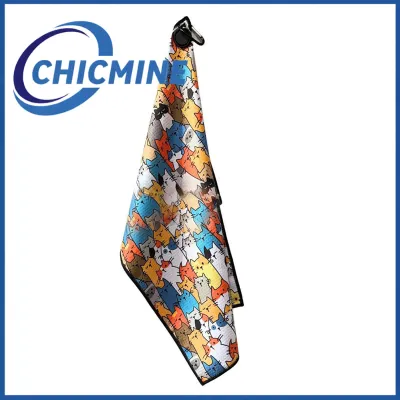
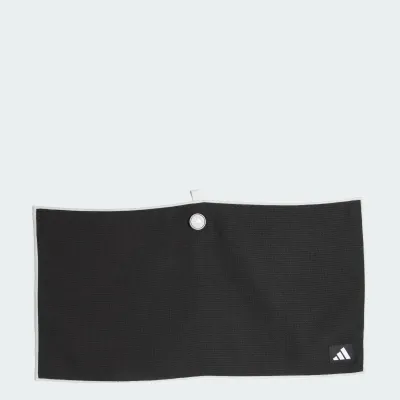
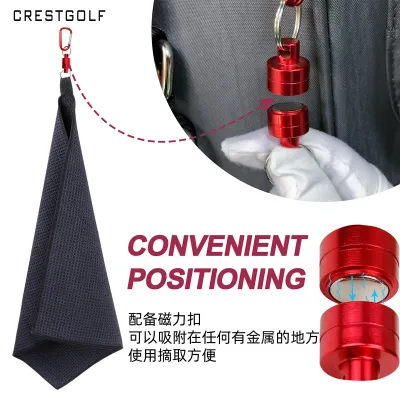
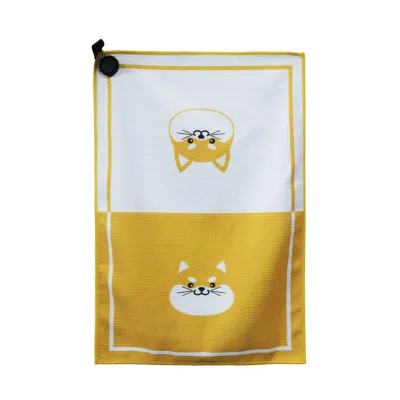
Prices are valid at publication and may change. Please refer to the product page for the latest price.
Conversely, if you prefer walking the course with a lightweight carry bag or a manual push cart, a standard clip-on towel might seem more straightforward at first glance. However, many modern golf bags feature steel stand mechanisms or metal collar rings where a magnetic towel can still securely cling. If your routine involves a mix of riding and walking, a magnetic towel offers excellent versatility, serving as a highly accessible hand-and-club cleaner that adapts to both styles of play.
Evaluating Magnet Strength and Equipment Safety
The defining feature of a magnetic golf towel is, of course, its magnet. Not all magnets are created equal, and a weak one will result in your towel flying off the cart frame the moment you hit a bump on the fairway. Look for manufacturers that specify the use of industrial-strength neodymium magnets. These rare-earth magnets provide a high pull force relative to their size, ensuring the towel remains firmly attached even when fully saturated with water and mud.

However, high magnetic strength introduces a critical safety concern: the risk of scratching your expensive golf equipment. When shopping, verify that the magnet is completely encased inside a soft, durable barrier. High-quality designs sew the magnet inside a thick pocket of heavy-duty fabric, silicone, or vulcanized rubber. Avoid any towel where the bare metal of the magnet is exposed, as this can easily scratch graphite club shafts, mar the polished finish of forged irons, or chip the paint on a golf cart’s metal support pillars.
Magnet placement also plays a vital role in how the towel behaves on the course. A magnet placed dead-center allows the towel to hang evenly, minimizing the surface area that drapes over the dirty ground or cart wheels. Edge-placed magnets, while useful for specific hanging angles, can sometimes cause the towel to sag unevenly, making it more likely to catch on passing branches or brush against muddy cart tires.
Finally, inspect the structural integrity of the magnet’s housing. Because you will constantly pull the towel off metal surfaces, the fabric pocket surrounding the magnet experiences significant shear stress. Look for reinforced, double-stitched seams or heavy-duty nylon webbing around the magnet pocket. If the stitching is weak, the magnet can rip through the fabric over time, rendering the magnetic feature useless and creating a loose, high-strength magnet that could damage items in your golf bag.
Choosing the Right Material and Texture for Cleaning
The primary job of any golf towel is to clean dirt, grass, and moisture off your equipment. For beginners, choosing the right material is essential to prevent micro-scratches on clubfaces and to ensure efficient water absorption. Microfiber is the undisputed industry standard for golf towels due to its high absorbency and gentle fibers. It can hold several times its weight in water, which is incredibly useful for wiping down sweaty hands or drying off grips during humid rounds.
Within the microfiber category, look for a waffle-weave texture. The raised, square patterns of a waffle weave act like miniature scrapers, easily lifting stubborn mud, sand, and grass clippings out of your club’s grooves without requiring excessive scrubbing pressure. This is far more effective than a flat, smooth cotton towel, which tends to smear mud across the clubface rather than lifting it away.
A highly practical option for beginners is a dual-texture design. These towels feature a split layout: one side or section is smooth and plush—ideal for wiping delicate golf ball covers, rangefinder lenses, or your hands—while the other side features the rugged waffle weave meant for heavy-duty club cleaning. This division ensures you do not accidentally wipe mud onto your hands or scratch your golf ball with trapped grit.
Be cautious of towels that feature integrated plastic or metal scrubbing brushes or harsh, abrasive scouring pads. While they claim to clean grooves faster, these abrasive materials can wear down the delicate finishes of modern wedges and forged irons, or scratch the protective clear coats on carbon-composite woods. Stick to high-quality microfiber waffle weave, which is tough on dirt but completely safe for all club materials.
Selecting the Ideal Size, Shape, and Backup Attachments
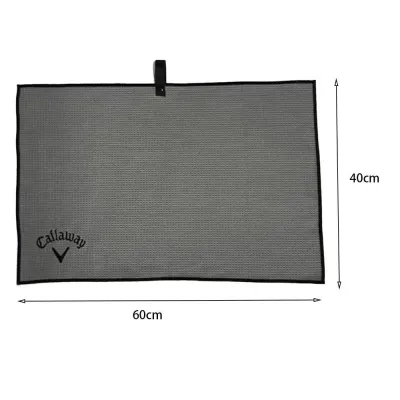
Size and shape directly impact how practical a golf towel is during a round. A towel that is too small will quickly become fully saturated with dirt and water, leaving you with no clean spots by the back nine. Conversely, an oversized beach-style towel will drag on the ground, collect grass seeds, and become heavy and cumbersome when wet. A standard rectangular size of roughly 40 by 60 centimeters represents the sweet spot for most golfers, providing ample surface area for multiple cleaning zones while remaining compact enough to stay clear of the ground.
The shape and folding style also dictate usability. Tri-fold or bi-fold designs are highly popular because they naturally drape in a compact, vertical column. This structure keeps the wet, dirty inner folds protected from the wind and sun, preserving moisture where you need it for cleaning, while keeping the dry outer surfaces clean and ready to wipe your hands.
Never buy a magnetic golf towel that relies solely on its magnet. A reliable model must feature a backup attachment method. Look for a built-in carabiner, a heavy-duty grommet hole, or a snap-button strap. There will be times when you walk a course with a non-magnetic bag, use a plastic-framed push cart, or play in conditions where you want to secure the towel directly to your bag’s accessory ring. Having a dual-attachment system ensures your investment is never left behind in the parking lot or lost on the fairway.
Additionally, check how easily the towel folds or compresses. When the round is over, you want a towel that can be neatly folded and tucked into a side pocket of your golf bag without taking up excessive space or putting pressure on other accessories like your balls and tees.
Maintaining Your Towel and Preserving Magnet Life
Proper maintenance ensures your magnetic golf towel remains absorbent and retains its holding power for seasons to come. Because microfiber is a synthetic material, it requires specific care to maintain its microscopic dirt-trapping structure. Always machine wash your towel in cold or warm water with a mild liquid detergent. Crucially, never use fabric softeners or dryer sheets. Fabric softeners leave a thin, waxy silicone coating on the fibers, which severely clogs the microfiber pores and ruins its ability to absorb water and grab dirt.
When it comes to drying, air drying is the safest and most effective method. Simply hang the towel up indoors or in a shaded outdoor area. If you must use a tumble dryer, select a low-heat or air-fluff cycle. High heat can melt the delicate synthetic fibers of the microfiber, causing them to harden and lose their cleaning efficiency. Furthermore, excessive heat can degrade the magnetic properties of neodymium magnets over time and warp or crack the protective rubber or silicone encasements.
Before tossing your dirty towel into the washing machine, take a moment to shake it out thoroughly or use a soft brush to remove trapped sand and coarse soil. Golf courses, particularly bunkers, contain highly abrasive silica sand. If you wash the towel with sand embedded in the fibers, those particles can remain trapped and act like sandpaper during your next round, causing micro-scratches on your clubfaces.
Finally, make it a habit to inspect the magnet enclosure after every few washes. Check for any loose threads, thinning fabric, or signs of rust if water has managed to penetrate the pocket. If you notice the fabric wearing thin or the magnet shifting out of its designated pocket, consider repairing the stitching immediately or replacing the towel to prevent the heavy magnet from escaping and damaging your gear.
Frequently Asked Questions (FAQ)
Will the magnet interfere with my golf rangefinder or GPS watch?
The static magnetic field produced by a typical magnetic golf towel is highly localized and relatively weak at a distance of more than a few centimeters. It will not interfere with the internal GPS sensors of your golf watch or the optical lenses of your laser rangefinder during normal use. However, as a safety precaution, avoid storing your GPS watch, smartphone, or rangefinder directly against the bare magnet inside your golf bag pocket, as strong local magnetic fields can occasionally disrupt digital compasses or temporary calibration settings.
Can I use a magnetic golf towel on a push cart?
Yes, but with a caveat regarding where you attach it. Many modern push carts are constructed from lightweight aluminum, carbon fiber, or high-strength plastics, none of which are magnetic. Consequently, the towel’s magnet will not stick directly to the main frame tubes of these carts. To use your towel on a push cart, look for steel components like accessory screws, or simply utilize the towel’s backup carabiner or snap clip to secure it to the cart’s handle console or accessory bag.
How do I remove ball marker stains or ground-in dirt from the towel?
To tackle stubborn stains like grass juice, mud, or rust from ball markers, pre-treat the affected area before washing. Apply a small drop of mild liquid dish soap or a specialized laundry stain remover directly to the stain and gently rub the fabric against itself to work the soap into the fibers. Let it sit for 10 to 15 minutes before running it through a cold wash cycle. Avoid using chlorine bleach, as it will break down the synthetic polyester and polyamide fibers of the microfiber, causing the towel to shed and reducing its overall lifespan.
Community discussion
Share your experience or ask a question. Comments are reviewed before publication.