
Selecting your first fishing tackle box is a foundational step that directly impacts your comfort, efficiency, and success on the water. A well-chosen box does more than just hold gear; it protects your investment in lures, hooks, and tools from the elements while keeping everything organized for quick access. For beginners, the ideal fishing tackle box balances manageable physical dimensions with an adaptable internal layout and robust, weather-resistant construction. Rather than buying the largest or most complex option available, focus on matching the box’s features to your immediate fishing style and the specific environments you plan to explore.
Assess Your Fishing Style and Storage Needs
Your fishing environment and target species dictate the physical form and capacity of your storage system. If you plan to fish primarily from stationary locations like Bedok Jetty or Woodlands Jetty, a larger, heavier hard-shell box is highly practical. These environments allow you to set the box down on a flat surface, where it can remain stationary throughout your session. Conversely, if you are casting for peacock bass along the banks of reservoirs like MacRitchie or Pandan, you will be walking constantly. For this active style of fishing, a lightweight, highly mobile setup like a wearable tackle bag or a compact utility box is far superior to a bulky plastic chest.
Before purchasing any storage system, lay out all your current gear on a flat surface to estimate your required volume. Group your equipment into three main categories: terminal tackle (hooks, sinkers, swivels, and snaps), active lures (hard baits, soft plastics, or jigs), and essential tools (pliers, line cutters, and fish grippers). A beginner’s kit typically fits into a small to medium-sized box, but you should always leave approximately 20% to 30% of empty space. This buffer allows your collection to grow naturally as you experiment with new techniques, without forcing you to buy a completely new storage system within a few months.
Products mentioned in this guide
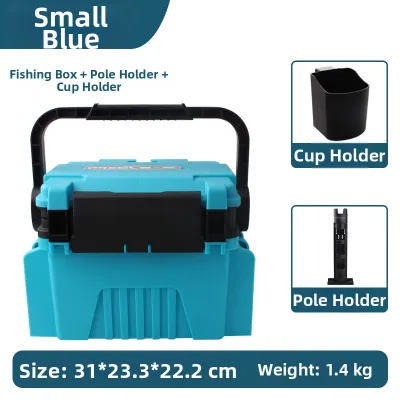
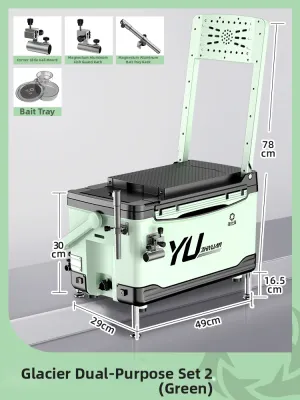
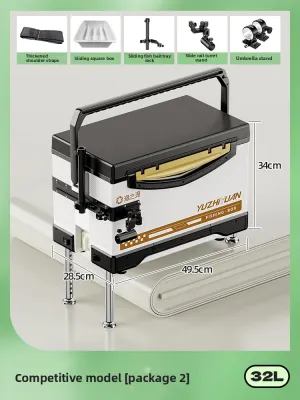
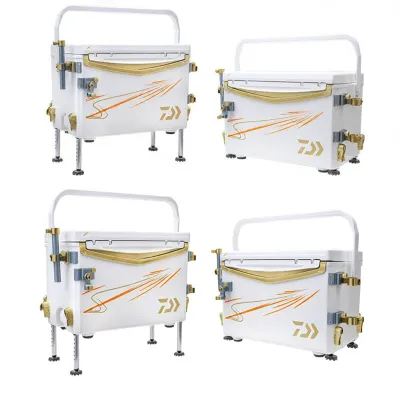
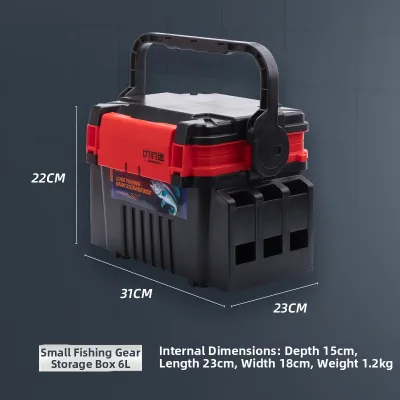
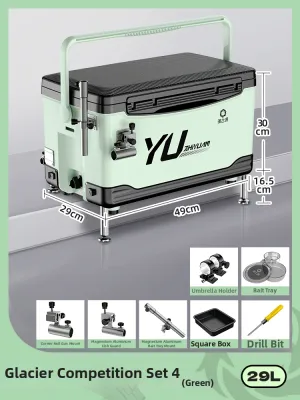
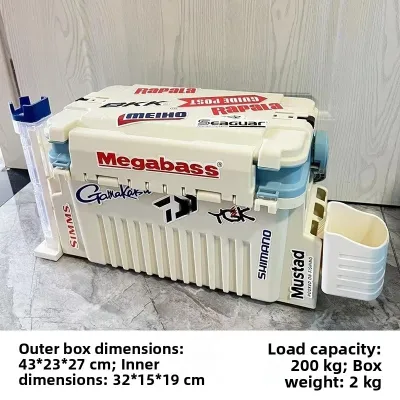
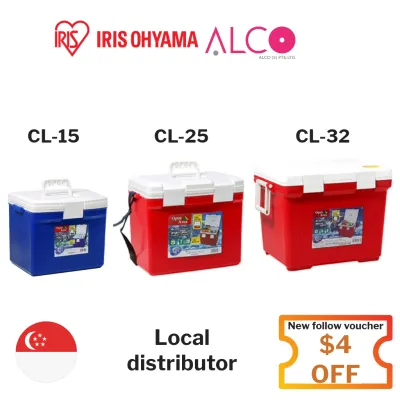
Prices are valid at publication and may change. Please refer to the product page for the latest price.
The ultimate decision comes down to a direct trade-off between maximum storage capacity and on-the-water mobility. While it is tempting to buy a massive box that can hold every piece of gear you own, carrying unnecessary weight leads to rapid physical fatigue. On the other hand, a box that is too small will force you to leave critical tools or alternative lure options at home. By listing your essential gear and identifying your primary fishing locations before you shop, you can avoid the common trap of overestimating your storage needs.
Evaluating Compartment Layout and Capacity
The internal organization of your fishing tackle box determines how quickly you can rig your line and respond to changing water conditions. When evaluating options, you will encounter a choice between fixed and adjustable dividers. Fixed dividers offer excellent structural rigidity but lock you into pre-set compartment sizes, which can be highly frustrating if you purchase a lure or tool that is slightly too long to fit. Adjustable dividers utilize removable plastic tabs that slide into molded slots, allowing you to customize the length of each compartment. This flexibility is invaluable for beginners whose gear collections are guaranteed to evolve over time.

Multi-tray systems are highly effective for separating different types of gear, which is essential for both safety and equipment longevity. For example, soft plastic lures are made of chemical compounds that can react with, melt, or warp certain types of hard plastics if stored incorrectly. Keeping these soft plastics in their original packaging or in dedicated, chemically compatible compartments is crucial. Furthermore, separating sharp hooks, heavy lead sinkers, and delicate hard lures prevents them from tangling or damaging one another during transport.
Always verify the physical dimensions of the main, undivided compartments of the box. Many beginners focus entirely on the small compartments for hooks and lures, only to realize later that their bulkier essentials do not fit. Ensure there is a deep well or a large bottom section capable of housing spare spools of monofilament or fluorocarbon line, multi-tools, headlamps, and fish-handling gloves.
To ensure you select a functional layout, use this practical verification checklist before making a purchase:
- Divider Fit: Verify that the adjustable dividers slide smoothly into their slots and fit snugly without bending or leaving gaps where small swivels can slide underneath.
- Tray Stability: If looking at a cantilever box, fully extend the trays to ensure the box does not tip backward under its own weight when empty or partially loaded.
- Depth Clearance: Measure your longest tool (such as long-nose pliers) and confirm that the main compartment can accommodate it without forcing the lid shut.
- Lid Clearance: Ensure that the closed lid does not leave wide gaps above the internal dividers, which would allow small terminal tackle to mix together when the box is carried vertically.
Checking Material Durability and Weather Resistance
A fishing tackle box must withstand harsh outdoor conditions, including intense sunlight, physical impacts, and constant exposure to moisture. In tropical, high-humidity environments like Singapore, these factors are accelerated. Look for boxes constructed from UV-resistant plastics, such as high-grade copolymer polypropylene. Standard plastics can degrade and become brittle under prolonged exposure to ultraviolet rays, leading to cracked lids and broken hinges when dropped.
Corrosion is the primary enemy of any metal components on your box. Inspect the hinges, latch pins, and handle attachments to ensure they are made of rust-proof materials like stainless steel, brass, or non-corrosive synthetic polymers. Avoid boxes that use cheap, zinc-plated iron screws, as these will begin to rust within weeks of exposure to humid coastal air, eventually seizing up or breaking entirely.
Water-resistant seals are a critical feature for protecting your expensive tackle from rust. High-quality boxes often feature a rubber or silicone O-ring gasket lining the inner rim of the lid, combined with heavy-duty latches that compress the seal when closed. This system prevents splashing waves, heavy rain, and ambient humidity from penetrating the interior. If you are fishing in saltwater environments, a watertight seal is even more critical, as salt spray can ruin hooks and lure split rings overnight.
When evaluating a box in person, perform a quick physical inspection of its build quality. Open and close the latches multiple times; they should snap shut with distinct tension, requiring deliberate force to open. Check the alignment of the hinges to ensure the lid closes perfectly square against the base. If the lid twists or requires manual alignment to close, the box is highly susceptible to water leaks and structural failure under load.
Portability and Ergonomics for Your Setup
How you transport your gear to the water’s edge directly affects your physical comfort and overall enjoyment of the sport. Standard hard-shell boxes typically feature a molded top handle. While this is perfectly adequate for short walks from a vehicle to a boat ramp or a manicured park bench, it becomes highly uncomfortable during long treks. Carrying a heavy box by a single handle for extended periods causes hand and forearm fatigue, and limits your ability to carry other gear.
For active anglers, alternative carrying mechanisms like adjustable shoulder straps or backpack-style tackle bags offer significant ergonomic advantages. These options distribute the weight of your gear evenly across your shoulders and back, keeping your hands completely free to carry your fishing rods, landing net, or bucket safely. This hands-free capability is also a vital safety feature when navigating slippery rocks, steep reservoir banks, or wet boat decks.
Weight distribution within the box itself plays a major role in portability. Always store your heaviest items, such as lead sinkers, heavy jig heads, and spare reels, in the lowest compartments of the box. This keeps the center of gravity low, making the box much easier to carry and preventing it from tipping over when placed on uneven ground or a moving boat deck.
Consider the physical constraints of your typical fishing locations. If you plan to fish from a crowded charter boat or a kayak, deck space is extremely limited. A massive, wide-opening cantilever box will be difficult to open in tight spaces without blocking walkways or risking knocking gear overboard. In these scenarios, a compact, vertically stacking utility box system with a small footprint is highly advantageous.
Common Beginner Mistakes to Avoid
One of the most frequent errors first-time buyers make is purchasing an oversized tackle box. While a large box looks impressive, filling it with gear makes it incredibly heavy and cumbersome. Beginners often end up carrying dozens of lures and weights they never use, leading to unnecessary physical strain. Start small, and only upgrade your storage capacity when your actual on-the-water experience demands it.
Another common mistake is prioritizing aesthetic designs or a high number of tiny compartments over actual build quality. A box with dozens of small, fixed compartments might look highly organized, but it is virtually useless if the plastic is thin, the latches are flimsy, and the hinges are prone to breaking. Always prioritize thick-walled construction, robust latches, and rust-proof hardware over complex layouts.
Before finalizing your purchase, run your shortlisted tackle boxes through this quick self-audit checklist to ensure you are making a practical choice:
- Weight Check: Can I comfortably carry this box, along with my rod and other gear, for a 15-minute walk without needing to stop and rest?
- Hardware Verification: Are the hinge pins and latch components explicitly made of stainless steel or non-corrosive materials?
- Spill Prevention: Does the box feature a secure, multi-point latching system that cannot be easily bumped open during transport?
- Tool Compatibility: Does the main compartment comfortably fit my essential safety gear, including a first-aid kit, sun protection, and hook-removal tools?
Frequently Asked Questions (FAQ)
Do I need a hard or soft tackle box?
The choice between a hard and soft tackle box depends entirely on your fishing style and where you need protection most. Hard-shell tackle boxes offer superior structural protection, rigidity, and impact resistance. They are highly stackable, completely waterproof from the bottom up, and can often double as a sturdy seat on a pier or boat. This makes them ideal for stationary fishing where gear might get stepped on or crushed. Soft-shell tackle bags, on the other hand, are lightweight, flexible, and feature comfortable shoulder straps and external zippered pockets for quick-access items. They are the superior choice for mobile anglers who walk long distances, fish from kayaks, or need a comfortable, body-conforming bag during active casting.
How do I prevent my tackle box from rusting?
Preventing rust requires consistent, simple maintenance steps after every fishing trip. Always dry your gear, lures, and the interior of the box completely before closing it for long-term storage; leaving even a small amount of moisture trapped inside a sealed plastic box creates a humid microclimate that rapidly corrodes metal. Place commercially available silica gel desiccant packs or specialized rust-inhibitor tabs inside each compartment to absorb ambient moisture. If you have been fishing in saltwater, rinse your used lures, hooks, and tools thoroughly with fresh water, let them air-dry completely on a towel, and then return them to the box. Regularly inspect the metal hinges and latches of your box, applying a light coat of marine-grade silicone lubricant if recommended by the manufacturer to maintain smooth operation.
Community discussion
Share your experience or ask a question. Comments are reviewed before publication.