
When selecting a mugwort massage hammer, you should prioritize high-purity, aged mugwort filling, a highly breathable natural fabric cover that resists humidity, an ergonomic handle suited to your physical reach, and a head weight that aligns with your muscle sensitivity. Selecting a well-constructed hammer ensures that your wellness routine remains comfortable, hygienic, and highly effective over time.
Percussive tapping, a traditional wellness practice, involves applying rhythmic, light impacts to specific muscle groups and meridian pathways. This physical tapping action is designed to stimulate localized blood circulation, ease muscle stiffness, and promote deep physical relaxation. When combined with the botanical properties of mugwort (Artemisia argyi), the physical impact is enhanced by the herb’s natural characteristics.
Mugwort has a long history in traditional Eastern wellness, valued for its distinct, earthy aroma and natural warming properties. In a massage hammer, the friction and warmth generated by repeated tapping help release the volatile oils contained within the dried leaves. This creates a soothing sensory experience that complements the physical massage.
Products mentioned in this guide
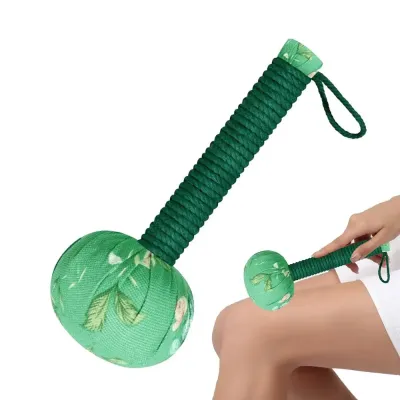
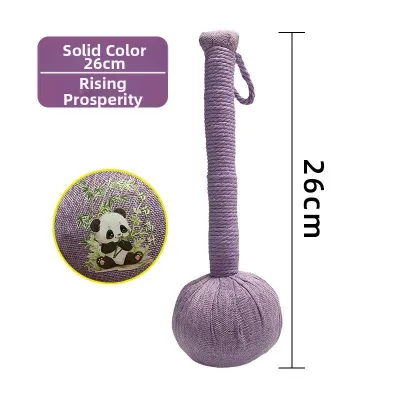
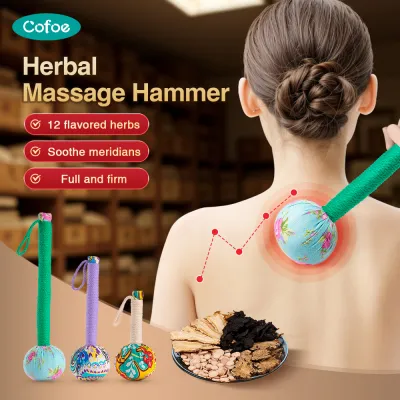
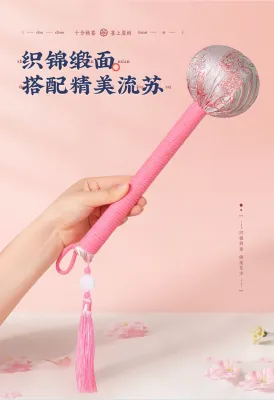
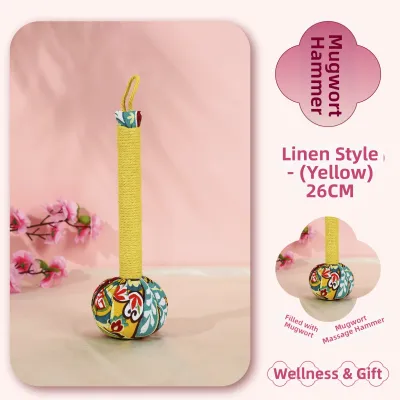

Prices are valid at publication and may change. Please refer to the product page for the latest price.
Because a mugwort massage hammer is an herb-filled tool, the quality of its internal and external components directly impacts its longevity and safety. A poorly constructed hammer can lose its shape quickly, leak herbal dust, or fail to deliver the correct impact force. Choosing the right tool requires a clear understanding of your physical needs and local environmental conditions, particularly in warm, humid climates.
Key Features and Specifications to Evaluate
To find a high-quality mugwort massage hammer, you must look beyond decorative patterns and focus on structural integrity. Evaluating the technical specifications of the tool ensures that you invest in a durable product rather than a low-grade novelty.
There are four main pillars of evaluation to consider before making your purchase: the internal herb filling, the external fabric, the handle design, and the physical weight and dimensions. Focusing on these criteria will help you identify a reliable tool that offers true therapeutic value.
Assessing Mugwort Filling Quality and Purity
The core functional component of any massage hammer is the herbal mixture packed inside its head. The quality of this filling determines both the aromatic benefits and the physical feedback of the tool during use.
High-quality hammers typically use aged mugwort, which has been dried and stored for several years—often three to five years. This aging process allows the harsh, volatile moisture to evaporate, leaving behind a milder, more stable, and deeply aromatic herb. Fresh or lower-grade mugwort can have an unpleasantly sharp, grassy smell and higher moisture content, making it highly susceptible to rotting.
You should carefully check product descriptions for filling purity. Premium hammers are filled with 100% pure mugwort leaves that have been thoroughly sifted to remove hard stems, dirt, and debris. Lower-cost alternatives often mix in coarse stems, cotton fibers, or synthetic fillers to save on manufacturing costs. Stems make the hammer head feel excessively hard and prickly, and they lack the beneficial volatile oils found in the leaves.
To verify the quality, perform a simple scent and tactile check. A genuine, high-quality mugwort hammer emits a rich, earthy, and slightly bittersweet herbal aroma. If the scent is intensely sweet or chemically sharp, artificial fragrances may have been added to mask stale or low-grade herbs. When squeezed, the hammer head should feel densely packed but slightly yielding, allowing it to conform comfortably to your body contours without feeling like a solid rock.
Outer Fabric Breathability and Humidity Resistance
The fabric cover enclosing the mugwort filling must be both durable and highly breathable. It needs to contain the fine herbal particles while allowing the natural aroma to diffuse freely during your massage.
Natural, breathable fabrics like high-density cotton, canvas, or pure linen are ideal for this purpose. These materials feature tight weaves that prevent herbal dust from leaking out, yet they remain highly breathable, allowing the warmth of your body and the friction of tapping to release the mugwort scent.
In humid tropical climates like Singapore, fabric choice is a critical factor for product longevity. The average relative humidity frequently exceeds 80%, creating a challenging environment for organic wellness tools. Non-breathable synthetic covers, such as polyester or nylon, trap ambient moisture and sweat inside the hammer head. This damp, dark environment quickly leads to the growth of mold or mildew within the mugwort filling, ruining the tool. Natural, breathable fabrics allow moisture to evaporate quickly, protecting the internal herbs.
Hygiene is another essential consideration for long-term use. You should look for hammers that feature a completely removable and washable outer cover. A removable sleeve allows you to wash away sweat, skin oils, and dust without exposing the internal herb pouch to water. If the cover is non-removable, maintaining hygiene becomes much more difficult.
Additionally, inspect the quality of the stitching at the seams. The repeated percussive impact of tapping subjects the seams to significant physical stress. Look for reinforced stitching or double-sewn borders, particularly where the fabric head connects to the handle, to prevent the seams from tearing and leaking the herb filling.
Handle Ergonomics, Material, and Length
The handle of the massage hammer is your primary point of control and leverage. Its material, shape, and length dictate how comfortable the tool is to hold and how effectively you can reach different parts of your body.
Traditional handles are typically crafted from natural wood or bamboo, which offer a firm, rigid structure that does not bend or flex excessively under impact. This rigidity allows you to transfer force efficiently from your arm to the target muscle. To prevent slipping, especially if your hands become sweaty, many modern hammers feature handles wrapped in cotton cord or textured fabric, which improves grip comfort and reduces hand fatigue.
The length of the handle should align with your primary target areas and physical flexibility:
- Long handles (40 cm to 50 cm): These are necessary for reaching hard-to-access areas such as the mid-back, shoulder blades, and hamstrings without straining your shoulders or wrists.
- Short handles (20 cm to 30 cm): These offer superior precision and control, making them excellent for targeting easily accessible areas like the thighs, calves, forearms, and neck.
You should also consider the weight of the handle itself. A handle that is excessively heavy or poorly balanced relative to the hammer head can quickly cause wrist fatigue during extended tapping sessions. The weight should be distributed so that the momentum of the swing is carried naturally by the hammer head, requiring minimal effort from your wrist.
Weight, Density, and Impact Area
The physical dimensions and weight of the hammer head directly determine the intensity and coverage of your massage. Understanding how these factors interact will help you choose a specification that matches your physical tolerance.
A heavier hammer head, typically weighing between 150 grams and 250 grams, utilizes gravity and momentum to deliver a deeper, more forceful impact. This is highly effective for penetrating thick muscle groups, such as the glutes, thighs, and upper shoulders, where deep tension resides. With a heavier head, you do not need to swing the hammer hard; the weight of the tool does the work for you.
In contrast, a lighter hammer head (under 150 grams) is much better suited for gentle, superficial stimulation. Lighter hammers are ideal for sensitive areas, thin muscle groups, or regions close to bones, such as the neck, collarbone, joints, and feet. They allow for rapid, light tapping that stimulates circulation without causing discomfort or bruising.
The diameter of the impact surface also plays a vital role. A wider, flatter hammer head distributes the force of each strike over a larger surface area. This reduces the risk of localized bruising and makes it easier to cover large muscle groups quickly. A smaller, more rounded head concentrates the force onto a specific point, which is useful for targeting precise acupressure points but requires greater care to avoid hitting bony areas.
Matching the Hammer to Your Specific Needs
Because physical needs and lifestyles vary, there is no single “perfect” mugwort massage hammer for everyone. The best choice depends on your primary wellness goals, physical flexibility, and where you plan to use the tool.

For Deep Meridian Tapping and Hard-to-Reach Areas
If your primary goal is traditional meridian tapping to relieve deep-seated muscle tension, chronic stiffness, or to stimulate circulation across your entire back, you require a highly durable, heavy-duty setup.
For this scenario, prioritize a hammer with a long, sturdy wooden or bamboo handle measuring at least 40 cm. This length ensures you can comfortably reach your upper back, shoulder blades, and lower lumbar region without straining your shoulders or wrists.
The hammer head should be densely packed and relatively heavy (around 200 grams or more) with a wide, flat impact area. This combination allows you to deliver firm, deep percussive force with minimal physical effort. Additionally, ensure the outer cover is made from thick, durable canvas or high-density cotton that can withstand the repeated, high-impact friction of vigorous tapping sessions.
For Gentle Daily Relaxation and Office Use
If you are looking for a convenient tool to relieve neck stiffness, shoulder tension, or wrist fatigue during a busy workday or while traveling, your needs are quite different.
For office or travel use, select a compact, lightweight hammer with a shorter handle (around 25 cm to 30 cm). This size fits easily into a desk drawer, backpack, or carry-on bag, making it highly portable.
The hammer head should be smaller, lighter, and slightly softer to the touch. This allows for gentle, soothing tapping on sensitive areas like the back of the neck, the tops of the shoulders, and the forearms after hours of typing. In a shared office or public environment, hygiene is incredibly important. Prioritize a model with a removable, washable outer cover to keep the tool clean and fresh, even if you occasionally share it with colleagues.
Maintenance, Storage, and Safety Best Practices
Because a mugwort massage hammer contains natural, organic plant matter, it requires proper care and maintenance to preserve its therapeutic benefits and prevent premature degradation. This is especially true in humid environments like Singapore, where organic materials are highly vulnerable to moisture-related damage.
Moisture Control and Humidity Management: Dried mugwort leaves are highly hygroscopic, meaning they readily absorb moisture from the surrounding air. To prevent your hammer from becoming damp, you must store it in a cool, dry, and well-ventilated space. Avoid keeping it in high-humidity areas such as bathrooms or unventilated closets.
In Singapore’s humid climate, it is highly recommended to store the hammer inside a breathable cotton drawstring bag along with several food-grade silica gel desiccant packets. These packets will actively absorb excess moisture and help keep the internal herb filling dry.
Periodically, you should air out the hammer to release any trapped humidity. Take the hammer to a shaded, breezy outdoor spot or place it near an open window on a dry day. Avoid exposing the hammer to direct, intense sunlight for extended periods; while sunlight kills bacteria, prolonged UV exposure can degrade the natural fibers of the fabric cover and cause the volatile oils in the mugwort to evaporate prematurely, stripping the herb of its aroma.
Cleaning and Hygiene: Maintaining the cleanliness of your hammer is essential for skin health. If your hammer features a removable outer cover, slide it off and wash it according to the manufacturer’s care label. Ensure the cover is 100% dry before sliding it back over the herb pouch; even a tiny amount of residual moisture can trigger mold growth inside.
If your hammer has a non-removable cover, never submerge or soak the tool in water, as this will ruin the dry mugwort filling instantly. Instead, gently wipe the surface of the fabric with a clean, slightly damp cloth to remove surface oils and dust. Allow the hammer to air dry completely in a well-ventilated area before storing or using it again.
Usage Safety and Skin Protection: While some users enjoy the direct contact of the hammer on their skin, the coarse texture of heavy canvas or linen covers can cause friction irritation, particularly during vigorous or prolonged tapping. To prevent friction burns or skin irritation, it is generally recommended to use the hammer over a layer of clean, lightweight clothing, such as a cotton t-shirt.
Always control the force of your swings. Percussive tapping should feel stimulating and relaxing, not painful. Avoid swinging the hammer with excessive force, and never strike bony prominences directly, such as the spine, kneecaps, elbows, or collarbones. Focus the impact on fleshy muscle groups.
Contraindications and Health Warnings: Do not use the massage hammer over open wounds, skin rashes, active bruises, varicose veins, or inflamed, swollen joints. Tapping these areas can exacerbate inflammation, damage blood vessels, or delay healing.
Pregnant individuals, people with severe cardiovascular conditions, or those fitted with pacemakers should consult a qualified healthcare professional before incorporating a percussive massage tool into their wellness routine.
Knowing When to Replace Your Hammer: A mugwort massage hammer is a consumable wellness tool that will eventually need to be retired. You should replace your hammer if you notice any of the following warning signs:
- The natural, herbal scent of the mugwort has completely faded, even when the hammer is warmed by tapping.
- The internal filling has become permanently compacted, flattened, and hard, losing its elastic yield and making the impact feel uncomfortably rigid.
- There are any visible signs of mold, mildew, or a musty, sour odor, indicating that moisture has compromised the organic filling.
Frequently Asked Questions (FAQ)
Review these common practical questions about using and caring for natural herb massage tools to get the most out of your purchase.
Can I use the hammer directly on bare skin?
While it is possible to use the hammer directly on bare skin, it is generally not recommended if the outer cover is made of coarse, heavy-duty fabrics like canvas or linen. The repeated friction of tapping can cause mild skin irritation, redness, or chafing. For a more comfortable and hygienic experience, use the hammer over a thin layer of natural-fiber clothing, such as a soft cotton shirt or lounge pants.
How long does the natural mugwort scent typically last?
The longevity of the natural mugwort aroma depends on several factors, including the purity of the initial filling, how frequently the tool is used, and how well it is stored. On average, a high-quality, densely packed hammer will retain a noticeable, soothing herbal scent for approximately six months to a year of regular use. To maximize scent longevity, always store the hammer in a sealed, dry container or bag when not in use to prevent the volatile oils from dissipating into the air. Note that even after the scent fades, the physical percussive utility of the hammer remains fully functional.
Should I avoid using it if I have sensitive skin or allergies?
Yes, caution is advised if you have specific botanical allergies. Mugwort (Artemisia argyi) is a member of the Asteraceae (daisy) plant family. If you have known allergies to plants in this family—such as ragweed, daisies, marigolds, or chrysanthemums—you may experience allergic reactions, including sneezing, runny nose, watery eyes, or contact dermatitis. If you have highly sensitive skin, asthma, or severe allergies, consult a healthcare professional before purchasing. Discontinue use immediately if you experience any itching, redness, or respiratory discomfort.
Community discussion
Share your experience or ask a question. Comments are reviewed before publication.