
Selecting your first Pilates circle—often referred to as a magic circle—is a practical step toward enhancing your home workout routine. This simple, ring-shaped resistance tool is designed to target deep stabilizing muscles, particularly in the core, inner thighs, and upper body. For beginners, the ideal Pilates circle should offer a manageable balance of size, flexible tension, and comfortable, slip-resistant padding. In Singapore’s warm climate, finding a ring that maintains its grip during sweaty sessions is essential for safety and consistency. By focusing on key physical specifications rather than brand names, you can find a durable accessory that supports your fitness progression.
Core Specifications to Evaluate for Beginners
Before purchasing a Pilates circle, it is important to evaluate its physical specifications to ensure it matches your body proportions and current strength levels. Focusing on these core details will help you avoid common beginner mistakes, such as buying a ring that is too stiff to compress or too large to hold comfortably.
Diameter and Size Proportions
The physical diameter of a Pilates circle directly influences how comfortably you can perform various exercises and maintain proper alignment. Most standard rings on the market feature a diameter of either 12 inches (approximately 30 centimeters) or 14 to 15 inches (approximately 35 to 38 centimeters). Choosing between these sizes depends largely on your shoulder width, hip width, and overall limb length.
Products mentioned in this guide
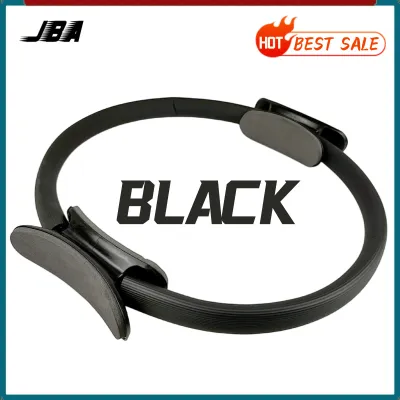
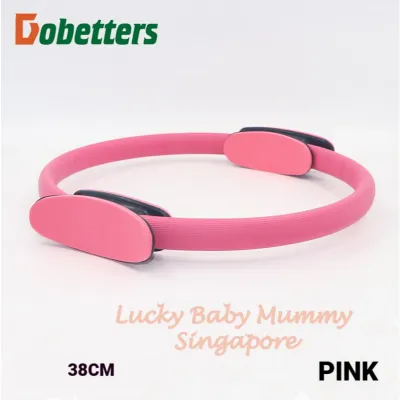
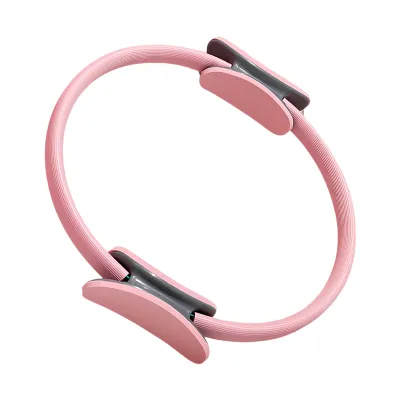
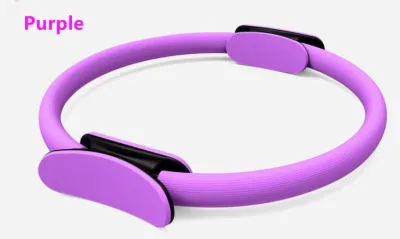
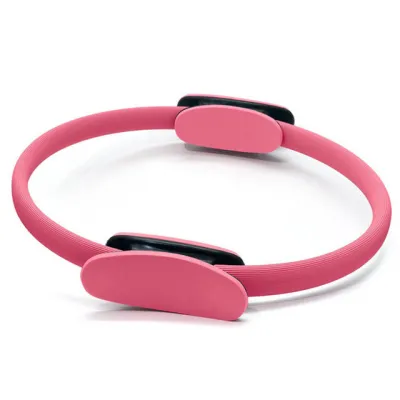
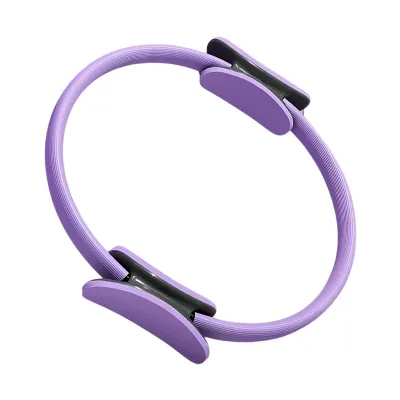
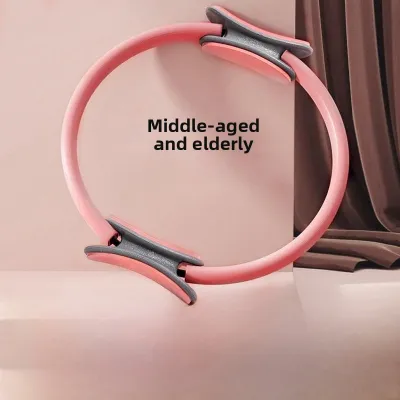
Prices are valid at publication and may change. Please refer to the product page for the latest price.
A standard 14-to-15-inch ring is highly versatile and generally accommodates the majority of adult users. This size provides a natural alignment for chest presses, where the ring is held between the palms, and for leg exercises where the ring is placed just above the ankles or knees. If the ring is too wide for your frame, you may find yourself forcing your limbs outward or inward to hold it in place, which can strain your joints.
Conversely, a smaller 12-inch ring is often more suitable for individuals with a shorter stature or narrower frame. It is particularly useful for targeted inner thigh (adductor) exercises, as it does not require you to spread your legs too wide to initiate contact. To estimate your ideal size before buying, you can measure the distance between your hands when your elbows are bent at a comfortable ninety-degree angle, or simulate holding a block between your knees to see what width feels most natural for your hips.
Resistance Tension and Flexibility
The resistance of a Pilates circle is determined by its inner core material, which is typically made of flexible spring steel or fiberglass. For a beginner, selecting the correct tension level is crucial for learning proper form without overexerting your muscles or straining your joints. A ring that is too stiff will encourage you to use momentum or larger, dominant muscle groups rather than the deep stabilizing muscles Pilates is designed to target.
Rings with high flexibility and a moderate bend are highly recommended for those new to the practice. These options allow you to focus on smooth, controlled compressions while maintaining a neutral spine and relaxed shoulders. If you find yourself shrugging your shoulders, clenching your jaw, or holding your breath just to squeeze the ring, the resistance level is too high for your current baseline strength.
On the other hand, a ring with too little resistance will collapse completely with minimal effort, failing to provide the sensory feedback needed to engage your muscles. To assess whether a ring’s tension is appropriate, you should be able to compress it smoothly to about half its original width while maintaining complete control over both the squeeze and the release.
Grip Material and Padding Comfort
Because a Pilates circle is squeezed between your hands, thighs, knees, or ankles, the quality and design of its padding are vital for preventing discomfort and bruising. Most rings feature dual-sided pads—located on both the inside and outside of the circle—to facilitate both inward pressing and outward pulling movements. The materials used for these pads typically include Ethylene-Vinyl Acetate (EVA) foam, Nitrile Butadiene Rubber (NBR), or silicone.
EVA foam is a popular choice because it is firm, durable, and retains its shape well under repeated pressure, providing a stable surface for your hands and ankles. NBR rubber is softer and offers more cushion, which can be gentler on sensitive areas like the inner thighs or shins. When evaluating these materials, look for closed-cell foam structures, as they do not absorb sweat and are much easier to keep clean over time.
In Singapore’s humid environment, sweat resistance is a key safety consideration. A slippery grip can cause the ring to pop out of place mid-exercise, potentially causing minor injuries or interrupting your flow. Ergonomically contoured handles that match the natural curve of your palms or ankles offer significantly better stability and pressure distribution than flat, un-sculpted pads, making your workouts both safer and more comfortable.
Aligning the Equipment with Your Fitness Level and Space
Transitioning from bodyweight mat Pilates to equipment-assisted workouts is an excellent way to challenge your stability and deepen your practice. The Pilates circle acts as a tactile guide, helping you identify when your alignment is off or when certain muscle groups are disengaged. However, integrating this tool requires adjusting your expectations; exercises that once felt simple may become significantly more challenging when resistance is introduced.

When planning your home workout space in a typical Singapore apartment, storage and environmental factors must be considered. Pilates circles are exceptionally space-efficient because they are flat and lightweight, allowing them to be tucked under a bed, slid into a closet, or hung on a wall hook. However, you must avoid storing your ring in areas exposed to direct sunlight, high heat, or ambient moisture, such as a balcony or near a bathroom. Prolonged exposure to these elements can degrade the outer plastic coating, make the foam pads sticky, or weaken the inner core material.
If you have joint sensitivity, wrist issues, or are returning to exercise after a period of inactivity, a lighter, highly flexible fiberglass ring is generally the safest choice. Fiberglass tends to offer a softer, more progressive resistance curve compared to the sudden, rigid feedback of spring steel. Always prioritize slow, mindful movements, and stop immediately if you experience any sharp joint pain rather than muscle fatigue.
Pre-Purchase Verification and Safety Boundaries
Before finalizing your purchase, it is essential to establish a verification routine to ensure the product you are buying is safe and structurally sound. Start by checking the manufacturer’s specifications regarding the inner core material and construction. High-quality rings typically feature a fiberglass or spring-steel core wrapped in a protective plastic or rubber sleeve, which prevents the core from snapping outward if it ever fails.
You should also look for clear safety guidelines and bend limits provided by the manufacturer. A reliable Pilates circle is designed to return to its perfect circular shape immediately after compression; if a product description notes that the ring may warp or retain an oval shape after use, it is likely made of inferior materials. Regularly inspect your ring before each workout, checking for micro-cracks in the plastic, loose or peeling pads, or any signs of structural fatigue.
Crucially, you must understand the physical limits of a Pilates circle to prevent accidents during your home routines. The ring is strictly a resistance accessory designed for squeezing and pulling; it is never a load-bearing structural support. You should never stand directly on top of the ring with your full body weight, use it to anchor resistance bands, or attempt to suspend heavy objects from it. Misusing the ring as a bodyweight support can cause it to collapse or slip violently, leading to falls or impact injuries.
Building Your Beginner Shortlist
To find the right Pilates circle for your needs, compile a shortlist of potential options from local online marketplaces or fitness specialty retailers. Creating a simple comparison matrix will help you evaluate different models side by side based on their physical specifications and your personal budget.
Your comparison matrix should include columns for the ring’s diameter, core material, padding type, and price in S$. For a beginner, a reliable and durable Pilates circle typically costs between S$15 and S$40. There is generally no need to purchase premium, high-priced models, as many mid-range options offer excellent durability and comfort for home use.
When browsing online listings, take the time to read the digital user manuals or detailed product specifications provided by the seller. Pay close attention to the stated weight limits, care instructions, and any warnings regarding material usage. Additionally, prioritize sellers that offer clear return policies or satisfaction guarantees; because resistance preference is highly subjective, having the option to exchange a ring that feels too stiff or too flexible ensures you do not end up with unusable equipment.
Frequently Asked Questions (FAQ)
Can I use a pilates circle for rehabilitation or physical therapy?
While a Pilates circle is an excellent tool for general fitness, mobility, and muscle activation, it is not a substitute for specialized clinical rehabilitation equipment. Standard fitness rings do not provide precise, calibrated, or adjustable tension levels, which are often necessary to safely rehabilitate specific injuries without overloading healing tissues. If you are recovering from an injury or managing a chronic condition, you must consult a qualified physical therapist before incorporating a resistance ring into your routine. A professional can guide you on the correct movements and ensure the equipment’s resistance is safe for your specific stage of recovery.
How do I clean and maintain the padding after workouts?
To maintain hygiene and extend the lifespan of your Pilates circle, wipe down the foam or rubber pads after every workout using a soft cloth dampened with water and a mild, non-abrasive soap. Avoid using harsh chemical disinfectants, alcohol-based sprays, or heavy oils, as these substances can break down the cellular structure of EVA or NBR foam, causing it to crumble, discolor, or lose its non-slip texture. Always allow the ring to air-dry completely in a well-ventilated, shaded indoor area before storing it away. This simple routine prevents moisture buildup, which can lead to unpleasant odors and premature material degradation.
Community discussion
Share your experience or ask a question. Comments are reviewed before publication.