
To stay dry and comfortable in the outdoors, look for a minimum rainfly waterproof rating of 1,500mm for general three-season camping. If you frequently camp in areas prone to sudden, heavy tropical downpours, upgrading to a rainfly rating of 2,000mm to 3,000mm provides a much safer buffer.
However, the ideal rating for your setup depends heavily on whether you choose an elevated cot tent or a traditional ground-level tent. It also depends on how well the tent balances water resistance with breathability, especially when camping in warm, high-humidity environments.
Decoding Waterproof Ratings: What the Millimeter (mm) Numbers Mean
The waterproofness of tent fabric is measured using the Hydrostatic Head (HH) rating, which is expressed in millimeters (mm). To determine this number, laboratory technicians place a column of water over a piece of taut fabric and gradually increase the water pressure. The height of the water column at the exact moment the fabric begins to leak—such as 1,500mm or 3,000mm—becomes the official rating.
Products mentioned in this guide
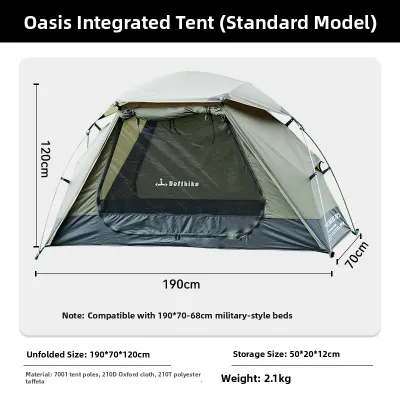
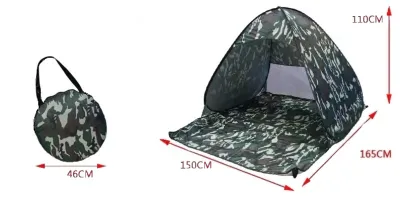
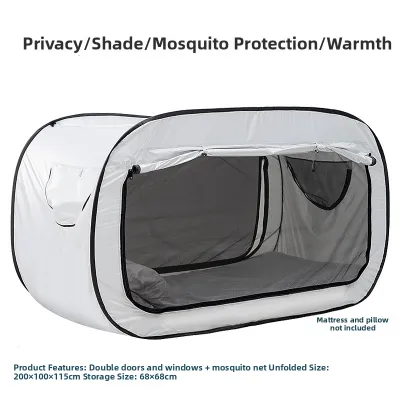
Prices are valid at publication and may change. Please refer to the product page for the latest price.
While a higher millimeter rating indicates that the fabric can withstand greater water pressure before failing, it is important to treat these numbers as comparative baselines rather than absolute guarantees. Testing standards vary among manufacturers and geographic regions, meaning a 1,500mm rating from one brand might perform slightly differently than a 1,500mm rating from another. Always check the manufacturer’s specific product documentation to understand how their ratings are verified.
Furthermore, chasing the highest possible number is not always the best strategy for casual campers. Fabric coatings that provide extreme waterproof ratings, such as thick layers of polyurethane (PU), add significant weight and bulk to your gear. These heavy coatings also reduce the fabric’s natural flexibility and packability, making the tent more difficult to transport and pitch.
Choosing the Right Rating for Your Expected Weather Conditions
Selecting the right waterproof rating requires matching your gear to your expected weather conditions and typical camping venues.

For dry climates or light summer showers, an entry-level rating of 800mm to 1,200mm is generally sufficient for basic shelter.
Standard three-season camping, which often involves steady rain and moderate winds, requires a rainfly rating of 1,500mm to 2,000mm to ensure reliable protection.
If you plan to camp during monsoon seasons or in regions known for intense, prolonged storms, look for a heavy-duty rating of 3,000mm or higher.
When evaluating specifications, you will often notice that manufacturers list different ratings for the rainfly and the tent floor. The floor typically requires a much higher rating—frequently 3,000mm to 5,000mm—because it must withstand the physical pressure of your body weight. When you sit, kneel, or sleep, your body exerts concentrated pressure on the fabric, which can force ground moisture through lower-rated materials.
Keep in mind that even the highest-rated fabric will fail if the tent is not pitched correctly. Proper tensioning prevents the rainfly from sagging and pooling water, while maintaining a clear physical gap between the wet rainfly and the inner tent body prevents moisture from transferring inward.
Elevated Cot Tents vs. Ground Tents: Where Waterproofing Matters Most
The structural design of your camping bed tent plays a massive role in how you should prioritize waterproof ratings.
Elevated cot tents, which feature an integrated sleeping platform suspended on a folding frame above the ground, offer a distinct advantage. Because your sleeping surface is raised 15 to 30 centimeters off the damp earth, you are completely isolated from surface runoff, mud, and pooling rainwater.
For these elevated setups, you do not need an exceptionally high waterproof rating on the tent floor. Instead, your primary focus should be on the rainfly’s rating and its physical coverage. Ensure the rainfly extends low enough around the cot frame to block wind-driven rain from blowing underneath your sleeping platform and splashing upward through the breathable floor fabric.
In contrast, ground-level tents—including traditional tents where you place an independent camping cot inside—require a highly robust floor design. For these configurations, a fully waterproof “bathtub” floor with a rating of at least 3,000mm is essential. A bathtub floor wraps several inches up the sides of the tent walls before joining the upper fabric, preventing standing water and saturated soil from wicking through the seams.
Beyond the Rating: Seams, Zippers, and Breathability in Humid Climates
A high hydrostatic head rating on paper does not guarantee a dry night if the tent’s construction details are overlooked.
Water is highly opportunistic and will easily penetrate the tiny needle holes created during the sewing process. To prevent this, ensure your camping bed tent features factory-taped or sealed seams, where a waterproof polyurethane tape is heat-applied over the interior stitching.
Zippers are another common failure point during heavy downpours. High-quality tents feature wide storm flaps that fold over the zipper tracks, or specialized water-resistant zippers that prevent wind-driven rain from driving moisture through the zipper teeth.
In warm, high-humidity environments like Singapore, managing internal condensation is just as critical as blocking external rain. A highly waterproof fabric with poor ventilation will trap your body heat and exhaled moisture inside the tent. As the outside temperature drops at night, this trapped humidity condenses on the cold inner walls of the tent, creating an uncomfortable internal mist.
To maintain a comfortable sleeping environment in wet and humid conditions, prioritize tents with dual-layer designs, large mesh panels, adjustable rainfly vents, and dual-door configurations that promote continuous cross-ventilation.
Frequently Asked Questions (FAQ)
How often should I re-waterproof my camping bed tent?
The frequency of re-waterproofing depends on how often you camp, how much UV exposure the fabric receives, and how the tent is stored. As a general rule, inspect and test your tent’s water resistance annually. If you notice that rainwater no longer beads up and rolls off the outer rainfly, or if the interior polyurethane coating begins to flake, feel sticky, or emit a musty odor, it is time to apply an aftermarket treatment. Always clean the fabric thoroughly and apply a compatible spray-on or wash-in Durable Water Repellent (DWR) coating, following both the treatment product’s label and your tent manufacturer’s specific care instructions.
Is an extremely high waterproof rating always better?
An extremely high waterproof rating is not always the best choice for everyday camping. While expedition-grade fabrics with ratings of 5,000mm or more offer superb protection in extreme alpine storms, they are often excessively heavy, bulky, and expensive. They also tend to have very low breathability, which can make them hot and stuffy in milder climates. For most recreational campers, a moderate rating of 1,500mm to 2,000mm paired with high-quality factory seam sealing, robust zipper flaps, and excellent ventilation provides a much more comfortable, practical, and cost-effective solution.
Community discussion
Share your experience or ask a question. Comments are reviewed before publication.