
When choosing a portable changing room for outdoor activities in Singapore, you need a minimum waterproof rating of 1,500 mm Hydrostatic Head (HH) to withstand sudden, heavy tropical downpours. For highly exposed coastal areas like East Coast Park or Sentosa, or if you plan to use the shelter during the monsoon seasons, a rating of 2,000 mm to 3,000 mm is highly recommended to prevent water from seeping through the walls under wind pressure.
Singapore’s weather is notoriously unpredictable, with rapid transitions from intense sunshine to torrential rain. A privacy shelter that leaks or collapses not only ruins your dry clothes and gear but also compromises your privacy when you need it most. By understanding how waterproof ratings translate to real-world performance, you can select a shelter that keeps you dry and secure without overpaying for unnecessary, heavy-duty expedition gear.
Decoding Waterproof Ratings (Hydrostatic Head) for Privacy Tents
To make an informed decision, you must first understand how manufacturers measure and label waterproof performance. The standard metric used across the outdoor industry is Hydrostatic Head, which is measured in millimeters (mm). This rating indicates the amount of water pressure a fabric can withstand before moisture begins to penetrate the material.
Products mentioned in this guide
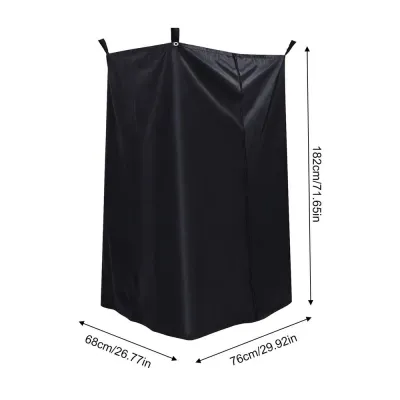
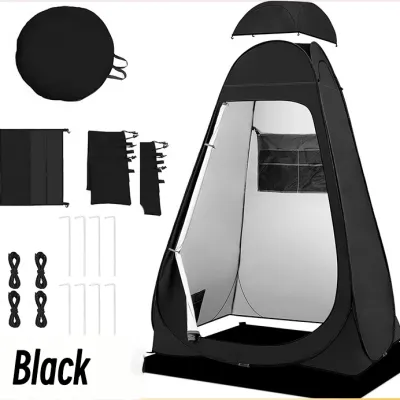
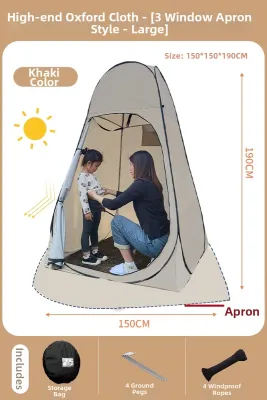
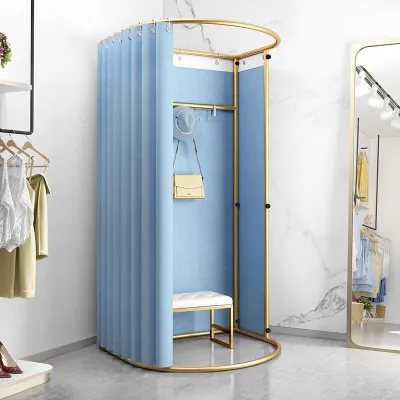
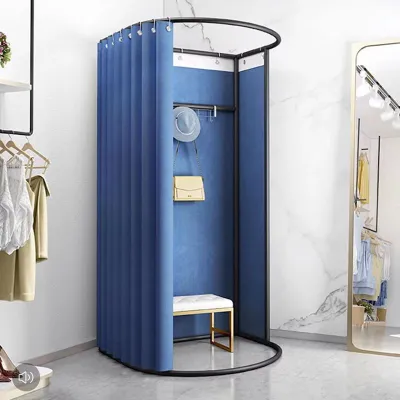
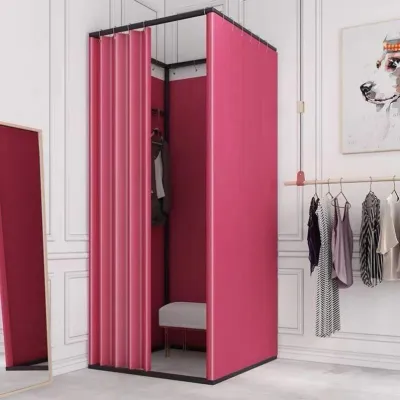
Prices are valid at publication and may change. Please refer to the product page for the latest price.
During testing, a laboratory places a column of water over a piece of taut fabric and increases the pressure. A rating of 1,500 mm means the fabric can support a 1.5-meter-tall column of water pressing down on it before three drops of water pass through. The higher the millimeter rating, the more pressure the fabric can handle before leaking.
It is important to distinguish between water-resistant and fully waterproof fabrics. Fabrics with a rating below 1,000 mm are generally considered water-resistant or shower-proof; they can repel light mist or a brief, gentle drizzle but will quickly saturate and leak under sustained rainfall. Truly waterproof fabrics start at 1,000 mm, but for unpredictable tropical environments, a higher baseline is necessary.
Portable changing rooms have different structural requirements compared to standard sleeping tents. In a sleeping tent, you lie directly on the floor, meaning your body weight exerts high localized pressure on the ground fabric, requiring a floor rating of 3,000 mm to 5,000 mm. In a portable changing room, you stand upright, and many models feature a mesh floor or a removable tarp. Consequently, floor waterproofing is secondary; your primary focus must be on the wall panels and the roof, which bear the brunt of wind-driven rain.
When shopping for a privacy shelter, always verify the exact millimeter rating on the manufacturer’s official specification sheet. Avoid relying on vague packaging claims such as “rainproof,” “weather-resistant,” or “waterproof” without a corresponding numerical HH rating. Reputable outdoor brands will explicitly state the HH rating of both the main canopy and the rainfly.
Matching the Rating to Singapore’s Tropical Showers
Singapore’s tropical climate is characterized by high-intensity, short-duration downpours that often develop rapidly in the afternoon. These storms are frequently accompanied by strong wind gusts, which drive rain horizontally against the sides of your shelter. Choosing the right rating depends on where and when you plan to set up your changing room.

For light or basic use, a rating of 1,000 mm to 1,500 mm is sufficient. This tier is ideal if you primarily use the changing room in relatively sheltered inland areas, such as shaded public parks, or during the drier inter-monsoon months. It provides enough protection to shelter you during a brief, passing shower while you change out of wet sportswear or swimwear.
For heavy or monsoon use, you should look for a rating of 2,000 mm to 3,000 mm. This higher tier is essential if you frequent exposed coastal locations like Pasir Ris Park, West Coast Park, or Sentosa, where wind-driven rain can easily force water through lower-rated fabrics. It is also the recommended range if you camp or participate in outdoor events during the Northeast Monsoon (November to January) or Southwest Monsoon (June to September) when prolonged, heavy downpours are common.
While it might be tempting to buy a tent with the highest possible waterproof rating, there is a practical trade-off to consider. Achieving a high waterproof rating requires thicker polyurethane (PU) coatings or denser synthetic weaves, which inherently reduce the fabric’s breathability. In Singapore’s hot and humid climate, where temperatures regularly exceed 30°C and relative humidity sits above 80%, a heavily coated, non-breathable tent can quickly turn into a stifling, humid sauna.
To find the practical sweet spot, aim for a fabric rated between 1,500 mm and 2,000 mm. This range provides robust protection against typical tropical downpours while keeping the fabric lightweight and allowing the structure to remain manageable. You can then rely on smart design features, such as ventilation ports and rainflies, to manage airflow and condensation without sacrificing water resistance.
Essential Weather-Ready Features Beyond the Fabric Rating
A high millimeter rating on paper does not guarantee a dry interior if the changing room’s structural design is flawed. When evaluating a portable changing room, look beyond the fabric specification and inspect several critical design elements.
Seam Construction
Even the most advanced waterproof fabric will leak if the seams are poorly constructed. Every stitch line creates thousands of tiny needle holes that act as natural conduits for water. Ensure the changing room features factory-taped or heat-sealed seams, where a waterproof tape is thermally applied over the stitching to seal these entry points. Double-stitched seams also offer superior durability against the tension caused by wind.
Roof Design and Rainflies
Many pop-up changing rooms utilize a mesh roof panel to allow heat, steam, and odors to escape. While excellent for ventilation, an uncovered mesh roof will immediately let rain inside. Check if the product includes a dedicated, waterproof rainfly that clips securely over the mesh roof, extending far enough over the sides to shed water away from the ventilation openings. Alternatively, look for models with solid, zippered roof panels that can be closed completely during a storm.
Wet Opacity
A critical safety and privacy concern is how the fabric behaves when wet. Some lightweight, low-quality polyester fabrics become semi-translucent or show distinct silhouettes when they are thoroughly soaked and backlit by the sun or artificial lighting. To ensure complete privacy, verify that the tent fabric is treated with an internal silver or black out-of-sight coating. This coating not only blocks light to maintain opacity when wet but also provides essential UV protection from the tropical sun.
Wind Stability
Heavy tropical rain in Singapore is rarely static; it is almost always accompanied by wind. A lightweight, spring-steel pop-up frame can easily buckle, twist, or blow away if it is not properly anchored. Look for changing rooms that feature dedicated guy-line attachment points on the upper corners of the frame. Always secure the shelter using high-quality ground pegs and guy lines. If you are setting up on sandy beaches, standard metal pegs will not hold; you must use wider sand pegs or external sandbag anchors to keep the structure upright.
Safety Limits
It is vital to recognize that a portable changing room is a temporary privacy shelter, not a survival storm tent. If a severe weather warning is active, or if you experience lightning, thunder, or extreme gale-force winds, do not attempt to stay inside or hold down the shelter. Dismantle the changing room immediately and seek shelter in a permanent brick-and-mortar building or a vehicle.
Preventing Mold and Odors in a High-Humidity Climate
Singapore’s constant high humidity is the primary enemy of outdoor gear. If you do not care for your portable changing room correctly, trapped moisture will lead to rapid mold growth, musty odors, and the chemical breakdown of the waterproof coating.
Drying Protocol
Never pack a damp or wet changing room into its carry bag for long-term storage. Doing so invites mold to grow within 24 to 48 hours, which can permanently stain the fabric and ruin the waterproof coating. If you must pack up the tent while it is raining, unpack it as soon as you return home. Set it up in a well-ventilated, shaded indoor area, a balcony, or a service yard, and run a standing fan to dry it completely. Avoid leaving the tent in direct, harsh sunlight for extended drying periods, as prolonged UV exposure degrades synthetic fibers and weakens polyurethane coatings.
Safe Cleaning
To clean off mud, sand, salt spray, or early mold spots, use a soft sponge, lukewarm water, and a mild, non-detergent soap. Gently wipe down the affected areas and rinse thoroughly with clean water. Never use harsh household detergents, bleach, or abrasive scrubbing pads, and never put the tent in a washing machine or tumble dryer. These aggressive cleaning methods will strip away the delicate polyurethane waterproof layer and damage the frame.
Storage Conditions
Once the changing room is completely dry, fold it carefully and store it in its carry bag. Keep it in a cool, dry, and dark place inside your home, such as a wardrobe or utility closet. Avoid storing outdoor gear in hot, unventilated spaces like car boots, outdoor storage boxes, or damp balconies, as the extreme heat and humidity will cause the waterproof coatings to degrade, become sticky, and eventually peel off.
Frequently Asked Questions (FAQ)
Can I use a standard pop-up beach tent as a changing room in the rain?
No, standard beach sun-shelters are not suitable changing rooms during rainfall. Most beach tents are designed primarily for UV protection and wind blocking; they often feature open-front designs, large exposed mesh panels, and fabrics with little to no waterproof coating. They also lack the vertical height required for an adult to stand upright comfortably, and they rarely feature taped seams, meaning they will leak rapidly in a tropical downpour.
Does a higher waterproof rating make the changing room harder to set up?
No, a higher waterproof rating does not affect the difficulty of setting up the shelter. While a higher rating means the fabric is slightly thicker or has a heavier polyurethane coating, the ease of assembly is entirely determined by the frame mechanism. Quick-pitch umbrella-style frames and spring-steel twist-fold frames function the same way regardless of the fabric’s thickness. Choose a frame design that matches your physical handling preferences and confidence level.
Community discussion
Share your experience or ask a question. Comments are reviewed before publication.