
To stay dry during Singapore’s sudden, heavy downpours, a camp tent requires a flysheet waterproof rating of at least 1,500mm to 3,000mm, paired with a groundsheet rating of 3,000mm to 5,000mm or higher. Because of the region’s intense tropical climate, relying solely on a high waterproof number is not enough. True wet-weather protection depends on a combination of fabric ratings, structural design, ventilation, and proper pitching techniques.
When selecting a camp tent for local environments, you must balance water resistance with airflow. A tent that blocks external rain but traps internal humidity will quickly turn into an uncomfortable, damp shelter. Understanding how these specifications translate to real-world performance will help you choose gear that keeps you dry and comfortable.
How Singapore's Tropical Climate Challenges Your Camp Tent
Singapore’s tropical rainforest climate presents unique challenges for outdoor gear. With temperatures consistently hovering between 25°C and 33°C and relative humidity levels frequently exceeding 80%, the environment is warm, damp, and highly dynamic. Rainfall is common throughout the year, often arriving as sudden, intense afternoon thunderstorms or prolonged monsoon downpours that can saturate the ground within minutes.
Products mentioned in this guide
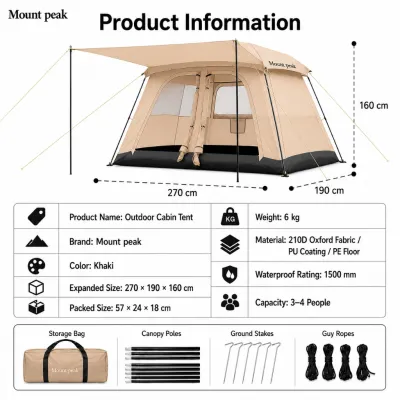
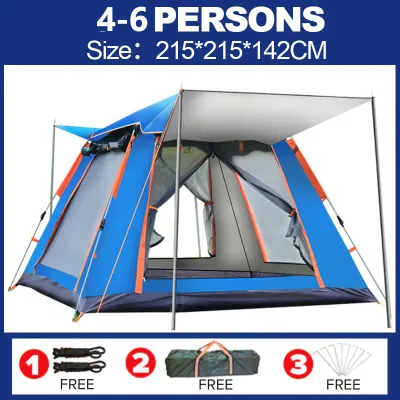
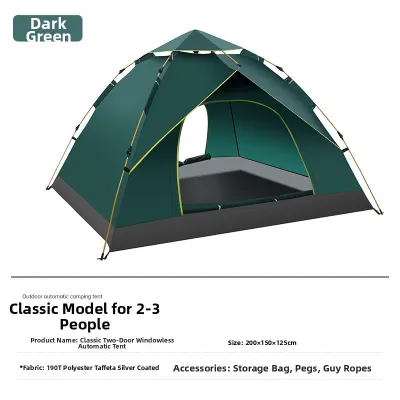
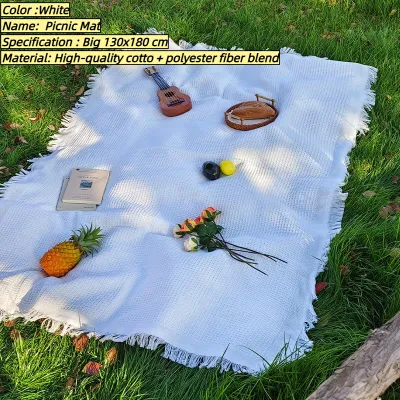
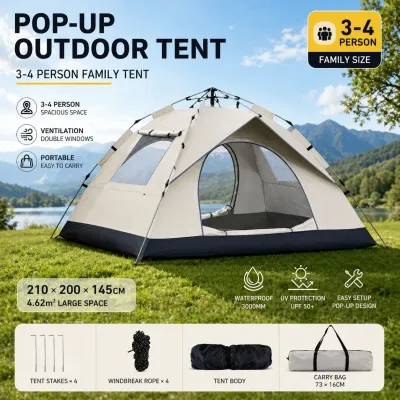
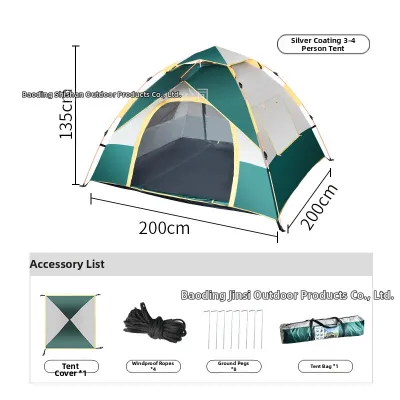
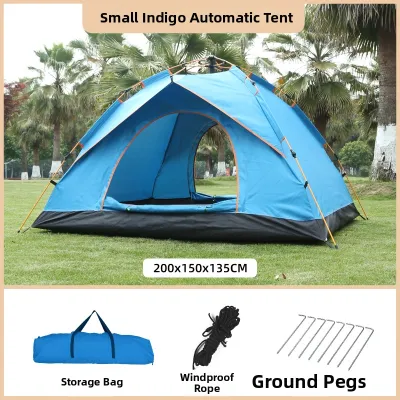
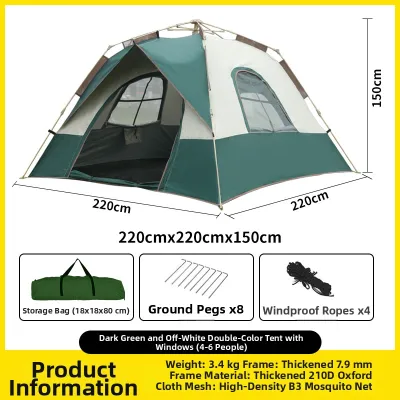
Prices are valid at publication and may change. Please refer to the product page for the latest price.
For campers, this means a tent must do more than simply block overhead rain. It must withstand high-velocity water droplets during windy squalls while simultaneously managing extreme ambient humidity. When rain falls on a warm, sealed tent, the temperature difference between the inside and outside creates a rapid buildup of condensation on the inner walls. Without proper ventilation, this moisture has nowhere to go, resulting in a damp interior even if the outer fabric successfully blocks the rain.
Furthermore, the combination of high heat and constant moisture accelerates the wear of outdoor gear. Materials that perform well in dry, temperate climates can quickly degrade when subjected to prolonged tropical dampness. Choosing a tent for this environment requires prioritizing fabrics and coatings designed to resist water penetration without sacrificing the airflow necessary to prevent a stifling interior.
Before planning any outdoor excursion, it is critical to recognize the limits of camping equipment. While a high-quality tent provides reliable shelter against rain and moderate winds, it cannot replace personal safety judgment or protect against extreme weather events. Singapore’s monsoon seasons can bring severe lightning storms, high-velocity wind squalls, and localized flash flooding. Campers should always check active weather advisories from local meteorological services before setting out. If severe weather warnings are in place, the safest decision is to postpone the trip or evacuate to a permanent, structurally sound shelter immediately.
Decoding Waterproof Ratings: What the Numbers Actually Mean
Waterproof ratings for outdoor gear are expressed in millimeters (mm) of Hydrostatic Head (HH). This measurement indicates the pressure at which water can penetrate a fabric. To determine this rating, manufacturers place a column of water over a piece of tensioned fabric and measure how high the column can climb before three drops of water force their way through. For example, a fabric rated at 2,000mm can resist a two-meter-tall column of water before leaking.

While it is tempting to assume that a higher HH rating is always better, there are practical trade-offs to consider. To achieve very high waterproof ratings, manufacturers must apply thicker layers of polyurethane (PU) coatings or use denser, heavier fabrics. This extra coating adds significant weight and bulk to the tent, which can be a major drawback if you are hiking or backpacking. Additionally, heavy coatings reduce the fabric’s breathability, trapping heat and moisture inside the tent and exacerbating the “sauna effect” in tropical conditions.
It is also important to recognize that HH ratings are determined in controlled laboratory settings using brand-new fabric. In the field, factors such as wind pressure, fabric tension, UV exposure, and physical wear will reduce the effective water resistance of your tent over time. Rather than relying on generic marketing terms like “waterproof” or “weatherproof,” always check the manufacturer’s specific product manuals and specifications to verify the exact testing standards used.
Flysheet vs. Groundsheet Requirements
The flysheet (the outer rainfly) and the groundsheet (the tent floor) serve completely different protective functions and therefore require different waterproof ratings. The flysheet is designed to shed falling rain and resist wind-driven water droplets. Because water running off a slanted surface does not pool or exert prolonged pressure, a flysheet rating of 1,500mm to 3,000mm is generally sufficient to keep out the heaviest tropical downpours, provided the tent is pitched tautly.
In contrast, the groundsheet is subjected to constant, localized physical pressure. When you sit, kneel, sleep, or place heavy gear on the tent floor, your body weight forces the fabric against the wet ground. This physical compression can push groundwater directly through fabrics with lower waterproof ratings. To prevent this moisture from seeping into your sleeping area, a groundsheet should have a minimum rating of 3,000mm, with 5,000mm or more being highly recommended for waterlogged tropical soils.
When comparing tent designs, always check both specifications. A tent with a highly waterproof flysheet but a weak groundsheet will quickly leave your sleeping gear damp from below. Ensuring that the floor fabric is significantly more robust than the rainfly is a critical step in selecting a reliable shelter.
Your choice of waterproof ratings should also align with your specific camping activity, venue, and carrying method. For instance, casual family campers setting up large multi-room tents at designated campsites like East Coast Park or Pasir Ris Park can afford to prioritize heavy-duty, highly waterproof materials. Since the gear is transported by car, the added weight of thick groundsheets and heavy steel poles is not a constraint.
Conversely, solo backpackers or adventure campers trekking through Pulau Ubin or the Southern Islands must carry all their gear on their backs. For these activities, a lightweight double-wall tent with a 1,500mm silicone-coated nylon (silnylon) flysheet and a 3,000mm floor offers an optimal balance. It provides adequate storm protection while keeping the pack weight manageable to prevent physical fatigue during long hikes in high humidity.
Essential Camp Tent Features for Heavy Downpours and High Humidity
While the hydrostatic head rating of a camp tent is a vital specification, it is only one component of a comprehensive weatherproofing system. A high waterproof rating on the fabric will not keep you dry if water can easily seep through stitching holes, zippers, or structural seams. When evaluating tents for tropical rain, look for fully taped seams, where a waterproof polyurethane tape has been heat-sealed over every structural seam to block water from entering the needle holes.
Zippers are another common point of failure during heavy downpours. High-quality tents feature wide storm flaps that fold over the zippers to shed water away from the opening, or they utilize specialized water-resistant zippers. Ensure these flaps are properly aligned and secured when the tent is closed to prevent wind-driven rain from bypassing the zipper teeth.
To manage Singapore’s high humidity, a double-wall tent construction is highly recommended over a single-wall design. A double-wall tent consists of an inner tent made primarily of breathable mesh, covered by a separate, waterproof outer flysheet. This design creates a physical air gap between the two layers, allowing warm, moist air to escape the inner sleeping area and condense on the underside of the outer flysheet instead of dripping directly onto your gear. Adequate ventilation ports near the top of the flysheet further encourage airflow, helping to dry out internal moisture.
Finally, always use a dedicated tent footprint. A footprint is a ground cloth cut slightly smaller than the dimensions of your tent floor. It acts as a protective barrier, shielding the groundsheet from abrasive rocks, roots, and twigs that can puncture the fabric or wear down its waterproof coating. By absorbing the friction and moisture of the ground, a footprint significantly extends the lifespan of your tent’s primary waterproof barrier.
Protecting Your Tent's Waterproof Coating from Tropical Humidity
The combination of high heat and persistent humidity in Singapore can be highly destructive to the polyurethane (PU) coatings used to waterproof most camp tents. Over time, exposure to moisture can cause a chemical reaction known as hydrolysis. This process breaks down the chemical bonds of the PU coating, causing it to become sticky, peel away from the fabric, or emit a distinct, vinegar-like odor. Once hydrolysis occurs, the waterproof barrier is permanently compromised.
To prevent hydrolysis and mold growth, you must follow strict maintenance and storage practices. Never pack away a wet or damp tent for long-term storage. If you must pack up your campsite during a rainstorm, pitch the tent or hang it up in a well-ventilated area within 24 hours to let it dry completely. Ensure that every component, including the inner tent, flysheet, guy lines, and storage bag, is bone-dry before folding it away.
When drying your tent, avoid leaving it in direct, intense sunlight for extended periods. Ultraviolet (UV) radiation breaks down synthetic fibers and degrades waterproof coatings, making them brittle and prone to leaking. Instead, air your tent out in a shaded, breezy location. For cleaning, use a soft sponge and cool, clean water to gently wipe away dirt, salt, or sand. Avoid using household detergents, washing machines, or tumble dryers, as these will strip away the waterproof coatings and damage taped seams.
Over years of regular use, the factory-applied Durable Water Repellent (DWR) coating on the exterior of the flysheet will naturally wear off, causing rainwater to saturate the fabric rather than bead and roll off. If you notice the fabric absorbing water, you can restore its performance using aftermarket DWR sprays or seam sealers. Always check the tent manufacturer’s care instructions and the product labels of any aftermarket treatments before application. If the instructions conflict, defer to the manufacturer’s guidelines to avoid damaging the fabric.
Smart Pitching Strategies to Prevent Groundwater and Leaks
Even the most advanced waterproof camp tent can fail if it is pitched poorly or positioned in an active drainage path. Before setting up your camp, take time to evaluate the surrounding terrain. Avoid natural depressions, dry creek beds, or the base of slopes where rainwater will naturally accumulate and pool during sudden downpours. Instead, select a flat, slightly elevated site that allows water to drain away from your tent.
When pitching your tent, ensure that the flysheet is tensioned correctly using all available guy lines and stakes. A taut flysheet allows rainwater to run off quickly and prevents water from pooling on flat sections of the fabric. It also keeps the wet flysheet from sagging and touching the inner mesh wall, which can transfer moisture directly into the sleeping cabin. If wind is expected, align the lowest, most aerodynamic profile of the tent into the wind to minimize structural stress and prevent rain from being blown under the flysheet.
Proper placement of your tent footprint is equally critical. The footprint must be tucked completely underneath the tent floor, with no fabric extending beyond the perimeter of the tent. If any portion of the footprint sticks out, it will act as a funnel, catching rainwater running off the flysheet and directing it straight under your tent. This creates a pool of standing water directly beneath your groundsheet, significantly increasing the risk of water seeping through the floor under the pressure of your body weight.
Frequently Asked Questions (FAQ)
Is a 1000mm waterproof rating enough for Singapore?
A 1,000mm waterproof rating is generally considered water-resistant rather than fully waterproof. While it may withstand light, brief showers, it is highly likely to fail during Singapore’s intense, wind-driven tropical downpours. For reliable protection in local conditions, look for a flysheet rating of at least 1,500mm to 3,000mm and a groundsheet rating of 3,000mm to 5,000mm.
Why is the inside of my tent wet even when it hasn't rained?
This is usually caused by condensation, not a leak. In Singapore’s highly humid environment, the moisture from your breath and body heat rises and condenses on the cooler fabric of the tent. To minimize condensation, ensure you are using a double-wall tent, keep all ventilation flaps open, and avoid letting sleeping bags or gear touch the inner walls of the tent.
Community discussion
Share your experience or ask a question. Comments are reviewed before publication.