
Do Beginners Need a Full Cricket Kit?
Starting your journey in cricket is an exciting step, but walking into a sports depot can quickly feel overwhelming. Row after row of specialized padding, heavy-duty helmets, and pristine willow bats can make it seem like you need to invest a small fortune just to play your first match. The short answer is simple: you do not need a complete, professional-grade cricket kit on day one.
A professional setup includes over a dozen highly specialized items designed to withstand high-velocity impacts. However, as a beginner, your immediate needs depend entirely on the style of cricket you are playing and the type of ball being used. If you are starting with a soft training ball or a tennis ball, your protective requirements are minimal.
The core framework for building your gear collection relies on separating non-negotiable safety equipment from progressive, skill-dependent additions. When transitioning to a hard leather cricket ball, safety gear becomes mandatory to prevent serious injury. By focusing first on these essential protective items and holding off on premium accessories, you can safely enjoy the sport without overspending.
Products mentioned in this guide
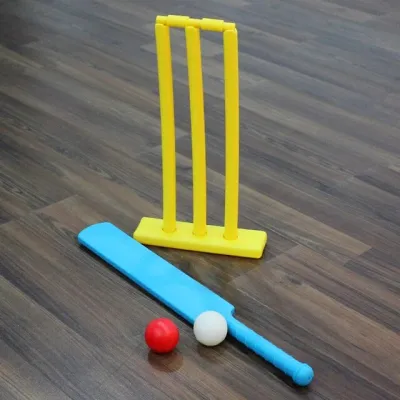
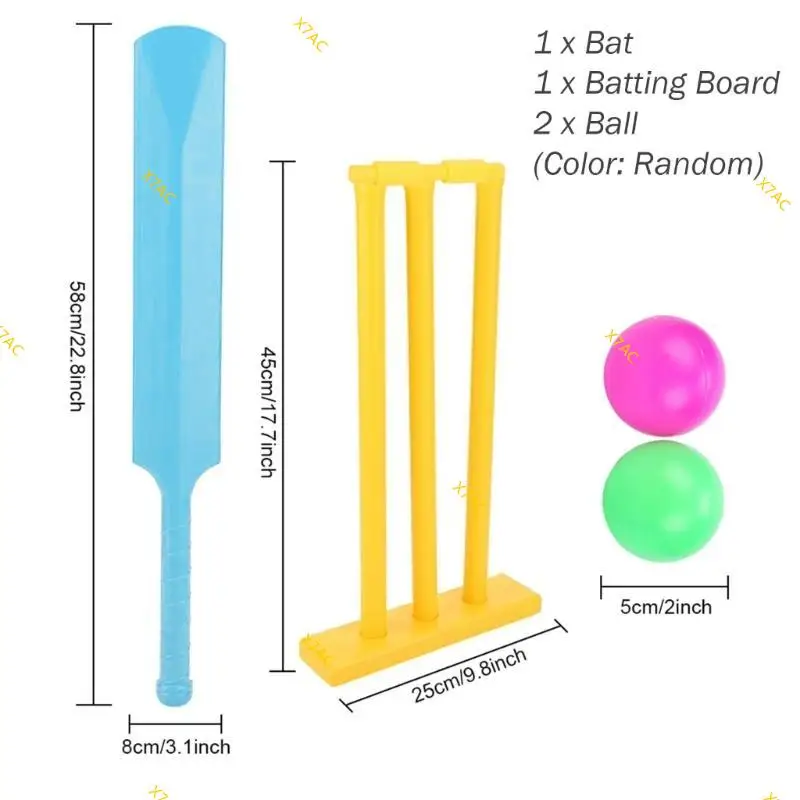
Prices are valid at publication and may change. Please refer to the product page for the latest price.
Furthermore, the tropical, humid climate of Singapore plays a practical role in how you select and maintain your gear. High humidity means sweat accumulates quickly, affecting your grip, comfort, and the lifespan of your equipment. Prioritizing breathable, easily cleanable essentials will serve you far better than buying a massive, expensive kit bag filled with items you rarely use.
Essential Cricket Gear: What You Cannot Skip
Before you step onto the pitch for a structured practice session or a local match, you must establish your baseline of essential equipment. Skipping critical gear when playing with a hard leather ball poses severe safety risks. The primary goal of your initial purchases should be personal protection and securing the basic tools required to participate in batting and bowling drills.

Safety Equipment (Non-Negotiable)
When playing hard-ball cricket, certain protective items are absolute requirements. These pieces of equipment shield high-risk areas of your body from fast-moving balls and must never be compromised.
- Cricket Helmet: A proper helmet is the most critical piece of safety gear. It must feature a secure, adjustable face grille that prevents a cricket ball from squeezing through to make contact with your face. When purchasing, look for helmets that meet recognized safety standards, such as the British Standard BS 7928:2013. The helmet must fit snugly without wobbling when you shake your head, and the chin strap must secure tightly. Never buy a used helmet, as invisible structural cracks from previous impacts can compromise its protective ability.
- Abdominal Guard (The Box): This is a non-negotiable protective cup designed to shield the groin area. It is inexpensive but absolutely vital for anyone facing a bowler. To wear it comfortably, you will need specialized jockstraps, athletic supporters, or compression shorts featuring a built-in pocket to hold the guard securely in place.
- Batting Gloves: Your hands are highly vulnerable to painful impacts when holding a bat. Batting gloves feature high-density foam padding on the fingers and back of the hand, along with reinforced leather palms for grip. For beginners, ensure the gloves offer extra protection on the thumb and index finger of your lead hand (the hand positioned higher on the handle). Because of Singapore's humid weather, look for gloves with mesh side panels to allow ventilation and reduce sweat buildup, which can cause the leather to rot and slip.
- Leg Guards (Batting Pads): Batting pads protect your shins, knees, and lower thighs from bruising or fractures. When trying on leg guards, ensure the bolster (the padded horizontal roll) aligns perfectly with your kneecap when you stand in your batting stance. If the pads are too long, they will restrict your movement and make running between wickets incredibly difficult.
Always verify the fit of all protective gear before starting a session. Ill-fitting pads or a loose helmet can slip out of position mid-play, leaving you exposed to painful injuries. If any piece of safety gear feels loose, restricts your breathing, or impairs your vision, adjust it immediately or consult a coach.
Core Gameplay Equipment
Once your safety is secured, you need the fundamental tools of the game: a bat and a ball. Selecting these items requires analyzing your physical strength and the format of your practice sessions.
- Cricket Bat: Do not make the mistake of buying the most expensive English Willow bat on the market. For beginners, a sturdy Kashmir Willow bat or a lower-grade English Willow bat is highly suitable. Kashmir willow is denser, heavier, and highly durable, making it an excellent budget-friendly option for learning proper stroke play. When choosing a bat, size is more important than brand. Use standard sizing charts based on your height:
- Size 5: Suitable for heights between 150 cm and 152 cm.
- Size 6: Suitable for heights between 153 cm and 157 cm.
- Harrow: Suitable for heights between 158 cm and 163 cm.
- Short Handle (SH): The standard size for adults 164 cm and taller.
- The One-Handed Lift Test: To ensure a bat is not too heavy for you, hold the handle with only your dominant hand and lift the bat straight out horizontally in front of you. If you cannot hold it steady for 10 seconds without your wrist trembling, the bat is too heavy. A lighter bat allows for better control, quicker hand speed, and proper technique development.
- Cricket Ball: Traditional leather cricket balls weigh approximately 156 grams for adults and are incredibly hard. If you are practicing in public parks, residential areas, or casual community spaces in Singapore, a leather ball can be dangerous to bystanders and property. For casual practice and skill development, opt for synthetic heavy tennis balls, windballs, or rubber training balls. These alternatives mimic the bounce of a real ball but do not require you to wear full protective padding during casual play.
Optional Cricket Equipment: What You Can Wait to Buy
As you gain experience and transition into competitive league matches, you can gradually expand your cricket kit. Many items marketed to cricketers are convenience pieces or advanced protection that beginners simply do not need on day one. Delaying these purchases keeps your initial investment low and prevents cluttering your sports bag.
Additional Protective Gear
Advanced batters facing fast bowlers often wear extra layers of armor. While useful, these items are optional for beginners who are still learning basic stance and stroke mechanics against slower bowling.
- Thigh Pads (Inner and Outer): These pads strap around your upper legs to protect your thighs from deliveries that bounce unexpectedly high. While highly recommended once you face fast, short-pitched bowling, they are not strictly necessary when practicing against gentle bowling or bowling machines.
- Arm and Chest Guards: An arm guard protects your forearm, while a chest guard shields your ribs. These are highly specialized items used primarily by players facing high-velocity bowling on hard, bouncy turf wickets. If you are playing on standard school grounds or artificial community wickets, you can safely hold off on these items.
Apparel and Footwear
Specialized athletic wear and footwear are designed to optimize performance on specific surfaces, but general sports gear works perfectly well for those starting out.
- Footwear: Beginners do not need expensive cricket shoes with metal spikes. In fact, wearing metal spikes on concrete pitches, artificial turf mats, or indoor sports halls—which are highly common in Singapore's community sports centers—can cause you to slip, twist your ankle, and damage the playing surface. Instead, wear standard running shoes or court shoes with high-traction rubber outfields. Only invest in specialized cricket shoes with metal spikes if you transition to playing regularly on natural grass outfields and turf wickets.
- Apparel: While formal leagues require traditional white trousers and polo shirts (cricket whites), standard moisture-wicking training shirts and athletic shorts or track pants are perfect for training. Because of local humidity, lightweight, breathable fabrics are highly recommended to keep you cool during long outdoor sessions.
- Kit Bags: A massive wheelie bag is convenient for carrying a full set of gear, but a standard athletic backpack is sufficient if you are only carrying a bat, gloves, and personal safety items. Wait until you have accumulated enough personal gear to justify the cost and bulk of a dedicated cricket wheelie bag.
Building Your First Cricket Kit: Smart Buying Strategies
Acquiring your first set of gear does not have to drain your savings. By using strategic buying habits, you can assemble a safe, functional kit while remaining budget-conscious.
First, prioritize your budget toward brand-new personal safety gear. Items like helmets and abdominal guards should never be bought second-hand. A used helmet may have suffered internal damage that is invisible to the eye, rendering it unsafe. Similarly, batting gloves absorb a significant amount of sweat; buying these new is essential for basic hygiene and ensuring the leather palms remain soft and pliable for a secure grip.
Second, look for cost-saving opportunities on non-safety items. Bats, batting pads, and kit bags are highly durable and can easily be sourced second-hand or borrowed. Many local cricket clubs, school teams, and community groups in Singapore maintain shared kit bags for members. Borrowing gear allows you to test different bat weights and pad sizes before committing to your own purchase. If buying second-hand from online marketplaces, always inspect the items in person. Check the bat’s handle for loose thread or deep cracks near the toe, and ensure the straps and buckles on batting pads are fully functional.
Finally, look for beginner starter bundles at local sports retailers. Many brands package essential batting pads, batting gloves, and a basic kit bag together at a lower combined price than purchasing each piece individually. These bundles typically range from S$120 to S$250, offering an affordable entry point for new players. By focusing your spending on high-quality safety essentials and sourcing secondary items creatively, you can step onto the cricket pitch with confidence and peace of mind.
Frequently Asked Questions (FAQ)
Can I use a tennis ball instead of a leather cricket ball as a beginner?
Yes, using a tennis ball or a specialized heavy tennis ball is highly recommended for beginners. Tennis balls are much softer and safer, significantly reducing the risk of injury and allowing you to practice batting, bowling, and fielding without the immediate need for heavy, expensive protective gear. They are ideal for backyard play, public parks, and casual training sessions.
Do I need cricket spikes for playing on artificial pitches?
No, you should not wear metal-spiked cricket shoes on artificial pitches. Metal spikes are designed exclusively for natural grass turf to provide traction on soft ground. Wearing them on artificial turf mats, concrete wickets, or indoor surfaces common in Singapore’s community grounds will cause you to slip, increase your risk of ankle injury, and damage the playing surface. Stick to standard rubber-soled sports shoes or specialized rubber-studded turf shoes.
Community discussion
Share your experience or ask a question. Comments are reviewed before publication.