
Finding an authentic Wau kite in Singapore requires navigating a unique intersection of cultural heritage, specialized hobby craft, and modern outdoor sports. Originating from the east coast of Peninsular Malaysia, the Wau is not merely a toy; it is a highly engineered aerial craft and a masterpiece of traditional folk art. For enthusiasts looking to purchase one in Singapore, the buying journey depends heavily on whether the kite is intended as a striking indoor display piece or as a high-performance flyer for coastal parks.
To secure a genuine Wau, buyers must choose between historical cultural enclaves, specialized wind-sport retailers, and verified cross-border artisans. Understanding the nuances of materials, structural designs, and local flight regulations ensures that your purchase is both culturally authentic and suited to Singapore’s specific tropical climate.
What Defines an Authentic Wau Kite?
To identify a genuine Wau kite, you must first understand the design standards and regional variations that define this traditional art form. Authentic Wau kites are characterized by their distinct shapes, intricate decorative layers, and specific structural balances.
Products mentioned in this guide
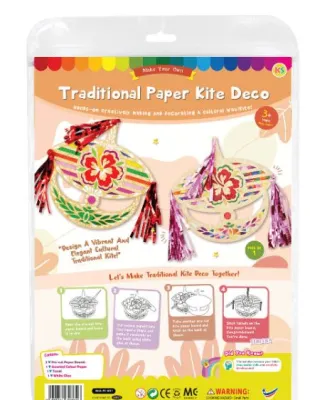
Prices are valid at publication and may change. Please refer to the product page for the latest price.
Classic Shapes and Cultural Significance
Traditional Wau kites come in several recognized variations, each carrying deep cultural meaning and geographic history:
- Wau Bulan (Moon Kite): The most famous variant, recognizable by its broad, crescent-shaped tail piece that resembles a crescent moon. It is celebrated for its stable flight characteristics and majestic presence in the sky.
- Wau Jala Budi (Woman's Silhouette Kite): Features a tail shape reminiscent of the budi leaf (or a woman's figure), known for its elegant, curving lines and agile movement in light winds.
- Wau Kucing (Cat Kite): Named for its tail shape, which resembles a sitting cat when viewed from behind. Historically, this design is believed to ward off misfortune and bring good harvests.
Traditional Craftsmanship and Materials
An authentic, heritage-grade Wau is built using natural materials sourced and treated using time-honored methods. The spine and spars are hand-carved from seasoned bamboo, specifically buluh duri (thorny bamboo), which is cured over a fire to remove moisture and prevent insect infestation. This process gives the frame its essential flexibility and strength.
For decoration, traditional artisans practice sobek, a painstaking paper-cutting technique. Multiple layers of brightly colored tissue paper are hand-carved with intricate floral motifs—such as the trailing cloud pattern (awan larat)—and pasted onto a base sail. When held up to the light, these layers create a beautiful translucent effect.
Modern Functional Adaptations
While paper-and-bamboo construction represents the pinnacle of cultural authenticity, it is highly vulnerable to moisture and impact. Modern functional adaptations have emerged to serve active flyers. These kites preserve the traditional aerodynamic silhouette of the Wau Bulan or Wau Kucing but utilize modern outdoor materials:
- Sails: Constructed from lightweight, water-resistant ripstop nylon or polyester fabric, which resists tearing and handles high humidity.
- Spars: Built using carbon fiber or fiberglass rods, which offer consistent flexibility without the risk of organic warping or cracking.
- Details: Printed or appliquéd fabric panels replace the delicate paper-cut layers, ensuring the design does not degrade when exposed to sea spray or sudden rain.
Defining Authenticity for Your Purpose
When shopping, you must clarify what “authenticity” means for your specific needs. If you want a cultural artifact to mount on a wall, prioritize traditional bamboo-and-paper construction hand-signed by a recognized master craftsman. If your goal is to fly the kite at Marina Barrage, prioritize an authentic aerodynamic shape built with modern, weather-resistant synthetic materials.
Recommended Retail Channels in Singapore
Because authentic Wau kites are specialized cultural items, they are rarely found in mainstream toy stores or general sporting goods outlets. Buyers must target specific retail environments depending on their desired style of kite.

Cultural Heritage Districts and Specialty Shops
For those seeking traditional, hand-carved bamboo and paper-cut Wau kites, Singapore’s historic cultural enclaves are the primary physical search areas. Shops in these districts often source directly from regional artisans.
- Where to Look: Focus your search on Kampong Glam (particularly around Bussorah Street and Arab Street) and the Geylang Serai district (including Joo Chiat Complex and the Geylang Serai Market).
- What to Seek: Look for specialized Malay cultural boutiques, traditional wedding costume shops, and regional handicraft retailers. These venues often stock a small, curated selection of traditional Wau kites as decorative items.
- Verifying Authenticity: When shopping in physical boutiques, engage directly with the shopkeeper. Ask about the origin of the kite—authentic traditional pieces are almost exclusively imported from workshops in Kelantan or Terengganu. Inspect the bamboo frame for hand-shaved asymmetry and check the decorative patterns to ensure they are layered paper cuts rather than flat, machine-printed designs.
Dedicated Kite and Outdoor Hobby Stores
If you want a high-performance Wau built for regular flying, specialized wind-sport and outdoor hobby retailers are your best option. While physical storefronts for kite specialists are limited in Singapore, several dedicated operators manage online storefronts and warehouse showrooms in light industrial estates such as Tai Seng, Ubi, or Geylang.
- The Advantage of Hobby Specialists: Buying from a dedicated kite retailer ensures you receive functional gear. These sellers understand the physics of flight and can verify that the Wau’s spars are balanced and the bridle is tuned correctly.
- Service and Support: Specialty stores provide invaluable hands-on assembly guidance, advice on wind requirements, and access to replacement parts like carbon spars, high-tensile lines, and heavy-duty swivels.
- Stock Availability: Because traditional kite shapes are niche products, inventory can fluctuate. It is highly recommended to call or message the retailer ahead of time to check if they have flight-ready Wau models in stock or if they can custom-order one for you.
Online Marketplaces and Cross-Border Sellers
For the widest selection of both traditional and modern Wau kites, online marketplaces and regional e-commerce platforms offer direct access to makers across the border in Malaysia.
- Direct-from-Maker Sourcing: Many independent artisans from Kelantan and Terengganu list their creations on regional e-commerce platforms. This allows you to commission custom color schemes or specific sizes directly from the person who carves the bamboo.
- Verification Steps: To avoid low-quality mass-produced imitations, carefully scrutinize seller ratings and read customer reviews. Look for reviews that include real-life photos of the kite. Examine these images to verify that the sail is tightly glued or stitched and that the frame is symmetrical.
- Shipping and Packaging Precautions: Traditional bamboo-and-paper kites are incredibly fragile and easily crushed during transit. Before placing an order with a cross-border seller, send them a direct message to confirm they will ship the kite inside a rigid PVC pipe or a reinforced wooden crate. Avoid sellers who only offer standard cardboard box packaging for traditional frames.
How to Choose the Right Wau Kite for Your Needs
Selecting the right Wau kite involves balancing aesthetics, performance, transport limits, and your own experience level.
Display vs. Flight
Your primary use case dictates the materials you should choose:
- Indoor Display: Choose traditional paper-and-bamboo construction. The organic texture of the bamboo and the delicate layers of the paper-cut art make for a striking wall installation. However, keep in mind that these materials will degrade rapidly if flown in Singapore's high humidity.
- Outdoor Flying: Choose modern synthetic materials (ripstop nylon and fiberglass or carbon fiber spars). These materials withstand high wind loads, sudden landings, and moisture, ensuring your kite survives multiple outings.
Size and Skill Level
Matching the size of the Wau to your flying experience is critical for safety and enjoyment:
- Small Variants (Wingspan under 1 meter): Excellent for beginners, casual flyers, and children. They require less wind to launch, are easy to control, and exert minimal pull on the flying line.
- Large Variants (Wingspan of 1.5 to 3 meters): These traditional-sized kites generate massive lift. They require steady, moderate-to-strong breezes and experienced handling. The strong pull of a large Wau Bulan can easily injure an unprepared flyer, meaning they should only be handled by those familiar with high-tension kite flying.
Assembly Requirements
Consider how much preparation you want to do before heading to the flying field:
- Pre-Assembled Kites: These are ready to fly straight out of the box. While convenient, they are difficult to transport due to their fixed, rigid frames.
- Partial-Assembly Kits: These feature detachable wings or collapsible spine joints. They offer a great balance of traditional aesthetics and modern convenience, allowing you to assemble the kite at the flying field.
- Traditional DIY Bundles: Some artisans sell raw materials, including pre-cut bamboo spars and uncut sails. These require you to bind the joints, glue the sail, and tie the bridle yourself. This is a rewarding project but demands patience and a basic understanding of aerodynamics.
Portability
Before purchasing a large Wau, consider how you will transport it. A non-collapsible Wau Bulan with a 2-meter wingspan will not fit into a standard sedan or on public transport. If you do not own a large vehicle with folding seats, look specifically for modern, collapsible Wau designs that can be disassembled and packed into a slim carrying bag.
Essential Accessories and Setup Requirements
Flying or displaying a Wau safely and successfully requires the right supporting equipment. Standard toy-store accessories are rarely sufficient for these specialized kites.
Flying Line and Spool
Because of their large surface area, Wau kites generate significant drag and tension. Matching your line strength to the kite’s size is essential to prevent line breaks:
- Line Strength: For small Wau kites, a 50-pound to 80-pound test braided polyester line is sufficient. For large traditional Wau kites (over 1.5 meters), use a high-strength braided Kevlar or Dyneema line rated at 100-pound to 200-pound test.
- Spool Types: Traditional wooden hoop spools require manual, hand-over-hand winding, which offers a classic flying experience but can be slow. Modern ergonomic plastic or aluminum reels with integrated ball bearings allow for rapid line retrieval and smoother control.
Bridle and Connectors
The bridle is the multi-point string harness that connects the flying line to the kite’s frame. It dictates the angle at which the kite meets the wind:
- Tuning: A properly tuned bridle is critical. If the angle is too steep, the kite will drag and refuse to lift; if it is too shallow, the kite will wobble and dive.
- Connectors: Always use heavy-duty stainless steel snap swivels to connect your flying line to the bridle. This prevents the line from twisting and tangling as the kite rotates in shifting winds.
Tails and Stabilizers
Unlike Western delta or diamond kites, traditional Wau designs rely on precise frame symmetry and aerodynamic balance rather than long ribbon tails for stability. However, many authentic Wau kites feature a dengung (a bow-like hummer) attached to the head of the kite.
This hummer consists of a tight ribbon or leaf strip stretched across a flexible bamboo bow. When the kite flies, the wind vibrates the strip, producing a deep, haunting hum. If you use a dengung, ensure it is perfectly centered and balanced, as an uneven hummer will pull the kite to one side.
Display Hardware
If you are purchasing a Wau for home decor, proper mounting is essential to protect the delicate structure:
- Wall Mounts: Use padded, wide-profile hooks or a custom wooden cradle that supports the central bamboo spine. Avoid hanging the kite by its delicate wingtips, as this will warp the frame over time.
- Placement: Hang the kite away from direct sunlight, air conditioning vents, and high-humidity areas (like kitchens or open balconies) to prevent the paper from fading, molding, or sagging.
Safe Flying Practices and Maintenance
Operating a large Wau kite in a dense urban environment like Singapore requires strict adherence to safety guidelines and proper equipment care.
Site Selection and Aviation Rules
Singapore has highly congested airspace and strict laws regarding kite flying. Under Civil Aviation Authority of Singapore (CAAS) regulations, you must fly responsibly and respect local boundaries:
- Permitted Areas: Excellent designated flying spots include Marina Barrage, East Coast Park (specifically Area C), and West Coast Park. These areas offer wide-open spaces and steady coastal winds.
- Restricted Zones: Strictly avoid flying within 5 kilometers of any military airbase or Changi Airport. Never fly kites near power lines, busy roads, MRT tracks, or high-rise residential estates.
- Height Limits: Ensure your kite stays below the maximum legal altitude limit (typically 60 meters or 200 feet above ground level in permitted areas) unless you have a specific CAAS permit.
Weather and Wind Boundaries
Singapore’s tropical climate can change rapidly. Always check the local weather forecast before heading out:
- Wind Conditions: Large traditional Wau kites need steady, moderate breezes (around 12 to 20 km/h) to launch and maintain flight. If the wind is too weak, the kite will stall; if it is too gusty, the frame can buckle.
- Storm Safety: Ground your kite immediately at the first sign of dark clouds, rain, or thunder. A wet kite line can conduct electricity, posing a severe lightning hazard.
Safety Gear and Handling
Flying a large Wau can be physically demanding. The tension on the line can cause severe friction burns or deep cuts if the line slips through your hands:
- Gloves: Always wear thick, leather-palmed protective gloves when launching, flying, or reeling in a large Wau.
- Safe Launching: Never attempt to launch a large Wau alone in strong winds. Have an assistant hold the kite at a distance while you tension the line from downwind.
- Clear Area: Ensure there are no bystanders directly behind or beneath your flight path in case the kite dives suddenly.
Post-Flight Maintenance and Storage
To ensure your Wau kite lasts for years, establish a regular inspection and storage routine:
- Inspection: After every flight, check the frame for hairline cracks in the bamboo or fiberglass spars. Inspect the bridle lines for fraying and the sail for small punctures or loose seams.
- Cleaning: Wipe down synthetic sails with a dry microfiber cloth to remove salt spray, sand, or moisture. Never use harsh chemical solvents on traditional paper or painted fabrics.
- Storage Environment: Traditional paper-and-bamboo kites must be stored in a dry, climate-controlled room. Singapore's high humidity can cause untreated bamboo to warp and encourage mold growth on paper sails. Keep them flat or hung properly on a wall to preserve their structural shape.
Frequently Asked Questions (FAQ)
Can I bring a large Wau kite on public transport in Singapore?
According to Singapore’s Land Transport Authority (LTA) guidelines, oversized items brought onto MRT trains and public buses must not exceed 120 cm in length, 70 cm in width, and 40 cm in height.
Most traditional, non-collapsible Wau kites exceed these dimensions and are not permitted on public transport. To travel with a large Wau, you should either purchase a modern collapsible model that packs down into a compact carrying bag, or transport the kite using a private vehicle or taxi.
Do traditional paper Wau kites fly well in Singapore's weather?
Traditional paper-and-bamboo Wau kites do not perform well in Singapore’s typical outdoor weather. The country’s high relative humidity (which regularly exceeds 80%) softens the paper sail, causing it to sag, lose tension, and absorb weight. Additionally, sudden tropical showers can instantly ruin a paper kite.
For regular flying in Singapore, it is highly recommended to use a Wau constructed from modern ripstop nylon and fiberglass or carbon fiber spars. Keep traditional paper-and-bamboo masterpieces reserved for indoor display or short flights on exceptionally dry, clear days.
Community discussion
Share your experience or ask a question. Comments are reviewed before publication.