
Selecting the right 3M knee support depends on the physical demands of your sport, your history of joint issues, and the level of stabilization your knee requires. 3M, primarily through its specialized Futuro brand, categorizes its knee supports into distinct levels of compression and stabilization. Choosing the correct model ensures a balance between necessary joint protection and natural athletic movement, while also preventing issues like skin irritation or muscle reliance.
In Singapore’s hot and humid tropical climate, selecting the correct material is just as critical as choosing the right support level. Wearing a thick, non-breathable brace during an outdoor run along the East Coast Park Park Connector Network (PCN) or during an intense indoor badminton session can lead to excessive sweat accumulation, skin chafing, and heat rashes. By matching the mechanical features of 3M supports to the specific movement patterns of your sport, you can protect your joints while maintaining optimal comfort and performance.
How to Match 3M Support Levels to Your Activity Intensity
To choose the correct 3M knee support, you must first understand how the brand structures its product line. 3M classifies its supports into three primary tiers: mild, moderate, and firm stabilization. Each tier utilizes different materials and structural components to address varying levels of joint stress and movement patterns.
Products mentioned in this guide
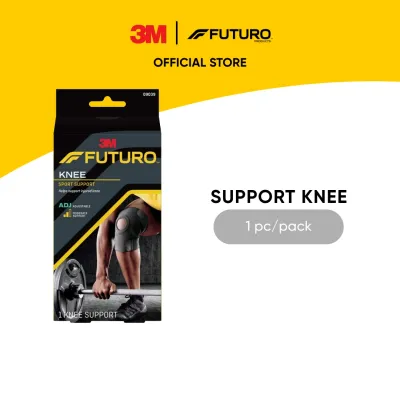
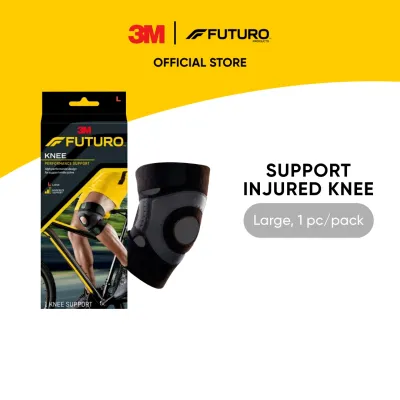
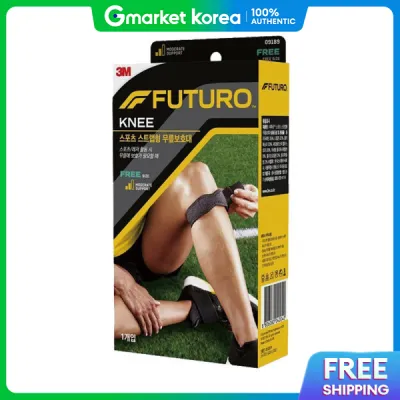
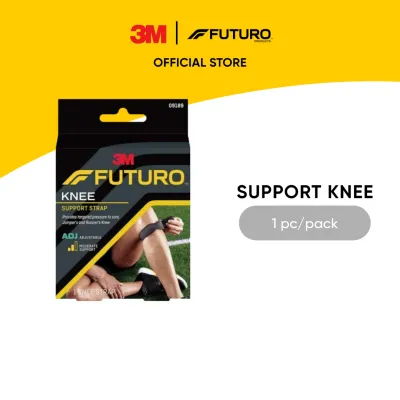
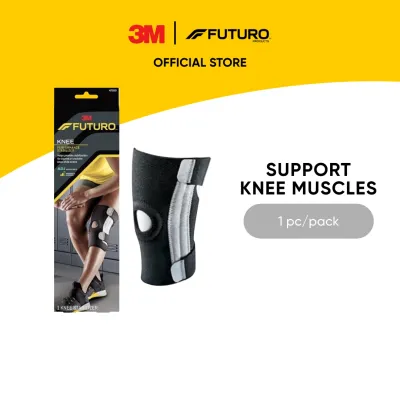
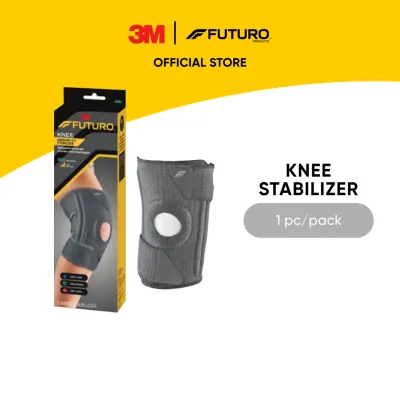
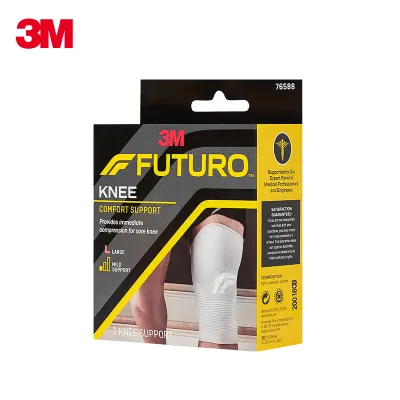
Prices are valid at publication and may change. Please refer to the product page for the latest price.
- Mild Support (Level 1): These are typically elastic or knit compression sleeves. They provide basic compression, retain mild joint warmth, and promote blood circulation. They are designed for low-impact, repetitive movements where joint stability is not compromised, but mild stiffness or swelling is present.
- Moderate Support (Level 2): These models incorporate adjustable straps, dual side stabilizers (such as flexible metal coils), or patella gel rings. They are engineered to assist with proper kneecap tracking and provide lateral support during moderate-impact activities that involve frequent directional changes.
- Firm or Firm-Stabilizing Support (Level 3): These are heavy-duty supports, often featuring rigid plastic or aluminum hinges and robust strapping systems. They physically restrict dangerous ranges of motion, such as hyperextension or extreme lateral twisting, making them suitable for high-impact, competitive sports.
Activity intensity dictates the mechanical requirements of your knee support. Low-intensity activities like walking or gentle yoga require simple compression to enhance proprioception—the body’s natural awareness of joint positioning. Moderate-intensity sports like cycling, tennis, or running require active patella stabilization to manage repetitive impact forces. High-intensity contact sports or heavy weightlifting require structural reinforcement to protect the collateral ligaments (MCL and LCL) and the meniscus from sudden, high-force twisting. Always check the specific product packaging and manufacturer specifications to verify the support level and intended use cases before purchasing.
Top 3M Knee Supports for Low-Impact and Daily Activities
For daily wear, light walking, or recovery from mild joint stiffness, a basic compression sleeve is generally the most practical choice. 3M designs these low-impact supports to provide consistent, gentle pressure across the knee joint. This compression helps reduce minor swelling, keeps the joint warm, and improves local blood circulation, which can ease stiffness after long periods of sitting.

Models such as the 3M Futuro Comfort Lift Knee Support are ideal for these scenarios. Constructed from a lightweight, breathable, four-way stretch knit material, these sleeves conform to the natural shape of your leg. The breathable fabric is particularly beneficial for Singaporeans who transition frequently between the outdoor humidity and highly air-conditioned offices or shopping malls, as it helps prevent moisture buildup under the sleeve. Their low-profile design allows them to be worn discreetly under formal trousers, skirts, or casual wear without bunching up behind the knee.
However, these basic compression sleeves have clear structural limitations. They do not contain rigid stays, hinges, or patella gel pads, meaning they cannot prevent the knee from twisting laterally or sliding out of alignment during sudden movements. If you have a history of ligament tears, patellar subluxation, or severe joint instability, a mild compression sleeve will not provide sufficient mechanical protection.
When browsing local pharmacies, medical supply stores, or online marketplaces in Singapore, look for sleeves that feature a contoured design and soft, non-irritating edges. Ensure the material is labeled as breathable or moisture-wicking to maintain comfort during extended wear in warm weather.
Best 3M Knee Braces for Moderate-Impact Sports and Training
Moderate-impact sports—such as badminton, tennis, cycling, and running on hard concrete paths—subject the knee joint to repetitive impact forces and moderate lateral stress. For these activities, you need a support that balances structural stabilization with functional joint mobility. 3M offers several moderate-level supports equipped with targeted features to protect the joint during dynamic training.
Supports in this category, such as the 3M Futuro Sport Moisture Control Knee Support or the Futuro Active Knit Knee Stabilizer, typically feature dual flexible side stabilizers and patella gel rings. The side stabilizers, made of flexible metal coils or resilient plastic stays, run along the medial and lateral sides of the knee. They help absorb lateral forces and guide the knee through its natural bending motion without restricting your stride. The patella gel ring encircles the kneecap, keeping it securely centered in its groove. This tracking support is highly beneficial for runners and cyclists who suffer from patellofemoral pain syndrome (often called runner’s knee) caused by repetitive bending.
These moderate supports allow you to maintain a full, active range of motion, which is essential for agile footwork on the badminton court or quick transitions during gym workouts. The materials used in the sport-specific models are engineered to wick sweat away rapidly, keeping your skin dry and reducing the risk of slippage during intense training sessions.
Despite their versatility, moderate supports are not built to withstand the extreme lateral forces or heavy contact found in high-impact sports. The flexible side stabilizers are designed to yield under heavy pressure, meaning they cannot prevent severe joint buckling or hyperextension if a sudden, high-force collision occurs.
Heavy-Duty 3M Knee Supports for High-Impact and Competitive Sports
High-impact sports like basketball, football, rugby, and heavy powerlifting place immense structural demands on the knee joint. Sudden pivoting, rapid deceleration, jumping, and carrying heavy loads can easily compromise joint integrity. To protect the knee under these extreme conditions, athletes require heavy-duty, firm-stabilizing supports that offer maximum mechanical reinforcement.
3M’s heavy-duty options, such as the 3M Futuro Hinged Knee Stabilizer or high-level adjustable wraps, utilize rigid side hinges made of lightweight aluminum or high-strength polymers. These hinges are aligned with the knee joint’s natural axis of rotation. They allow the knee to flex and extend forward and backward safely while physically blocking lateral (valgus and varus) movements that can cause anterior cruciate ligament (ACL) or medial collateral ligament (MCL) tears. Additionally, robust, adjustable strap systems allow you to customize the tightness and compression, securing the brace firmly against your leg even during explosive movements.
While these heavy-duty braces provide exceptional stabilization, they must be used correctly. It is critical to understand that a knee brace cannot replace proper physical training, strength conditioning, warm-up routines, or professional medical rehabilitation. If you are recovering from a severe joint injury, you must consult a sports physician or physiotherapist before returning to competitive play. Relying solely on a rigid brace to compensate for weak muscles or unhealed ligaments can lead to further injury.
Furthermore, if you participate in organized competitive sports in Singapore, you must check the specific rules and regulations of your sports association regarding the use of rigid braces. Many leagues prohibit exposed metal or hard plastic components to prevent injury to other players. In such cases, you may need to choose a model where the rigid hinges are fully covered by protective padding or neoprene sleeves.
How to Measure and Fit Your 3M Knee Brace for Maximum Effectiveness
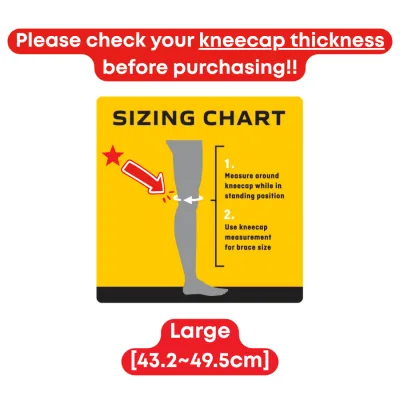
An improperly fitted knee support can do more harm than good. A support that is too loose will slip down during movement, failing to provide the necessary compression or stabilization. Conversely, a support that is too tight can restrict blood circulation, pinch nerves, cause localized swelling, and lead to skin irritation. To ensure maximum effectiveness, you must measure your leg accurately and fit the brace correctly.
To determine your correct size, follow this standard measuring process:
- Prepare your leg: Stand up straight with your leg slightly bent at approximately a 30-degree angle. This position mimics the natural weight-bearing state of the knee during activity.
- Measure the circumference: Use a flexible fabric measuring tape. Wrap the tape around the center of your kneecap (the patella). Ensure the tape is flat against your skin, snug but not pulling tightly.
- Check alternative measurement points: Some advanced 3M models or hinged braces require additional measurements. You may need to measure the circumference of your thigh 10 cm above the center of the kneecap, and the circumference of your calf 10 cm below the kneecap. Refer to the specific sizing chart printed on the product packaging of the model you intend to buy, as sizing standards can vary between different product lines.
Once you have purchased the correct size and put the support on, you must verify the fit. Use the “two-finger rule” to check the tightness of the bands or adjustable straps. Slide two fingers under the top and bottom edges of the support. If your fingers slide in easily with moderate resistance, the fit is secure and correct. If you cannot force your fingers under the band, the support is too tight and must be loosened or sized up. If your fingers slide in with no resistance at all, the support is too loose and will not provide adequate stabilization.
Avoid over-tightening adjustable straps, especially those located directly behind the knee in the popliteal fossa. Excess pressure in this sensitive area can compress major blood vessels and nerves, leading to numbness, tingling, or coldness in your foot. If you experience any of these symptoms while wearing the support, loosen the straps immediately or remove the brace.
Frequently Asked Questions (FAQ)
Can I wear a 3M knee support all day?
The safe duration for wearing a knee support depends on the specific model and your physical condition. Basic elastic compression sleeves can generally be worn for extended periods during the day, especially if you are performing light activities or sitting in a cold, air-conditioned office. However, you should always remove the sleeve before going to sleep to allow your skin to breathe and prevent any restriction of blood flow.
In contrast, rigid or hinged braces should only be worn during active exercise, training, or competitive sports. Wearing a highly supportive, rigid brace all day can lead to muscle reliance, where the surrounding muscles (such as the quadriceps and hamstrings) begin to weaken because the brace is doing the structural work for them. For chronic joint conditions or post-surgery recovery, always consult a healthcare professional to establish a safe daily wear schedule.
How do I wash and maintain my 3M knee brace?
Proper maintenance is essential to preserve the elasticity of the fabric and the integrity of the hook-and-loop (Velcro) fasteners. Always check the care label on your specific 3M knee support before cleaning. As a general rule, hand wash the support in cold water using a mild, bleach-free soap. Before washing, secure all hook-and-loop straps to their designated landing pads to prevent them from snagging and damaging the elastic knit fibers.
Never machine wash, tumble dry, or dry clean your knee support. The high heat and mechanical agitation of washing machines and dryers will rapidly degrade the elastic fibers, warp plastic stays, and weaken the adhesive bonds on gel pads. After hand washing, gently squeeze out excess water without wringing or twisting the fabric. Lay the brace flat on a clean towel to air dry in a well-ventilated indoor space, away from direct sunlight and direct heat sources.
Do 3M knee supports come with a warranty in Singapore?
Warranty terms, return policies, and exchange conditions for 3M knee supports depend on the specific retailer and the product line. Because knee supports are personal hygiene items, most local pharmacies and online retailers in Singapore do not accept returns or exchanges once the product packaging has been opened, unless the item is proven to have a manufacturing defect.
When purchasing a 3M Futuro support, always keep your original physical receipt or digital invoice as proof of purchase. If you discover a manufacturing defect, such as frayed stitching or broken hinges immediately after unboxing, contact the customer service department of the authorized retailer or the local Singapore distributor to inquire about their specific defect exchange procedures.
Community discussion
Share your experience or ask a question. Comments are reviewed before publication.