
Selecting the correct athletic gear requires matching the equipment to the specific mechanics of your sport. When looking for the right football gloves adidas offers, the first step is identifying which sport you are playing. In Singapore and many international regions, “football” refers to association football, or soccer. Conversely, in other contexts, it refers to American football, a game played with an entirely different ball and physical demands.
Because these two sports feature completely different ball designs and player interactions, the gloves manufactured for them are engineered with distinct materials. Soccer goalkeeper gloves use thick, cushioned latex designed to absorb the high-impact force of a spherical ball while providing a reliable surface for catching and punching. American football receiver gloves, on the other hand, feature thin, highly adhesive silicone palms designed to secure a textured, oblong leather ball during high-speed routes.
Before purchasing any pair of gloves, it is highly recommended to verify your local league’s equipment regulations. Many competitive associations, including local recreational flag football leagues and official soccer tournaments, enforce specific rules regarding glove colors, logo sizes, and the use of external grip-enhancing substances. Ensuring your chosen model complies with these guidelines will prevent any unexpected disqualifications on match day.
Products mentioned in this guide
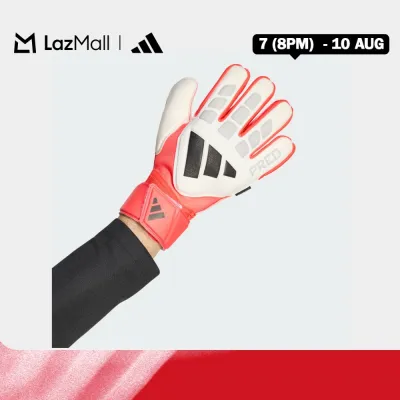


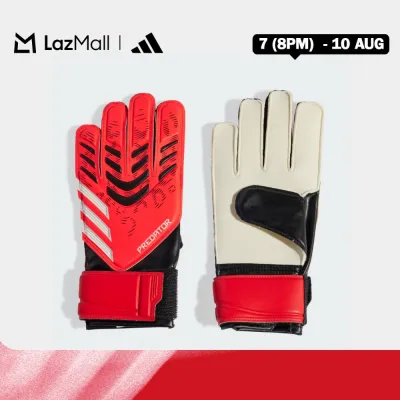
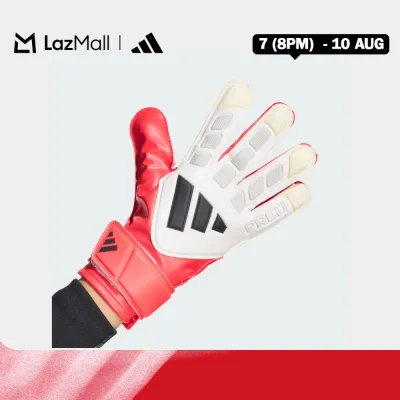
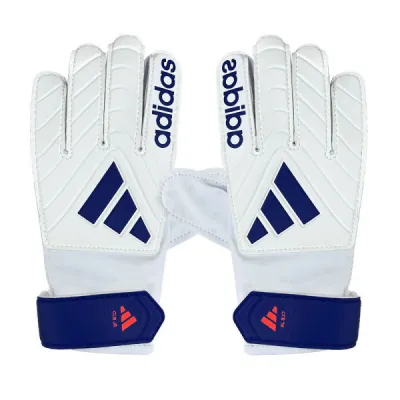
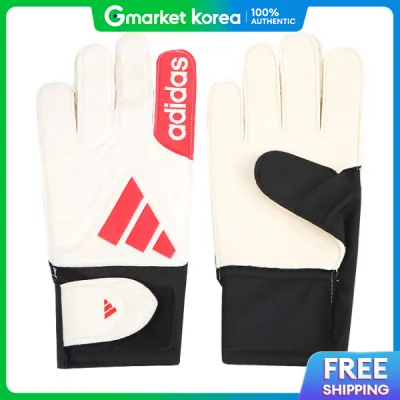
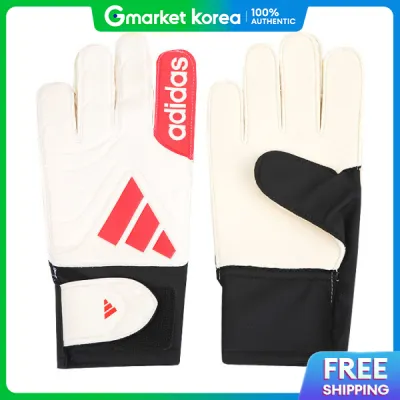
Prices are valid at publication and may change. Please refer to the product page for the latest price.
Comparing Goalkeeper Football Gloves: Adidas Cuts, Latex, and Humidity Care
To choose the right soccer goalkeeper gloves, you must first understand the primary product lines designed by the brand. Adidas organizes its goalkeeper range into distinct families, such as the Predator line, which focuses on control and structural protection, and the X line, which emphasizes lightweight speed and a minimalist fit. Additionally, classic lines like the Copa offer a more traditional feel with a focus on comfort and cushioning. Always inspect the product packaging or manufacturer specifications to verify the exact series name and whether the model is intended for official match play or training sessions.
The physical cut of a goalkeeper glove dictates how it fits your hand and how much latex contacts the ball. A negative cut features inward-facing seams, providing a tight, second-skin fit that is highly favored by keepers who prioritize natural ball feel and precise control. In contrast, a roll finger cut wraps the latex entirely around the fingers, maximizing the grip surface area and offering more cushioning at the expense of a slightly bulkier feel. Flat cuts offer a traditional, looser fit with outward seams, which generally provides higher durability and makes them excellent options for regular training.
Some modern models also feature hybrid cuts, which combine elements of negative and roll finger designs to offer the benefits of both. For instance, a hybrid cut might feature negative stitching on the middle fingers for control, and rolled latex on the index and pinky fingers for maximum catching area. Understanding these mechanical differences allows you to select a cut that matches your hand shape and catching style, ensuring the glove feels natural during high-pressure saves.
The performance of goalkeeper gloves relies heavily on the quality and thickness of the latex palm, which typically ranges from 3mm to 4mm. In tropical, high-humidity environments like Singapore, managing this latex is critical to maintaining grip and preventing premature tearing. High humidity and heavy perspiration can cause the latex to slide if not properly managed, meaning you must implement a structured care routine. This begins with a thorough pre-wash before the first use to remove manufacturing preservatives and activate the grip compounds.
During play in humid conditions, keeping the latex slightly damp—but not soaking wet—is essential for optimal performance. Dry latex is highly susceptible to abrasion and tearing, while oversaturated latex will lose its frictional grip against the ball. After matches, gently hand-wash the gloves to remove sweat salts and dirt, then allow them to air-dry in a well-ventilated, shaded indoor area. Never expose the latex to direct sunlight or artificial heat sources, as extreme heat will dry out the natural material, causing it to crack and lose its adhesive properties.
Another key structural decision is whether to opt for fingersave technology, which features protective spines along the back of the fingers. These spines are designed to prevent hyperextension injuries by resisting backward bending when parrying powerful shots. While highly beneficial for junior players or those recovering from hand injuries, fingersave models do restrict natural finger flexion. If you prioritize maximum flexibility, quick finger reflexes, and a lightweight feel, standard models without protective spines are generally the preferred choice.
Adidas American Football Receiver Gloves: Grip, Fit, and Route Agility
American football receiver gloves are engineered for a completely different set of physical demands, focusing on speed, hand flexibility, and high-tack grip. Adidas categorizes these gloves into stable families, most notably the Adizero line, which is built for lightweight speed and maximum hand movement, and the Freak line, which provides enhanced protection and a more structured fit. When selecting a model, always check the manufacturer’s technical specifications to verify the specific grip compound used on the palm, as different models are optimized for varying levels of tackiness and durability.

The grip on receiver gloves is primarily achieved through advanced silicone palm materials and engineered textured patterns. These silicone surfaces are designed to create immediate friction against the pebbled leather or composite cover of an American football, allowing receivers to secure passes with one hand or under heavy contact. Before purchasing, check the manufacturer’s product description for the specific grip technology, such as GripTack, to ensure the tackiness level matches your playing conditions and skill level.
During a game, dirt, dust, and grass clippings can accumulate on the silicone palm, temporarily reducing its tackiness. To restore the grip mid-game, players often wipe the palms of their gloves with a damp towel or against their uniform to clear away debris. Unlike goalkeeper latex, silicone does not absorb water, so keeping the surface clean and free of physical barriers is the primary method for maintaining its adhesive properties during play.
The construction of the glove’s backhand plays a major role in protecting your hands and supporting your wrists during physical play. Models designed for physical routes or blocking often feature rigid backhand plates or integrated padding to shield your hands from helmet impacts and turf abrasion. Conversely, models designed for pure speed and route agility utilize flexible, lightweight mesh backhands that allow the hand to flex naturally without restriction, which is ideal for wide receivers and defensive backs.
Managing heavy sweat is a critical consideration when playing in hot and humid climates. High relative humidity causes rapid perspiration, which can seep into the glove and cause the silicone palm to slip against your skin. To prevent this, evaluate models that feature moisture-wicking backhand fabrics, perforated fingers, and ventilated gussets that promote continuous airflow. Additionally, a secure, adjustable hook-and-loop wrist closure is essential to keep the glove firmly locked in place, preventing any internal shifting during sudden acceleration or catch attempts.
Key Comparison Dimensions: Sizing, Durability, and Tropical Weather Performance
Choosing the correct size is fundamental to the performance of both goalkeeper and receiver gloves, though the fit profiles differ significantly. To determine your size, measure the circumference of your hand around the knuckles (excluding the thumb) or measure the length from the base of your palm to the tip of your middle finger, then compare these measurements to the official Adidas sizing chart. Goalkeeper gloves require a slightly roomier fit at the fingertips to absorb the impact of high-speed shots and prevent the seams from splitting under pressure. Receiver gloves, however, must fit tightly with zero excess fabric to ensure the glove behaves like a second skin and does not bunch up when catching.
An improper fit can severely impact both performance and the lifespan of the glove. If a glove is too small, the constant tension on the seams during hand flexion or impact can cause the stitching to blow out prematurely. Conversely, if the glove is too large, your hand will slide around inside, reducing your tactile feedback and making it difficult to secure the ball cleanly. Taking precise measurements and trying on different sizes when possible is the most reliable way to avoid these issues.
There is an inherent trade-off between the durability of a glove and its absolute grip performance. Soft, highly adhesive latex and premium silicone compounds offer the absolute best grip but are more fragile and wear down quickly, especially when used on abrasive synthetic turf or hard ground. Harder, more durable compounds last significantly longer but offer slightly less absolute tackiness. To balance this trade-off, verify whether the model is rated for “Match” use, which prioritizes elite grip, or “Training” use, which uses denser materials designed to withstand repeated practice sessions.
Adapting your gear to tropical weather conditions requires understanding how environmental factors affect synthetic and natural materials. In regions with frequent rainfall and high humidity, verify if the glove’s palm material is specifically optimized for wet-weather conditions, as some latex formulations are engineered to maintain grip even when wet. For maintenance, always avoid leaving damp gloves inside a closed gym bag, as this environment promotes bacterial growth and material degradation. Clean your gloves after every session using mild, non-detergent soap, and follow the manufacturer’s care instructions to preserve the integrity of the adhesive compounds.
Final Decision Framework: Matching the Model to Your Playstyle
To finalize your selection, match the specific glove characteristics to your primary position, playing style, and environmental conditions. If you play soccer and require maximum finger protection, punch control, and hand stability, a Predator model equipped with Fingersave technology is the most suitable choice. If you are a soccer goalkeeper who relies on rapid reflexes, agility, and a close ball feel, look toward the lightweight X series or a model with a negative cut.
For American football players, select an Adizero receiver model if your playstyle focuses on speed, deep routes, and agility, as these gloves offer minimal weight and maximum breathability in hot conditions. If you play a more physical position, such as tight end or linebacker, or frequently engage in blocking, a Freak model with padded backhand protection and a secure wrist strap will provide the necessary durability and impact resistance.
Budget and usage frequency should also guide your final decision. If you play competitively multiple times a week, investing in a high-end Match glove will give you the performance edge you need, though you should expect to replace them more frequently. For recreational players or those looking to use the same pair for both practice and games, a mid-tier or Training-specific model offers a much better balance of longevity and cost-effectiveness.
Regardless of your sport, always verify that the glove’s palm material, cut, and maintenance requirements align with the local playing surface and weather conditions. If you play on harsh synthetic turf, prioritizing a training-grade model or a durable compound will extend the lifespan of your gear. Taking the time to match these technical specifications to your personal playstyle ensures your gloves will perform reliably when you need them most.
Frequently Asked Questions (FAQ)
Can I use soccer goalkeeper gloves for American football or vice versa?
Using soccer goalkeeper gloves for American football, or vice versa, is highly discouraged due to fundamental differences in material design and mechanical function. Soccer goalkeeper gloves utilize soft, thick latex designed to absorb impact and grip a smooth, spherical soccer ball, which will degrade rapidly when exposed to the rough, pebbled texture of an American football. Conversely, American football receiver gloves feature thin, highly adhesive silicone that lacks the necessary cushioning, hand protection, and punching surface required to safely stop high-velocity soccer shots.
How do I maintain the grip of my Adidas goalkeeper gloves in humid weather?
Maintaining the grip of your goalkeeper gloves in humid weather requires consistent, low-risk care steps. After every use, gently hand-wash the gloves in lukewarm water with a mild, specialized glove cleaner or mild soap to remove sweat salts and dirt that clog the latex pores. Allow them to air-dry completely in a well-ventilated indoor space away from direct sunlight or radiators. To activate the grip before a match, lightly dampen the latex palms with clean water, ensuring they remain moist but not oversaturated throughout the game.
Community discussion
Share your experience or ask a question. Comments are reviewed before publication.