
Choosing the right Adidas swim towel requires matching the towel’s material weight, dimensions, and drying speed to your specific training environment, carrying method, and post-swim routine. A swimmer training daily in a highly humid tropical climate needs a vastly different setup than a casual weekend pool-goer. By focusing on verifiable material specifications rather than marketing buzzwords, you can select a towel that packs easily, dries rapidly, and withstands repeated exposure to pool chemicals. Remember that while high-quality gear enhances your post-swim comfort and hygiene, it is secondary to proper water safety, swimming technique, and pool deck awareness.
Key Dimensions for Evaluating Adidas Swim Towels
When browsing available Adidas towel options, the first step is to analyze the material composition listed on the product tag. Most sports towels fall into two primary categories: synthetic microfiber or natural cotton and cotton-blends. Microfiber towels, typically woven from a blend of polyester and polyamide, rely on split-fiber technology to mechanically trap water within a dense network of microscopic channels. This structure allows them to absorb multiple times their weight in water while remaining incredibly thin and lightweight. Conversely, traditional cotton towels utilize natural cellulose fibers woven into loops, known as terry cloth, which absorb moisture through direct capillary action of the yarn.
Size and packability are equally critical dimensions that directly impact your daily carrying method. Standard sports towels generally range from compact hand-towel sizes of approximately 50 cm by 100 cm to large sheets measuring 70 cm by 140 cm or more. A larger towel offers full-body coverage, which is highly beneficial for maintaining modesty in communal changing rooms or shielding yourself from drafts. However, a large cotton towel can easily consume more than half the volume of a standard 30-liter swim backpack once wet. Synthetic microfiber options of equivalent dimensions fold down to the size of a small book, allowing you to optimize your gear bag for training tools like kickboards, hand paddles, and pull buoys.
Products mentioned in this guide
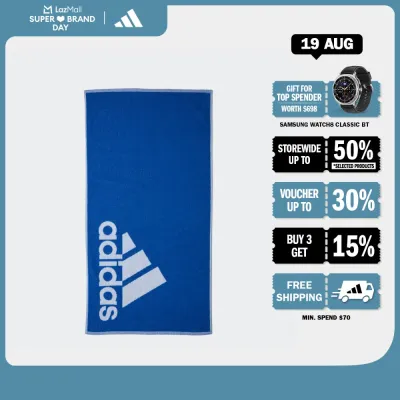
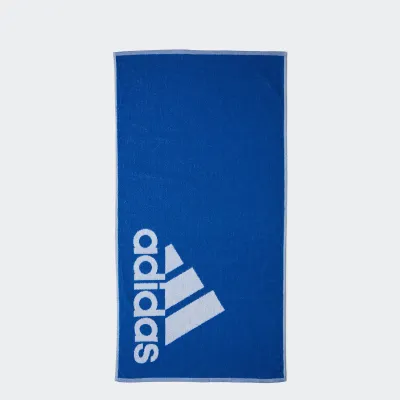
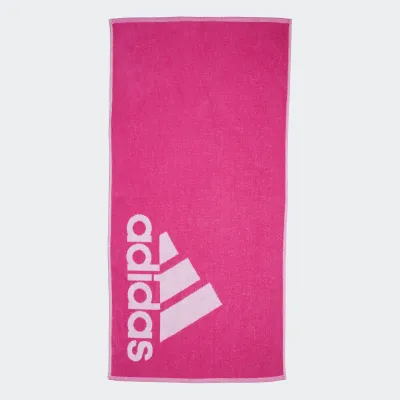
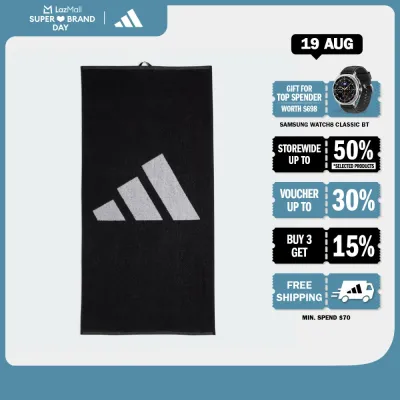
Prices are valid at publication and may change. Please refer to the product page for the latest price.
You must also carefully evaluate manufacturer claims regarding performance features such as rapid drying, anti-odor properties, or chlorine resistance. It is best to treat these marketing descriptions as design intentions that require verification through care labels rather than guaranteed absolute performance. For instance, a towel labeled as “quick-dry” will only perform as such if its fiber blend supports rapid moisture release; a 100% cotton towel will inherently retain water longer than a synthetic counterpart, regardless of any proprietary branding. Always check the exact material percentages and care instructions to understand how the fabric will behave under real-world conditions.
Matching Towel Features to Your Swimming Habits
For high-frequency swimmers who train multiple times a week, managing damp gear is a constant challenge. In warm, humid climates, leaving a wet towel sealed inside a dark gym bag for even a few hours creates an ideal environment for mold, mildew, and sour odors to develop. If this matches your routine, prioritize ultra-lightweight microfiber towels that feature a high percentage of synthetic fibers. These materials allow you to wring out the majority of the absorbed water manually right after your swim, significantly reducing the overall weight of your gear bag during your commute. Furthermore, they air-dry on a standard drying rack in a fraction of the time required for heavy cotton, ensuring you have a fresh towel ready for consecutive training days.

Occasional or leisure swimmers who visit the pool for low-intensity recreation or water aerobics often prioritize comfort and warmth over packability. For these activities, a plush cotton or cotton-blend towel is highly suitable. The thick, looped texture of cotton feels soft against the skin and provides immediate thermal insulation when exiting a heated pool. Because leisure swimmers typically head straight home after their session, the added bulk of a wet cotton towel and its longer drying time are minor inconveniences compared to the cozy, familiar feel of natural fibers.
Environmental factors and the venue of your swim also dictate your choice of gear. Indoor heated pools maintain a stable ambient temperature, meaning your primary requirement is simply removing surface moisture before heading to the showers. Outdoor pools, open-water venues, or coastal swimming spots expose you to wind chill, sudden temperature drops, and changing weather conditions. In these outdoor settings, a large, heavy-duty towel is essential to act as a windbreak and preserve your core body temperature. If you prefer synthetic materials for outdoor swims, look for high-density microfiber options with a brushed or suede finish, which offer a balance of wind resistance and rapid drying.
How to Build Your Adidas Towel Shortlist
To build a reliable shortlist of Adidas towels on online marketplaces or official brand portals, start by utilizing specific search filters rather than browsing broad accessory categories. Filter your search by “swimming” or “training” to bypass standard fashion or golf towels that may not meet your size or absorbency needs. Use precise search terms such as “Adidas microfiber towel” or “Adidas large sports towel” to isolate products designed specifically for high-moisture environments. Whether you are looking at a basic S$20 option or a premium large towel, using these filters ensures you get the best value and avoid accidentally purchasing a small hand towel that is inadequate for full-body drying.
Once you have identified a few candidate models, verify their care labels and washing instructions to ensure they align with your household laundry routine. Some high-performance synthetic towels require cold washing cycles and must never be exposed to fabric softeners or tumble dryers. If your household laundry routine relies heavily on high-heat drying, a delicate synthetic towel may warp, shrink, or lose its absorbency after just a few cycles. Choosing a towel that matches your existing washing habits prevents premature wear and ensures the fabric maintains its performance over time.
Finally, assess long-term user feedback by looking for consistent patterns in verified buyer reviews on independent retail platforms. Pay close attention to comments regarding colorfastness, edge fraying, and how the towel behaves after repeated exposure to chlorinated pool water. If multiple reviewers note that a specific model loses its absorbency, bleeds dye onto other garments, or develops a stiff texture after a few washes, it may indicate a lower-grade fiber blend. Conversely, positive feedback regarding retained softness and durability under daily use is a strong indicator of a reliable product.
Care and Maintenance for Longevity
Proper care and maintenance are essential to preserve your towel’s absorbency, structural integrity, and hygiene over its lifespan. Chlorine, salt, and pool sanitizers are highly corrosive to textile fibers and will cause them to weaken and break down prematurely if left untreated. To prevent this degradation, always rinse your towel thoroughly in clean, cold tap water immediately after your swim, even if you cannot wash it in a machine right away. This simple step flushes out the majority of the chemical residues, protecting the fibers and extending the life of the towel.
When laundering your swim towel, strictly avoid the use of fabric softeners. Softeners work by coating the textile fibers with a thin, water-resistant chemical film, which drastically reduces the towel’s ability to absorb water. Wash synthetic towels on a gentle cycle with a mild, liquid detergent, and avoid high-heat drying cycles. Excessive heat can melt or distort delicate synthetic microfibers, leading to a stiff, scratchy texture and a permanent loss of the capillary action required for quick drying.
Never leave a damp towel bunched up at the bottom of your swim bag or in a laundry hamper, as this quickly leads to bacterial growth and stubborn, sour odors. Hang the towel up immediately in a well-ventilated area, preferably out of direct, intense sunlight which can fade colors and weaken fibers over time. Ensure the towel is completely dry before folding it and storing it in a closed wardrobe. If a towel does develop a persistent musty smell, washing it with a cup of white vinegar instead of detergent can help neutralize the odor-causing bacteria without damaging the fibers.
Frequently Asked Questions (FAQ)
Can I use a regular Adidas gym towel for swimming?
Yes, you can use a standard Adidas gym towel for occasional swimming, but it is rarely ideal for a dedicated routine. Gym towels are typically designed for wiping away sweat during workouts; they are often smaller, thicker, and made of heavy cotton. When used to dry your entire body after a swim, a standard gym towel quickly becomes saturated, heavy, and bulky. In humid climates, this wet cotton mass takes a long time to dry, increasing the risk of mildew and sour smells in your gear bag. If you only swim once in a while, a gym towel will suffice, provided you can hang it up to dry immediately after use. For regular pool sessions, a dedicated, fast-drying swim towel is a much more practical investment.
How do I know if a swim towel needs replacing?
A swim towel should be replaced when it no longer performs its primary function of absorbing water efficiently. Over time, exposure to chlorine, laundry detergents, and hard water minerals degrades the fibers. Visual and tactile signs of wear include frayed or unraveling edges, a stiff or scratchy texture that does not soften after washing, and a noticeable thinning of the fabric. Additionally, if the towel retains a persistent, musty odor even after being thoroughly laundered and dried, or if it simply pushes water around on your skin rather than absorbing it, the fibers have broken down. Replacing a compromised towel is essential for maintaining proper skin hygiene and ensuring post-swim comfort.
Community discussion
Share your experience or ask a question. Comments are reviewed before publication.