
Selecting the ideal swim goggles requires matching the frame geometry and lens technology to your specific swimming environment. Open water swimmers and triathletes require wide-angle visibility with polarized or mirrored lenses to handle intense glare and facilitate straight-line sighting. Conversely, indoor pool swimmers need low-profile, hydrodynamic frames with clear or lightly tinted lenses to maximize visibility under artificial lights and minimize drag during fast intervals.
Aquasphere has established a diverse lineup of goggles designed to address these distinct environments. By understanding how different frame shapes, gasket materials, and lens tints interact with water and light, you can select a model that ensures leak-free comfort and optimal clarity. Whether you are navigating the open ocean or training in a local lap pool, choosing the correct model will directly impact your performance and comfort.
Open Water vs Pool Swimming: What Your Goggles Actually Need
The physical demands of open water swimming differ dramatically from those of structured pool training. When swimming outdoors, you must contend with natural elements like wind, currents, shifting light, and choppy water. For outdoor swimmers, particularly in bright tropical climates, UV protection and glare reduction are critical safety requirements. Intense sunlight reflecting off the water’s surface causes severe glare, which leads to eye fatigue and can obscure sighting buoys or shoreline landmarks. Furthermore, open water navigation requires a wide field of view to maintain orientation and monitor surrounding swimmers without constantly lifting your head.
Products mentioned in this guide
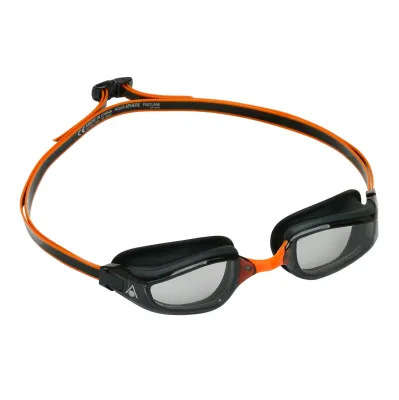
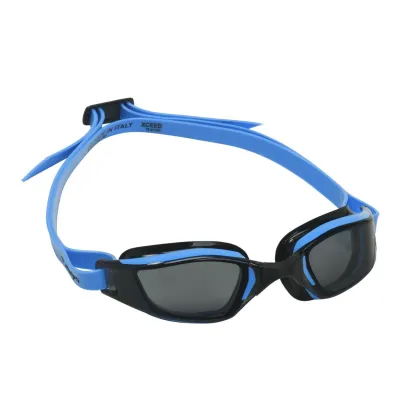
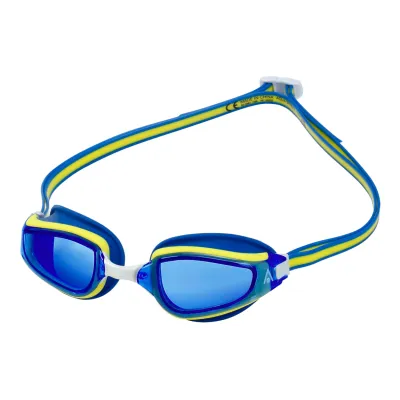
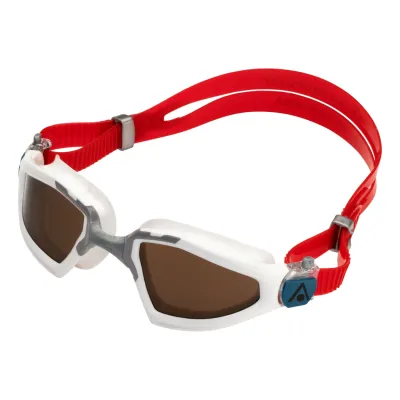
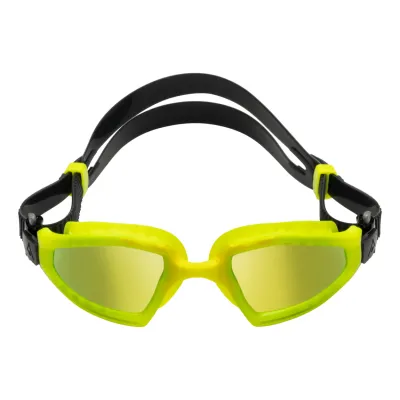
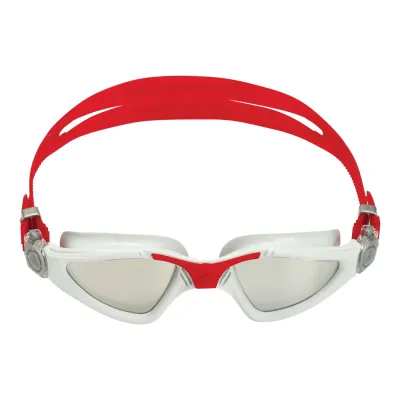
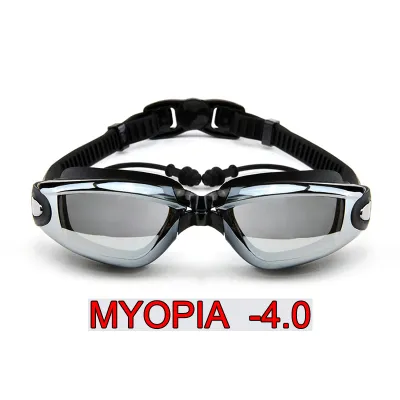
Prices are valid at publication and may change. Please refer to the product page for the latest price.
In contrast, pool swimming takes place in a highly controlled, predictable environment. Whether training in an indoor facility or a sheltered outdoor lap pool, the primary challenges are water resistance, clarity under artificial lighting, and comfort during repetitive lap sets. Pool swimmers prioritize hydrodynamic efficiency. A low-profile goggle minimizes drag during high-speed starts, push-offs, and flip turns. Visibility needs are also different; instead of blocking intense sunlight, pool goggles must maximize light transmission so you can clearly see lane lines, pace clocks, and other swimmers in shaded or indoor lanes.
These environmental differences dictate the physical design of the goggles. Open water goggles typically feature larger frames, wider gaskets, and curved lenses to maximize peripheral vision and distribute seal pressure over a larger surface area. Pool goggles utilize smaller, more compact frames that sit closer to the eye sockets to reduce water resistance and provide a secure fit during explosive movements.
Best Aquasphere Goggles for Open Water and Triathlons
For open water swimmers and triathletes, Aquasphere offers specialized models engineered for maximum field of view, robust seals, and superior light management. These models are designed to handle the unpredictable conditions of outdoor training and mass-start race environments.

Aquasphere Vista
The Aquasphere Vista represents a mask-style design that prioritizes comfort and an expansive field of view. By utilizing a continuous, one-piece silicone skirt, the Vista seals around the outer forehead and cheekbones rather than the delicate eye sockets. This design virtually eliminates localized pressure points and provides an exceptionally secure seal that resists leaking, even when hit by small waves or during physical contact in a triathlon swim start.
- Lens Design: Features a wrap-around, curved lens that provides a full 180-degree panoramic view, allowing you to sight buoys and navigate without breaking your swimming rhythm.
- Best For: Beginners transitioning to open water, long-distance swimmers seeking maximum comfort, and triathletes who prefer a mask-style fit.
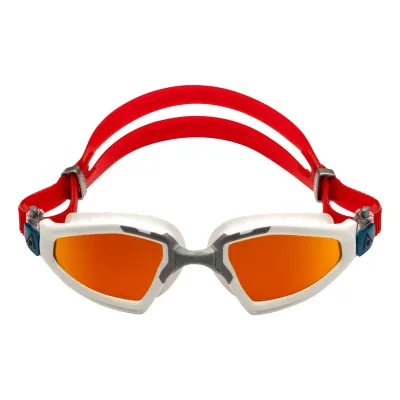
Aquasphere Kayenne
The Aquasphere Kayenne is a highly popular choice among competitive triathletes. It bridges the gap between a traditional goggle and a swim mask by offering an oversized lens design within a streamlined, low-profile frame. The Kayenne features a stabilizing nose bridge that keeps the goggles secure during dive starts and choppy water conditions.
- Lens Design: Utilizes curved lens technology to provide expanded four-point visibility (up, down, and to the sides) without adding excess bulk to the frame.
- Best For: Intermediate to advanced triathletes and open water swimmers who require a balance of wide-angle visibility and hydrodynamic efficiency.
Lens Selection for Outdoor Conditions
When choosing an open water model, selecting the correct lens tint is just as important as the frame shape.
- Polarized Lenses: These are highly recommended for bright, sunny mornings. Polarized technology filters out horizontal light waves, effectively cutting through the blinding glare on the water's surface to improve contrast and depth perception.
- Mirrored Lenses: Mirrored finishes reflect bright light away from the eyes, reducing overall brightness and eye strain during midday swims.
- Dark or Smoke Lenses: These function like sunglasses, reducing light transmission to keep your eyes comfortable in bright, open environments.
Best Aquasphere Goggles for Indoor Pool Laps and Training
Indoor pool training demands a different design philosophy. Here, the focus shifts to speed, hydrodynamic efficiency, and clear vision under artificial or overhead lighting. Aquasphere’s pool-optimized models are built to minimize drag and provide lightweight comfort during long training sessions.
Aquasphere Kaiman
The Aquasphere Kaiman is a classic, versatile goggle that has long been a staple for pool swimmers. It features a traditional two-piece goggle frame but incorporates Aquasphere’s signature curved lenses. This combination provides a much wider field of view than standard flat-lens pool goggles, making it easier to keep track of lane neighbors and pace clocks.
- Frame Construction: Made with a lightweight Softeril gasket—a synthetic, hypoallergenic material that is softer and more flexible than traditional silicone, providing a comfortable seal without leaving deep pressure marks.
- Best For: Daily lap swimmers, masters athletes, and fitness swimmers who want a reliable, comfortable goggle for structured pool workouts.
Aquasphere Sway
The Aquasphere Sway (and similar low-profile training models) is engineered specifically for competitive pool training and racing. It features an ultra-low-profile design with a micro-gasket that sits directly inside the eye socket. This minimal surface area reduces water resistance to the absolute minimum, ensuring the goggles remain perfectly stable during explosive flip turns and sprint intervals.
- Adjustability: Typically features a rigid nose bridge and a high-tension split strap to ensure a locked-in, secure fit during high-speed swimming.
- Best For: Competitive swim team members, sprinters, and swimmers focused on maximizing hydrodynamic performance.
Lens Selection for Indoor Environments
To maintain optimal visibility inside a pool facility, you should choose lenses that maximize light transmission.
- Clear Lenses: These allow the maximum amount of light to reach your eyes, providing natural, uncompromised visibility in indoor pools or during early morning outdoor swim sessions.
- Blue Lenses: Highly effective for indoor swimming, blue-tinted lenses help neutralize yellow light from overhead bulbs, reducing eye strain and enhancing contrast of lane lines.
- Light Smoke Lenses: A versatile option that provides a slight reduction in brightness, ideal for well-lit indoor pools or outdoor pools during overcast days.
Can One Aquasphere Model Handle Both Pool and Open Water?
Many swimmers wonder if they can purchase a single pair of Aquasphere goggles to handle both indoor lap training and outdoor open water swims. While it is entirely possible to use a single “hybrid” pair, doing so requires accepting specific trade-offs in performance, visibility, and comfort.
The Hybrid Compromise
If you want a single pair of goggles for both environments, a mid-sized model like the Aquasphere Kaiman is the most practical choice. It is small enough to avoid excessive drag in the pool, yet its curved lenses provide enough peripheral vision for basic open water sighting.
To make a hybrid pair work, you must select a versatile lens tint. A light smoke or light mirrored lens can transition between moderately bright outdoor settings and well-lit indoor pools. Alternatively, some swimmers opt for photochromic lenses, which automatically darken when exposed to UV light outdoors and return to a clear state when indoors.
The Limitations of a Single Pair
While a hybrid setup is convenient, specialized goggles exist because the environmental demands are fundamentally different.
- Using Open Water Goggles in the Pool: A large-frame model like the Vista or Kayenne will feel bulky during fast pool sets. The increased surface area creates noticeable drag during flip turns and streamline push-offs, which can slow down your lap times and feel cumbersome during high-intensity training.
- Using Pool Goggles in Open Water: A low-profile pool goggle like the Sway limits your peripheral vision, making it much harder to sight buoys quickly. Furthermore, the lack of polarization or heavy mirroring can lead to severe eye strain under the bright sun, and the smaller gaskets offer less protection against accidental kicks or waves.
Decision Framework: One Pair vs. Two Pairs
To decide whether you need one or two pairs of goggles, evaluate your swimming habits:
- Choose One Versatile Pair if: You swim primarily in one environment (e.g., 90% pool laps) and only occasionally venture into the other (e.g., one or two casual open water swims a year). A mid-sized, smoke-lensed Kaiman will easily handle this split.
- Invest in Two Specialized Pairs if: You regularly balance pool yardage with open water training or triathlon racing. Having a clear or blue-tinted Kaiman for indoor pool sessions and a polarized Kayenne or Vista for outdoor open water swims ensures optimal safety, visibility, and performance in both settings.
Fit, Care, and Maintenance Tips for Every Environment
Regardless of which Aquasphere model you choose, achieving a proper fit and maintaining the integrity of the materials will ensure your goggles remain leak-free and last for many seasons.
How to Achieve a Leak-Free Fit
Many swimmers mistakenly believe that tightening the head strap is the key to stopping leaks. In reality, overtightening distorts the goggle’s gasket, actually causing leaks while creating painful pressure marks and headaches.
To verify a proper fit, perform a dry seal test before adjusting the straps:
- Gently press the goggle lenses against your eyes without placing the strap over your head.
- Release your hands. The goggles should stick to your face momentarily through a light, natural vacuum seal.
- If they fall off immediately, the frame shape may not align with your facial bone structure, and you should try a different model size or style.
- Once a natural seal is confirmed, place the split strap over your head, positioning it at a 45-degree angle on the crown of your head to distribute pressure evenly.
Post-Swim Care Routines
Different environments introduce different contaminants that can degrade your goggles over time. Proper rinsing is essential after every swim.
- After Open Water Swims: Saltwater, sand, algae, and sunscreen are highly abrasive. Thoroughly rinse your goggles in clean, cool, fresh water immediately after exiting the water to remove all salt crystals and grit that could scratch the lenses or degrade the silicone skirt.
- After Pool Swims: Chlorine and other pool chemicals will dry out and degrade silicone and Softeril gaskets over time, causing them to become brittle and prone to leaking. Rinse your goggles thoroughly in fresh tap water to remove all chemical residue.
Preserving the Anti-Fog Coating
Aquasphere goggles come treated with a high-quality factory anti-fog coating on the inner lens surface. This coating is highly delicate and easily damaged.
- Never Touch the Inner Lens: Wiping, rubbing, or touching the inside of the lenses with your fingers, towel, or shirt will instantly scratch or rub off the anti-fog layer.
- Rinse and Air Dry: To clean the inner lens, simply flush it with clean, cool water and allow the goggles to air dry completely in a shaded area.
- Avoid Heat: Do not leave your goggles in direct sunlight, a hot car, or next to a heat source, as extreme heat will warp the frame and degrade the anti-fog coating.
- Store Safely: Always store your dry goggles in a protective hard case or pouch to prevent the outer lenses from getting scratched by other gear in your swim bag.
Frequently Asked Questions (FAQ)
Are polarized lenses necessary for open water swimming in bright sunlight?
While not strictly mandatory, polarized lenses are highly beneficial for open water swimming in bright, sunny conditions. They contain a special filter that blocks horizontal light waves, which are responsible for the blinding glare that reflects off the water’s surface. By eliminating this glare, polarized lenses significantly reduce eye strain, improve contrast, and make it much easier to sight distant buoys or spot underwater hazards. If you swim on overcast days or during early morning hours, high-quality mirrored or dark-tinted lenses will also provide excellent UV protection and glare reduction.
How do I keep my Aquasphere goggles from fogging up during a long swim?
To prevent fogging, always avoid touching or wiping the inside of the lenses, which preserves the factory anti-fog coating. Before putting your goggles on, rinse them briefly in cool, clean water to match the temperature of the lens to the water, which helps prevent condensation. Ensure you have a secure, leak-free seal; warm, moist air entering the goggles from a minor leak is a primary cause of rapid fogging. If the factory anti-fog coating naturally wears off after months of heavy use, you can restore clarity by applying a dedicated, swim-safe anti-fog spray or drops to the inner lens, rinsing gently, and letting it dry before your swim.
Community discussion
Share your experience or ask a question. Comments are reviewed before publication.