
Selecting your first Babolat tennis bag depends on how often you step onto the court and the specific volume of gear you need to carry. For casual players practicing once a week or less, a compact Babolat tennis backpack or tote offers the ideal balance of portability and storage. Regular players training two to three times weekly will benefit most from a 3-pack or 6-pack racket holder, which provides dedicated compartments for shoes and extra apparel. Intensive learners committing to daily clinics or matches require a 6-pack to 9-pack racket holder equipped with thermal protection to safeguard their equipment from environmental wear.
While it is tempting to purchase a professional-grade 12-racket tour bag, these massive carriers are functionally overkill and physically cumbersome for beginners. The right choice focuses on your actual gear loadout—such as shoes, hydration, and towels—rather than simply maximizing racket capacity. Matching your bag choice to your playing frequency ensures you do not overpay for unused space while guaranteeing your gear remains organized, protected, and easy to transport.
Quick Guide: Matching Babolat Bags to Your Playing Frequency
Identifying your playing frequency is the most straightforward way to narrow down the extensive Babolat tennis bag lineup. Beginners often make the mistake of buying a bag solely based on the number of rackets it can hold, only to realize that daily transport logistics and non-racket storage are far more critical.
Products mentioned in this guide
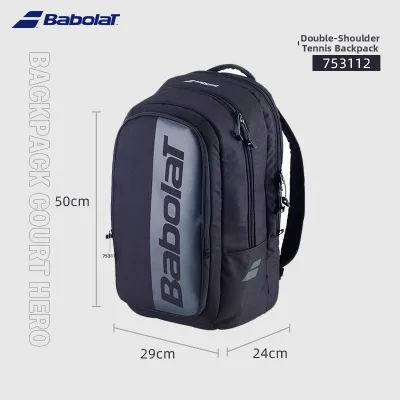
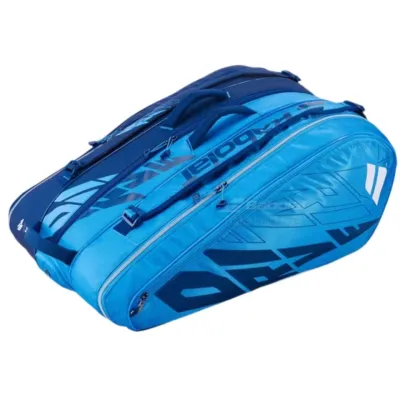
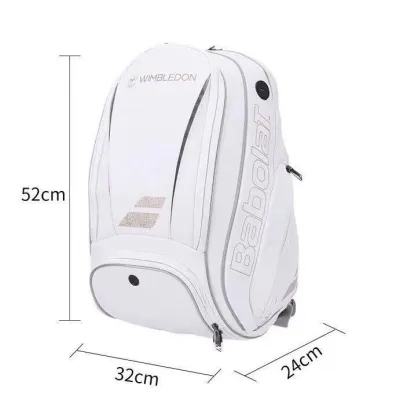
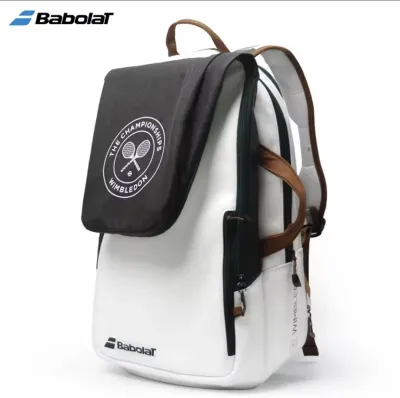
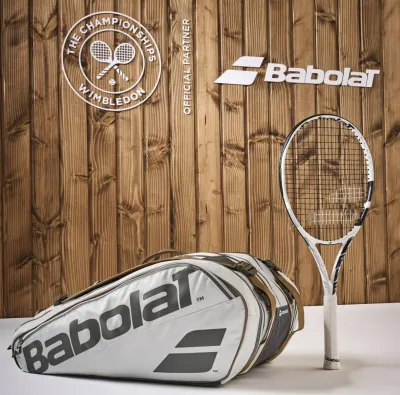
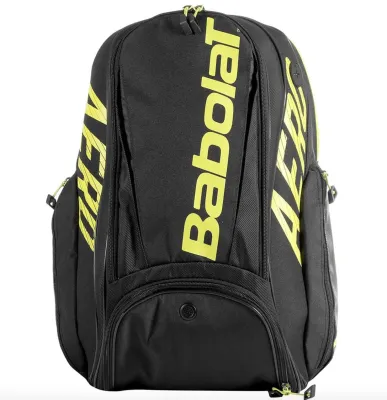
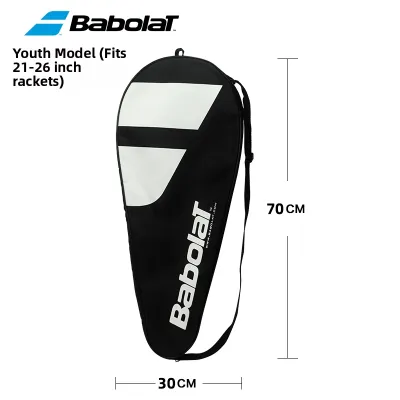
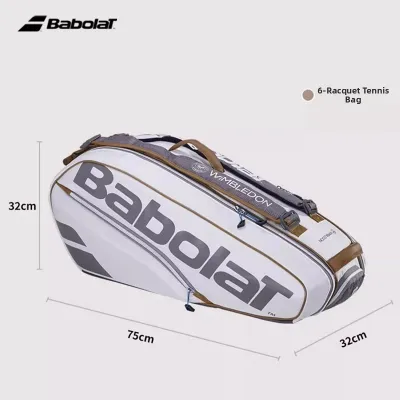
Prices are valid at publication and may change. Please refer to the product page for the latest price.
To help you quickly identify the right category for your current routine, consider this general mapping of playing frequencies to Babolat bag types:
| Playing Frequency | Recommended Babolat Bag Type | Primary Benefit | Key Limitation |
|---|---|---|---|
| Casual (Once a week or less) | Backpacks or Totes | Lightweight, highly versatile, easy for public transport | Racket handles remain exposed; limited storage for extra shoes |
| Regular (2 to 3 times a week) | 3 to 6 Racket Holders (RH3 / RH6) | Dedicated shoe compartments, better racket protection | Bulkier to carry; can feel heavy if packed inefficiently |
| Intensive (Daily practice or clinics) | 6 to 9 Racket Holders (RH6 / RH9) | Thermal protection for strings, maximum gear capacity | Large physical footprint; difficult to fit in small lockers |
As a beginner, you rarely need to look at 12-racket tour bags. Your selection should prioritize how you travel to the courts and what accessories you must carry alongside your rackets. A casual player commuting via the MRT in Singapore will have vastly different transport needs than an intensive player driving to daily club clinics.
Assessing Your Gear Needs Before Choosing a Bag
Before browsing specific Babolat models, take a realistic inventory of what you plan to bring to the court. A standard beginner gear loadout typically consists of one or two rackets, a pair of dedicated court shoes, a large water bottle, a sports towel, spare overgrips, and a fresh can of tennis balls. You might also carry personal items like keys, a wallet, phone, sunscreen, and a spare change of clothes.

Carrying more than two rackets is generally unnecessary for players in their first year of tennis. Beginners are still developing consistent swing mechanics and rarely need to carry multiple identical frames strung at different tensions. Because you are only carrying one or two rackets, the physical size of the bag is actually dictated by your non-racket gear.
Non-racket items like shoes, wet apparel, and hydration setups occupy a significant amount of physical volume. A standard pair of court shoes takes up roughly the same amount of space as three tennis rackets. If you pack a large 1.5-litre water bottle to stay hydrated during a humid afternoon session, that bottle alone can crowd out the main compartment of a basic backpack.
By analyzing your gear requirements first, you avoid the frustration of buying a compact bag that cannot fit your shoes, or a massive duffel bag that remains mostly empty and structurally saggy. Look for a balance where your rackets are secure, and your daily lifestyle items have dedicated, accessible pockets.
Babolat Tennis Bag Types and Capacity Options
Babolat categorizes their bags into distinct styles designed to meet different storage demands and carrying preferences. Understanding these categories helps you navigate the product descriptions and choose a layout that fits your routine.
Backpacks and Totes
Babolat’s tennis backpacks and lifestyle totes are the most compact options available. These bags typically feature a dedicated rear compartment that holds one to two rackets. Because the racket handles stick out of the top of the bag, these models are exceptionally easy to carry on public transport or while riding a bicycle. They are highly versatile and can easily double as a gym bag, work backpack, or daily commuter pack. However, they generally lack specialized features like thermal insulation and rarely have large, isolated shoe compartments.
3 to 6 Racket Bags (Racket Holders)
Often labeled as RH3 or RH6 (Racket Holder 3 or 6), these bags represent the classic teardrop shape associated with tennis. They are designed to carry rackets fully enclosed within the bag, protecting the frames and grips from dust, dirt, and light rain. A 3-pack bag features a single main compartment for rackets and gear, while a 6-pack bag split-designs this space into two main compartments. These bags frequently include dedicated, ventilated shoe tunnels and separate side pockets for accessories, making them the most popular entry point for committed club players.
9 to 12 Racket Bags
Designed for competitive tournament players, these large bags (RH9 and RH12) offer massive carrying capacities spread across three main compartments. While they offer premium features like dual isothermal linings and extensive accessory organization, they are physically massive. For a beginner, carrying a 9-pack or 12-pack bag is often functionally overkill. If you do not fill these bags to capacity, they lose their structural shape, making them awkward to carry and prone to sliding around in transit. They also occupy significant space in car trunks and courtside benches.
Babolat conveniently releases these bag types across their primary racket cosmetic lines, such as the Pure Aero (yellow and black), Pure Drive (blue and black), and Pure Strike (white and red). This allows you to match your bag’s aesthetic directly to your racket frame, though they also offer neutral, budget-friendly lines like the Evo Court and Classic ranges.
Recommended Babolat Bag Setups by Playing Frequency
To make a practical decision, evaluate where you fit among the three primary beginner profiles. Your weekly playing frequency dictates not only how much gear you accumulate but also how much wear and tear your bag must endure.
Casual Players (Once a Week or Less)
If you only play tennis occasionally—perhaps a casual weekend hit with friends or a bi-weekly lesson—your priority should be simplicity, ease of transport, and multi-functional use.
- Recommended Type: Babolat Backpacks (such as the Babolat Pure Aero Backpack, Pure Drive Backpack, or the Evo Court Backpack).
- Why it works: These backpacks are lightweight, easy to store in a small apartment closet, and highly convenient for commuting. They feature comfortable shoulder straps and a padded back panel. When you are not playing tennis, you can easily use them for school, work, or weekend trips by simply removing your rackets.
- Limitations: The primary limitation is that your racket handles are exposed to the elements. If you get caught in a sudden tropical downpour, the grip fabric can quickly become soaked. Additionally, because there is no dedicated, isolated shoe compartment, you will need to pack your court shoes in a separate bag inside the main compartment to keep dirt away from your clean clothes.
- Pre-purchase check: Before buying, verify the depth of the main central compartment. Ensure it has enough room to fit your specific shoe size alongside a standard water bottle and a change of clothes without stretching the zippers.
Regular Beginners (2 to 3 Times a Week)
For beginners who are establishing a consistent routine, attending multiple weekly clinics, or joining social leagues, a dedicated tennis bag becomes a necessity to keep organized.
- Recommended Type: Babolat RH3 or RH6 Racket Holders (such as the Evo Court RH6 or the Pure Line RH6).
- Why it works: These bags fully enclose your rackets, protecting the entire frame, strings, and grip from dirt and moisture. The RH6 models are particularly useful because they allow you to dedicate one entire side compartment to your rackets and the other side to your clean clothes, towel, and balls. They also typically feature a dedicated shoe tunnel that keeps dirty clay or hard-court grit isolated from the rest of your gear.
- Limitations: These bags are significantly bulkier than backpacks. If you travel by public transport during peak hours, carrying a full-sized RH6 can feel cumbersome. They also take up more physical space on the court bench or inside home storage areas.
- Pre-purchase check: Look for models that feature adjustable, padded shoulder straps with ergonomic buckles. Because these bags will spend a lot of time sitting on rough concrete or damp court surfaces, check that the base of the bag is reinforced with a durable, water-resistant material.
Intensive Learners (Daily Practice or Clinics)
If you have fully committed to the sport, playing almost daily, taking intensive private coaching, or participating in back-to-back clinics, your gear requirements will match those of advanced players.
- Recommended Type: Babolat RH6 to RH9 Racket Holders with Isothermal protection (such as the Pure Aero RH6 or Pure Drive RH9).
- Why it works: Intensive play means you will likely carry at least two or three rackets to ensure you have a backup if a string breaks mid-session. These premium bags offer ample space for multiple changes of clothes, extensive hydration setups, wristbands, and recovery tools. Crucially, they feature Babolat’s Isothermal Compartment, which protects your racket frames and strings from extreme temperature fluctuations.
- Limitations: These bags represent a higher financial investment, with prices often ranging from S$120 to S$200 or more. They have a very large physical footprint, making them difficult to squeeze into standard public lockers or transport easily on a crowded bus.
- Pre-purchase check: Confirm that the bag features at least one fully lined thermal compartment. If you play in hot, humid climates, preserving your string tension is essential to maintaining control over your shots during daily training.
Essential Features to Verify Before Buying
When comparing Babolat bags online or in-store, look past the color schemes and focus on the physical specifications. Checking these key details ensures the bag will perform well under real-world court conditions.
Thermal Protection
Extreme heat is one of the primary enemies of tennis equipment. High temperatures cause tennis strings (especially polyester and nylon synthetics) to lose tension rapidly, resulting in a loss of control on your shots. If you frequently leave your bag in a hot car trunk or next to an outdoor court under direct sunlight, look for Babolat bags featuring their silver-colored Isothermal Protection lining. This specialized material helps maintain a stable internal temperature, preserving your string playability and protecting the graphite frame from structural stress.
Shoe Compartment
Tennis shoes accumulate a massive amount of dust, court grit, and sweat during a match. Putting dirty shoes directly into a main compartment with clean apparel or spare overgrips is highly unhygienic. Verify that your chosen Babolat bag has a dedicated shoe compartment or shoe tunnel. Ideally, this compartment should be ventilated with small mesh grommets to allow moisture to escape, preventing unpleasant odors from building up inside the bag.
Strap and Handle Comfort
A fully loaded tennis bag can easily weigh between 4 to 8 kilograms. Carrying this weight over one shoulder using a basic strap can lead to shoulder fatigue and poor posture before you even step onto the court. Look for bags equipped with Babolat’s padded, adjustable backpack straps. High-end models often feature ergonomic swiveling buckles that automatically adjust to your shoulder angle. Additionally, verify that the bag has a reinforced top grab handle, which makes it easy to lift the bag out of a car trunk or off the ground.
Base Material
Tennis courts are highly abrasive, and outdoor courts can often remain damp or dusty. Your bag will spend the majority of its life sitting on these rough surfaces. Check the product specifications for a reinforced or water-resistant base material. Babolat often uses a durable, matte-black tarpaulin or a heavy-duty polyester blend on the bottom of their performance bags. This material is easy to wipe clean with a damp cloth and prevents ground moisture from seeping upward into your clean clothes and rackets.
Interior Layout and Seasonal Updates
Babolat frequently updates their bag designs alongside their racket releases. This means a “Pure Aero RH6” from one year might have a slightly different pocket configuration than the version released two years later. Always check the exact interior layout, pocket count, and physical dimensions listed on the product page. Ensure there are small, zippered accessory pockets on the exterior to keep your keys, phone, and wallet secure and easy to find without digging through your main gear compartments.
Frequently Asked Questions (FAQ)
Do I need a thermal compartment in my tennis bag in Singapore?
Yes, if you play regularly or store your gear in warm environments, a thermal compartment is highly beneficial in Singapore. The consistent tropical heat and high humidity accelerate string tension loss, making your racket feel mushy and less controlled. If you play multiple times a week on outdoor courts or commute with your gear in warm transport, prioritizing a Babolat bag with an Isothermal compartment will help protect your strings and frame integrity from premature degradation.
Can I use a regular school or laptop backpack instead of a tennis backpack?
While you can use a standard school or laptop backpack in a pinch, it is not ideal for regular play. Regular backpacks lack the angled, secure racket compartments found in tennis-specific bags. In a standard backpack, the racket handle will often lean heavily to one side, causing the zipper to slide open and risking damage to your frame. Furthermore, standard backpacks lack dedicated, ventilated shoe compartments, meaning you must pack dirty court shoes alongside your clean clothes and personal electronics.
Community discussion
Share your experience or ask a question. Comments are reviewed before publication.