
Selecting the right back float for your child requires balancing their age, weight, and current water confidence. While these devices are excellent tools for teaching a natural, horizontal swimming position, they are strictly training aids and never a substitute for active adult supervision. In Singapore’s year-round warm climate, swimming is a frequent activity in condo and public pools, making the right gear choice essential for both safety and skill development.
Assess Your Child's Current Swimming Ability and Needs
Before introducing a back float, observe how your child behaves during casual pool play. A child who is ready for a back float will show basic water confidence, such as willingly submerging their chin or splashing without fear. They should also demonstrate a natural instinct to kick their legs when supported by your hands under their tummy.
Beginners who are just starting to explore the water need maximum buoyancy to build basic confidence. For these children, a back float helps them understand how their body floats horizontally. Intermediate swimmers, on the other hand, already possess basic kicking skills and need a float that offers adjustable buoyancy, allowing them to rely more on their own strength as they progress.
Products mentioned in this guide
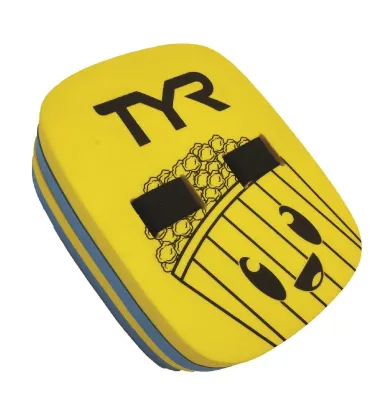
![[SG Stock] Swimming Back Float For Children Kid Learn Water Confidence Swimming Pool Safety Kickboard Beginner Aid Board](https://img.lazcdn.com/g/p/745418243e17a8c5e72807c764231586.jpg_400x400q80.jpg_.webp)
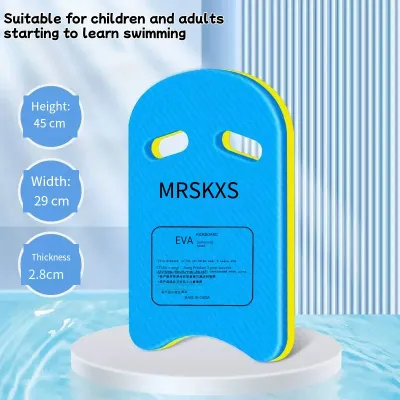
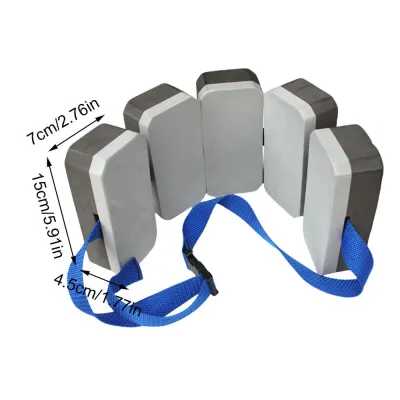
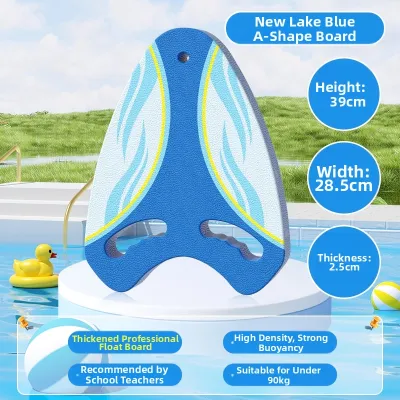
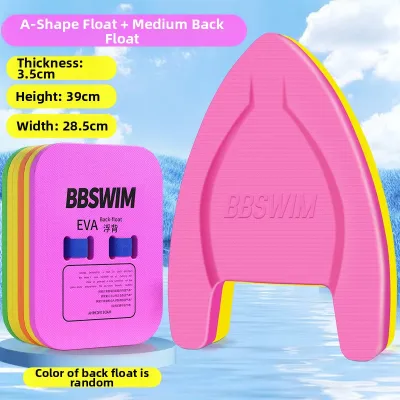
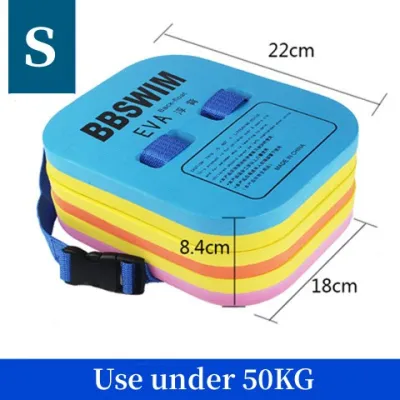
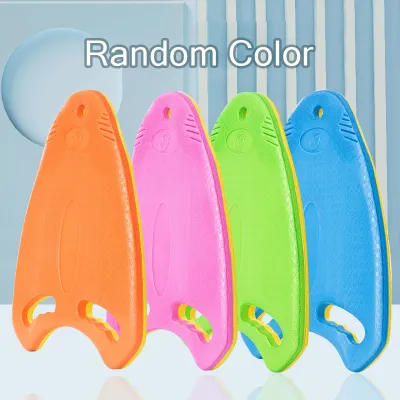
Prices are valid at publication and may change. Please refer to the product page for the latest price.
It is vital to remember that back floats are designed specifically to assist with body positioning and stroke development. They do not function as life jackets or personal flotation devices (PFDs). They will not keep an unconscious or inactive child’s face out of the water, meaning active, touch-supervision by a responsible adult is always required.
Match Back Float Types to Age and Skill Levels
When selecting a back float, matching the design to your child’s developmental stage ensures they receive the right amount of support without restricting their natural movement.

For toddlers and young beginners, look for floats that offer secure, multi-point harness systems. These designs often feature a chest strap or a crotch strap to prevent the float from riding up around the child’s chin. At this stage, the primary goal is water familiarity, so the float should provide high, stable buoyancy that keeps the child’s head comfortably above the surface while they practice basic paddling.
Preschoolers and intermediate swimmers benefit most from transitional back floats, which typically consist of multiple removable foam layers. As your child’s kicking and arm strokes become stronger, you can remove one foam plate at a time. This gradual reduction in buoyancy forces the child to use their own core and leg muscles to stay horizontal, making the transition to independent swimming smooth and natural.
Older children and advanced swimmers who are refining specific strokes, such as freestyle or backstroke, rarely need a full back float. Instead, they can transition to minimal buoyancy aids like pull buoys or kickboards. These tools isolate specific muscle groups, helping older kids focus on stroke mechanics and endurance rather than basic flotation.
While age brackets provide a helpful starting point, they are secondary to your child’s actual weight and swimming proficiency. A lightweight older child who is highly fearful of the water may need a more supportive float than a younger, heavier toddler who has spent months in structured swim lessons. Always prioritize physical ability and weight capacity over age recommendations.
Sizing and Weight Capacity: The Critical Safety Checks
Using a back float that does not match your child’s physical dimensions introduces serious safety hazards. Every manufacturer specifies a strict weight range for their equipment, which you must verify before use.
If a back float is too large for your child, the straps cannot be tightened securely, creating a risk that the child might slip out of the harness or that the float will shift upward, pushing their face downward into the water. Conversely, a float that is too small will not provide sufficient buoyancy to keep the child’s chest and head at the correct level, leading to fatigue, panic, and restricted breathing.
Before entering deep water, perform a physical fit test in a shallow area where your child can stand. Adjust the straps so the float fits snugly against their back without pinching the skin or restricting deep breaths. Check that the buckle is locked securely and that the float remains centered on the spine when the child moves their arms and legs.
Observe the child’s water line during this test. The water should sit comfortably below their chin when they are in a relaxed, vertical position. If the float rides up or the child struggles to keep their mouth clear of the water, exit the pool immediately to readjust the straps or select a different size.
Key Features to Look for in a Kids' Back Float
High-quality construction and thoughtful design features make a significant difference in both safety and durability.
Look for floats made from high-density, non-toxic EVA foam. This material is highly durable, does not absorb water, and cannot puncture or deflate during a swim session. If you choose an inflatable design, ensure it features multiple independent air chambers and reinforced, heavy-duty seams to mitigate the risk of sudden deflation.
The fastening system must be secure enough to resist accidental opening. Prioritize adjustable nylon straps equipped with double-action safety buckles, which require two distinct finger movements to release. This design prevents curious toddlers from unclipping their own floats while in the water.
Visibility is another crucial factor in busy public pools or condo swim areas. Opt for bright, high-visibility colors such as neon orange, vibrant yellow, or hot pink. These shades make it much easier to monitor your child’s position in the water, even from a distance or through surface glare.
Safe Usage and Transitioning Away from Floats
No flotation device can replace the active presence of a supervising adult. When your child is wearing a back float, you must remain within arm’s reach at all times, prepared to intervene instantly if they lose balance or become distressed.
As your child spends more time in the pool, look for signs that they are ready to reduce their reliance on the float. If they consistently maintain a horizontal body position without sagging at the hips, kick continuously, and can lift their head to breathe without panicking, they are ready to transition to less support.
To wean your child off a multi-layer foam back float, remove one layer every few weeks. Do this without making a major announcement to help build their psychological confidence. They will naturally adjust their kicking power to compensate for the slight loss of buoyancy, eventually swimming completely unassisted.
Frequently Asked Questions (FAQ)
Can my child use a back float in the ocean or open water?
No, back floats are designed strictly for calm, controlled environments like swimming pools. Open water presents unpredictable hazards such as currents, waves, and sudden depth changes. A back float does not offer the high-level flotation or self-righting capabilities of a certified life jacket, which is mandatory for open-water activities.
Are inflatable back floats safer than foam ones?
High-density foam back floats are generally considered more reliable because they cannot puncture, leak, or suddenly deflate. Inflatable floats offer the advantage of compact storage but require meticulous pre-swim checks for leaks and seam wear. If using an inflatable model, always choose one with multiple independent air chambers.
At what age should a child stop using a back float?
There is no specific age at which a child must stop using a back float; the decision depends entirely on their swimming proficiency. Once a child can independently float on their back, swim a basic stroke for several meters, and comfortably breathe without assistance, they no longer need the buoyancy of a back float.
Community discussion
Share your experience or ask a question. Comments are reviewed before publication.