
Quick Answer: Matching Back Support Types to Your Primary Activity
Selecting the right back support depends on the physical demands of your activity, your movement patterns, and the level of restriction required. No single design excels at weightlifting, running, and office work simultaneously.
For heavy strength training, a rigid lumbar belt made of stiff leather or thick nylon is essential to help generate intra-abdominal pressure and stabilize the spine. For running and dynamic sports, a flexible compression brace with lightweight stays offers mild support without restricting your stride. For desk work and upper back alignment, a posture corrector or an ergonomic chair cushion is ideal to gently retrain your muscles without causing dependency.
Understanding the Core Types of Back Supports
To make an informed choice, you must first understand how different back supports function. They generally fall into three distinct categories, each designed with specific materials and structural goals.
Products mentioned in this guide
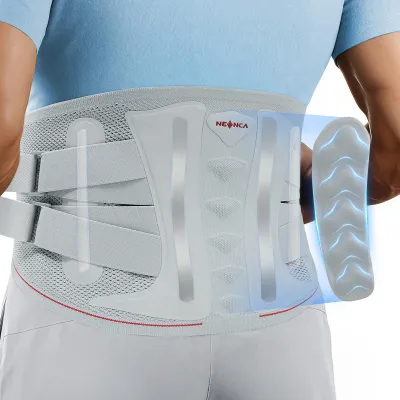
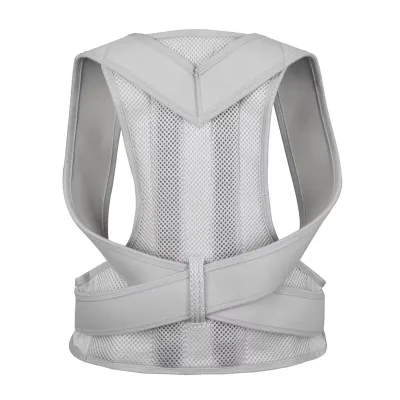
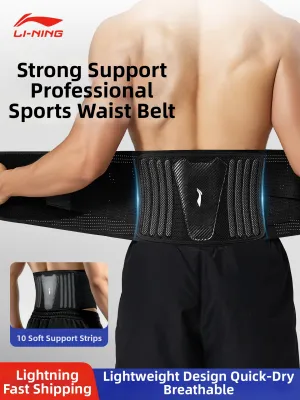
![[SPOT] Adjustable Posture Corrector Shoulder Lumbar Brace Support Brace Back Support Belt Back Shoulder Adult Corset Posture Correction](https://img.lazcdn.com/g/p/7c5b16b30321b50463760af72e3d94a3.jpg_400x400q80.jpg_.webp)
![[✅SG Ready Stock] Dropshipping Stock Adjustable Back Posture Corrector Belt Women Men Prevent Slouching Relieve Pain](https://img.lazcdn.com/g/p/b460d63a0055b066c73bad31e29bffb5.png_400x400q80.png_.webp)
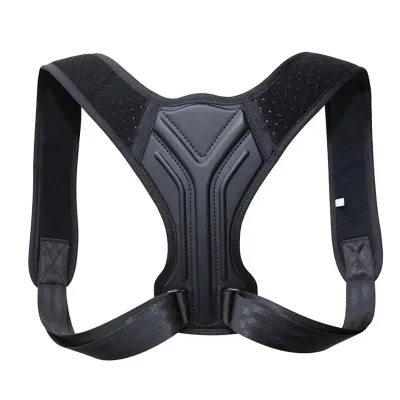
Prices are valid at publication and may change. Please refer to the product page for the latest price.

Rigid lumbar belts are engineered for high-load spinal stabilization. Typically constructed from thick leather or reinforced webbed nylon, these belts do not bend easily. They work by providing a solid wall for your abdominal muscles to push against during heavy lifts, which increases intra-abdominal pressure and reduces spinal shearing forces. Because they highly restrict forward bending and twisting, they are strictly training tools rather than everyday wear.
Flexible compression braces focus on mobility, warmth, and mild support. Made from elastic fabrics, neoprene, or knit blends, these braces often incorporate flexible plastic or spring-steel stays along the back. They do not mechanically lock your spine in place; instead, they provide compression that increases local blood circulation and offers proprioceptive feedback. This tactile feedback serves as a constant physical reminder to maintain a neutral spine while allowing you to bend, reach, and run.
Posture correctors target the upper back and shoulders rather than the lumbar region. These lightweight harnesses consist of adjustable straps that loop around your shoulders, pulling them gently backward. Rather than physically holding your body up, a posture corrector acts as a training aid. When you begin to slouch, the straps tighten, prompting you to actively engage your upper back muscles to correct your alignment.
Choosing Back Support for Weightlifting and Strength Training
Selecting a lifting belt requires matching the belt’s construction to your training style, lifting mechanics, and personal anatomy. Using the wrong type of belt can interfere with your lifts or alter your natural movement patterns.
Powerlifters require maximum stiffness and a uniform width, typically four inches all the way around. This design provides a large, consistent surface area for the abdominal wall to press against during heavy squats and deadlifts. These belts are usually made of layered leather, ranging from 10mm to 13mm in thickness, and utilize secure lever or heavy-duty prong buckle systems that remain locked under extreme pressure.
Olympic lifters need a belt that allows for deep, dynamic movements like the clean and jerk or the snatch. A uniform four-inch rigid belt can dig into the ribs or hips during a deep squat catch. Therefore, Olympic lifters often choose tapered belts that are wide in the back but narrow in the front, or flexible nylon belts with hook-and-loop closure systems. These materials allow for rapid tension adjustments between sets and offer greater freedom of movement.
For general gym use, a lightweight nylon belt is often sufficient. It provides a moderate level of support for compound movements without the extreme rigidity of a powerlifting belt. Regardless of your discipline, a belt should only be worn during near-maximal lifts or heavy working sets. Relying on a belt for light warm-ups or isolation exercises can prevent your deep core stabilizing muscles from developing naturally. A belt is an addition to, not a replacement for, proper bracing technique and core strength.
Selecting Back Support for Running and Dynamic Sports
Running and dynamic sports place unique demands on a back support. The constant impact, repetitive stride cycles, and high cardiovascular output mean that comfort, breathability, and secure positioning are just as important as structural support.
In warm, humid climates, heat dissipation is a critical factor. Standard heavy neoprene braces trap sweat and body heat, which can lead to skin irritation, chafing, and general discomfort during long runs. Look for supports constructed from advanced moisture-wicking fabrics, perforated neoprene, or lightweight mesh panels. These materials allow air to circulate, keeping your skin dry and reducing the risk of friction burns.
The internal support structure must also match the dynamic nature of running. Rigid metal inserts are highly counterproductive here, as they restrict the natural rotation of the pelvis and spine during your stride, which can transfer impact forces to your hips and knees. Instead, opt for braces featuring flexible plastic or spring-steel stays. These components bend with your body’s natural movement while providing lateral stability and preventing sudden, uncontrolled twisting.
Finally, pay close attention to the fit and fastening mechanisms. A brace that slips down or rides up during a run is highly distracting and ineffective. Look for double-pull elastic straps that allow you to customize the compression level across different parts of your lower back. Internal silicone grip strips along the top and bottom hems are also highly beneficial for keeping the brace securely in place against your clothing or skin.
Back Supports for Daily Activities, Office Work, and Recovery
For those spending long hours sitting at a desk, standing on retail floors, or recovering from mild lower back strain, the goal of a support is to manage fatigue and encourage healthy alignment during repetitive daily tasks.
Posture correctors are highly popular among office workers looking to combat the classic “desk slouch.” Because these devices are designed to retrain your muscles, they should not be worn continuously. Start by wearing the corrector for 15 to 30 minutes daily, gradually increasing the duration as your upper back strength improves. Wearing a posture corrector all day can cause your muscles to relax completely, leading to increased weakness and dependency.
For prolonged sitting, a wearable lumbar brace is often less practical than an ergonomic lumbar cushion. A wearable brace can restrict blood flow and feel uncomfortable when seated for hours. An ergonomic cushion attached to your office chair supports the natural inward curve of your lower spine without compressing your abdomen. Reserve wearable lumbar braces for active daily chores that involve lifting, bending, or prolonged standing, such as gardening or carrying groceries.
Recovery braces can be highly beneficial after a strenuous workout or during periods of mild muscle strain. These lightweight, flexible wraps provide gentle compression that helps retain therapeutic body warmth and promotes local blood circulation. This increased blood flow can assist in easing muscle tightness and accelerating recovery, allowing you to return to your daily routine more comfortably.
Sizing, Fit, and Safety Checks Before You Buy
To ensure your back support performs effectively and safely, you must select the correct size and use the product according to established guidelines. An ill-fitting brace can cause discomfort, restrict circulation, or fail to provide the intended support.
Never rely on your standard pants or clothing size when purchasing a back support. Manufacturers have unique sizing structures based on physical measurements. Use a flexible tape measure to find the circumference of your torso. For lumbar braces, measure around your abdomen at the level of your belly button. For posture correctors, measure around the widest part of your chest. Compare these exact measurements to the manufacturer’s sizing chart before making a purchase.
Always check the product packaging or user manual for specific wear instructions and duration limits. Unless specifically directed by a medical professional, back supports should not be worn 24 hours a day. Overusing a support can lead to muscle atrophy, as your body begins to rely on the external brace rather than its own muscular structure.
Listen to your body and perform regular safety checks. Stop using the support immediately if you experience sharp pain, numbness, tingling sensations in your legs, skin irritation, or difficulty breathing. These are clear signs that the brace is either too tight, poorly fitted, or inappropriate for your physical condition. Remember that a back support is a temporary aid or training tool; it cannot replace physical conditioning, core strengthening, or professional medical advice.
Frequently Asked Questions (FAQ)
Can I wear a back support all day?
No, you should not wear a back support all day unless a healthcare professional has explicitly instructed you to do so. Continuous wear can cause your core and back muscles to become inactive, leading to muscle weakness and dependency over time. For daily activities or office work, limit wear to periods of high stress or restrict usage to short intervals of 30 to 60 minutes to allow your muscles to actively support your spine.
How do I clean and maintain my back brace?
To maintain the elasticity and hygiene of your back support, hand wash it in cold water using a mild detergent. Avoid using bleach, fabric softeners, or harsh chemicals, as these can degrade the elastic fibers and weaken the hook-and-loop fasteners. Gently squeeze out excess water without wringing the fabric, and lay the brace flat to air dry in a shaded, well-ventilated area. Never place your back support in a tumble dryer or expose it to direct sunlight, as high heat can warp the structural stays and ruin the elastic materials.
Community discussion
Share your experience or ask a question. Comments are reviewed before publication.