
Choosing the right badminton bag is not just about showing off your favorite brand; it is a practical decision that directly impacts how easily you transport your gear and how well that gear is protected. If you play casually once a week, a simple single-racket sleeve or compact pouch is sufficient to protect your frame. Regular club players who play two to three times a week and commute from work to the court benefit most from mid-sized backpacks with dedicated shoe compartments. Competitive players and tournament regulars require large, multi-compartment tournament bags equipped with thermal lining to safeguard their rackets and shuttlecocks from high heat and humidity.
By matching your bag choice to your playing frequency, you ensure that you do not overpay for bulky, unnecessary storage, nor do you end up struggling with a cramped bag that damages your expensive rackets. The right bag balances storage capacity, carrying comfort, and protective features to suit your specific lifestyle and commuting habits.
Identify Your Player Profile and Gear Load
Before browsing different bag designs, you must evaluate how often you step onto the court and what items you actually need to carry. Your playing frequency dictates your gear volume, which in turn determines the physical size and structural requirements of your bag. Carrying too much bag can make your daily commute exhausting, while carrying too little can leave your expensive equipment vulnerable to damage.
Products mentioned in this guide
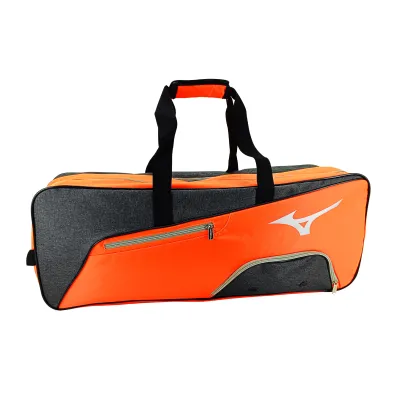
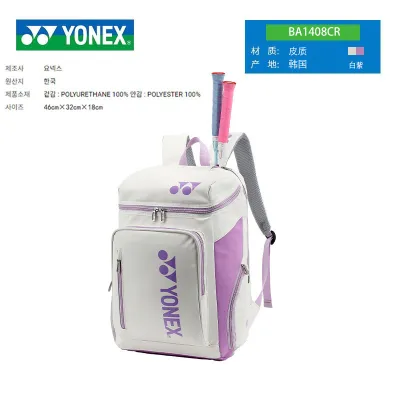
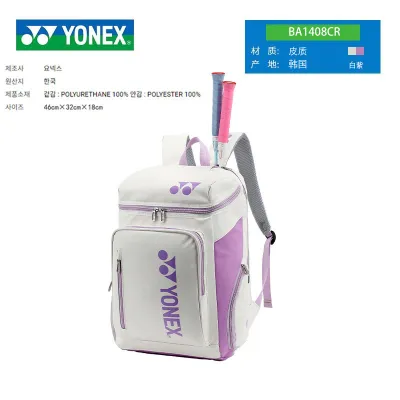
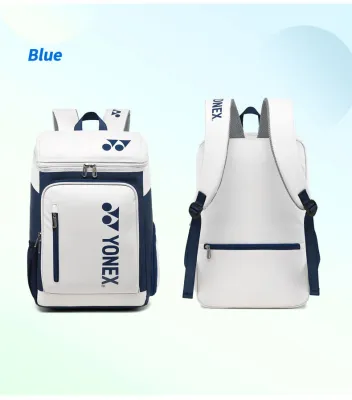
![[😀SG Ready Stock]YONEX YY 1408 series professional badminton bag independent shoe compartment](https://img.lazcdn.com/g/p/bc37ab997b30faf8deb8c0917f220fb4.jpg_400x400q80.jpg_.webp)
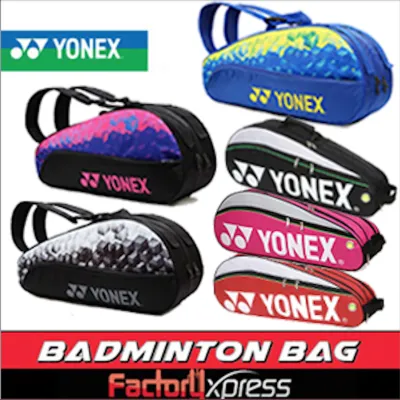
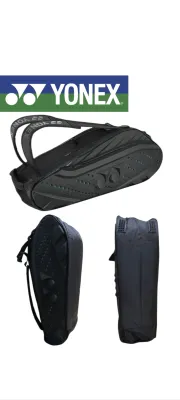
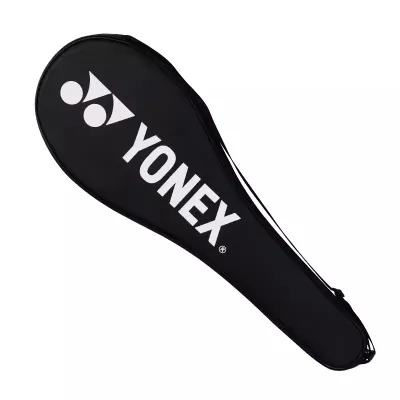
Prices are valid at publication and may change. Please refer to the product page for the latest price.
To establish a baseline, players generally fall into one of three frequency tiers:
- Casual Players (Once a week or less): These players typically carry one or two rackets, a single tube of shuttlecocks, a water bottle, and personal essentials like keys and a phone. They often wear their court shoes to the venue, eliminating the need for extra shoe storage.
- Regular Players (1 to 3 times a week): This group usually owns two to three rackets to ensure they have a backup if a string snaps mid-session. They also carry a dedicated pair of court shoes, a change of clothes, a sports towel, extra grip tape, and basic accessories.
- Competitive Players (4+ times a week or tournament play): These players carry four to eight rackets, multiple pairs of shoes, several tubes of shuttlecocks, scissors, grip powder, medical tape, resistance bands, and personal toiletries for showering after intense matches.
Your daily commuting method also plays a massive role in selecting the ideal bag shape. If you rely on public transport like buses and the MRT, a sleek, vertically oriented backpack is highly practical because it keeps your footprint small on crowded trains. If you drive to sports halls, a larger, horizontal rectangular bag can easily sit in your car boot without causing any carrying inconvenience. Walkers must prioritize ergonomic, double-shoulder straps to distribute weight evenly and prevent shoulder fatigue before they even start playing.
Casual Players: Single Sleeves and Compact Bags
For those who only play occasionally or are just starting their badminton journey, simplicity is key. The most common option for this tier is the single or double racket sleeve, which is often provided free when purchasing a new racket. These slim, lightweight cases are designed to fit the exact silhouette of a badminton racket, featuring a simple zipper and a basic shoulder strap.

Another popular option for casual players is the lightweight drawstring pouch or a basic slim zippered tote. These bags are exceptionally easy to store in small lockers at community centers or ActiveSG sports halls. They keep your racket frame covered, protecting the delicate strings from catching on external objects during transport, and they cost very little, typically ranging from S$5 to S$20.
However, these compact options come with significant limitations. They offer virtually no padding, meaning your racket can easily warp or crack if the bag is dropped or knocked against a hard surface. They also lack dedicated compartments, forcing you to carry your dirty court shoes in your hands or mix them with your clean clothes in a separate plastic bag. Furthermore, they provide zero thermal protection, leaving your racket strings exposed to temperature fluctuations.
If you find yourself carrying more than two rackets, or if you decide to purchase dedicated court shoes that you prefer not to wear on the street, it is time to upgrade. A basic sleeve is excellent for minimalists, but it quickly becomes impractical when you start adding accessories, water bottles, and spare apparel to your court routine.
Regular Players: Mid-Sized Backpacks and Shoulder Bags
Regular players need a versatile middle ground that accommodates a complete gear setup without becoming overly bulky. This is the largest segment of the badminton community, consisting of players who often head to the courts straight from work or university. The two primary bag shapes for this tier are specialized badminton backpacks and mid-sized, rectangular shoulder bags.
Dedicated badminton backpacks differ from standard school bags because they feature a specific rear compartment designed to hold two to three rackets securely, often with a strap to keep the handles from swaying. A crucial feature to look for in this tier is a dedicated, ventilated shoe compartment, usually located at the bottom of the bag. This pocket keeps the dirty soles of your court shoes completely isolated from your clean clothes and towel, while the ventilation grommets allow moisture and odors to escape.
For players who commute via public transport, ergonomic design is vital. Look for backpacks with thick, padded shoulder straps and a chest buckle to distribute the weight of your rackets, shoes, and water bottle evenly across your torso. In warm climates, a backpack with a raised mesh back panel is highly beneficial, as it promotes airflow and reduces back sweat during your walk to the sports hall.
Alternatively, mid-sized rectangular shoulder bags (often labeled as 2-compartment or “6-pack” bags) offer a flatter storage profile. While they are slightly more awkward to carry over long distances than a backpack, they allow your rackets to lie completely flat, which prevents any structural stress on the frames. They also sit neatly on court benches, providing quick, wide-open access to all your gear during water breaks.
Competitive Players: Large Tournament and Wheeled Bags
Competitive players, coaches, and tournament travelers carry an extensive array of equipment that requires maximum organization and heavy-duty protection. For this tier, large tournament bags (often labeled as 3-compartment or “9-to-12 pack” bags) are the industry standard. These bags are designed to hold up to a dozen rackets alongside multiple pairs of shoes, apparel, and training aids.
One of the most critical features of a high-end tournament bag is thermal protection. These compartments are lined with a reflective, metallic foil material designed to shield your rackets and shuttlecocks from external heat. In tropical environments, leaving a bag in a hot car boot or walking under the sun can cause racket strings to lose tension rapidly and dry out natural feather shuttlecocks, making them brittle and prone to snapping. Thermal lining maintains a stable internal temperature, preserving your gear’s performance and longevity.
Organization in these large bags is highly sophisticated. They feature distinct main compartments, allowing you to keep clean change of clothes entirely separate from damp, sweaty jerseys and wet towels. They also include specialized side pockets with internal mesh organizers to store small, easily lost items like spare grommets, grip scissors, medical tape, and grip powder.
Despite their benefits, you should avoid buying an oversized tournament bag if your actual gear load does not warrant it. A half-empty 12-racket bag lacks structural integrity, causing your equipment to slide around and potentially damage itself inside. Furthermore, these massive bags are highly impractical for public transit, as their wide profiles can easily block aisles and turnstiles, leading to unnecessary physical fatigue before you even step onto the court.
Cross-Scenario Compatibility: Finding a Versatile Everyday Bag
If you want to avoid buying multiple bags for different areas of your life, a hybrid or versatile everyday bag is an excellent investment. Many modern sports brands design mid-sized backpacks with roll-top closures, expandable zippers, or modular interior dividers. These features allow you to compress the bag for daily office or school use, and then expand it when you need to pack your court gear in the evening.
To ensure your bag does not look out of place in a professional or academic environment, consider the following design elements:
- Concealable Racket Compartments: Look for bags where the racket handles can be tucked away entirely inside the bag or covered with a matching fabric sleeve, hiding the athletic nature of the bag during business hours.
- Neutral Colorways: Opt for matte black, charcoal gray, or deep navy fabrics rather than bright, neon athletic colors and large brand logos.
- Dedicated Laptop Sleeves: Ensure the bag has a separate, heavily padded compartment that keeps your laptop and tablet safe from any moisture or pressure from your sports gear.
Deciding between a single versatile bag and two dedicated bags comes down to convenience. If you play occasionally after work, a high-quality hybrid backpack is highly cost-effective and saves you from carrying two separate bags during your morning commute. However, if you play multiple times a week at a high level, keeping a dedicated, fully packed court bag at home prevents you from accidentally leaving crucial items like your court shoes, wristbands, or backup rackets behind when rushing out the door.
Essential Care and Maintenance for Your Badminton Bag
To protect your investment and keep your gear hygienic, you must establish a regular care and maintenance routine. Sports bags are prone to accumulating moisture, bacteria, and debris, which can degrade the bag’s materials and cause persistent, unpleasant odors over time.
First, never leave damp towels, sweaty jerseys, or wet wristbands zipped inside your bag overnight. The trapped humidity creates a perfect breeding ground for mold and mildew, which can ruin the inner lining of your bag and transfer foul smells to your clean rackets. Always unzip all compartments and hang your wet apparel and towels to dry immediately after returning home from a session.
Second, make it a habit to clean out the interior compartments regularly. Shake out the bag to remove dust, dirt, and broken shuttlecock feather fragments that tend to collect at the bottom of the pockets. Wipe down the interior of the shoe compartment with a damp cloth and a mild, non-abrasive disinfectant spray to eliminate bacteria carried from the court floor.
Finally, always check the manufacturer’s care label before applying any cleaning solutions or attempting to wash the bag. Many specialized badminton bags feature water-resistant exterior coatings or delicate thermal foil linings that can be permanently damaged by harsh detergents, hot water, or machine washing cycles. If the care instructions are unclear or missing, stick to spot cleaning with a soft sponge, lukewarm water, and mild soap, and always allow the bag to air-dry completely in a shaded, well-ventilated area away from direct sunlight.
Frequently Asked Questions (FAQ)
Do I need a thermal-lined pocket for my shuttlecocks in Singapore's hot climate?
Yes, a thermal-lined pocket is highly recommended for regular and competitive players in Singapore. The consistently high ambient temperatures and humidity can rapidly dry out the natural moisture in feather shuttlecocks, making the feathers brittle and significantly reducing their lifespan during play. Furthermore, extreme heat can cause racket strings to expand and lose tension. While casual players using synthetic nylon shuttlecocks can manage without it, players using premium feather shuttlecocks will find that thermal protection saves them money by preserving shuttlecock durability.
Can I use a regular school or work backpack instead of a dedicated badminton bag?
While a standard backpack can physically hold a racket, it is not ideal for regular play. Standard backpacks lack the specific length required to cover a racket completely, leaving the handle sticking out of the zipper where it is exposed to rain, dirt, and accidental impact. Additionally, regular backpacks do not have ventilated shoe compartments or wet/dry dividers. Packing damp clothes and dirty shoes in the same compartment as your books or laptop can lead to persistent odors and potentially cause moisture damage to your valuable electronics.
Community discussion
Share your experience or ask a question. Comments are reviewed before publication.