
Finding a single portable inflator that can handle both the high-pressure demands of a road bicycle and the high-volume requirements of a car tire requires understanding how different models balance power, size, and battery capacity. A reliable baseus air pump can serve as an all-in-one inflation solution for Singaporean households, whether you are preparing for a weekend cycle along the East Coast Park or keeping your car tires at optimal pressure in an HDB multi-storey carpark. The key is matching the pump’s specific performance thresholds to your most demanding gear.
Quick Guide: How to Match Baseus Air Pumps to Multi-Purpose Needs
Multi-purpose inflation means having a single tool capable of managing wildly different pneumatic requirements. A standard basketball requires a low pressure of around 8 PSI but very little air volume, whereas a road bike tire might demand up to 120 PSI in a highly concentrated chamber. Conversely, a passenger car tire operates at a moderate pressure (typically 30 to 35 PSI) but requires a massive volume of air to fill.
The primary trade-off when selecting a portable inflator is the balance between physical portability and internal battery capacity. Smaller, pocket-sized pumps are exceptionally easy to carry in a cycling jersey or a gym bag, but their smaller motors and batteries mean they will struggle or run out of charge when tasked with inflating large car tires from scratch. Larger, high-capacity models easily handle multiple automotive tires but are too heavy and bulky to carry comfortably on a long bicycle ride.
Products mentioned in this guide
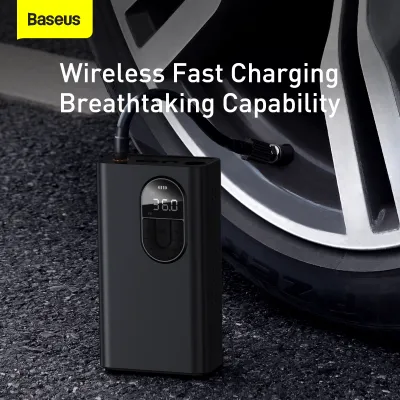
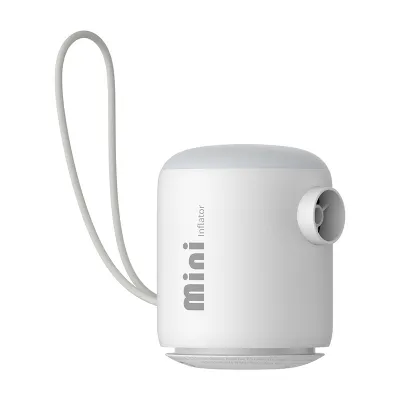
Prices are valid at publication and may change. Please refer to the product page for the latest price.
To ensure a model is truly multi-purpose, check the product label for three critical features. First, verify that the maximum pressure rating exceeds your highest-pressure tire, particularly if you ride road bikes with high-pressure tires. Second, confirm that the package includes universal valve adapters (specifically Schrader, Presta, and a ball needle). Third, ensure the device features an integrated auto-shutoff function to prevent over-inflation.
Prioritize models equipped with digital pressure presets rather than manual analog dials. Digital interfaces allow you to toggle between pre-programmed modes for cars, bicycles, motorcycles, and sports balls, automatically setting safe upper pressure limits. This digital accuracy prevents accidental over-inflation, which can easily rupture delicate sports bladders or bicycle inner tubes.
Key Specifications to Compare Across Baseus Air Pump Models
Maximum Pressure and Airflow Rate
Maximum pressure, measured in pounds per square inch (PSI) or Bar, dictates the absolute limit of what the pump can inflate. For example, a pump rated for a maximum of 150 PSI can easily handle high-pressure road bike tires, whereas a lower-rated pump might only be suitable for car tires and sports equipment. Always consult the manufacturer’s specification label on the pump to ensure its maximum capability safely exceeds the highest PSI requirement among all your gear.

Airflow rate, typically measured in liters per minute (L/min), determines the speed of inflation. While maximum pressure tells you what can be inflated, the airflow rate tells you how fast the process will take. A high maximum pressure rating does not automatically guarantee rapid inflation for large-volume items.
For instance, a compact pump with a high PSI limit but a low airflow rate of 10 L/min will take a very long time to inflate a flat SUV tire. If your primary multi-purpose use includes regular automotive maintenance, prioritizing a higher airflow rate (such as 15 to 20 L/min or more) is essential to avoid standing by the roadside for extended periods.
Battery Capacity and Charging Interface
Battery capacity, expressed in milliampere-hours (mAh), is a crucial metric for determining how many inflation tasks the pump can complete on a single charge. However, raw mAh numbers do not tell the whole story, as motor efficiency and operating pressure dramatically affect power consumption. A pump inflating a tire to 120 PSI will drain the battery much faster than one inflating a basketball to 8 PSI.
When comparing models, look for the manufacturer’s stated “inflation cycles” or real-world performance estimates rather than relying solely on battery capacity. For example, check how many car tires the unit can top up from 2.0 Bar to 2.5 Bar on a full charge. This provides a more practical measure of whether the device can handle emergency automotive situations alongside daily sports gear inflation.
The charging interface is another critical factor for multi-scenario convenience. Models featuring a USB-C charging port offer superior flexibility, allowing you to recharge the pump using the same cables, wall adapters, or power banks you use for your smartphone. This is highly beneficial for outdoor activities, camping trips, or long cycling excursions where access to a standard wall outlet is unavailable.
Heat Management and Auto-Shutoff
All portable air compressors generate significant heat during operation due to the physical compression of air. This thermal buildup is normal, but it requires careful management to prevent damage to the internal motor and battery. Always check the product manual for the recommended “duty cycle,” which is the maximum continuous run time (often 10 to 15 minutes) before the device must be turned off to cool down.
An integrated auto-shutoff feature is a vital safety mechanism on modern digital pumps. This system allows you to select your desired target pressure before starting the pump; once the internal sensor detects that this pressure has been reached, the motor shuts down automatically. This prevents the dangerous over-inflation of tires or sports gear, which can lead to structural damage or sudden blowouts.
While auto-shutoff provides excellent peace of mind, it should not replace active supervision. Users must remain near the pump during operation to monitor for abnormal noise, excessive heat, or shifting hose connections. Ensuring the pump is placed on a clean, flat surface away from loose dirt or debris will also prevent the intake valve from drawing in damaging particles.
Matching Baseus Pump Designs to Your Specific Gear
Compact Models for Bikes and Sports Equipment
Ultra-compact or pocket-sized pumps are designed with maximum portability in mind, often featuring a slim, cylindrical, or rectangular profile that fits easily into a backpack, gym bag, or bicycle frame mount. Weighing very little, these models are perfect for active individuals who need a reliable inflation tool on the move. They are highly convenient for quick pre-ride pressure adjustments on road or mountain bikes.
These compact designs excel at inflating sports balls, yoga mats, and small recreational inflatables where high pressure or low-to-medium volume is required. Their small footprint makes them an unobtrusive addition to your sporting gear, ensuring you are never left with a flat basketball or football during a game at local community courts.
However, these miniature models have distinct physical limitations. Their smaller internal motors and lower battery capacities mean they have low airflow rates, making them highly inefficient for large automotive tires. While they can occasionally top up a slightly low car tire in an emergency, attempting to inflate a completely flat passenger car tire will likely drain the battery entirely and may trigger thermal shutdown before the task is complete.
High-Capacity Models for Car and SUV Tires
High-capacity models feature a more robust, often box-style or heavy cylinder design built to house larger battery packs and high-output motors. These units are engineered specifically to handle the high-volume demands of passenger cars, SUVs, and light commercial vehicles. They deliver a significantly higher airflow rate, allowing them to inflate large tires rapidly and efficiently.
These robust pumps are ideal for keeping in your car’s trunk for roadside emergencies, routine pressure maintenance, or adjusting tire pressures before long highway drives. They also have enough battery reserve to inflate large inflatable camping mattresses, heavy-duty sports equipment, or multiple bicycle tires back-to-back without needing a recharge.
The trade-off for this high performance is physical bulk and weight. These models are far too heavy and large to carry comfortably on a bicycle frame or in a standard gym bag. If your primary activities involve cycling or carrying your gear long distances on foot, a high-capacity automotive pump will quickly become a burdensome load.
Multi-Mode Models for True All-in-One Use
Multi-mode models represent the ideal middle ground for users seeking a single, versatile inflator for both automotive and recreational needs. These pumps balance a reasonably compact form factor with a motor powerful enough to handle occasional car tire inflation. They are designed to be stored easily in a car glove box or a medium-sized sports bag.
A key feature of these versatile units is the inclusion of dedicated digital profiles for different inflation tasks, such as Car, Motorcycle, Bicycle, and Ball modes. Selecting a mode automatically configures the pump to a safe, pre-determined pressure range and unit of measurement (PSI or Bar). This drastically reduces the risk of user error, such as accidentally inflating a basketball to car-tire pressure.
For Singaporean families who drive a car but also enjoy weekend cycling along the PCN or playing basketball at ActiveSG facilities, these multi-mode models offer the best return on investment. They provide the peace of mind of an emergency roadside tool while remaining practical enough for regular household and sporting use.
Before purchasing, always verify the specific accessories included with the model. Ensure it comes with a protective carrying pouch to keep the hose and various adapters organized, preventing them from getting lost in your car trunk or sports bag. A model with an integrated LED light is also highly recommended, as it provides essential visibility when inflating tires in dimly lit multi-storey carparks or during evening outdoor activities.
Verifying Nozzles and Adapters for Cars, Bikes, and Sports Gear
A portable pump is only as useful as its compatibility with your specific gear, making the included nozzles and adapters a critical point of verification. The vast majority of inflatable items rely on three primary valve styles. Schrader valves are the standard for passenger cars, motorcycles, most mountain bikes, and common utility inflatables. Presta valves, which are thinner and feature a locking nut, are standard on high-performance road, gravel, and racing bicycles. Ball needles are specialized, thin metal pins required for inflating soccer balls, basketballs, and netballs.
Before finalizing your purchase, carefully check the product specifications or the “What’s in the Box” section to ensure all three adapter types are included. While these adapters can sometimes be purchased separately, having high-quality, manufacturer-matched nozzles included in the package ensures optimal performance and airtight seals.
Using these adapters correctly is essential to prevent damage to both the pump and your equipment. When inflating a bicycle tire with a Presta valve, you must first unscrew the small brass locking nut at the top of the valve stem before attaching the Presta-to-Schrader adapter. Ensure the adapter is screwed on straight and firmly; cross-threading can damage the delicate brass threads of the valve core, leading to persistent slow leaks that require replacing the entire inner tube.
Pay close attention to how the pump’s hose connects to these valves. Models with a screw-on hose connector generally offer a far more secure, airtight seal than those utilizing a quick-release push-on clamp. Screw-on connectors minimize air loss when attaching or detaching the hose, which is particularly important when working with high-pressure road bike tires where even a split-second leak can significantly drop the internal pressure.
Safe Operation and Battery Care for Portable Pumps
Operating a portable air pump safely requires an understanding of its physical limits, particularly regarding heat generation. During continuous use, the metal connector where the air hose meets the pump body can become extremely hot. Avoid touching these metal components immediately after inflation; instead, grasp the rubberized portion of the hose or allow the unit to sit undisturbed for several minutes to cool down.
Battery care is of paramount importance, especially under Singapore’s intense tropical climate. The lithium-ion batteries used in these portable pumps are highly sensitive to extreme temperatures. You must never leave a portable air pump inside a closed car cabin parked under direct sunlight, such as in open-air carparks, where internal cabin temperatures can easily exceed 60 degrees Celsius. This level of heat accelerates battery degradation, significantly shortens the lifespan of the device, and in extreme cases, poses a severe risk of battery swelling or thermal runaway.
To maximize the lifespan of the internal lithium-ion battery, practice proper storage and charging habits. If you plan to store the pump in your home or car trunk for extended periods without use, ensure the battery is charged to approximately 50% to 60% capacity rather than storing it completely full or entirely empty. Additionally, avoid letting the battery drain to 0% before recharging, as deep discharges place high stress on the battery chemistry; recharge the unit promptly after use.
Regular physical maintenance of the pump’s accessories will ensure consistent performance and prevent air leaks. Periodically inspect the small rubber O-rings located inside the hose connectors and adapters. In Singapore’s humid environment, these rubber seals can eventually degrade, dry out, or crack. Replacing a worn O-ring immediately prevents air from escaping during inflation, ensuring the pump’s pressure sensor remains accurate and the motor does not have to work unnecessarily hard.
Frequently Asked Questions (FAQ)
Can one Baseus pump handle both high-pressure bike tires and large car tires?
Yes, many mid-range and high-tier digital Baseus models are engineered to handle both tasks, but you must verify the specific capabilities of the model before buying. Ensure the pump’s rated maximum pressure meets or exceeds the requirements of your road bike (which often requires 100 to 120 PSI), and that its battery capacity is sufficient to handle the high volume of a car tire. Keep in mind that while a single pump can technically perform both functions, a compact model optimized for portability will take significantly longer to inflate a car tire compared to a larger, automotive-focused model.
How long should the pump cool down between inflating multiple tires?
As a general safety guideline, you should let the portable pump rest and cool down for 5 to 10 minutes after every 10 to 15 minutes of continuous operation. The exact duty cycle varies by model, so it is crucial to consult your specific user manual for the manufacturer’s recommendations. If the pump body or the air hose connector feels excessively hot to the touch at any point during use, stop the inflation process immediately and allow the device to cool completely in a shaded area before resuming.
Will the pump automatically stop when it reaches the set pressure?
Digital models equipped with an electronic pressure sensor and display screen feature an auto-shutoff function that stops the motor once the preset target pressure is reached. However, you must actively select the correct target pressure and unit of measurement (PSI, Bar, or kPa) for the specific item you are inflating before starting the pump. For safety, never leave the pump completely unattended during operation, and periodically verify that the physical connection to the valve remains secure and leak-free.
Community discussion
Share your experience or ask a question. Comments are reviewed before publication.