
Choosing the right bicycle rack setup depends on whether you are navigating Singapore’s paved Park Connector Network (PCN) for your daily commute or preparing for a multi-day touring journey. For quick PCN trips, a lightweight rear rack or a simple rackless bag system keeps your ride agile and your gear easily accessible. Conversely, long-distance touring demands a robust, balanced system—often combining front and rear racks—to distribute heavy loads safely without compromising steering.
Assess Your Cargo Needs for PCN Commuting vs. Touring
To determine the ideal setup, start by evaluating your typical payload, riding distance, and how often you need to access your belongings. A daily commute along the PCN usually involves carrying a laptop, a change of clothes, or light groceries over flat, well-paved paths. These short trips benefit from setups that prioritize quick mounting and easy off-bike carrying, allowing you to transition smoothly from riding to working or shopping.
Multi-day touring presents a completely different set of demands. When you carry camping gear, spare parts, clothing, and food, your total cargo weight increases significantly. This requires a highly stable mounting system that can withstand continuous vibrations over long distances without loosening or shifting.
Products mentioned in this guide
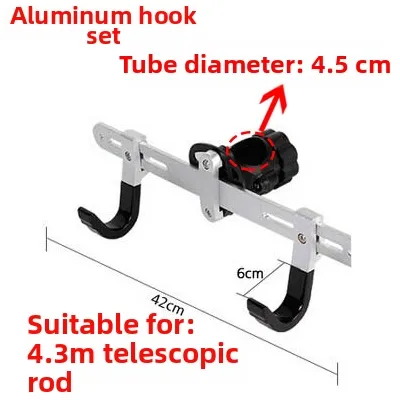
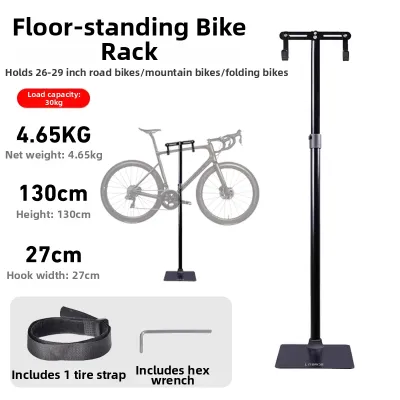
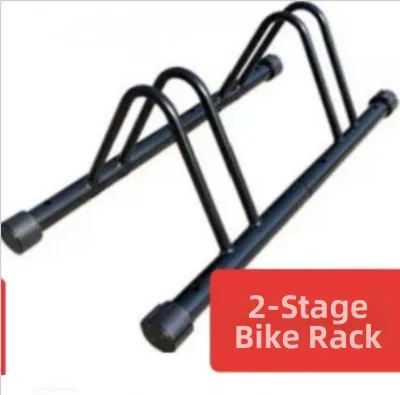
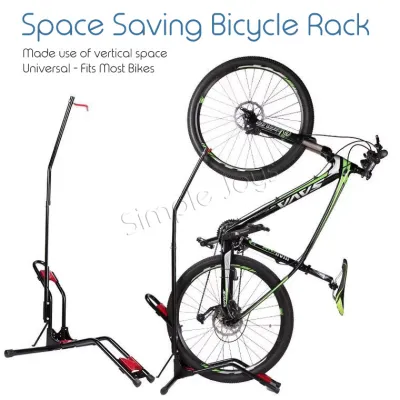
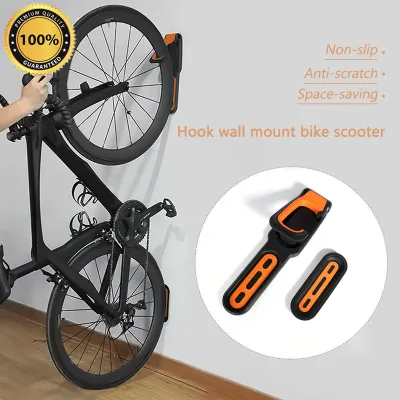
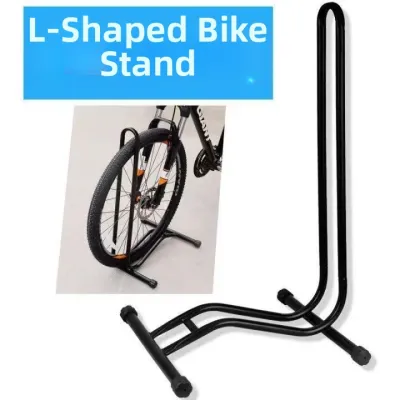
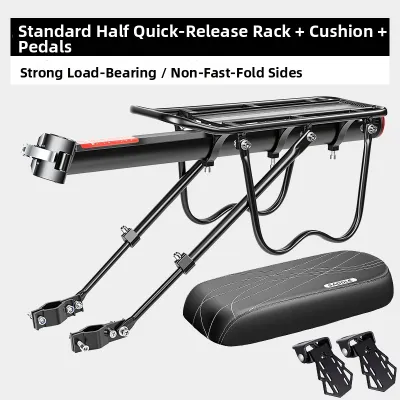
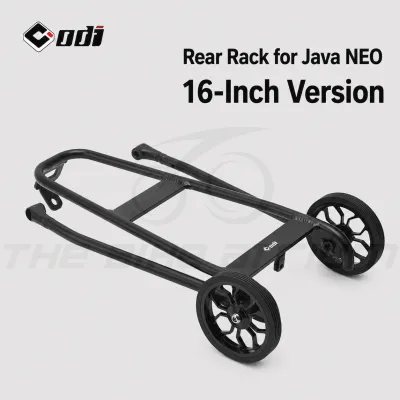
Prices are valid at publication and may change. Please refer to the product page for the latest price.
The terrain you ride on also dictates how you should distribute this weight. The PCN consists primarily of flat, predictable concrete and asphalt paths where sudden, technical maneuvers are rarely necessary. However, adding significant weight to only one end of the bike can still affect how it handles when cornering or braking.
Your personal riding priorities will help narrow down the choices. If you value speed, aerodynamics, and a nimble bike feel, a minimalist setup is ideal. If your priority is maximum carrying capacity and effortless loading, a traditional bolted rack system remains the most practical solution.
Rear Racks: Best for Daily Commutes and Light Loads
The classic rear bicycle rack is the most common starting point for utility cycling and daily commuting. Mounted directly over the rear wheel, these racks provide a stable platform for securing trunk bags, baskets, or traditional side panniers. They are highly versatile, making them excellent for carrying daily essentials, office gear, or a quick run of groceries.

When loading a rear rack, it is vital to check the manufacturer’s specified weight limit, which is often stamped directly on the frame of the rack. Exceeding this limit can lead to structural failure, especially when riding over curbs or uneven expansion joints.
Loading all your gear onto the rear of the bicycle shifts your center of gravity backward. This shift makes the front wheel feel lighter, which can slightly slow down your steering response and cause the front end to lift when climbing steep ramps. While this is rarely an issue on flat PCN paths, you will notice the difference when starting from a complete stop.
Physical clearance is another critical factor to consider before purchasing a rear rack. Ensure your heels do not strike the front of your panniers while pedaling, a common issue on bicycles with shorter chainstays, such as road or gravel bikes. Adjusting the rack backward or choosing panniers with angled front profiles can help prevent this interference.
If you plan to install a rear child seat, verify that both your bicycle frame and the rear rack are explicitly rated for that specific type of passenger load. Many standard utility racks are not designed to support the dynamic weight of a child, requiring specialized heavy-duty models that mount directly to the frame’s structural eyelets.
Front Racks: Best for Heavy Touring and Weight Distribution
For long-distance touring or carrying heavier payloads, a front rack system offers significant advantages in terms of balance and stability. By distributing a portion of your gear to the front fork, you prevent the rear wheel from bearing the entire weight of your luggage. This balanced distribution reduces stress on your rear spokes and helps maintain a more natural center of gravity.
Front racks generally fall into two categories: high-riding platform racks and lowrider racks. Lowrider racks position the weight of your panniers directly alongside the front wheel axle. This low placement minimizes the pendulum effect when steering, making the bicycle surprisingly stable and easy to control even when heavily loaded.
While front racks excel at stabilizing heavy touring loads, they are less practical for casual daily commuting on the PCN. A heavily loaded front wheel requires more physical effort to steer at slow speeds and can feel sluggish during tight turns. Additionally, front-mounted bags can sometimes interfere with brake and gear cables, requiring careful routing to ensure safe operation.
Before choosing a front rack, inspect your bicycle’s front fork for the necessary mounting points. Traditional lowrider racks require mid-blade eyelets on the fork legs, as well as eyelets near the front dropouts. If your fork lacks these dedicated threaded holes, you may need to look for specialized racks that utilize alternative mounting hardware or axle-mount systems.
Rackless Alternatives: Frame Bags and Seatpacks
If your bicycle lacks traditional mounting eyelets, or if you prefer to keep your setup as light and nimble as possible, rackless cargo solutions offer an excellent alternative. Often referred to as bikepacking bags, these systems attach directly to your bike’s frame, handlebars, and seatpost using heavy-duty hook-and-loop straps or buckle systems.
On the PCN, a rackless setup is highly effective for fast commutes or minimalist weekend rides. A large seatpack paired with a frame bag can easily accommodate a change of clothes, basic tools, and snacks without adding the structural weight of metal racks. Because these bags align closely with the centerline of the bicycle, they preserve the natural handling and agility of your bike.
This streamlined profile also offers aerodynamic benefits, making it easier to maintain speed against headwinds. Furthermore, because they do not rely on threaded frame eyelets, rackless bags can be mounted on almost any bicycle, including carbon fiber road bikes and full-suspension mountain bikes that cannot accept traditional racks.
However, rackless systems do come with distinct limitations. Their total cargo volume is significantly lower than what a full set of panniers can hold, requiring you to pack efficiently and prioritize lightweight gear. Accessing items inside a tightly packed seatpack or frame bag while on the go can also be challenging compared to simply opening a rear pannier.
Additionally, because these bags strap directly to your bicycle, they can rub against the frame during use. Over time, road grit trapped beneath the straps can scratch or wear down your bike’s paint or clear coat. Applying protective adhesive tape to the contact points on your frame before mounting the bags is a simple and effective way to prevent this cosmetic wear.
Verifying Bike Compatibility and Mounting Limits
Before purchasing any bicycle rack, performing a thorough compatibility check on your specific bike frame is essential to ensure a safe and secure fit. Start by locating the threaded eyelets on your frame’s rear dropouts and seatstays, or on your front fork legs. The presence, size, and location of these eyelets will dictate which rack models can be bolted directly to your bike.
If your bicycle is equipped with disc brakes, you must check if the brake caliper interferes with the straight path of the rack’s mounting struts. Many modern racks feature offset mounts or wider clearances specifically designed to bypass disc brake assemblies. Alternatively, you may need to source specialized spacers or a rack designed specifically for disc-brake frames.
Tire and fender clearance must also be verified. Ensure there is ample space between the top of your tire or fender and the underside of the rack platform. This clearance is especially critical on gravel or mountain bikes, where mud can accumulate, or on full-suspension models where the rear wheel moves upward as the suspension compresses.
For bicycles that lack traditional eyelets, such as those with thru-axles rather than quick-release skewers, specialized mounting kits are available. These systems often replace your existing axle with a longer, reinforced version that features integrated mounting points for rack struts, allowing you to carry cargo safely without modifying your frame.
Finally, always consult your bicycle manufacturer’s official documentation to verify the maximum weight limits for both the frame and fork. Even if a rack is rated to carry a heavy load, your bicycle frame itself may have lower structural limits. Adhering to these guidelines prevents damage to your frame and ensures your bicycle remains safe and predictable to ride.
Frequently Asked Questions (FAQ)
Can I install a rack on a carbon fiber or full-suspension bike?
Clamping traditional metal racks directly to carbon fiber frame tubes or seatposts is highly discouraged, as the localized clamping pressure can easily crush or crack the carbon fibers. For full-suspension bikes, standard rigid racks cannot be used because they would restrict the movement of the rear suspension pivot points. If you own a carbon or full-suspension bike, look for specialized rack systems that mount directly to the rear axle or use strap-on designs engineered to distribute load forces safely across approved contact points. Always check your frame manufacturer’s guidelines before installation.
How do I prevent my panniers from swaying while riding?
To prevent panniers from swaying and affecting your balance, ensure all mounting hooks and lower retention clips are adjusted tightly to fit your rack’s tubing. Most modern panniers feature adjustable lower hooks that lock onto the vertical struts of the rack, preventing the bag from bouncing outward. When packing your bags, place the heaviest items at the bottom and as close to the bicycle frame as possible. This keeps the center of gravity low and centered, minimizing sway and keeping your ride stable along the PCN.
Community discussion
Share your experience or ask a question. Comments are reviewed before publication.