
Assessing your specific cycling habits, bike type, and home layout is the first step in finding the right bicycle stand. Whether you ride daily along park connectors, need secure public parking, or are looking to save floor space in a compact apartment, matching the stand to your primary use case ensures safety, convenience, and equipment longevity. This guide breaks down the core stand categories to help you make an informed decision.
Selecting the right support system prevents accidental falls that can damage delicate components like derailleurs and carbon frames. It also transforms how you interact with your bicycle, turning routine maintenance from a chore into a seamless process. By evaluating your daily routine and living environment, you can identify which type of stand—or combination of stands—will serve you most effectively.
Assessing Your Cycling Habits and Space Constraints
Before purchasing any bicycle stand, it is essential to analyze how often you ride and where your bicycle spends most of its time. A daily commuter who rides to transit hubs or local markets has vastly different needs than a weekend road cyclist or a dedicated mountain biker. Commuters require quick, on-the-go stability, whereas recreational riders often prioritize secure home storage and maintenance accessibility.
Products mentioned in this guide
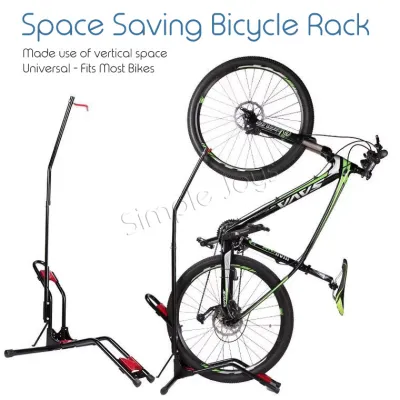
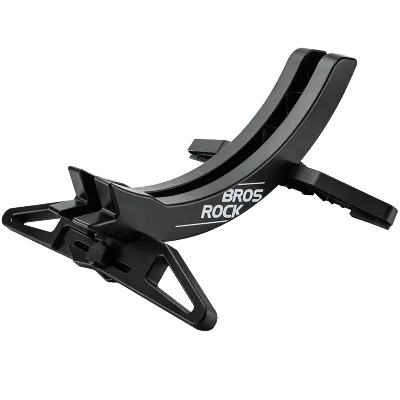
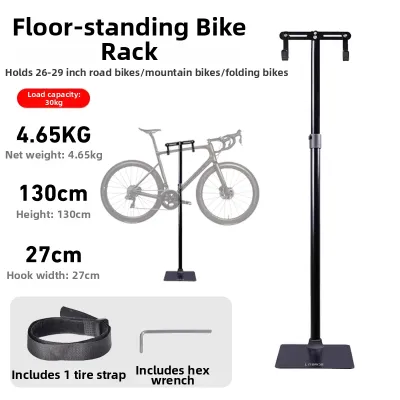
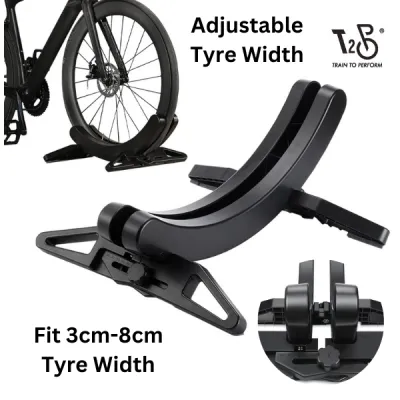
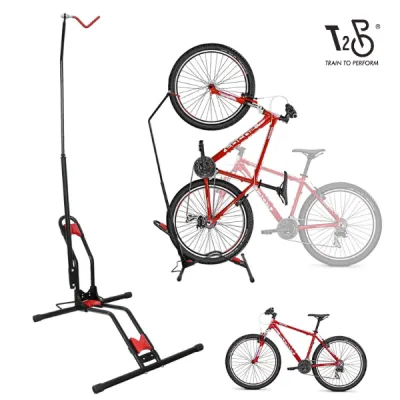
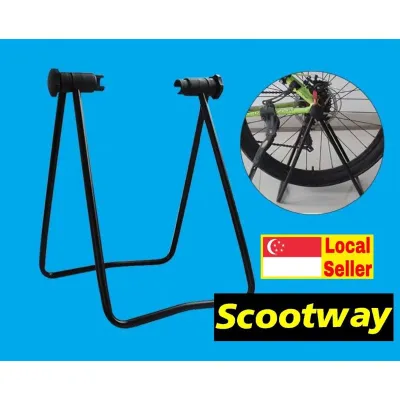
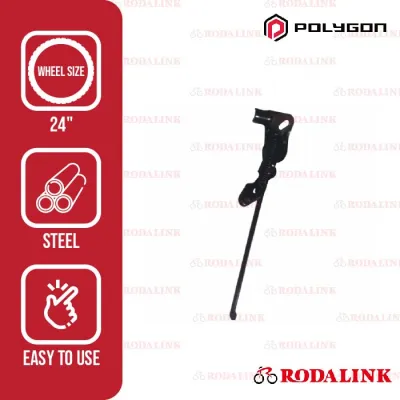
Prices are valid at publication and may change. Please refer to the product page for the latest price.
Living arrangements in Singapore heavily influence this decision. Compact residential layouts, such as HDB flats and condominiums, demand smart spatial planning. A wide-base floor stand might block narrow hallways, while a vertical wall mount can utilize unused vertical space. You must also consider environmental factors; if you store your bicycle on an open balcony, the stand must withstand high humidity and potential rain exposure without rusting.
Finally, examine your bicycle’s physical specifications. Heavy electric bicycles (e-bikes) and robust commuter bikes require heavy-duty stands with high weight capacities. Conversely, lightweight carbon fiber road bikes require mounting systems that do not apply crushing force to thin-walled frame tubes. Knowing your bike’s weight, frame material, and tire width prevents compatibility issues later.
Kickstands: Choosing Stability for Daily Commutes
For riders who use their bicycles for daily errands, commuting, or casual rides along the Park Connector Network (PCN), a kickstand offers unmatched convenience. It allows you to park your bike instantly without searching for a wall or railing to lean it against. However, choosing the wrong type of kickstand can lead to instability, especially when the bike is loaded with gear.

Single-leg rear-mount kickstands are the most common variety, clamping onto the chainstay near the rear wheel. They are lightweight and sufficient for flat, even ground, but they can struggle to support a heavily loaded bike. Double-leg center-mount kickstands, which bolt onto the frame behind the bottom bracket, lift one of the wheels off the ground when deployed. This dual-leg design provides excellent stability, making it a highly practical choice for utility bikes carrying child seats or heavy panniers.
Before installing a kickstand, you must verify your frame’s compatibility. Many modern performance bicycles, particularly those made of carbon fiber or lightweight aluminum, do not have the structural reinforcement required to support a clamp-on kickstand. Additionally, check that the mounting bracket does not pinch rear derailleur cables, rub against disc brake rotors, or interfere with your heel clearance while pedaling. Always check the manufacturer’s weight rating to ensure the kickstand can support your bike’s fully loaded weight.
Parking Stands: Securing Your Bike in Public Spaces
When parking your bicycle outside of your home, relying solely on a kickstand may not provide enough security or stability in high-traffic public areas. Public parking stands and ground anchors serve as critical anchor points to prevent theft and accidental tipping. Understanding the differences between temporary display stands and permanent public fixtures helps you choose the right parking strategy.
Portable parking stands, such as spring-loaded wheel slots or simple floor triangles, are excellent for temporary outdoor events, washing your bike downstairs, or organizing a temporary garage space. They hold the bike upright by the tire, preventing frame scratches. However, because they are not anchored to the ground, they offer no security against theft on their own and should only be used in supervised environments.
For long-term public parking, you must utilize fixed metal racks or ground anchors. When using these fixtures, compatibility with your locking system is paramount. The stand’s design must allow you to pass a high-quality U-lock or heavy-duty chain through both the bicycle frame and at least one wheel. Avoid stands that only clamp the front wheel, as thieves can easily detach the wheel and steal the rest of the bicycle, and high winds or passing pedestrians can twist the frame, causing permanent damage to the wheel rim.
Storage Racks: Maximizing Space in Compact Homes
Storing bicycles indoors is the most effective way to protect them from Singapore’s humid climate and potential theft. However, finding floor space for multiple bikes in a compact apartment can be challenging. Storage racks are designed to maximize your living space by utilizing vertical walls, ceilings, or tight corners.
Freestanding floor racks are the easiest to set up, requiring no drilling or permanent installation. They are ideal for renters or those who prefer a flexible layout, though they still occupy valuable floor space. Wall-mounted hooks and hangers lift the bicycle off the ground, hanging it either vertically by the front wheel or horizontally by the top tube. For high-ceiling apartments, ceiling hoists use a pulley system to lift the bike completely out of the way, though they require more physical effort to operate and install.
If you opt for a wall-mounted solution, structural verification is critical. Drilling into concrete structural walls in HDB flats requires appropriate masonry drill bits and heavy-duty wall plugs to ensure the rack can support the bike’s weight over time. If you are renting or dealing with non-structural partition walls, drilling may not be an option. In these scenarios, floor-to-ceiling tension poles are an excellent alternative, holding up to two bicycles securely using vertical tension without damaging the walls.
Repair Stands: Setting Up a Safe Home Workshop
For cyclists who prefer to perform their own maintenance, a dedicated repair stand is an invaluable tool. Trying to clean a chain, adjust derailleurs, or replace cables while the bike is resting on its kickstand or upside down on the floor is awkward and can lead to component damage. A repair stand elevates the bicycle to an ergonomic working height, keeping it stable while you work.
There are two primary designs of repair stands: clamp-style and axle-mount. Clamp-style stands feature a jaw that grips the seatpost or frame tube, allowing you to rotate the bike to various angles. This style is quick to set up and highly versatile. Axle-mount stands, often used by professional mechanics, secure the bike by clamping the front or rear fork dropouts onto a beam, while the bottom bracket rests on a padded support. This design is incredibly stable and eliminates any risk of clamping delicate frame tubes.
When using a clamp-style stand, frame protection must be your top priority. The clamping jaws must have soft rubber padding, and you should use a stand with a micro-adjustable tension clamp to avoid applying excessive pressure. Never clamp directly onto carbon fiber or thin-walled aluminum frame tubes, as this can easily crush the tubing. Instead, clamp onto a robust metal seatpost, or temporarily swap in an alloy seatpost if your bike uses a carbon model. Additionally, look for a stand with a wide, stable tripod base that folds down compactly for easy storage when not in use.
Cross-Scenario Compatibility: Balancing Budget and Space
While it is tempting to look for a single bicycle stand that can handle parking, storage, and maintenance, most stands are optimized for specific tasks. Understanding the limitations of hybrid setups prevents safety hazards and equipment damage.
Some heavy-duty floor parking stands can double as basic maintenance stands by elevating the rear wheel, allowing you to perform light tasks like chain lubrication or minor gear adjustments. However, these hybrid solutions lack the stability and height adjustment of a dedicated repair stand. Attempting to perform heavy-duty maintenance—such as removing a stubborn bottom bracket or applying high torque to pedals—while the bike is on a standard storage or parking stand is highly dangerous. The bike can easily slip, causing injury or costly damage to the frame.
To balance your budget and space, use a structured decision framework. If your primary goal is keeping your home organized, prioritize a high-quality vertical wall mount or tension pole. If you are a commuter who frequently stops at local shops, a reliable kickstand is your most practical investment. For those who enjoy DIY maintenance, a folding repair stand is essential. By identifying your most frequent cycling activity, you can allocate your budget to the stand type that provides the greatest daily utility.
Frequently Asked Questions (FAQ)
Do I need a specific stand for a carbon fiber bike frame?
Yes, carbon fiber frames require specialized handling due to their sensitivity to clamping forces. Standard clamp-style repair stands can easily crush or crack carbon tubes if tightened too much. To prevent damage, always clamp the stand onto an aluminum seatpost rather than the frame itself. Alternatively, you can use an axle-mount repair stand, which secures the bike via the dropouts and supports the bottom bracket, completely avoiding any clamping pressure on the frame tubes.
Are wall-mounted bike racks allowed in HDB apartments?
Yes, wall-mounted bike racks are generally allowed inside HDB apartments, but you must ensure proper installation. It is important to use high-quality masonry wall plugs and screws when drilling into concrete walls to prevent the rack from pulling loose. If you are renting, check your tenancy agreement regarding drilling permissions. If drilling is restricted or your walls are made of lightweight partition materials, freestanding tension poles or floor-to-ceiling racks are excellent non-invasive alternatives that require no drilling.
How do I prevent a kickstand from scratching my bike frame?
To protect your bicycle’s paint and frame from scratches, apply a layer of clear polyurethane frame protection tape or a thin rubber shim to the mounting area before installing the kickstand. This barrier prevents direct metal-on-metal contact. Additionally, check the mounting bolts periodically to ensure they remain tight; a loose kickstand can shift and rub against the chainstay during rides, leading to deep scratches and potential structural wear over time.
Community discussion
Share your experience or ask a question. Comments are reviewed before publication.