
Choosing the right bike stand rack comes down to identifying your primary daily friction point. If you need to roll your bike in and out of your living room every day, a floor-based parking stand is your best option. If you are struggling with limited floor space in a high-rise apartment, a vertical or wall-mounted storage rack is the ideal solution. For those who perform their own mechanical adjustments, a dedicated repair stand is necessary to lift the drivetrain to eye level.
Quick Diagnostic: Identify Your Primary Bike Stand Need
To determine which setup fits your home, start by observing where your bike currently rests and how often you ride it. A bike leaning against a wall often leaves tire marks, slips easily, and blocks walkways. If you find yourself constantly moving the bike to clean the floor or access other household items, your primary issue is spatial organization.
Next, evaluate your living arrangements and property rules. In many modern apartments, drilling into concrete walls is either restricted by landlords or requires heavy-duty masonry tools. If you live in a rental property, permanent wall installations might not be an option, forcing you to look at freestanding vertical poles or floor stands.
Products mentioned in this guide
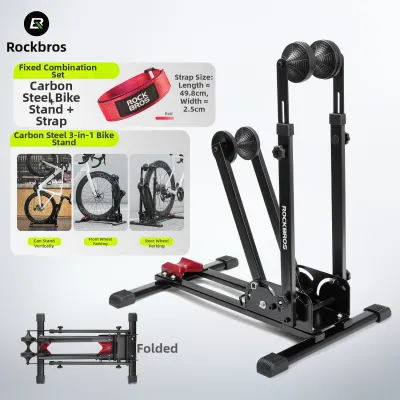
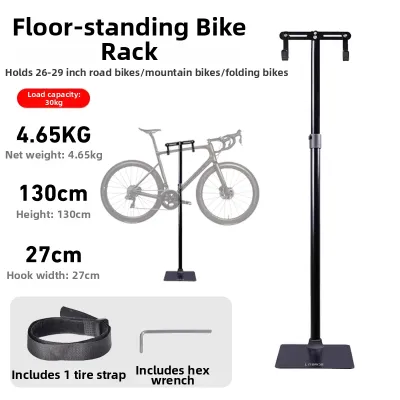
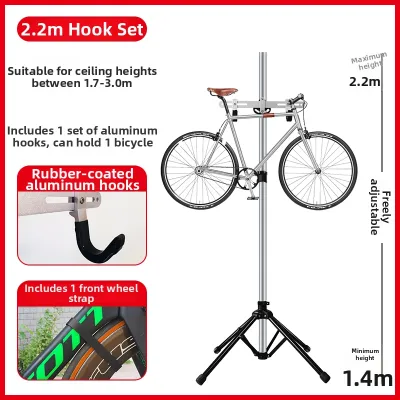
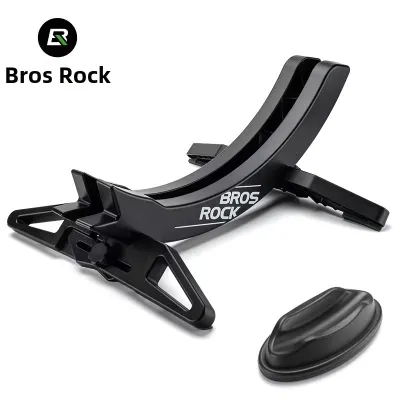
![[✅SG Ready Stock] Bicycle Rack Hanger Triple Bike Stand Shelf Floor to Ceiling](https://img.lazcdn.com/g/p/bb306f5985889e969e2393bd2fa0e9d0.jpg_400x400q80.jpg_.webp)
Prices are valid at publication and may change. Please refer to the product page for the latest price.
Finally, consider your mechanical skill level. If your maintenance routine is limited to wiping down the frame and pumping the tires, a complex clamping stand is unnecessary. However, if you plan to adjust derailleurs, bleed hydraulic brakes, or degrease your chain regularly, attempting these tasks while the bike is on the ground can lead to poor adjustments and physical strain.
Parking Stands: When Daily Access Is Your Priority
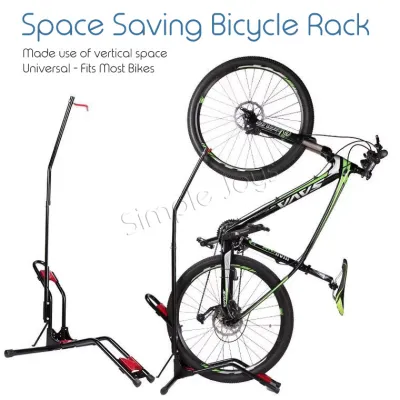
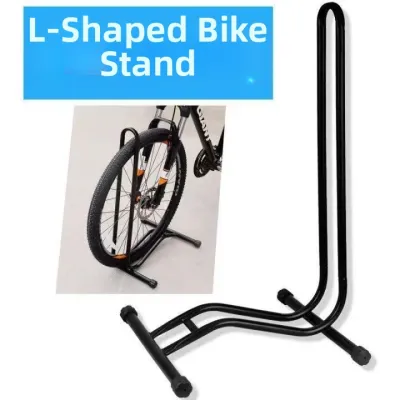
Parking stands are designed for convenience and immediate access. These freestanding units sit on the floor and hold either the front or rear wheel securely without requiring you to lift the entire weight of the bike. If you commute daily or ride multiple times a week, a parking stand allows you to roll the bike into place in seconds, keeping it upright and stable.

When selecting a floor-based parking stand, you must verify its compatibility with your specific bike specifications. Check the width of the stand’s wheel cradle against your tire width; a road bike tire will wobble in a wide fat-bike slot, while a wide mountain bike tire may not fit into a narrow road stand. Additionally, consider the weight of your bicycle. Heavier commuter bikes, loaded touring setups, and electric bikes require a wide, heavy base to prevent tipping.
The main limitation of a standard parking stand is its footprint. It does not save floor space, as the bike remains in its horizontal position. Furthermore, because the wheels remain on or near the ground, these stands do not provide the elevation or stability needed for complex mechanical repairs or deep drivetrain cleaning.
Storage Racks: When Space Saving and Protection Matter Most
When indoor floor space is at a premium, storage racks offer a practical way to reclaim your living area. By lifting the bike off the ground, these racks utilize vertical wall space or ceiling height. This is particularly beneficial in humid climates where leaving tires resting directly on damp balcony floors or concrete surfaces for extended periods can accelerate rubber degradation.
Before purchasing a wall-mounted rack, you must verify the structural integrity of your walls. Concrete or solid brick walls provide excellent support for heavy anchors, but drywall or partition walls require locating studs to ensure the rack does not pull out under load. If drilling is prohibited by your tenancy agreement, look for floor-to-ceiling tension columns or freestanding gravity racks that lean against the wall without permanent fasteners.
You also need to check how the rack interacts with your bike frame. Top-tube hangers work well for traditional diamond frames but can be difficult to use with step-through frames or full-suspension mountain bikes. For these designs, wheel-hook systems that hang the bike vertically by the front or rear rim are often more versatile, provided the hook is deep enough to clear deep-section aerodynamic rims or wide mountain bike tires.
Repair Stands: When Home Maintenance Becomes Necessary
A dedicated repair stand is a specialized tool designed to elevate your bicycle to a comfortable working height, allowing the wheels and drivetrain to spin freely. If you perform regular maintenance beyond basic cleaning, a repair stand is essential. Trying to index gears or adjust disc brakes while the bike is upside down on its handlebars can damage controls and makes precise adjustments nearly impossible.
There are two primary styles of repair stands: seatpost clamps and axle-mount (or bottom bracket) stands. Seatpost clamps are highly versatile and quick to use, but they require caution. If you own a carbon fiber frame or a bike with a dropper seatpost, clamping the frame tubes directly can crush the lightweight material; you must always clamp onto a clean, robust metal or carbon seatpost, or use a specialized adapter. Axle-mount stands, which secure the bike by the front or rear dropouts while supporting the bottom bracket, are safer for delicate frames but require removing a wheel to mount the bike.
While a repair stand is invaluable for DIY mechanics, it is important to recognize your limits. High-torque tasks, such as removing a seized bottom bracket, can tip a lightweight folding repair stand if not executed carefully. For complex hydraulic services or structural frame repairs, it is often safer to consult a professional bike shop rather than risking damage to your equipment.
Decision Matrix: Matching Your Setup to Your Cycling Habits
To finalize your decision, weigh the trade-offs of each system against your current living space and cycling habits. If you only have budget and space for one solution, consider whether a hybrid approach is practical. For example, some vertical storage stands can hold a bike securely enough for basic chain lubrication, though they cannot replace a true repair stand for heavy wrenching.
Think about future-proofing your setup. If you plan to upgrade to a heavier electric bike in the coming year, a lightweight wall hook may no longer be safe or practical to lift. Likewise, if you plan to move to a new home soon, a freestanding gravity rack or a portable floor stand offers more flexibility than a permanently drilled wall mount.
If you are a casual rider who only cycles occasionally, you might not need a dedicated stand at all. A simple, inexpensive floor prop or carefully leaning the non-drive side of the bike against a stable wall—ensuring the rear tire and handlebars make solid contact—can suffice until your riding frequency or maintenance needs increase.
Frequently Asked Questions (FAQ)
Can one bike stand rack handle parking, storage, and repair?
Most stands are optimized for a single task, and combining these functions usually requires structural compromises. A heavy-duty repair stand is too bulky and unstable to leave in a hallway for daily parking, and lifting a dirty commuter bike onto a clamp every evening quickly becomes tedious. While some vertical parking stands offer minor clearance for basic cleaning, they lack the stability and height adjustment needed for serious mechanical work.
Do I need a bike stand if I only ride on weekends?
If your bike sits idle for five or six days a week, a stand is highly beneficial for long-term protection. Leaving a bike resting on flat tires on a hard floor can damage the tire casings over time. A simple floor stand or wall hook keeps the bike upright, prevents accidental tip-overs that can bend derailleur hangers, and keeps the tires off damp surfaces, preserving the life of your components between weekend rides.
Community discussion
Share your experience or ask a question. Comments are reviewed before publication.