
When navigating the intense heat and high humidity of Singapore, keeping your drinks ice-cold is essential for staying comfortable and hydrated. If you are searching for a camel flask that can withstand these tropical conditions, the answer does not lie in a brand name alone. Instead, the duration for which a flask can maintain cold temperatures depends on a combination of engineering specifications, lid designs, and how you use the bottle throughout the day. Whether you are commuting on the MRT, hiking through the humid trails of MacRitchie Reservoir, or working in an outdoor environment, understanding these variables is key to choosing a flask that performs reliably.
To find the model that keeps drinks cold the longest, you must look beyond marketing claims and evaluate the physical properties of vacuum insulation. A high-quality insulated flask relies on a double-wall construction where air is evacuated to create a vacuum. Because heat requires a medium to travel through via conduction or convection, this vacuum barrier effectively stops ambient heat from warming your beverage. By examining the thickness of this barrier, the materials used, and the design of the lid, you can accurately predict how well a flask will perform under the Singapore sun.
Key Factors That Determine Cold Retention in Hot Weather
The primary defense against external heat is double-wall vacuum insulation. In a standard single-walled bottle, heat from the surrounding air quickly transfers through the metal or plastic to warm the liquid inside. A vacuum-insulated flask features an inner and outer wall, typically made of stainless steel, with the air sucked out of the space between them. Because there are no air molecules in a vacuum to conduct heat, thermal transfer is drastically minimized. The thickness of this vacuum gap and the precision of the manufacturing process directly influence how long the interior remains isolated from the external environment.
Products mentioned in this guide
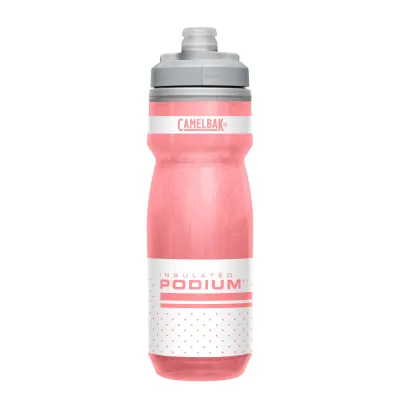
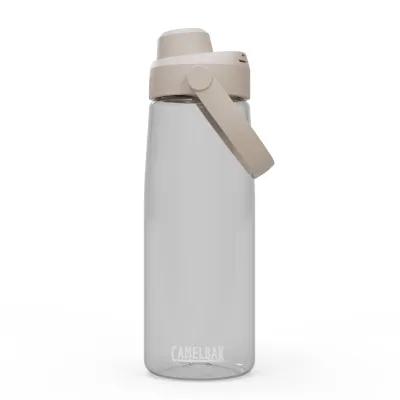
Prices are valid at publication and may change. Please refer to the product page for the latest price.
Another critical physical factor is the volume-to-surface-area ratio of the flask. Larger flasks, such as those holding 1 liter or more, naturally retain cold temperatures longer than smaller 500ml models. This is because a larger volume of cold liquid possesses more thermal mass, meaning it requires a greater amount of heat energy to raise its temperature. At the same time, the relative surface area exposed to the outside air is smaller per milliliter of liquid in a larger bottle. If your primary goal is to keep water ice-cold during a long day outdoors, opting for a larger capacity is one of the most effective ways to ensure long-lasting performance.
Lid sealing mechanisms represent the most common thermal bridges in any insulated flask. While the stainless steel body of the flask is highly effective at blocking heat, the lid is usually made of plastic, silicone, or rubber, which have different thermal properties. Every time you open the lid, warm air enters the flask, and cold air escapes. Furthermore, the point where the lid meets the flask body is a potential weak spot where heat can conduct inward. A lid with a thick, secure silicone gasket and a tight screw mechanism creates a far better thermal barrier than a thin, press-on lid or one with multiple moving parts.
Exterior coatings also play a subtle but important role in thermal management, especially in sunny climates. Many premium flasks feature a durable powder-coated exterior. This textured finish does more than just provide a secure grip when your hands are sweaty or wet from Singapore’s frequent rain showers; it also helps prevent condensation. Condensation on the outside of a bottle actually accelerates heat transfer, as the moisture acts as a thermal conductor. Additionally, choosing lighter-colored or reflective exterior finishes can help reflect radiant heat from direct sunlight, keeping the outer shell cooler to the touch.
How to Evaluate and Compare Camel Flask Specifications
When shopping for a camel flask in Singapore, you will often see manufacturer labels claiming cold retention for a specific number of hours, such as “up to 24 hours cold.” It is important to understand that these ratings are established under highly controlled laboratory conditions. Typically, these tests involve filling the flask completely with ice and water at a specific starting temperature and keeping the bottle in a temperature-controlled room of around 20°C to 22°C. In Singapore, where outdoor temperatures regularly exceed 30°C and humidity levels are high, you should expect the actual cold-retention time to be shorter than the maximum advertised limit.

To ensure you are getting a durable and high-performing flask, always check the material specifications. Look for food-grade 18/8 stainless steel, which is also known as 304-grade stainless steel. This material is highly resistant to rust and corrosion, which is essential in Singapore’s humid climate where sweat and moisture are constant. It is also strong enough to withstand accidental drops without denting easily. A deep dent can compromise the vacuum seal by causing the inner and outer walls to touch, creating a direct thermal bridge that ruins the flask’s insulation capabilities. Additionally, verify that all plastic components, especially straws and mouthpieces, are certified BPA-free for safe daily use.
The type of lid you choose has a significant impact on both convenience and thermal efficiency. Screw caps are the most thermally efficient option because they seal the opening completely with a thick layer of insulating material and have no open ports. Flip-top lids and straw lids offer excellent convenience for quick hydration, but they are inherently less insulating. Straw lids require an internal straw and an air valve to function, which creates small pathways where heat exchange can occur. If absolute maximum cold retention is your priority, a solid screw cap is the superior choice, whereas a straw lid is better suited for situations where ease of drinking is more important than keeping water cold for days.
Finally, evaluate the price-to-capacity ratio in S$ when comparing different models. While it can be tempting to opt for the cheapest available option, investing a bit more in a reputable brand with proven manufacturing standards often saves money in the long run. High-quality vacuum sealing requires precise manufacturing; cheaper flasks may lose their vacuum seal after only a few months of use. Compare the cost of the flask in S$ against its capacity and the availability of replacement parts, such as extra silicone gaskets or alternative lids. A flask that allows you to replace a worn-out gasket rather than buying an entirely new bottle offers much better long-term value.
Choosing the Right Model for Your Specific Activities
Selecting the ideal flask requires matching its features to your daily routine and the specific environments you frequent. If you are planning long, uninterrupted outdoor activities, such as hiking the Southern Ridges or spending a full day at East Coast Park, you should prioritize maximum cold retention. For these scenarios, a high-capacity model (such as 1 liter or larger) equipped with a solid screw cap is the best choice. The large volume ensures you have enough water to stay hydrated in the heat, while the screw cap provides the tightest possible seal against the ambient temperature, keeping your drink cold from morning until night.
For daily commutes on the MRT, office work, or quick gym sessions, your priorities will likely shift toward convenience and portability. In these situations, a mid-capacity flask (around 500ml to 700ml) with a straw lid or a one-handed flip-top is highly practical. These models allow you to take quick sips without having to unscrew a cap every time, making it easier to stay hydrated while on the move. While these lids may let in slightly more heat over a 24-hour period compared to a screw cap, they will easily keep your water cold enough for the duration of a standard workday or workout session.
Before making a purchase, it is crucial to verify the physical dimensions of the flask to ensure it fits into your daily life. Check the base diameter of the bottle and compare it to the standard cup holders in your car, the bottle cages on your bicycle, the treadmill racks at your local gym, or the side pockets of your everyday backpack. A flask that is too wide to fit into these spaces can be highly inconvenient to carry, often forcing you to leave it behind or carry it by hand, which increases the risk of dropping and damaging it.
It is also important to recognize when an insulated stainless steel flask might not be the right tool for the job. If your primary activity involves fast-and-light trail running, minimalist backpacking, or long-distance cycling where every gram of weight matters, a heavy double-walled flask may be impractical. The steel construction that provides excellent insulation also adds significant weight, even when empty. In these high-performance athletic scenarios, a single-walled bottle, a lightweight plastic bottle, or a collapsible hydration bladder may be more appropriate, even though they cannot keep your drinks cold in the heat.
Practical Habits to Maximize Insulation Performance
To get the absolute best performance out of your insulated flask in Singapore’s heat, you can adopt several simple, low-risk habits. The most effective technique is to pre-chill your flask before filling it with your beverage. To do this, fill the flask with ice water and let it sit for three to five minutes. This cools down the inner stainless steel wall of the bottle. Once the metal is cold, pour out the pre-chilling water and immediately fill the flask with your cold drink and fresh ice. This prevents the residual warmth of the metal from immediately transferring to your cold beverage.
Where you place your flask during the day also has a major impact on how long your drink stays cold. Always try to keep your flask out of direct sunlight. When outdoors, place it inside a backpack or keep it in the shade of an umbrella or tree. Avoid leaving your flask on hot surfaces that absorb and retain heat, such as concrete pavements, metal benches, or the dashboard of a car parked in the sun. These hot surfaces can rapidly heat the outer shell of the flask, forcing the vacuum insulation to work much harder and reducing its overall cold-retention time.
Maintaining the integrity of the flask’s seal is essential for long-term performance. Over time, the silicone gaskets inside the lid can accumulate dirt, mold, or mineral deposits from water, which can prevent the lid from sealing completely. Regularly remove these gaskets and clean them thoroughly with warm, soapy water. Ensure they are completely dry before reassembling them, and check that they sit flat and snug within their grooves. A compromised gasket allows warm air to slowly seep into the flask, significantly accelerating the rate at which your drink warms up.
Finally, learn to recognize the signs of a failed vacuum seal. If you fill your flask with ice water and notice that the exterior shell becomes cold to the touch or starts to sweat with condensation, this is a clear indication that the vacuum barrier has been compromised. This can happen due to a manufacturing defect, a severe drop, or structural wear over time. Once the vacuum is gone, the flask will perform no better than a standard single-walled bottle. If you observe this, stop expecting the flask to keep drinks cold for extended periods, and consult the manufacturer or retailer to see if the issue is covered under warranty.
Frequently Asked Questions (FAQ)
Does a straw lid let cold air escape faster than a screw cap?
Yes, straw lids generally allow cold air to escape faster than solid screw caps. This is because straw lids contain internal mechanisms, air valves, and thinner plastic components that act as thermal bridges, allowing external heat to conduct into the bottle more easily. To minimize this heat exchange, always ensure the straw is folded down completely when you are not drinking, and avoid leaving the flask in hot environments with the straw exposed.
Can I put my insulated flask in the freezer to improve cold retention?
No, you should never place a sealed vacuum-insulated flask inside a freezer. As water or other liquids freeze, they expand with immense force. Because the double-walled steel construction of the flask is rigid, this expansion can easily warp or rupture the inner wall, permanently destroying the vacuum seal and ruining the flask’s insulation capabilities. To safely achieve maximum coldness, pre-chill the flask with ice water or add ice cubes directly into the bottle before sealing it.
Community discussion
Share your experience or ask a question. Comments are reviewed before publication.