
Choosing the right cricket ball is essential for developing proper playing technique, ensuring safety, and matching the physical demands of your environment. The ideal ball depends on your playing context: traditional leather balls are required for competitive matches and hard-ball net sessions, while synthetic, tennis, and soft safety balls are better suited for training drills, casual backyard play, and junior development. Selecting the wrong type can lead to severe injury, rapid gear degradation, or a frustrating mismatch between your equipment and your skill level.
In Singapore’s tropical climate, where high humidity and sudden rain showers are common, your choice of ball also affects how long your gear lasts. Moisture can quickly ruin a premium leather seam, making synthetic alternatives or specialized wind balls highly practical for outdoor practice on artificial turf or concrete pitches. By matching the ball’s weight, hardness, and material to your specific training environment and protective gear, you can practice safely and effectively.
Quick Guide: Matching Cricket Ball Types to Your Playing Context
An immediate overview of the primary cricket ball types helps you quickly identify which option fits your immediate needs. Each ball is designed with a specific balance of weight, hardness, and bounce to suit different skill levels and playing surfaces.
Products mentioned in this guide
Prices are valid at publication and may change. Please refer to the product page for the latest price.
| Ball Type | Ideal Scenario | Primary Material | Key Benefit | Required Protection |
|---|---|---|---|---|
| Leather | Official matches, advanced net practice | Alum-tanned leather, cork core | Realistic seam movement and bounce | Full protective gear (helmet, pads, gloves) |
| Synthetic / Wind | Transitional training, damp outdoor nets | Polyurethane or PVC shell | High durability, moisture resistance | Minimal to moderate (depending on pace) |
| Tennis (Taped/Plain) | Backyard play, casual street games | Felt-covered rubber, adhesive tape | Low injury risk, high bounce | None to minimal (eye protection recommended) |
| Soft / Incrediball | Junior coaching, indoor nets | Synthetic cover, foam or soft core | Safe technique building, realistic seam | None to minimal (gloves and pads optional) |
Selecting the correct weight and hardness is critical for both skill development and physical safety. A ball that is too heavy can strain a young bowler’s shoulder and wrist joints, while a ball that is too hard can cause severe bruising or fractures if faced without adequate protective equipment.
How to Assess Your Training Needs and Skill Level
Before purchasing a cricket ball, a structured self-diagnosis is necessary to determine your exact requirements. The first factor to evaluate is the player’s age, physical strength, and developmental stage. Junior players under the age of 13 generally lack the bone density and muscle strength to safely handle standard adult leather balls, which weigh between 156 and 163 grams. Introducing a heavy, hard ball too early can lead to defensive flinching, which severely hinders batting technique and hand-eye coordination.

Next, identify the primary purpose of your training sessions. If you are a bowler focusing on mastering seam position, finger spin, or wrist spin, you require a ball with a prominent, raised seam that mimics match conditions. If you are a batsman working on footwork against fast bowling, a softer training ball allows you to repeat defensive strokes without the fear of painful impact. Casual recreation in public parks or backyards, where bystanders might be present, demands lightweight tennis or soft balls to eliminate safety risks entirely.
The playing surface is another critical variable that dictates your choice. Genuine leather balls degrade rapidly when used on abrasive concrete, asphalt, or low-quality artificial pitches, as the rough surface scuffs the leather and tears the stitching. For non-turf surfaces, synthetic or heavy-duty tennis balls are much more practical and cost-effective.
Finally, always assess your available protective gear before stepping up to a harder ball. Never practice with a leather cricket ball without a helmet, leg guards, batting gloves, and an abdominal guard. If you lack full protective gear, restrict practice to soft, synthetic, or tennis ball variants to prevent preventable injuries.
Understanding Cricket Ball Types and Their Best Uses
Leather Cricket Balls
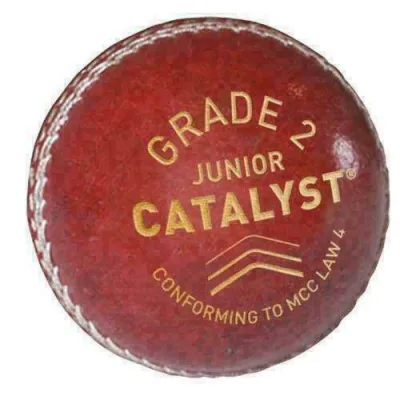
Traditional leather cricket balls represent the gold standard for competitive play and realistic training. These balls are constructed using a core of layered cork and tightly wound worsted yarn, covered by a premium leather casing that is hand-stitched with high-tensile thread. They are available in two-piece constructions, which are typically used for practice and lower-tier matches, and four-piece constructions, which maintain their shape longer and are preferred for professional and first-class fixtures. In Singapore, entry-level leather balls are generally priced between S$15 and S$30, while premium, match-grade options can range from S$40 to S$80 or more.
The color of the leather dictates the format of the game. Red leather balls are the traditional choice for multi-day matches played under natural daylight. White leather balls are used for limited-overs matches under stadium floodlights, as they stand out clearly against colored clothing, though they tend to discolor and wear out faster than red balls. Pink leather balls were developed specifically for day-night Test matches, providing a compromise that remains highly visible under both twilight and artificial lighting while maintaining the durability of red leather.
Because of their extreme hardness and weight, leather balls require the strict use of comprehensive protective gear. They should only be used on grass turf pitches or high-quality synthetic net facilities with proper netting. Using them on concrete or asphalt will quickly split the leather seams and ruin the polished finish.
Synthetic and Wind Balls
Synthetic and wind balls serve as an essential bridge between soft training balls and traditional leather equipment. Typically manufactured from high-grade polyurethane, PVC, or specialized rubber compounds, these balls often feature a molded seam that replicates the look and feel of a leather seam. Some variations, known as wind balls, are designed with a slightly softer, hollow construction that reduces the impact force while maintaining a realistic weight and flight trajectory. These durable training alternatives are highly affordable, usually costing between S$5 and S$15 in Singapore.
These balls are exceptionally useful for training in damp or humid environments, such as Singapore’s outdoor net facilities during the monsoon season. Unlike leather, which absorbs moisture, swells, and becomes heavy and misshapen, synthetic materials are completely waterproof. They allow bowlers to practice swing and seam techniques on wet artificial pitches without damaging the equipment or losing grip on the ball.
Synthetic balls are also highly durable and cost-effective, making them a popular choice for school sports programs and amateur club training sessions. They withstand repeated impacts against concrete walls and metal net frames without splitting. While they do not perfectly replicate the exact bounce, skid, and seam movement of a genuine leather ball on a turf wicket, they provide a highly consistent and reliable alternative for daily skill drills.
Tennis and Soft Balls
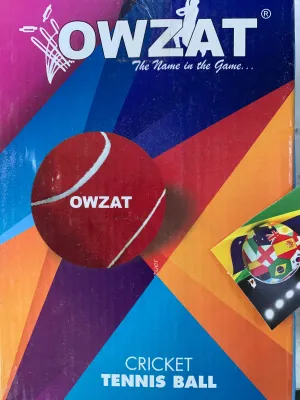
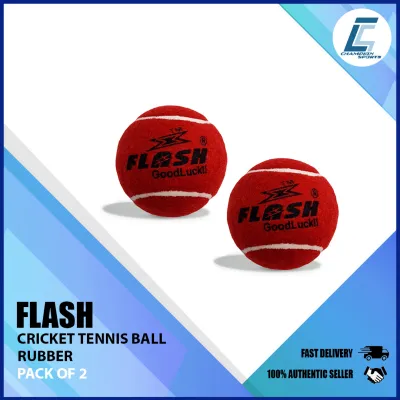
Tennis balls and specialized soft balls, such as Incrediballs, are the safest and most accessible options for beginners, juniors, and casual players. A standard tennis ball is lightweight and highly elastic, making it perfect for introducing young children to the basic mechanics of catching, throwing, and hitting. To make tennis balls behave more like real cricket balls, players often wrap one half tightly with heavy-duty plastic or adhesive tape, creating an asymmetrical weight distribution that allows bowlers to practice conventional and reverse swing at moderate speeds.
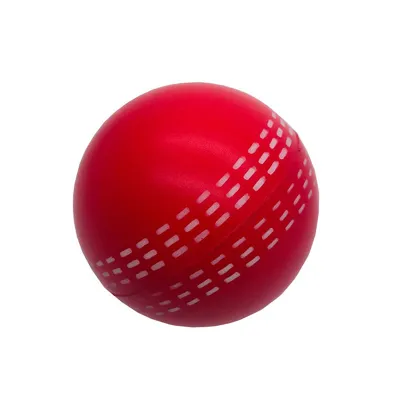
For structured coaching, specialized soft cricket balls like the Incrediball are highly recommended. These balls feature a soft, foam-filled core wrapped in a synthetic cover with a realistic, stitched seam. They mimic the weight and bounce of a junior leather ball but yield upon impact, drastically reducing the risk of pain or injury. This safety factor allows young batsmen to focus entirely on their footwork, head position, and shot selection without the fear of getting hurt.
These soft variants are also ideal for indoor cricket centers and backyard games where space is limited and hard boundaries are close. They protect nearby windows, vehicles, and bystanders from damage while still allowing players to enjoy a realistic game. Using soft balls ensures that the foundational phase of learning cricket is fun, encouraging, and free from physical intimidation.
Choosing the Right Ball for Specific Scenarios
Official Matches and Competitive Play
When preparing for official matches and league tournaments, you must adhere strictly to the regulations set by your local cricket association or governing body. Match-day rules specify not only the color of the ball but also its exact weight and brand certification. For adult men’s cricket, the standard match ball must weigh between 156 and 163 grams, with a circumference between 224 and 229 millimeters. Women’s competitive cricket utilizes a slightly lighter ball, weighing between 140 and 151 grams, while junior leagues use balls weighing between 133 and 144 grams to match their physical development.
Before any match begins, the umpires must inspect the match balls to ensure they are in pristine condition, with perfectly intact seams and a symmetrical shape. It is wise for teams to carry multiple approved balls of the same specification, as wet weather or abrasive boundary boards can cause rapid deterioration. Always verify the approved ball list provided by your league organizers before purchasing match stock, as using an unapproved brand or weight can lead to penalties or disqualification.
Net Practice and Skill Drills
For regular net practice and repetitive skill drills, using brand-new match-quality leather balls is neither practical nor economical. Instead, players should utilize older, slightly worn leather balls or high-quality synthetic practice balls. This approach helps preserve your expensive match balls for game day while still providing realistic practice conditions for batsmen and bowlers alike.
When conducting high-volume bowling drills, using slightly softer or lighter synthetic balls can protect the bowler’s shoulder, elbow, and wrist joints from the repetitive shock of landing on hard artificial surfaces. For targeted batting drills, coaches often use specialized training balls, such as two-colored swing balls (which help batsmen identify the direction of swing early) or heavy-weighted rubber balls (to build forearm strength). Always ensure that the practice pitch surface is clean and free of debris, as small stones can cut the ball’s surface and cause dangerous, unpredictable deflections during practice.
Junior Training and Backyard Cricket
For junior training programs and casual backyard matches, safety and confidence-building must always take priority over traditional match conditions. For children under the age of 12, coaches and parents should exclusively use soft-core training balls, wind balls, or tennis balls. Introducing a hard leather ball too early can cause painful injuries that discourage young players from continuing with the sport.
As junior players develop proper defensive batting techniques, consistent bowling actions, and reliable catching skills, they can gradually transition to harder balls. This transition should be step-by-step: move from a standard tennis ball to a taped tennis ball, then to an Incrediball, and finally to a lightweight junior leather ball. This progression must always be accompanied by the introduction of the appropriate protective equipment, ensuring the player is fully accustomed to wearing a helmet, pads, and gloves before they face a hard ball.
Basic Care and Inspection for Longevity
To maximize the lifespan of your cricket balls, especially leather ones, regular maintenance and proper storage are essential. After every session, wipe down the ball with a clean, dry cloth to remove dirt and moisture. If the ball absorbs water from damp grass, dry it slowly at room temperature; never use artificial heat, which cracks the leather and warps the cork core.
Store your cricket balls in a cool, dry place away from direct sunlight. In humid climates, keeping them in a breathable mesh bag helps prevent mold growth. Additionally, avoid leaving them in hot car trunks, which melts the protective polish.
Regularly inspect the seam and leather surface before each session. Check for loose stitching, deep cracks, or soft spots. If a ball is severely misshapen, retire it from batting and bowling practice. These worn-out balls can be repurposed for catching and fielding drills, extending their usefulness while keeping your primary training equipment safe.
Frequently Asked Questions (FAQ)
Can I use a tennis ball for official cricket matches?
No, standard tennis balls are not permitted in official cricket matches governed by formal league regulations and the Laws of Cricket. Official competitive matches require approved leather balls to ensure standard playability and fair competition. Tennis balls are strictly reserved for casual backyard play, recreational street games, or specific soft-ball tournaments designed for rapid, low-risk recreation.
At what age should a junior player switch to a leather cricket ball?
Junior players typically transition to a leather cricket ball between the ages of 11 and 13, depending on their physical development, skill level, and local league rules. Before making this switch, the player must demonstrate competent defensive batting technique and always wear full protective gear, including a helmet, pads, gloves, and an abdominal guard, to ensure their safety.
How do I know if a leather cricket ball is too old for batting practice?
A leather cricket ball is too old for batting practice when its seam becomes completely flat or unraveled, the leather casing develops deep, open cracks, or the internal cork core becomes soft and misshapen. Playing with a severely degraded ball can damage cricket bats, cause erratic and dangerous bounces, and fail to replicate realistic match conditions. These balls should be relegated to fielding and catching drills.
Community discussion
Share your experience or ask a question. Comments are reviewed before publication.