
Choosing the right curl bar depends on your joint comfort, lifting experience, and specific training goals. While a standard straight barbell is excellent for compound movements, it often forces the wrists into an unnatural, fully supinated position that can strain your elbows and forearms during a curl bar workout. By matching the bar’s design to your routine, you can target specific arm muscles effectively while protecting your joints from repetitive strain.
Assess Your Training Goals and Joint Comfort
If you experience a dull ache in your wrists or inner forearms when performing straight-bar curls, your body is signaling a need for a more ergonomic grip angle. This discomfort often stems from forced wrist supination, which places excessive torque on the elbow joints. Assessing these physical signals is the first step in selecting a bar that allows you to train consistently without pain.
Your primary training focus also dictates your choice. If your goal is pure muscle isolation and sculpting the biceps and triceps, a highly angled bar is ideal. For those aiming to build overall upper-body mass through heavy, compound movements, a sturdier bar with higher weight capacities is necessary. Alternatively, if you want to target different angles of the arm, such as the brachialis and brachioradialis, a multi-grip design offers the required versatility.
Products mentioned in this guide
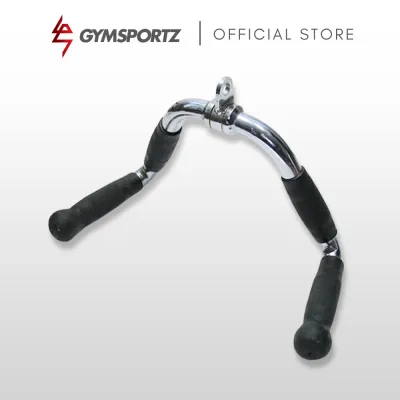
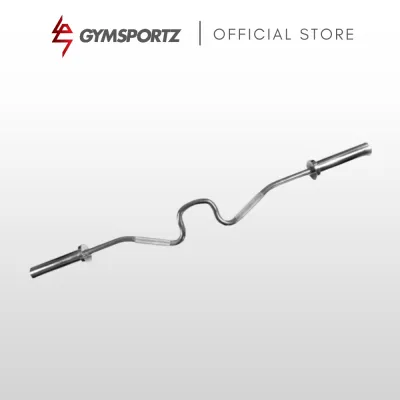
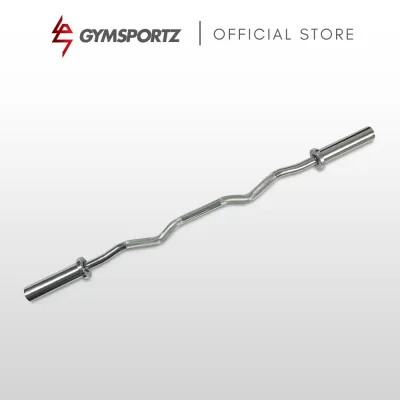
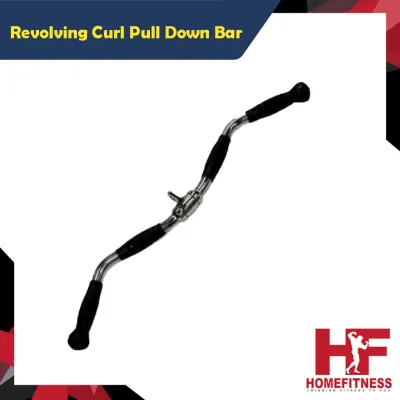
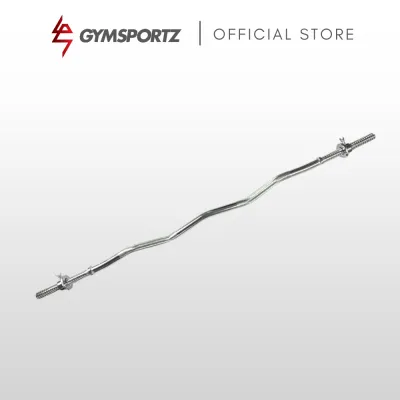
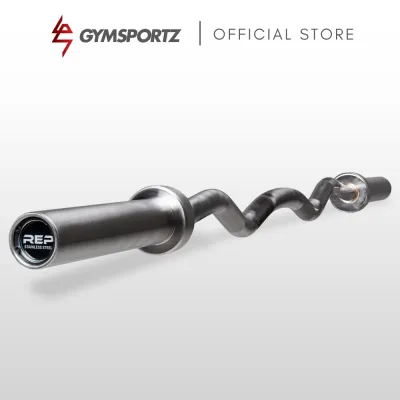
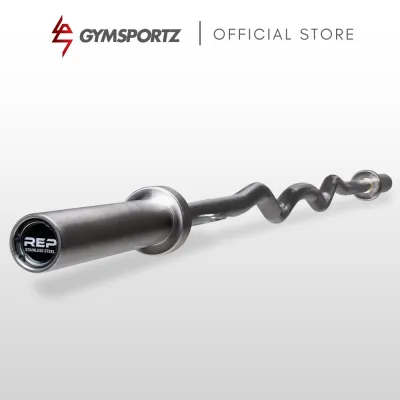
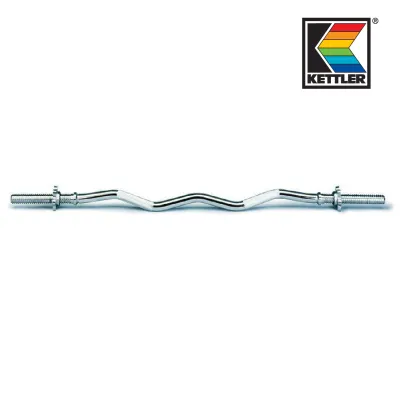
Prices are valid at publication and may change. Please refer to the product page for the latest price.
Finally, consider your practical training environment. In compact home setups, such as a typical apartment or HDB flat in Singapore, storage space is at a premium. You must also check your existing weight plates; standard plates with 1-inch holes will not fit Olympic-sized sleeves, meaning your current inventory directly influences which bar diameter you should purchase.
EZ Curl Bar: Best for Isolation and Joint Relief
The EZ curl bar is characterized by its distinct, wavy cambered shaft. This angled design allows you to grip the bar in a semi-supinated position, which naturally aligns the wrists, forearms, and elbows. By reducing the outward rotation of the wrists, the bar minimizes the lateral stress placed on the elbow joints, making it an excellent option for lifters recovering from or trying to prevent tendonitis.

This bar excels in isolation movements that target the upper arms. Standard bicep curls, preacher curls, and overhead triceps extensions are highly effective with an EZ curl bar. The angled grips allow you to focus on squeezing the target muscle at the peak of contraction without being distracted by wrist discomfort.
However, the EZ curl bar does have specific limitations. Because of the angled grip, you cannot achieve the absolute full supination that a straight bar or dumbbells provide, which slightly alters biceps activation. Additionally, standard EZ curl bars often have lower maximum load capacities compared to straight powerlifting bars, and their shorter sleeves limit the number of thick weight plates you can load.
Olympic Curl Bar: Built for Heavy Loads and Durability
For lifters who require a robust piece of equipment that can withstand heavy training sessions, the Olympic curl bar is the standard choice. These bars are distinguished by their 2-inch rotating sleeves, which accommodate standard Olympic weight plates. The rotating sleeves are crucial because they allow the weight plates to spin freely during the lift, reducing the rotational torque transmitted to your wrists and forearms.
This bar is built for advanced lifters who prioritize heavy bicep curls and require a bar that can support substantial weight without bending. Because it integrates seamlessly with the same Olympic plates used for deadlifts and squats, it is a highly practical addition to a fully equipped home gym or commercial training space. The overall weight of the bar itself is also typically heavier than standard residential curl bars, providing a more stable and solid feel.
Despite its durability, the Olympic curl bar requires healthy joints. The thicker shaft and heavier starting weight offer less ergonomic cushioning than a highly cambered standard EZ bar. If you have pre-existing wrist mobility limitations, the moderate angles of an Olympic-spec bar may still cause mild discomfort under heavy loads, making proper form and gradual weight progression essential.
Multi-Grip Bar: The Versatile Option for Comprehensive Arm Development
Also known as a Swiss bar or football bar, the multi-grip bar features a rectangular frame with multiple parallel and angled handles inside. This design allows you to utilize a neutral grip (palms facing each other) or semi-neutral grip, which shifts the training emphasis to the brachialis and brachioradialis muscles in the forearm. This grip variation is highly effective for building overall arm thickness and reducing shoulder strain during pressing movements.
The multi-grip bar is exceptionally versatile, supporting a wide range of exercises beyond basic curls. It is highly suited for hammer curls, neutral-grip overhead presses, and close-grip bench presses. By keeping your elbows tucked close to your body during presses, it alleviates stress on the anterior deltoids and rotator cuffs, making it a valuable tool for lifters with shoulder sensitivities.
The primary trade-off of a multi-grip bar is its physical size. It has a significantly larger footprint than a compact EZ curl bar, making it more challenging to store in small spaces or mount on standard weight racks. Furthermore, because the handles are fixed in neutral or semi-neutral positions, this bar does not allow for traditional supinated curl angles, meaning it cannot completely replace the specific isolation benefits of a cambered EZ bar.
Decision Matrix: Matching Your Routine to the Right Bar
To finalize your selection, match your primary training priority to the corresponding bar type. Choose a standard EZ curl bar if your main goal is joint protection and targeted bicep and tricep isolation. Opt for an Olympic curl bar if you lift heavy, require rotating sleeves, and already own Olympic-sized weight plates. Select a multi-grip bar if you want maximum exercise versatility, neutral-grip options, and a tool for shoulder-friendly pressing.
Before purchasing, always verify the manufacturer’s specifications. Check the sleeve diameter (1-inch standard versus 2-inch Olympic) to ensure compatibility with your existing weight plates, and measure your rack dimensions if you plan to use the bar on a power rack.
Regardless of the bar you choose, always start with foundational movements at a moderate weight to assess your joint response. If you experience persistent joint pain in your wrists, elbows, or shoulders, stop the exercise immediately and consult a qualified fitness professional or physical therapist to evaluate your form and joint mechanics.
Frequently Asked Questions (FAQ)
Can I use a curl bar for exercises other than bicep curls?
Yes, a curl bar is highly versatile and can be integrated into various upper-body movements. It is commonly used for skull crushers, overhead triceps extensions, upright rows, and bent-over rows. Some lifters also use it for front squats or lunges if they prefer a shorter bar. However, due to its curved shape and shorter length, it is not suitable for wide-grip movements like standard bench presses or heavy compound lifts like deadlifts, where a straight barbell is required for proper hand placement and balance.
Do I need a curl bar if I already have dumbbells?
While dumbbells are excellent for unilateral training and correcting muscle imbalances, a curl bar offers distinct advantages for bilateral loading. A curl bar allows you to lift heavier total weights with greater stability, as both hands work together to control a single implement. It also provides fixed, consistent grip angles that reduce the need to actively stabilize the wrist during heavy sets. If your routine focuses on progressive overload and heavy arm isolation, adding a curl bar complements your dumbbells effectively.
Community discussion
Share your experience or ask a question. Comments are reviewed before publication.