
Selecting the right air compressor or manual pump is essential for maintaining your sports equipment, ensuring both optimal performance and safety on the field, track, or water. The ideal Cyclami pump model depends entirely on your primary equipment: choose ultra-compact, rechargeable electric models for on-the-go bicycle tire inflation, manual high-pressure pumps for home garage maintenance, and dedicated high-volume inflators for large pool floats and water toys. While a single pump can occasionally cross over into other categories with the help of adapters, matching the pump’s mechanical design to your specific gear prevents equipment damage and saves valuable time.
Understanding the distinct requirements of your gear is the first step toward making an informed purchase. Bicycle tires, sports balls, and large inflatables require vastly different pressure levels and air volumes. By evaluating these needs against the capabilities of different pump designs, you can select a model that fits seamlessly into your active lifestyle, whether you are commuting along the Round Island Route or preparing gear for a weekend at East Coast Park.
Quick Selection Framework: Match Your Gear to the Right Pump Category
Air pumps are generally engineered to prioritize either high pressure or high volume, as a single compact device can rarely excel at both. High-pressure pumps are designed to push air into highly resistant chambers, such as bicycle inner tubes, using narrow cylinders or high-torque electric motors. Conversely, high-volume pumps utilize wide barrels or high-flow fans to move massive amounts of air quickly into low-pressure environments like air mattresses and inflatable kayaks. Attempting to use a high-pressure pump for a high-volume task results in excessive friction and overheating, while a high-volume pump will lack the mechanical force to inflate a bicycle tire to riding pressure.
Products mentioned in this guide
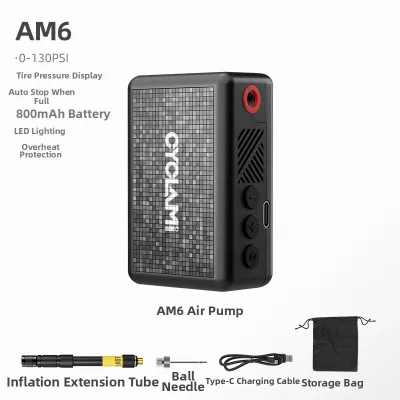
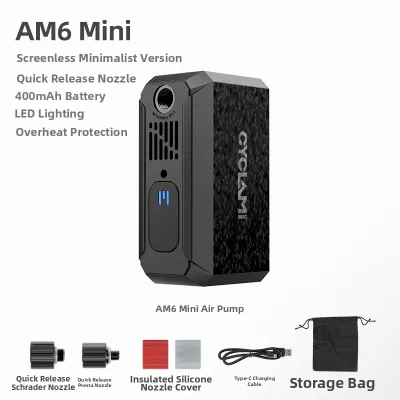
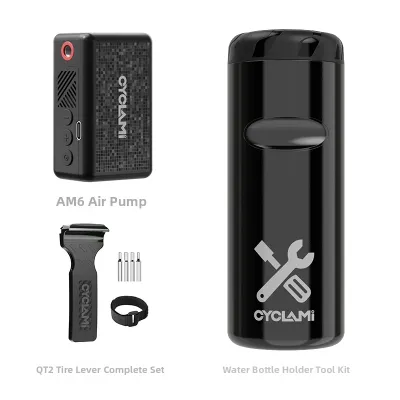
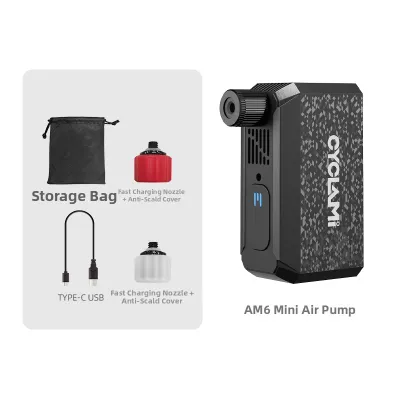
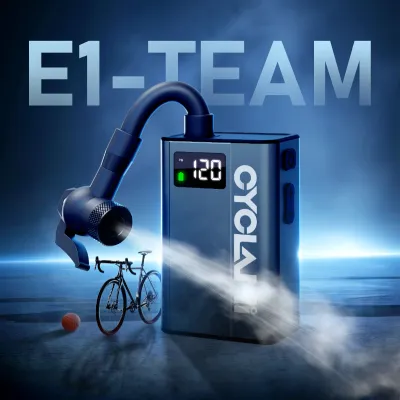
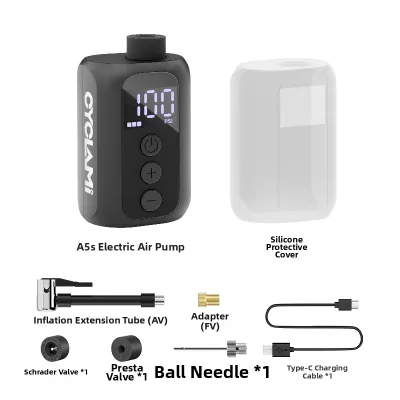
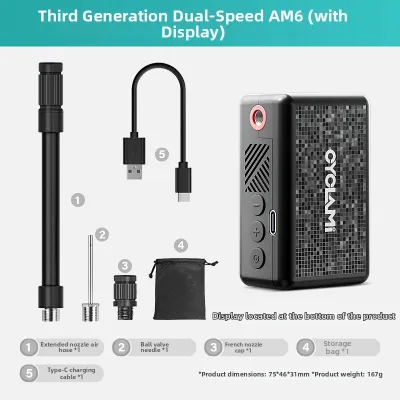
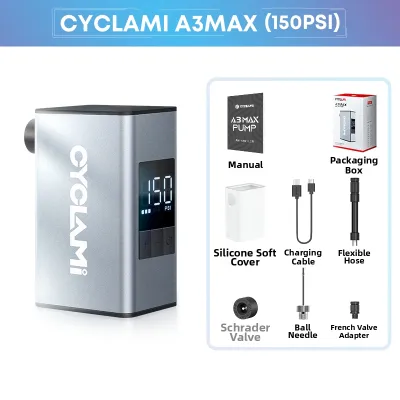
Prices are valid at publication and may change. Please refer to the product page for the latest price.
To simplify your decision, sports accessory brands typically categorize their inflation tools into three primary form factors. Portable mini or micro-electric pumps focus on extreme compact-ability and convenience for emergency roadside repairs. High-capacity floor or track pumps serve as stationary workhorses, offering maximum stability, large physical barrels, and highly accurate analog gauges for routine home checks. Finally, high-volume electric or bellows pumps are designed specifically for rapid inflation of large recreational items where high pressure is not required.
| Equipment Type | Primary Inflation Need | Recommended Pump Category | Key Feature to Verify |
|---|---|---|---|
| Road & Gravel Bikes | High Pressure (60–120 PSI), Portability | Micro-Electric / Mini Hand Pump | Presta valve compatibility, heat-resistant nozzle |
| Mountain & Commuter Bikes | Moderate Pressure (20–50 PSI), Volume | Portable Electric / Floor Pump | Dual-valve head, high battery capacity |
| Sports Balls (Football/Netball) | Low Volume, Precision (8–15 PSI) | Micro-Electric / Manual Ball Pump | Digital pressure gauge with auto-stop, needle adapter |
| Pool Floats & Inflatables | High Volume, Low Pressure (<2 PSI) | High-Volume Electric Inflator | Multi-nozzle kit, high airflow rate (L/min) |
When choosing your model, always prioritize your most frequent activity. If you are a dedicated cyclist who rides multiple times a week, a pocket-sized electric pump or a robust manual floor pump is your most logical primary tool. If your weekends are centered around beach outings and pool parties, a high-volume electric inflator with various nozzle attachments will serve you far better. For multi-sport households, keeping both a high-pressure bicycle pump and a high-volume utility pump ensures you never compromise the lifespan of your gear.
Matching Pump Categories to Your Sports Equipment
Bicycle Tires: Portability vs. High-Pressure Floor Pumps
Bicycle tires present unique inflation challenges due to the wide variety of tire volumes, target pressures, and valve styles used across different cycling disciplines. Road bikes utilize narrow tires that require high pressures, typically ranging from 80 to 120 PSI for traditional tubed setups, and 50 to 75 PSI for modern tubeless configurations. These tires almost exclusively use Presta valves, which are narrow, threaded, and feature a delicate brass locknut that must be unscrewed before inflation. Mountain bikes and urban commuter hybrids run on much wider tires at lower pressures, usually between 20 and 50 PSI, and frequently employ wider, automotive-style Schrader valves.

For roadside emergencies, ultra-portable electric pumps have largely replaced traditional frame-mounted manual pumps and single-use CO2 canisters. Micro-electric pumps, such as those utilizing rechargeable lithium-ion batteries, fit easily into a jersey pocket or saddlebag, allowing you to inflate a flat tire to riding pressure in a couple of minutes without physical exhaustion. However, because these compact devices compress air rapidly within a tiny chamber, they generate significant heat during operation. If you use ultra-lightweight thermoplastic polyurethane (TPU) inner tubes, you must verify that your pump model features a heat-insulated nozzle or an extension hose, as direct contact with a hot metal nozzle can melt the TPU valve stem.
For regular home maintenance, a stationary manual floor pump remains indispensable. These pumps feature a wide, stable base that allows you to use your body weight to compress air, making it easy to reach high pressures with minimal effort. They are equipped with large, highly visible pressure gauges that allow you to fine-tune your tire pressure before heading out. Additionally, high-quality floor pumps feature dual-valve heads or reversible internal chucks that can secure onto both Presta and Schrader valves without requiring external brass adapters, reducing the risk of air leaks during the inflation process.
Before purchasing any bicycle pump, always check the manufacturer’s maximum rated pressure to ensure it meets your riding requirements. A pump rated only up to 50 PSI will fail to inflate a road bike tire safely and may experience internal seal failure if forced. Conversely, using a high-pressure manual pump on a high-volume mountain bike tire is physically safe but requires a high number of strokes, making a high-volume manual pump or a high-capacity electric pump a much more efficient choice for wide-tire disciplines.
Sports Balls: Precision Airflow and Needle Attachments
Inflating sports balls such as footballs, basketballs, volleyballs, and netballs requires an entirely different approach focused on precision and delicacy. These balls contain a highly sensitive internal rubber or butyl bladder suspended within a synthetic leather shell. Because the total volume of air inside a sports ball is relatively small, using a high-pressure manual bicycle pump can easily lead to accidental over-inflation. A sudden burst of high-pressure air can rupture the internal bladder or warp the outer stitching, permanently ruining the ball’s shape and bounce characteristics.
To inflate sports balls safely, your pump must support a dedicated metal ball needle attachment and allow for highly controlled, gradual airflow. Many modern micro-electric pumps feature digital screens that allow you to select a specific target pressure, often measured in PSI or Bar, and set an automatic shut-off threshold. For example, a standard soccer ball typically requires between 8.5 and 15.6 PSI. Setting your electric pump to exactly 10 PSI ensures the ball is inflated to its optimal pressure without any risk of human error or over-inflation.
If you prefer using a manual pump for sports balls, select a compact hand model that offers a smooth, short stroke action. Ensure the pump features a flexible hose connection between the pump barrel and the needle, rather than a rigid direct connection. A rigid connection transfers the physical motion of your pumping arm directly to the needle, which can easily bend the metal tip or, worse, tear the delicate rubber valve inlet on the ball. Tearing this valve inlet creates a permanent slow leak that cannot be repaired.
Before inserting any metal needle into a sports ball’s valve, always apply a drop of water or silicone oil to the needle tip. Inserting a dry, rough needle can push the rubber valve core out of alignment or scratch the seal, leading to immediate air loss. Always cross-reference the recommended inflation pressure, which is almost always embossed directly around the valve opening of the ball, and check your progress frequently using a reliable pressure gauge.
Pool Floats and Inflatables: High-Volume and Electric Options
Recreational water gear, including swimming pool floats, air mattresses, and large beach toys, operates on a high-volume, low-pressure principle. These items require thousands of liters of air to expand fully, but their structural seams are not designed to withstand high pressures, usually requiring less than 2 PSI to remain firm. Attempting to inflate a large family pool float with a standard high-pressure bicycle hand pump is highly inefficient, requiring hundreds of manual strokes that can cause the pump’s internal piston to overheat, melting the synthetic seals and rendering the pump useless.
For these large-volume applications, high-volume manual bellows pumps or portable electric utility inflators are the most effective solutions. High-volume electric inflators utilize internal fans or impellers to move air at rates exceeding 150 liters per minute, allowing you to inflate a large pool float in a matter of minutes. When selecting an electric model, pay close attention to the battery capacity and continuous runtime specifications. A pump with a short duty cycle may overheat and shut down before completing the inflation of a large multi-person island float.
Valve compatibility is another critical factor when dealing with recreational inflatables, as they rarely use standard bicycle valves. Instead, they feature wide-opening pinch valves, threaded Boston valves, or heavy-duty speed valves. A versatile utility pump must include a multi-nozzle adapter kit that secures tightly to these various valve profiles. A loose connection will allow air to escape, dramatically increasing inflation times and wasting battery power.
Finally, look for electric inflators that support both inflation and deflation functions. The deflation port is incredibly valuable when it is time to pack up your gear. Manually squeezing the air out of a large pool float is tedious and rarely removes enough air to fold the item back into its original packaging. Using the deflation function of an electric pump evacuates the air completely, allowing you to fold the inflatable flat for compact storage in your home, which is especially beneficial for maximizing space in modern apartments.
Pre-Purchase Checklist: Specifications and Compatibility
Before finalizing your purchase of a Cyclami pump or any sports inflator, working through a structured checklist ensures the model you select is fully compatible with your gear and built to last.
- Valve Compatibility: Confirm that the pump head natively supports the specific valves on your equipment. If you own a mix of road bikes, mountain bikes, and sports balls, look for a pump that includes a smart head (which auto-adjusts between Presta and Schrader) or a comprehensive adapter kit containing brass Presta-to-Schrader adapters and steel ball needles.
- Pressure Capacity and Gauge Type: Verify the maximum pressure rating matches your highest-pressure tire. For road cycling, ensure the pump can easily exceed 100 PSI. Additionally, choose the right gauge style: digital screens are ideal for low-pressure precision (such as sports balls and tubeless tires), while large, high-contrast analog dials mounted at the top of a floor pump are easier to read from a standing position.
- Build Materials and Heat Dissipation: High-pressure and electric pumps generate significant heat during operation. Models constructed with aluminum alloy barrels and metal internal cylinders offer superior heat dissipation and structural durability compared to cheap plastic composites. Aluminum housings also resist accidental impact damage if dropped on concrete or gravel.
- Ergonomics and Portability: For manual floor pumps, look for a wide, heavy steel or cast-iron base that prevents the pump from tipping over during use, along with an ergonomic, rubber-molded T-handle to reduce hand fatigue. For portable electric models, check the physical dimensions and weight to ensure the unit fits comfortably in your pocket, running belt, or hydration pack.
- Battery Specification and Charging: For rechargeable electric pumps, verify the battery capacity (measured in milliampere-hours, or mAh) and the charging interface. USB-C charging is highly recommended, as it allows you to recharge the pump using the same cables and power banks you use for your smartphone, eliminating the need to carry proprietary charging bricks.
Always take the time to verify the exact contents of the retail packaging before completing your purchase. Manufacturers occasionally vary the included accessory kit based on the region or production batch. Ensuring that your package includes the necessary charging cords, mounting brackets, and nozzle adapters saves you the inconvenience of having to source these small components separately.
Safe Operation and Maintenance in Humid Conditions
Operating your pump correctly not only protects your sports equipment but also prevents premature wear on the pump itself. When connecting the pump head to a bicycle valve, ensure the locking lever is fully engaged perpendicular to the valve stem before you begin pumping. Pulling or pushing the pump head at an angle while locked can easily bend the delicate brass core of a Presta valve or tear the rubber base of the valve stem away from the inner tube, creating an unrepairable flat tire. When disconnecting, release the lever cleanly and pull the head straight off the valve.
Routine maintenance is essential to keep manual and electric pumps operating smoothly. Over time, the internal rubber O-rings that create the airtight seal inside the pump cylinder will dry out, leading to air leaks and decreased efficiency. Periodically apply a thin layer of silicone-based grease or silicone oil to the pump shaft and internal seals. Avoid using petroleum-based lubricants (such as standard WD-40 or machine oil), as petroleum solvents rapidly degrade synthetic rubber seals, causing them to swell, crack, and fail prematurely.
In tropical environments characterized by high relative humidity and salt-laden coastal air, rust and corrosion pose a constant threat to metal components. Store your manual floor pumps, steel ball needles, and metal valve adapters indoors in a dry, well-ventilated area rather than on open balconies or damp outdoor storage lockers. If your pump gets wet during a rainy ride, wipe down the exterior barrel and the valve chuck with a dry microfiber cloth before storing it to prevent surface rust from forming on the steel or aluminum components.
Rechargeable electric pumps require specific battery care to maintain their lifespan in warm, humid climates. Lithium-ion batteries are highly sensitive to extreme heat; never leave your electric pump inside a locked car trunk parked in direct sunlight, as temperatures can quickly exceed safe operating limits. To maintain battery health, avoid letting the battery drain completely to 0%. Store the device at a partial charge (around 50% to 60%) if you do not plan on using it for several months, and perform a brief recharge cycle every three to six months to prevent the battery cells from falling into a deep discharge state.
Frequently Asked Questions (FAQ)
Can I use a high-pressure bicycle pump for pool floats?
While you can physically connect a high-pressure bicycle pump to a pool float using a plastic cone adapter, doing so is highly impractical and not recommended. Bicycle pumps are designed to move a very small volume of air at high pressures with each stroke. Because a pool float requires a massive volume of air to expand, inflating it with a bike pump will require thousands of manual strokes, taking an exhausting amount of time. Furthermore, the prolonged, rapid pumping will generate intense friction inside the pump barrel, which can melt the internal rubber O-rings and ruin your bicycle pump.
How do I know if my pump head fits a Presta valve?
Presta valves are noticeably thinner than standard car-tire Schrader valves and feature a threaded top pin with a small locknut. To determine if your pump head fits a Presta valve, check if it has a dual-port design (one narrow hole for Presta, one wider hole for Schrader) or a smart-head mechanism that automatically adjusts to either size. Some portable pumps require you to unscrew the collar of the pump head, flip the internal rubber gasket and plastic plunger around, and screw the collar back on to switch from Schrader to Presta mode. Alternatively, you can screw a simple brass Presta-to-Schrader adapter onto your valve stem, allowing you to use any standard Schrader pump head.
What should I do if the pressure gauge reads zero but the tire feels hard?
If your tire is firm but the pump’s pressure gauge continues to read zero, the most common cause is an improperly seated pump head. If the internal pin of the pump head does not depress the valve core sufficiently, air cannot flow back from the tire into the pump hose to register on the gauge. Remove the pump head, ensure the valve locknut (on Presta valves) is fully unscrewed and tapped once to release any dried sealants, and re-seat the pump head firmly before locking the lever. If the issue persists, check the pump hose for blockages or inspect the gauge face for physical damage or internal seal failure.
Community discussion
Share your experience or ask a question. Comments are reviewed before publication.