
Selecting the right DMC fins for beginner snorkeling requires prioritizing comfort, ease of kicking, and manageable blade resistance over raw speed or deep-water thrust. For those new to the water, shorter and more flexible fins—such as those made from soft silicone or flexible thermoplastic elastomers—provide the ideal balance of control and muscle relief. These designs allow novices to maintain a natural, relaxed flutter kick without overloading untrained calf and ankle muscles, making them highly suitable for calm, shallow coastal waters.
While advanced divers often seek rigid, long blades to maximize depth and speed, beginners benefit most from gear that minimizes physical strain. DMC fins, originally designed with a focus on swim training and ergonomic water flow, offer unique structural advantages for recreational snorkelers. By understanding how these design elements align with basic swimming abilities, you can select a model that enhances your confidence and safety in the water.
What Beginners Actually Need from Snorkeling Fins
Beginner snorkelers typically operate in shallow, calm environments where extreme speed is unnecessary. Instead, the primary physical challenge is maintaining a steady, horizontal body position without experiencing muscle fatigue or joint strain. Untrained swimmers often lack the specific lower leg strength and ankle flexibility required to push large volumes of water with stiff, heavy fins. Consequently, using overly rigid gear can quickly lead to painful cramping in the calves and arches of the feet.
Products mentioned in this guide
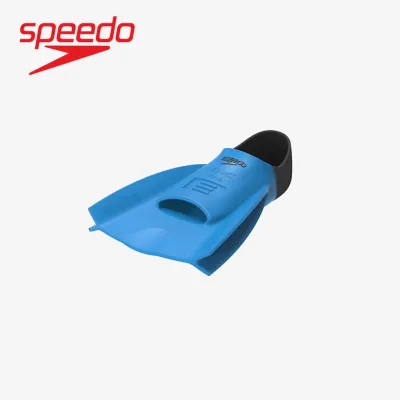
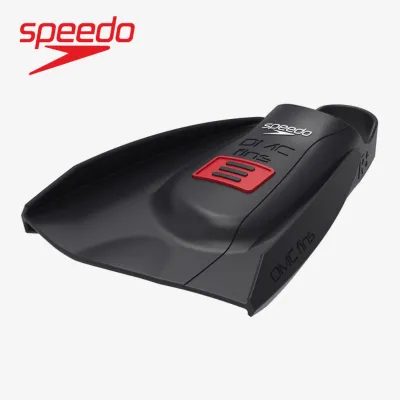
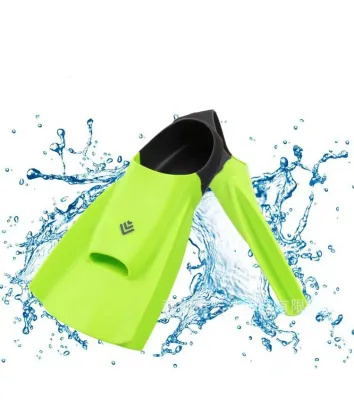
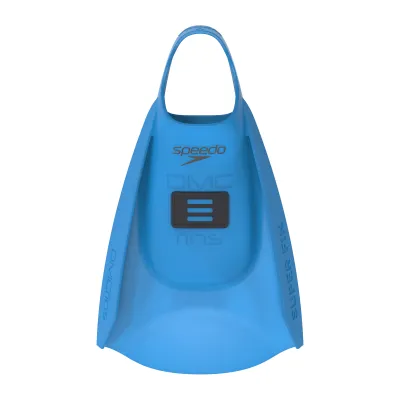
Prices are valid at publication and may change. Please refer to the product page for the latest price.
Energy efficiency is the cornerstone of a safe and enjoyable snorkeling experience. When a fin requires too much effort to move, the snorkeler’s heart rate and oxygen consumption rise rapidly, which can lead to fatigue and anxiety. A beginner needs a fin that offers low resistance during the recovery phase of the kick cycle while still providing enough gentle propulsion to overcome mild surface currents. This balance allows for longer, more relaxed sessions in the water.
In shallow-water environments, such as tidal flats or fringing reefs, maneuverability is far more valuable than straight-line speed. Beginners frequently need to adjust their position to avoid delicate marine life, navigate around rocks, or turn back toward a boat or shore. Shorter fins allow for quick, pivoting movements and smaller, more controlled kick cycles. This agility helps prevent accidental contact with the seabed, protecting both the snorkeler from scrapes and the marine ecosystem from damage.
Key DMC Fin Features That Benefit Novice Snorkelers
One of the most prominent design characteristics of the DMC range is the use of shorter blade lengths compared to traditional open-ocean snorkeling fins. Shorter blades reduce the leverage or “torque” exerted on the ankle joint during each kick. This design makes it much easier for a beginner to maintain a high, efficient kick frequency without straining their tendons. The controlled surface area of these blades ensures that every movement feels natural and closely mirrors a standard swimming kick.

Foot pocket design is another critical factor where DMC fins offer distinct advantages for novices. Many models feature ergonomic, open-heel or split-heel configurations made from soft, pliable materials. Unlike rigid plastic foot pockets that can pinch the toes and rub against the heel, these soft pockets conform to the natural shape of the foot. This reduces localized pressure points, minimizing the risk of painful blisters and allowing for extended wear without discomfort.
When evaluating the material composition of these fins, manufacturer labels typically specify high-grade silicone or advanced thermoplastic elastomers (TPE). Silicone is highly valued in water sports for its exceptional elasticity, UV resistance, and soft texture against the skin. Unlike cheaper plastics that stiffen in cooler water or degrade rapidly under direct sunlight, quality silicone retains its flexible properties over time. Checking the product specifications for these material details ensures you are choosing a fin designed for long-term comfort and consistent flexibility.
How to Match DMC Fin Specifications to Your Ability
To choose the right model, you must match the stiffness of the fin blade to your current leg strength and kicking style. Beginners should generally look for models designated with a “soft” or “medium-soft” flex rating in the manufacturer’s specifications. If you have a slender build or are not accustomed to regular lower-body exercise, a softer blade will prevent early fatigue. Stronger individuals or those with a background in sports may comfortably opt for a medium-stiffness blade to gain slightly more propulsion.
Your typical snorkeling environment should also guide your selection. If you plan to snorkel primarily in calm, protected lagoons, shallow bays, or resort swimming pools, a highly flexible, short-blade training fin is ideal. However, if you anticipate encountering mild coastal currents or plan to swim longer distances from the shore, you may want to verify if the model offers slightly pronounced side rails. These channels help direct water flow backward along the blade, improving tracking and efficiency without requiring a stiffer kick.
Always rely on official manufacturer size charts and product specifications rather than generic online reviews or your standard shoe size. DMC fins are engineered with specific performance fits that may differ from everyday footwear. Many models use unisex sizing or list measurements in millimeters to ensure accuracy. Taking the time to cross-reference your actual foot measurements with the brand’s official sizing documentation is the most reliable way to secure a proper fit before purchasing.
Achieving the Right Fit to Prevent Cramps and Blisters
To find a fin pocket that fits correctly, start by measuring your feet accurately at home. Place your foot flat on a piece of paper, trace the outline, and measure the distance from the back of the heel to the tip of the longest toe. Compare this measurement, along with the widest part of your forefoot, to the manufacturer’s size guide. Because silicone and TPE materials have varying degrees of stretch, precise physical measurements are far more reliable than relying on standard shoe sizes.
Using thin neoprene socks or water booties can greatly improve your comfort and help customize the fit of your fins. A 1.5mm or 2mm neoprene sock acts as a protective barrier, reducing friction between your skin and the foot pocket to prevent blisters. Additionally, if you find yourself between sizes on the manufacturer’s chart, opting for the slightly larger size and wearing it with a neoprene sock can provide a snug, secure fit without restricting blood circulation.
When conducting a dry test at home, pay close attention to how the foot pocket feels during basic movements. Slip the fin on and lift your foot, gently shaking it to see if the heel slips out or if there is excessive space around the toes. Next, press your toes forward; if you feel painful pinching, numbness, or immediate red marks on your skin, the fin is too small. A correct fit should feel snug and supportive, like a well-fitted glove, with no localized pressure points that could cause cramping once you enter the water.
Safe Purchasing Channels and Pre-Dive Verification
To ensure you receive genuine products backed by a valid warranty, always purchase your gear through authorized dealers, official brand stores, or reputable local dive shops. Authorized retailers in Singapore can provide expert advice on sizing and ensure you are not buying counterfeit items. Avoid unverified sellers on general online marketplaces, as these listings may feature older, degraded stock or imitation products that lack the safety and material standards of genuine gear.
Before finalizing your purchase, carefully review the retailer’s return and exchange policies. Because achieving the perfect fit is essential for safety and comfort, you need the flexibility to exchange the fins if your dry test reveals sizing issues. Ensure the policy allows for returns of unused items in their original packaging. This precaution protects your investment and guarantees you do not end up using poorly fitting gear out of convenience.
Once your fins arrive, perform a thorough physical inspection before heading to the water. Check the entire surface of the silicone or TPE for any manufacturing defects, such as uneven molding, small tears, or bubbles in the material. Inspect the joints where the blade meets the foot pocket to ensure the connection is seamless and robust. Verifying these details on land ensures your gear is fully functional and ready for a safe, enjoyable snorkeling experience.
Frequently Asked Questions (FAQ)
Can Beginners Use Long-Blade Freediving Fins for Snorkeling?
Beginners should avoid using long-blade freediving fins for casual snorkeling. These long blades are designed for deep, vertical descents and require specialized kicking techniques to manage the significant water resistance they generate. For an untrained snorkeler, the increased leverage of a long blade places immense strain on the ankles and calf muscles, greatly increasing the risk of severe muscle cramps. Furthermore, their long length makes them highly clumsy in shallow water, making it difficult to turn quickly and increasing the likelihood of accidentally kicking and damaging fragile coral reefs.
How to Maintain DMC Fins After Saltwater Use?
To prolong the lifespan of your fins, always rinse them thoroughly with clean, fresh water immediately after every saltwater swim. This removes salt crystals, sand, and chlorine, which can otherwise degrade the silicone or TPE material over time. After rinsing, allow the fins to air dry completely in a shaded, well-ventilated area, keeping them out of direct sunlight to prevent UV damage and material warping. Store your fins flat or hang them by their strap attachment points; never stand them vertically on their tips or place heavy objects on top of them, as this can permanently deform the blades.
Community discussion
Share your experience or ask a question. Comments are reviewed before publication.