
Finding the right home fitness equipment in Singapore can be a challenge, especially when navigating the compact layouts of modern HDB flats. If you are looking to integrate cardio into your daily routine, exercise bikes offer one of the most efficient ways to burn calories without sacrificing half your living room. However, choosing the best model is not just about picking the one with the most features; it requires balancing your fitness goals against the physical constraints of your home. The ideal form factor depends heavily on whether you prioritize a completely clear floor after your workout, a narrow but permanent footprint, or maximum ergonomic support.
Measuring Your Space: Clearances and HDB Layout Realities
Before browsing online catalogs, you must establish the exact spatial boundaries of your intended workout area. Many buyers make the mistake of looking only at the manufacturer’s listed dimensions, which represent the static or stored footprint. In reality, you must calculate the “active footprint”—the total space required to safely mount, dismount, and pedal the bike without hitting walls or furniture. A safe guideline is to add at least 50 to 60 centimeters of clearance on all sides of the machine to prevent accidental bumps during high-intensity sessions.
Beyond the room itself, map out the entire delivery path from the ground floor to your apartment. Standard HDB passenger lifts and bedroom doors can be surprisingly narrow, sometimes measuring as little as 80 centimeters wide. If you purchase a fully assembled or heavy-duty bike, you must verify that the box or unit can clear these tight corners and entryways. Additionally, consider the vertical clearance; if you plan to place the bike in a study or bedroom with a false ceiling, ensure you have enough headroom, particularly if you choose a model that encourages standing climbs.
Products mentioned in this guide
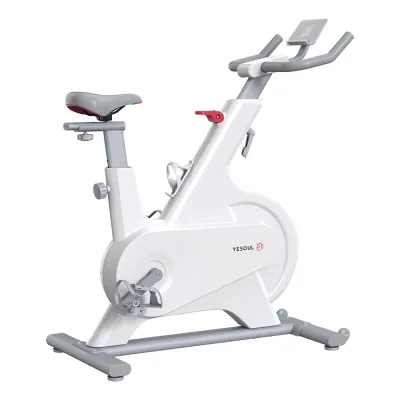
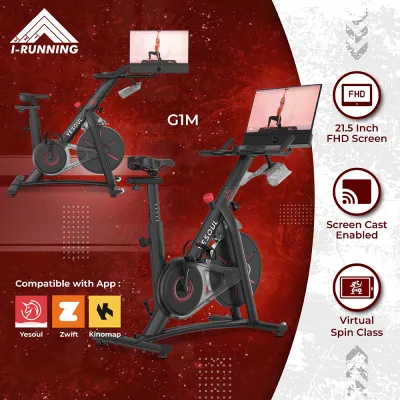
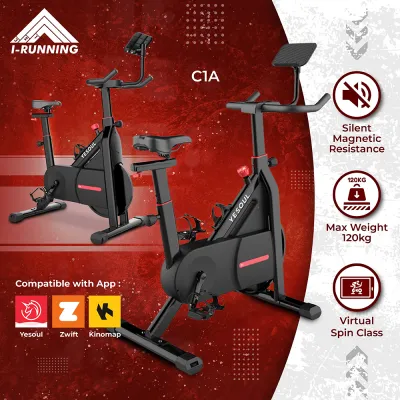
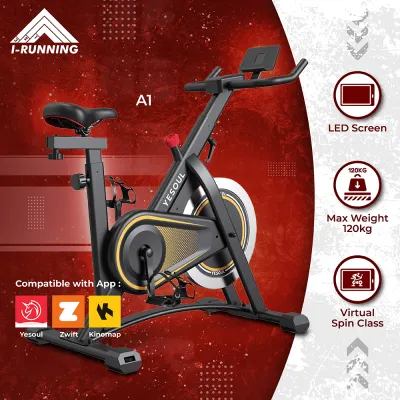
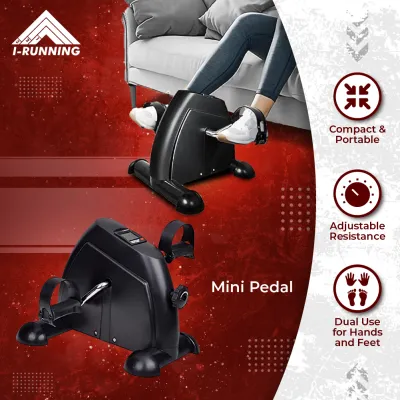
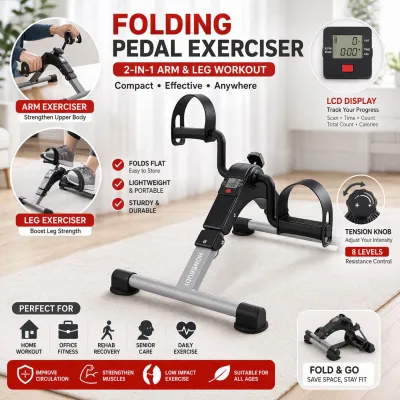
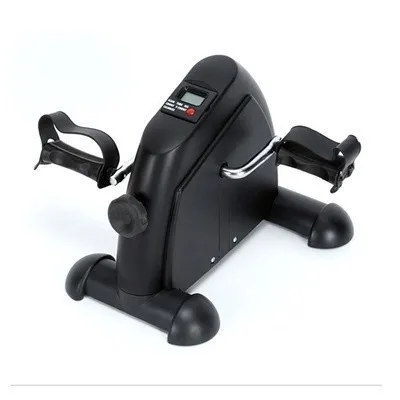
Prices are valid at publication and may change. Please refer to the product page for the latest price.
Ventilation is another critical factor in Singapore’s warm and humid climate. Placing your bike in a tight, unventilated corner can quickly turn your workout into an uncomfortable experience, leading to excessive sweat accumulation on your floor. Ensure the bike is positioned near a window or within the direct path of a standing fan or air-conditioning unit to promote continuous airflow. Finally, check the levelness of your flooring. Older HDB flats may have slight floor unevenness due to settling tiles, so look for equipment featuring adjustable leveling feet to prevent the frame from rocking or wobbling while you ride.
Evaluating Different Exercise Bikes for HDB Layouts
There is no single “best” exercise bike for every household; the right choice is a trade-off between your training intensity, physical comfort, and willingness to move the equipment. While some users prefer a permanent setup that is always ready for a ride, others need a multi-functional space where the bike can be completely hidden away. Evaluating the four primary form factors will help you identify which design aligns with your daily lifestyle and spatial constraints.

Foldable and Compact Upright Bikes
Foldable exercise bikes, often utilizing an X-frame design, are the ultimate space-savers for small flat layouts. Their primary advantage is the ability to collapse down to nearly half their active width, allowing you to roll them into a utility closet, behind a wardrobe, or next to a refrigerator when your workout is complete. This makes them exceptionally well-suited for multi-purpose bedrooms or living rooms where floor space is at a premium.
However, this portability comes with notable trade-offs in structural rigidity. The central hinge that allows the bike to fold can introduce subtle frame flex, particularly when pedaling at higher resistance levels or faster cadences. Additionally, foldable models generally feature lighter flywheels and lower maximum user weight capacities compared to their rigid-frame counterparts. Before purchasing, always check the hinge mechanism’s durability and ensure it features a robust, double-locking safety pin to prevent accidental collapsing during use.
Spin Bikes (Indoor Cycles)
For those who prioritize a realistic road-bike feel and high-intensity interval training (HIIT), spin bikes are the standard choice. These machines typically feature a longer but narrower footprint compared to bulky upright models, allowing them to slide easily into narrow corridors, balcony alcoves, or tight bedroom corners. Because they do not fold, they require a permanent spot in your home, making them best suited for dedicated workout zones.
The defining feature of a spin bike is its heavy flywheel, which provides the momentum needed for smooth, consistent pedaling and standing climbs. While this weight ensures excellent stability, it also makes the bike challenging to relocate without assistance. If you choose a spin bike, look for models equipped with high-quality transport wheels. Additionally, because these bikes encourage you to stand up during intense intervals, verify that your ceiling height—especially in rooms with lowered false ceilings—can accommodate your fully extended height plus the height of the bike’s pedals.
Recumbent Bikes
Recumbent bikes prioritize user comfort and ergonomic support, featuring a reclined seat with a full backrest and pedals positioned horizontally in front of you. This design is highly beneficial for individuals recovering from joint injuries, managing lower back pain, or seeking a low-impact cardio option that minimizes strain on the spine.
The major drawback for HDB living is the physical size of these machines. Recumbent bikes require a significantly larger floor area than any other form factor due to their elongated frame. They are generally not recommended for small bedrooms unless the room is dedicated entirely to fitness or therapy. If a recumbent model is non-negotiable for health reasons, actively search for “compact recumbent” or “step-through” designs. These models are engineered with slightly shorter frames and space-saving adjustment mechanisms to help minimize their overall footprint.
Space-Saving and Neighbor-Friendly Features
Living in high-density housing like an HDB flat means your workout choices can directly impact those living around you. To maintain good neighborly relations while enjoying your home workouts, prioritize specific design features that reduce noise and structural vibrations.
- Magnetic Resistance: Always choose a bike with magnetic or electromagnetic resistance over traditional friction felt pads. Magnetic systems adjust resistance by moving magnets closer to or further from the flywheel, resulting in virtually silent operation. Friction pads, on the other hand, can create a continuous hissing sound and require regular lubrication or replacement as they wear down.
- Front-Mounted Transport Wheels: Even if you do not plan to fold your bike, you will occasionally need to move it for cleaning, floor mopping, or rearranging furniture. Front-mounted wheels allow you to easily tilt the bike from the rear handlebars and roll it across the room with minimal physical strain.
- Integrated Device Holders: Space is at a premium in a small flat, and adding a separate TV stand or laptop desk next to your bike can quickly clutter the room. A bike with a built-in, secure tablet or phone holder allows you to stream workout classes or entertainment directly from your personal device, keeping your setup clean and compact.
- High-Density Floor Mats: Placing a high-density PVC or rubber equipment mat under your exercise bike is highly recommended. Not only does this protect your vinyl, laminate, or tile flooring from sweat corrosion and heavy point-load indentations, but it also acts as a crucial barrier that dampens the low-frequency vibrations generated by a spinning flywheel, preventing noise from traveling through the concrete floor slab to the neighbors downstairs.
Common Sizing and Placement Mistakes to Avoid
Many homeowners experience buyer’s remorse shortly after their equipment arrives due to preventable planning oversights. Avoiding these common mistakes will ensure your new bike remains a functional tool rather than an expensive clothes rack.
One of the most frequent errors is ignoring the entry clearance of your flat. Even if a bike’s assembled dimensions fit perfectly in your bedroom, it may arrive in a large, heavy box that cannot navigate tight corridor corners or fit through your front door. Always check the shipping dimensions and weight before ordering, and confirm whether the delivery service includes in-home assembly.
Another mistake is placing the bike directly beneath an air-conditioning unit or blocking a major window. While positioning the bike under the AC might seem like a great way to stay cool, excessive moisture from sweat can rise directly into the unit’s intake, and the physical bulk of the bike can restrict the natural airflow of the room. Keep a clear path for ventilation to prevent both your room and your equipment from becoming musty.
Additionally, pay close attention to pedal clearance at the lowest point of the stroke. If you place your bike on a very thick, plush rug or an overly soft foam mat, the pedals or your shoes may scrape against the material at the bottom of each rotation. This not only damages the mat but also disrupts your pedaling rhythm and can pose a safety hazard.
Finally, do not assume that a “compact” bike is naturally lightweight. Many high-quality compact spin bikes utilize heavy steel frames and dense flywheels to maintain stability. While these features are excellent for safety and ride quality, they make the bike incredibly difficult to lift. Always prioritize models with functional transport wheels if you anticipate needing to relocate the machine frequently.
Frequently Asked Questions (FAQ)
Can I keep an exercise bike on an HDB balcony?
While keeping your exercise bike on an HDB balcony is an appealing way to save indoor floor space, it is generally not recommended. Singapore’s high humidity, intense direct sunlight, and frequent heavy rain blow-in can rapidly rust steel frames, degrade rubber grips, and short-circuit electronic consoles, which will likely void your manufacturer’s warranty. If balcony placement is your only viable option, you must protect the bike with a heavy-duty, waterproof, and UV-resistant cover when not in use, and prioritize manual, non-electronic models to minimize electrical hazards.
Do foldable exercise bikes offer a good workout?
Foldable exercise bikes are excellent for light to moderate cardiovascular workouts, active recovery, and maintaining daily movement goals. They are ideal for steady-state cardio while watching television or reading. However, they are not designed for high-intensity interval training (HIIT), sprint intervals, or out-of-the-saddle climbing. The inherent frame flex of the folding mechanism and the lighter flywheel make them unstable under heavy, aggressive riding. If your goals involve intense athletic training, a rigid upright or spin bike is a much safer and more effective choice.
Community discussion
Share your experience or ask a question. Comments are reviewed before publication.