
For beginners starting their fishing journey in Singapore, the most effective lure to start with depends entirely on whether you are fishing in saltwater coastal areas or freshwater reservoirs. If you are heading to coastal jetties or estuaries, a soft plastic paddle tail shad is the ideal starting point due to its realistic swimming action and resistance to snagging. For freshwater reservoirs, a floating minnow hard bait or a weedless soft plastic worm offers the best balance of ease of use and appeal to local species. These options are highly forgiving, cost-effective, and designed to perform well without requiring advanced rod manipulation.
Selecting the right lure is not about finding a single magic option, but rather matching your gear to the specific water conditions, structure, and target species. By understanding how these environments differ, you can make informed decisions that prevent gear loss and increase your chances of a successful catch.
Diagnose Your Fishing Environment: Coastal vs. Reservoir
Singapore offers two highly distinct aquatic environments, each requiring a completely different approach to lure selection. Before purchasing any tackle, you must identify where you plan to fish, as the physical characteristics of these waters dictate the weight, material, and rigging of your lure.
Products mentioned in this guide
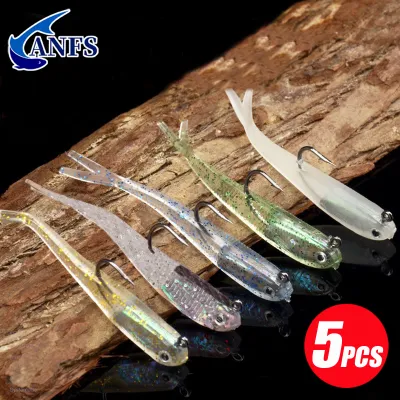
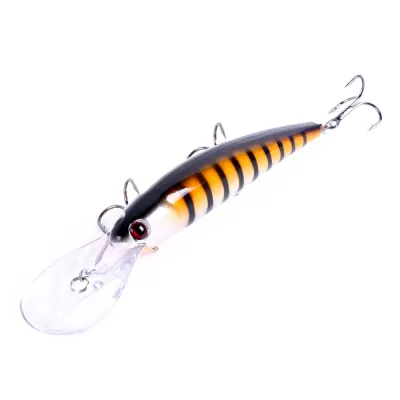
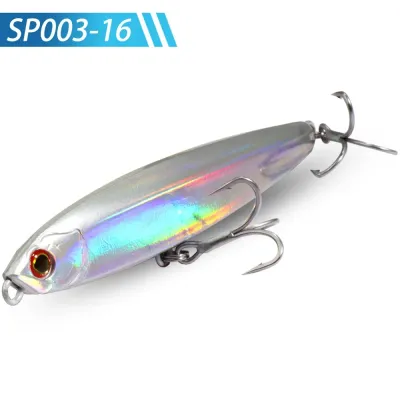
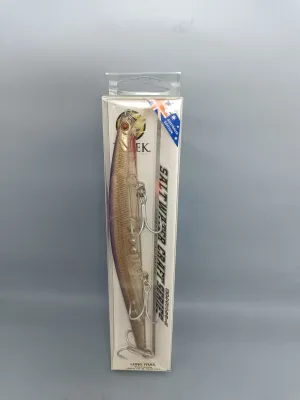
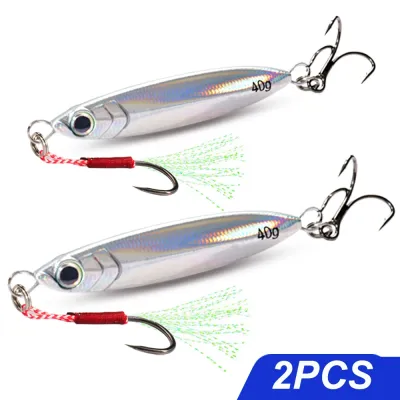
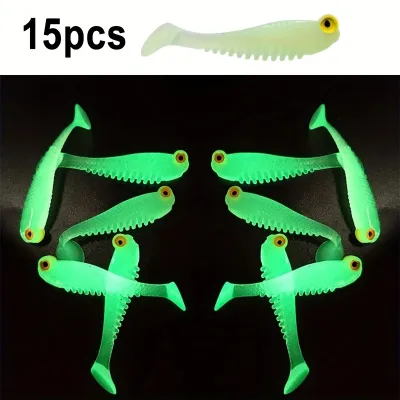
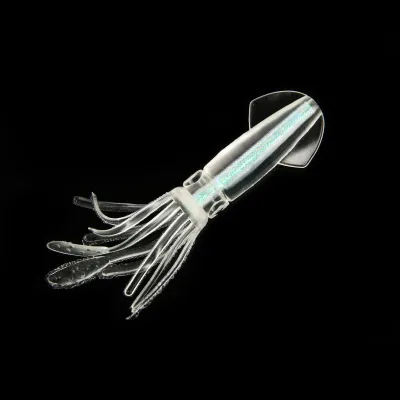
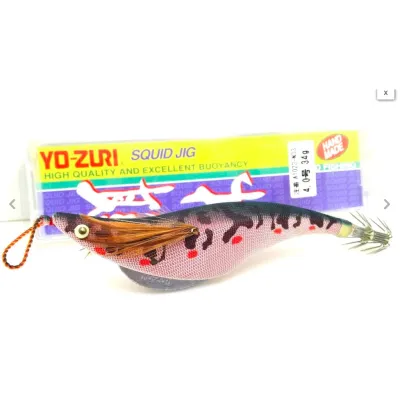
Prices are valid at publication and may change. Please refer to the product page for the latest price.
Coastal environments—including popular spots like Bedok Jetty, Labrador Park, and the mangrove estuaries of Lim Chu Kang—are dynamic, high-energy systems. They are characterized by strong tidal currents, fluctuating salinity, and heavy structural cover such as concrete pylons, rocky breakwaters, and barnacle-encrusted roots. To fish these areas successfully, lures must be heavy enough to cut through currents and durable enough to withstand contact with abrasive surfaces.
In contrast, Singapore’s inland reservoirs, such as Bedok Reservoir, Lower Peirce Reservoir, and Pandan Reservoir, are closed, freshwater environments. The water is generally still or slow-moving, and the shoreline is dominated by submerged timber, aquatic weeds, and shallow clay drop-offs. Lures used here need to mimic freshwater prey and navigate dense vegetation without constantly snagging.
To help you decide which environment to target first, consider this quick self-check:
- Location Accessibility: Are you closer to coastal parks and public jetties, or do you live near designated reservoir fishing zones?
- Tackle Maintenance: Saltwater requires immediate, thorough freshwater rinsing of all gear after every session to prevent rust. If you prefer low-maintenance fishing, freshwater reservoirs are a gentler starting point.
- Target Species: Are you looking to target hard-fighting marine predators like Barramundi, or do you prefer the fast-paced visual action of targeting Peacock Bass in calm water?
Attempting to use a single “universal” lure across both environments rarely works. A heavy metal jig designed to sink rapidly through deep coastal currents will instantly plunge into the mud or snag on submerged branches in a shallow reservoir. Conversely, a lightweight, unweighted soft plastic worm meant for subtle freshwater presentations will drift uselessly on the surface of a windy, tide-swept coastal jetty.
Top Lure Choices for Coastal and Estuary Waters
When fishing Singapore’s saltwater environments, structural hazards and corrosive salt are your primary challenges. Beginners should look for lures packaged with, or rigged on, heavy-duty, corrosion-resistant hardware. Saltwater quickly corrodes standard carbon steel hooks, leading to blunt points and structural failure during a fight. Always verify that hooks and split rings are explicitly rated for saltwater use.

Soft Plastic Shads and Paddle Tails
Soft plastic shads and paddle tails are highly versatile lures made of flexible polymer. They feature a fish-shaped body that terminates in a flat, angled paddle tail. When retrieved through the water, the tail moves rapidly from side to side, creating a distinct vibration and realistic swimming profile. This vibration is highly effective in murky coastal waters or during active tidal movements when fish rely on their lateral lines to locate prey.
For beginners, rigging these plastics on a weedless jig head or using a Texas rig is highly recommended. When casting around rocky breakwaters, jetty pylons, or mangrove roots, an exposed hook will quickly snag on structure. A weedless setup keeps the hook point flush against or buried within the soft plastic body. When a fish strikes, the plastic compresses, exposing the hook point to secure the catch. This allows you to fish deep within the structure where predatory fish naturally wait to ambush prey.
Metal Jigs and Spoons
Metal jigs and spoons are solid metal lures designed for maximum casting distance and rapid sinking. Their heavy, compact profiles are a major advantage when facing strong coastal headwinds at locations like Bedok Jetty or Changi Boardwalk. They allow beginners to cast far from the shore and reach deep channels and drop-offs that lighter lures cannot access.
Retrieving metal lures does not require complex rod work, making them incredibly forgiving for beginners. A simple, steady retrieve causes a metal spoon to wobble side-to-side, mimicking a fleeing baitfish. For metal jigs, a “lift-and-fall” technique—where you raise the rod tip to lift the jig and then let it flutter downward on a slack line—mimics a dying baitfish. This vertical action is highly effective when fished alongside deep jetty pylons.
Top Lure Choices for Freshwater Reservoirs
Singapore’s reservoirs are managed environments with strictly designated fishing zones. These areas often feature heavy submerged vegetation, hydrilla beds, and drowned timber. To fish these areas successfully without losing your tackle, you must select lures that can navigate these obstacles while appealing to freshwater predators.
Soft Plastic Worms and Creature Baits
Soft plastic worms and creature baits mimic earthworms, lizards, or small freshwater crustaceans. Unlike the aggressive vibrations needed to cut through saltwater currents, freshwater fishing in still reservoir waters often requires a more subtle, natural presentation. These baits rely on slow, undulating movements to entice wary fish.
Rigging these baits on a Texas or Carolina rig is the standard approach for beginners. By burying the hook point back into the soft body of the worm, you can cast directly into submerged timber and drag the lure over sunken branches without snagging. The slow, bouncing motion of a soft worm along the reservoir floor is highly effective for triggering strikes from bottom-dwelling predators.
Small Hard Baits (Minnows and Crankbaits)
Hard plastic minnows and crankbaits feature a rigid body equipped with a plastic lip, or bib, at the front. This lip catches the water as you pull the lure, forcing it to dive and wobble automatically. This built-in action means beginners do not need to master complex rod twitches to make the lure look alive; a simple, steady reel-in is highly effective.
When using these hard baits, it is vital to check the manufacturer’s specified diving depth. In shallow reservoir margins, a deep-diving crankbait will quickly plow into the mud or snag on submerged roots. Beginners should start with shallow-running minnows or floating models. Floating models are particularly forgiving because if you feel the lure touch an obstruction, you can stop reeling, and the lure will float upward and clear the hazard.
Match Your Lure to Common Local Target Species
Understanding what fish swim in your chosen waters helps you select the correct lure size and action. Beginners should prioritize versatile, mid-sized options that appeal to a wide range of species rather than investing in highly specialized gear.
Coastal and Estuary Targets
- Barramundi (Kula): These powerful predators lurk around structure, waiting to ambush baitfish. They have large mouths and respond exceptionally well to 3-inch to 4-inch paddle tails in natural silver, white, or chartreuse colors, as well as shallow-running hard minnows.
- Grouper and Snapper: Found tight to rocky bottoms, pylons, and breakwaters. To target them, use weedless soft plastics bounced slowly along the bottom, or small, heavy metal jigs dropped vertically near structures.
Reservoir Targets
- Peacock Bass: Known for their aggressive strikes and vibrant colors, they patrol shoreline structures and weed edges. They are highly visual hunters. Small, brightly colored minnows (like chartreuse or orange) and fast-moving paddle tails retrieved quickly near the surface are highly effective.
- Snakehead (Toman): These are apex freshwater predators that inhabit areas with heavy cover. While experienced anglers use topwater frogs, beginners can target them along weed edges using weedless soft plastic worms or creature baits fished slowly through the structure.
- Tilapia: Though often algae-feeders, larger Tilapia can be territorial and will strike tiny soft plastics or micro-spoons fished slowly near their nesting depressions.
Essential Rigging and Local Safety Checks
Before heading out, ensuring your gear is rigged correctly and understanding local safety guidelines will protect both your equipment and yourself.
Rigging
Always use a leader. Singapore’s predatory fish often have sharp teeth (like Barramundi and Snakehead) or live around highly abrasive structures like barnacle-covered rocks and concrete pylons. A leader made of fluorocarbon is highly recommended; it is highly abrasion-resistant and nearly invisible underwater. For toothy species, check if a thicker leader is necessary to prevent clean bite-offs. Connect your main braided line to your leader using a reliable knot like the FG knot or Double Uni knot.
Safety & Compliance
- Regulatory Rules: Fishing in Singapore is strictly regulated. Always verify that you are fishing within designated fishing zones managed by NParks or PUB. Fishing outside these zones can result in heavy fines.
- Weather and Lightning: Singapore experiences sudden, severe tropical thunderstorms and has high rates of lightning activity. Monitor weather conditions closely; if you hear thunder or see dark clouds approaching, stop fishing immediately and seek shelter. Carbon fiber fishing rods are excellent conductors of electricity.
- Wildlife Awareness: Certain reservoirs and coastal estuaries (such as Sungei Buloh, Kranji, and parts of East Coast) have active wildlife populations, including estuarine crocodiles and monitor lizards. Always observe posted safety signs, keep a safe distance from the water's edge, and never wade into the water. Equipment and enthusiasm cannot replace situational awareness and sound judgment.
Frequently Asked Questions (FAQ)
Do I need different lures for saltwater and freshwater?
Yes. While some soft plastic shapes work in both environments, saltwater requires corrosion-resistant hooks and split rings. Freshwater lures will rust rapidly if used in saltwater without immediate, thorough rinsing in fresh water.
What color lure should a beginner use in murky water?
In murky or stained water, beginners should use high-visibility colors like chartreuse, bright pink, or solid dark silhouettes like black. These colors create a strong contrast, helping fish locate the lure.
How do I prevent my soft plastic lures from tearing?
To extend the life of soft plastics, match them with the correct hook size, store them in their original packaging to prevent chemical reactions with other plastics, and use a drop of specialized plastic glue to repair minor tears.
Community discussion
Share your experience or ask a question. Comments are reviewed before publication.