
Choosing your first fishing reel can feel overwhelming given the sheer variety of gear lining the shelves of local tackle shops. For the vast majority of beginners, a spinning reel is the most practical and versatile starting point. It offers an ideal balance of user-friendly mechanics, excellent casting distance, and minimal risk of line tangles, allowing you to focus on learning the basics of baiting, casting, and retrieving without constant mechanical frustration.
While spinning reels are highly recommended for novices, understanding how they compare to spincast and baitcasting reels will help you make an informed decision. Your choice should ultimately align with where you plan to fish, the species you want to target, and how much time you are willing to dedicate to mastering casting techniques.
Assess Your Fishing Goals and Learning Curve
Before purchasing any fishing equipment, you must evaluate your intended fishing environment, your target species, and your personal patience level. Matching your gear to these three factors ensures you do not end up with a reel that is either too complex to enjoy or too delicate for the conditions.
Products mentioned in this guide
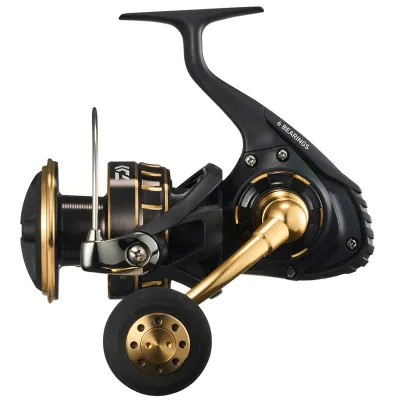
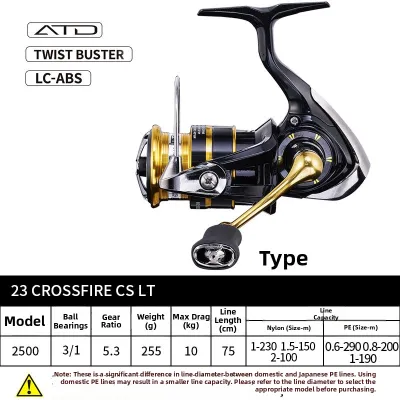
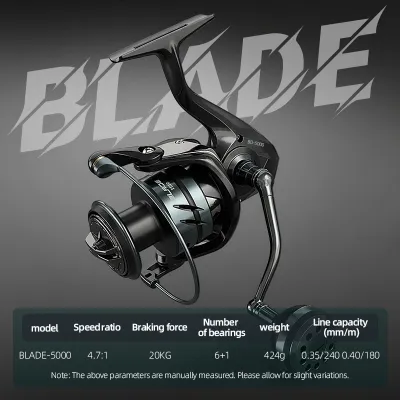
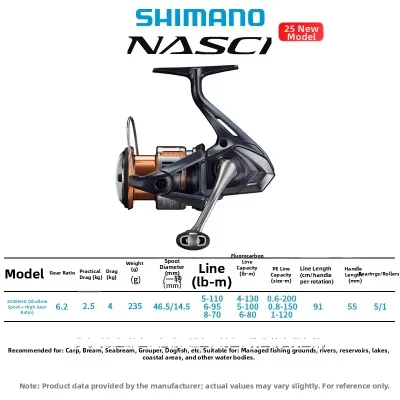
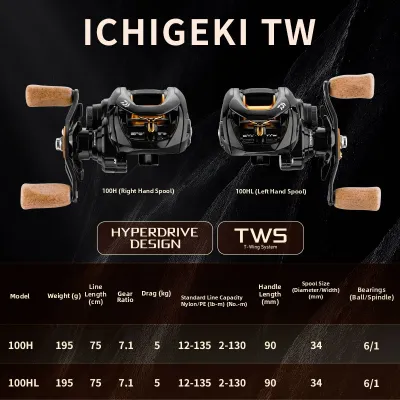
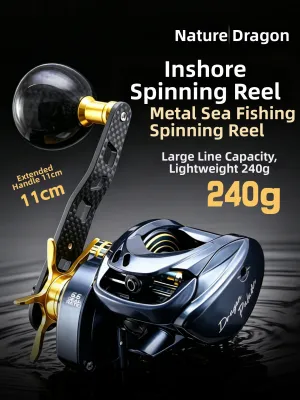
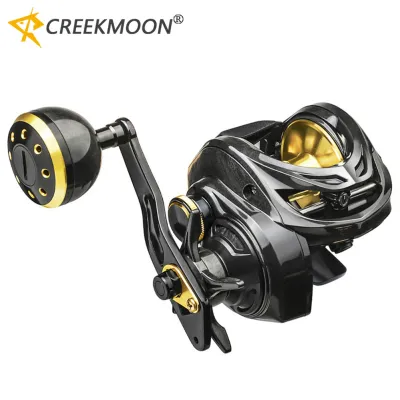
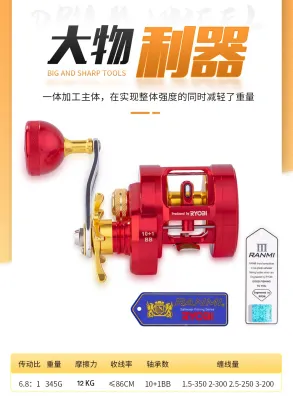
Prices are valid at publication and may change. Please refer to the product page for the latest price.
Fishing Environment
Singapore offers a diverse range of angling environments, each placing unique demands on your gear. If you plan to fish in freshwater reservoirs such as MacRitchie, Pandan, or Bedok Reservoir, you will generally use lighter lures and lines. These calm waters require stealth and precision rather than heavy-duty power.
Conversely, if you intend to fish from coastal jetties like Bedok Jetty or Woodlands Jetty, or take a charter boat to the Southern Islands, you will face strong currents, deep water, and highly corrosive saltwater. These marine environments demand reels with robust corrosion resistance, reliable sealing, and larger line capacities to handle unexpected runs from strong coastal fish.
Additionally, consider how you will transport your gear. If you rely on public transport like the MRT or buses to reach your fishing spots, a compact, lightweight reel paired with a multi-piece travel rod is far easier to carry than a bulky, heavy setup.
Target Species and Lure Weight
The size and behavior of your target fish dictate the strength of the reel and its drag system. For popular local freshwater species like peacock bass, a light to medium reel is perfect because these fish are highly visual predators that strike fast but do not require massive winching power to land.
If you are targeting larger, aggressive species like toman (giant snakehead) in freshwater or barramundi (Kula) in commercial payponds, you will need a reel with a stronger drag system and the ability to handle heavier braided lines. Heavy lures, such as topwater frogs or large metal jigs, require a reel that can handle the physical strain of repeated casting and retrieving without wearing down the internal gears.
Learning Curve Acceptance
Be honest about how much time you want to spend practicing your casting technique. If your goal is simply to unwind on the weekend and get a line in the water immediately with zero hassle, you need an intuitive, low-maintenance reel.
If you enjoy the technical challenge of mastering a skill and do not mind spending your first few sessions untangling line in an open park, you might opt for a more advanced reel type. However, starting with an overly complex reel can lead to frustration and may cause beginners to abandon the hobby prematurely.
Spinning, Baitcasting, and Spincast Reels Compared
Recreational fishing reels are generally divided into three primary categories: spinning, spincast, and baitcasting. Each design features a distinct spool configuration that fundamentally changes how the line is released, how the drag operates, and how you control the cast.

Choosing the right category depends on understanding these mechanical differences. By learning how each reel manages the line during a cast, you can select the design that best matches your physical coordination and fishing style.
Spinning Reels: The Versatile All-Rounder
Spinning reels, often called open-face reels, are mounted underneath the fishing rod. This positioning provides excellent balance and makes the setup comfortable to hold for long periods.
Mechanics
The spinning reel features a fixed, open spool that does not rotate during the cast. When you flip the metal wire arm (called the bail), the line is freed to peel off the front of the spool. When you turn the handle, the bail closes automatically, and a rotating rotor wraps the line back onto the stationary spool.
Pros
- Minimal Backlash Risk: Because the spool itself does not spin during the cast, there is virtually no risk of the spool spinning faster than the line can exit, which prevents severe tangles.
- Excellent Light-Lure Performance: The lack of spool friction allows even very light lures and thin lines to be cast significant distances.
- Versatility: They can be used for everything from delicate freshwater lure casting to heavy saltwater bait fishing.
Cons
- Line Twist: If you wind the handle while a fish is pulling line out against the drag, the line can twist, leading to loops and minor tangles over time.
- Slightly Lower Accuracy: Controlling the exact distance of your cast requires feathering the line with your index finger, which is less precise than the thumb-control used on baitcasters.
Best For
Beginners who want a highly reliable, forgiving, and adaptable reel that can transition easily between different fishing styles and environments.
Spincast Reels: The Easiest Starting Point
Spincast reels feature a closed-face design and are mounted on top of the rod. They are designed for absolute simplicity and are highly popular for teaching young children or casual anglers.
Mechanics
The spool is completely enclosed beneath a plastic or metal nose cone. To cast, you press and hold a push-button on the back of the reel, which holds the line in place. When you swing the rod forward, you release the button, allowing the line to fly out through a small hole in the front of the cone.
Pros
- Extreme Simplicity: The push-button mechanism is incredibly easy to learn, requiring very little physical coordination.
- Tangle Prevention: Because the line is enclosed, wind cannot easily blow the line off the spool, keeping tangles to an absolute minimum.
- Affordability: These reels are generally very budget-friendly, making them a low-risk entry point into the sport.
Cons
- Limited Casting Distance: The friction of the line rubbing against the exit hole in the nose cone significantly reduces how far you can cast.
- Low Line Capacity and Power: They typically hold less line and feature weaker internal gears, making them unsuitable for fighting large or fast-running fish.
- Reduced Durability: Many budget spincast reels use plastic internal components that can wear out quickly under heavy use.
Best For
Young children, ultra-casual anglers, or anyone who prioritizes absolute ease of use over casting distance and long-term durability.
Baitcasting Reels: For the Dedicated Learner
Baitcasting reels sit on top of the rod and are favored by experienced anglers who target predatory fish in heavy cover. They require a high degree of manual control and coordination.
Mechanics
Unlike spinning and spincast reels, a baitcasting reel features a revolving spool that rotates as the line is pulled out by the weight of the lure. To prevent the spool from spinning too fast and tangling, you must use your thumb to apply gentle, consistent pressure to the rotating spool throughout the cast.
Pros
- Pinpoint Accuracy: By using your thumb to brake the spool, you can stop the lure precisely where you want, such as directly next to a submerged log or under overhanging branches.
- Superior Cranking Power: The direct alignment of the gears and spool provides excellent leverage, making it easier to pull strong fish out of thick vegetation.
- Heavy Line Compatibility: They excel at handling thick braided lines and heavy fluorocarbon leaders without twisting.
- Cons
- High Risk of Backlash: If your thumb leaves the spool for even a split second, or if the lure hits the water before you stop the spool, the spool will keep spinning, creating a massive, tightly knotted tangle known as a "bird's nest."
- Steep Learning Curve: Mastering the coordination between your casting motion and your thumb braking requires hours of dedicated practice.
- Complex Adjustments: You must adjust mechanical tension knobs and magnetic or centrifugal braking systems every time you change to a lure of a different weight.
Best For
Highly motivated beginners who are committed to practicing casting mechanics and plan to focus heavily on lure fishing for aggressive species in dense cover.
How to Match Your Profile to the Right Reel
To make your final decision, match your personal profile and fishing plans to one of the three pathways below. This ensures your first purchase aligns perfectly with your expectations.
The Versatility Path
Choose a spinning reel if you want a single setup that can do almost everything. If you plan to spend your mornings casting small soft plastics for peacock bass at a local reservoir and your evenings bottom-fishing with live prawns at Bedok Jetty, a spinning reel is the ideal tool. It offers the adaptability to handle different line types, lure weights, and environments without requiring specialized skills.
The Zero-Frustration Path
Choose a spincast reel if you are planning casual family outings to commercial payponds, such as those in Pasir Ris, and want to get fishing immediately. If you are introducing young children to the sport or simply want to enjoy a relaxed afternoon without worrying about bail arms or thumb control, the push-button simplicity of a spincast reel is unmatched.
The Performance Path
Choose a baitcasting reel only if you are highly focused on lure fishing, plan to target powerful cover-dwelling species like toman, and are genuinely excited by the technical challenge of mastering a complex tool. Be prepared to spend your first few sessions practicing in an open park or quiet pond, accepting that clearing tangles is a normal part of the learning process.
Transition Advice
Remember that your first reel does not lock you into a single style forever. Starting with a spinning reel allows you to learn essential angling fundamentals—such as reading the water, tying knots, and managing drag—without the distraction of constant line tangles. Once these basic skills become second nature, transitioning to a baitcasting reel for specialized techniques becomes much easier and far less frustrating.
Key Specifications to Check Before You Buy
Once you have chosen the type of reel you want, you need to select a specific model. Pay close attention to the specifications printed on the product packaging or listed in the manufacturer’s description to ensure the reel matches your rod and target style.
Reel Size
Spinning reels are categorized by numerical sizes, typically ranging from 1000 to 8000. For beginners, a 2000 to 3000 size is the ideal sweet spot. Reels in this range are lightweight enough to cast comfortably for hours in freshwater reservoirs, yet they hold enough line and offer sufficient drag strength to handle coastal jetty fishing or commercial payponds.
Gear Ratio
The gear ratio (such as 5.2:1 or 6.2:1) indicates how many times the internal rotor or spool spins for every single turn of the handle. A moderate ratio between 5.0:1 and 6.0:1 is highly recommended for beginners. This provides a versatile balance, offering enough speed to retrieve lures effectively while maintaining enough cranking power to pull in larger fish.
Ball Bearings
Ball bearings reduce friction between the moving parts inside the reel, resulting in smoother operation and easier casting. Look for reels that feature at least 3 to 5 high-quality ball bearings. Be wary of ultra-cheap, unbranded reels that advertise double-digit bearing counts, as these bearings are often made of low-grade materials that rust quickly.
Saltwater vs. Freshwater Rating
Because Singapore is surrounded by marine waters, verifying the environmental rating of your reel is crucial. If you plan to fish at coastal jetties, beaches, or offshore, you must check the manufacturer’s specifications to ensure the reel is explicitly rated for saltwater use.
Look for features such as sealed drag systems, shielded stainless steel bearings, and corrosion-resistant composite or alloy frames. Always check the manufacturer’s care instructions; even saltwater-rated reels require a thorough rinse with fresh water after every outing to prevent salt buildup and ensure long-term performance.
Frequently Asked Questions (FAQ)
Can I use a standard spinning reel for saltwater fishing?
You can use a standard freshwater spinning reel in saltwater occasionally, but you must verify if the manufacturer has rated it for marine environments. Saltwater is highly corrosive and can quickly ruin internal gears. If you do use a freshwater reel in the sea, or even a saltwater-rated model, always check the manufacturer’s care instructions and rinse the entire reel thoroughly with gentle running fresh water after every trip to wash away salt deposits.
Do I need to buy an expensive reel for my first setup?
You do not need to buy an expensive, professional-grade reel for your first setup. It is highly recommended to look for entry-level to mid-range models from reputable, established brands. These models typically offer a great balance of smooth operation, reliable drag systems, and durability without requiring a steep financial commitment, allowing you to learn the sport comfortably within a reasonable budget.
Community discussion
Share your experience or ask a question. Comments are reviewed before publication.