
Selecting the right Flextail vacuum pump comes down to balancing your need for rapid gear compression against the physical weight and volume you are willing to carry in your pack. For those navigating long trails where every gram counts, prioritizing ultra-lightweight, compact models is essential. Conversely, for car campers and travelers dealing with bulky sleeping bags or winter jackets, a high-power, high-volume pump with robust suction pressure is the superior choice.
Quick Answer: How to Match Your Gear to the Right Pump
When preparing for an outdoor adventure, space inside your pack is often as valuable as weight. The ideal Flextail pump for your setup depends on finding the correct balance between compression speed (suction power) and carry weight. As a reliable rule of thumb, backpackers and thru-hikers should prioritize ultra-lightweight, low-volume models that slip easily into a pocket without adding a noticeable burden to their load. On the other hand, car campers, overlanders, and family campers can opt for high-power, high-volume models that make quick work of compressing bulky sleeping bags, pillows, and heavy insulated jackets.
While a high-power pump offers faster compression times and can collapse multiple large vacuum bags on a single charge, carrying a heavier unit on a multi-day trek is rarely practical. By assessing your primary outdoor activities, you can determine whether a pocket-sized minimalist pump or a robust basecamp unit is the better addition to your gear list. The following sections provide a detailed breakdown of the technical specifications, performance trade-offs, and accessory compatibilities to help you make the right choice for your next trip.
Products mentioned in this guide
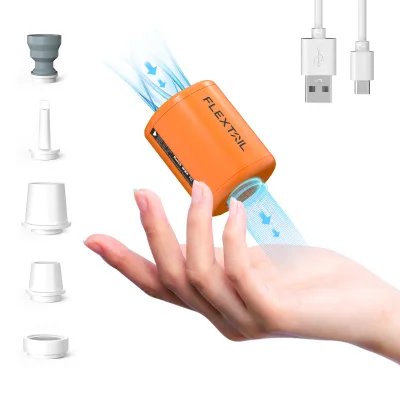
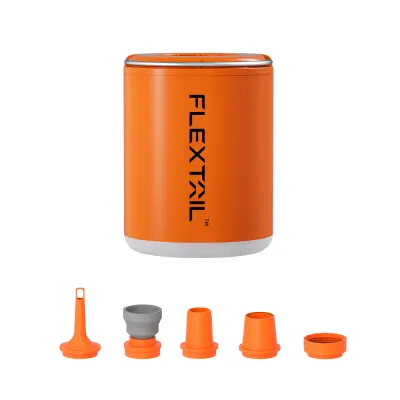
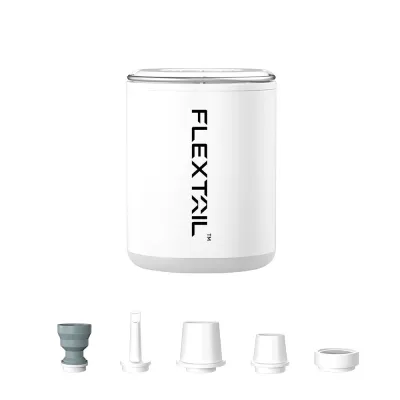
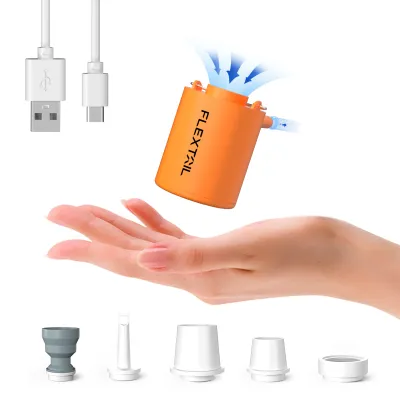
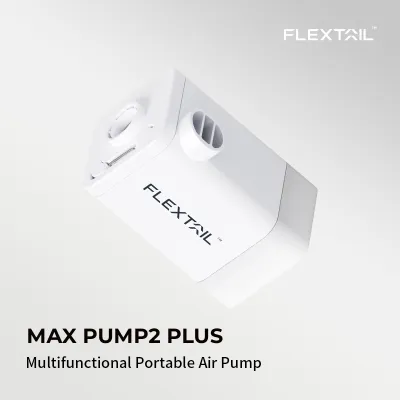
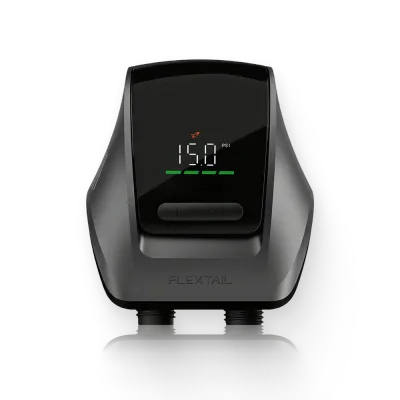
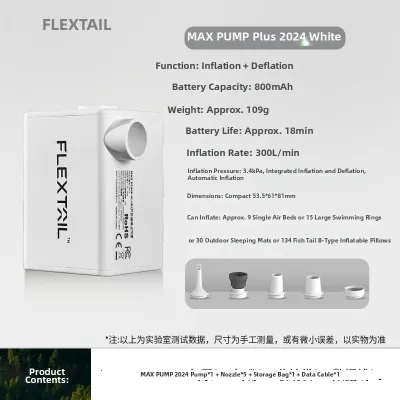
Prices are valid at publication and may change. Please refer to the product page for the latest price.
Key Selection Criteria for Flextail Pumps
To make an informed decision when comparing different models, you must look beyond basic product descriptions and understand the core technical and practical dimensions of these devices. Evaluating portable vacuum pumps requires analyzing how specific engineering choices—such as motor size, battery capacity, and housing materials—translate to real-world performance on the trail or at the campsite.

Suction Power and Compression Speed
Suction power in portable pumps is primarily defined by vacuum pressure, which is measured in kilopascals (kPa), alongside the airflow rate, measured in liters per minute (L/min). The vacuum pressure determines the pump’s ultimate strength—specifically, its ability to compress high-loft items like down sleeping bags or synthetic insulated jackets down to their absolute minimum volume. A pump with higher vacuum pressure can pull out the deep pockets of air trapped within insulation, whereas a model with lower pressure may leave the gear partially lofted and bulky.
Airflow rate, by contrast, dictates the speed of the initial air extraction. A high airflow rate means the pump can empty a large volume bag in seconds, but if the motor lacks sufficient vacuum pressure, it will struggle to achieve a tight, rock-hard compression at the end of the cycle. Down insulation, which consists of delicate feathers, compresses easily but requires careful handling; synthetic insulation, made of polyester fibers, is more resilient but can be damaged if subjected to excessive, prolonged vacuum pressure. When choosing a model, you should check the manufacturer’s stated compression times for standard gear sizes and verify the specific kPa ratings, keeping in mind that higher suction power typically requires a larger motor, which directly increases the overall weight and physical size of the device.
Portability, Weight, and Packability
For hikers and climbers, pack weight is a critical safety factor. Portable pumps in the Flextail lineup range from ultra-lightweight pocket models weighing under 50 grams to larger, more robust basecamp units that weigh 150 grams or more. While a 100-gram difference might seem minor, it becomes highly noticeable when climbing steep elevation or when trying to optimize a lightweight multi-day pack setup.
Physical footprint is equally important for packability. A compact, cylindrical pump measuring only a few centimeters in height can easily be stowed in a backpack’s top lid, a hip belt pocket, or a side mesh sleeve alongside a water bottle. However, you must also factor in the weight and bulk of necessary accessories, such as silicone nozzle adapters, charging cables, and the vacuum compression sacks themselves. If a lightweight pump requires you to carry heavy, proprietary adapters or thick plastic storage bags, the overall weight savings of the pump itself may be offset, making a slightly heavier but more versatile pump a more practical choice.
Battery Life and Charging Convenience
Battery capacity, measured in milliampere-hours (mAh), determines how many full compression and inflation cycles you can perform on a single charge. If you are planning a multi-day trek in remote areas without access to electrical outlets, you need a pump that can reliably handle your daily camp setup and pack-down routines. A larger battery capacity ensures you will not be left manually rolling out your gear or struggling to compress your sleeping bag at the end of a long hike.
Most modern outdoor electronics utilize standardized charging interfaces, and selecting a pump with a USB-C port allows you to streamline your gear. By choosing a USB-C compatible model, you can share a single high-capacity power bank and charging cable among your phone, headlamp, GPS device, and pump, reducing clutter in your pack. Additionally, you must consider the environmental conditions of your trip; lithium-ion batteries experience temporary capacity loss and faster discharge rates in cold weather. If you plan to camp in cold climates, you should verify the pump’s operating temperature range and keep the device stored in an inner jacket pocket close to your body heat to preserve its charge before use.
Matching Pump Categories to Your Outdoor Activities
Different outdoor activities demand distinct equipment configurations. By categorizing portable pumps into specific performance tiers, you can easily identify which model class aligns with your typical camping, hiking, or travel style.
Ultra-Lightweight Models for Backpacking and Hiking
Minimalist backpackers, thru-hikers, and alpine climbers operate under strict weight budgets where every item must justify its place in the pack. Ultra-lightweight pumps, such as the Flextail Zero Pump or the Tiny Pump series, are engineered specifically for this demographic. These devices prioritize weight reduction above all else, utilizing lightweight composite plastics and compact internal motors to keep the unit’s weight as low as possible.
While these pocket-sized models are highly efficient for inflating and deflating a single-person sleeping pad or compressing a single lightweight down quilt, they do come with clear trade-offs. The smaller physical housing limits the size of the internal battery, meaning you will get fewer compression cycles per charge compared to larger models. Furthermore, the compact motor typically delivers lower peak vacuum pressure, which means compressing highly resilient or bulky synthetic gear may take slightly longer and require some manual assistance, such as kneeling on the bag to help expel the air. For hikers who value a light pack above rapid compression times, these ultra-lightweight models represent the ideal balance of utility and portability.
High-Volume Models for Car Camping and Basecamps
When your vehicle serves as your primary gear transporter, the constraints of weight and packability disappear, allowing you to prioritize speed, power, and convenience. High-volume pumps, such as the larger models in the Flextail Max series, are designed to handle the heavy-duty demands of car camping, overlanding, and extended basecamp expeditions. These units feature powerful motors capable of moving large volumes of air quickly, making them exceptionally well-suited for compressing family-sized sleeping bags, bulky winter parkas, and double-wide air mattresses.
The primary benefit of a high-volume pump is the sheer speed of operation. Instead of spending ten minutes manually rolling and squeezing air out of large utility storage bags, a high-power pump can collapse multiple large bags to a rock-hard state in a fraction of the time. These models also feature substantially larger internal batteries, which not only provide dozens of compression cycles on a single charge but can sometimes double as emergency power banks to charge small electronic devices. For basecamp settings where comfort and efficiency are prioritized over trail weight, a robust, high-volume pump is the most practical choice.
Versatile Everyday Models for Mixed Use
For the outdoor enthusiast who participates in a variety of activities—ranging from weekend backpacking trips to casual car camping and international travel—a mid-range, versatile pump offers the best of both worlds. These models strike a calculated compromise, offering sufficient vacuum pressure to compress standard camping gear without adding excessive bulk to your pack.
These versatile models often incorporate helpful multi-purpose features, such as built-in LED camping lanterns with adjustable brightness levels or dual-port designs that allow for seamless switching between inflation and vacuum deflation. This multi-functionality allows you to leave other single-use items, like dedicated tent lights, behind, thereby saving both space and weight. Whether you are packing a suitcase for a flight to save space on bulky clothing or preparing for a weekend hike in a local nature reserve, these mid-tier pumps provide a reliable, all-in-one solution that adapts to diverse environments.
Essential Accessories and Nozzle Compatibility
A portable vacuum pump is only as effective as the seal it creates with your storage gear. To achieve maximum compression, the pump must be paired with compatible vacuum compression sacks that feature dedicated one-way air valves. These valves are designed to let air escape under suction while preventing external air from rushing back into the bag once the pump is turned off.
When purchasing a Flextail pump, you should carefully examine the included accessory kit. Most models come packaged with a variety of silicone or rubber nozzle adapters designed to fit different valve sizes, including those found on popular sleeping pad brands and standard household vacuum storage bags. However, tolerances can vary between manufacturers, and a loose-fitting nozzle will allow air to bypass the seal, severely reducing the pump’s efficiency. Before heading out on a trip, you should perform a test fit at home to ensure that one of the included adapters creates an airtight, friction-fit seal with your specific compression bags and sleeping pads. If the standard nozzles do not fit, you may need to source specialized adapters or proprietary compression bags directly from the official brand store or an authorized outdoor retailer in Singapore to ensure seamless compatibility.
Maintenance and Care for Longevity
To ensure your portable pump remains reliable over years of outdoor use, regular maintenance and proper storage are essential. Because these devices operate by drawing in large volumes of ambient air, they are highly susceptible to environmental contaminants. When using the pump at a sandy campsite or on a dusty trail, you must take care to keep the air intake grille and the nozzle attachment clean. Fine sand, dirt, and moisture can easily bypass the outer housing and damage the high-speed internal motor or clog the impeller blades, leading to reduced performance or motor failure.
Battery health is another critical factor in determining the lifespan of your device. If you plan to store your pump unused for several months between camping seasons, you should avoid storing it with a completely drained or a fully charged battery. Instead, charge the battery to approximately 50% capacity before putting it away, as this partial charge state minimizes stress on the lithium-ion cells and prevents premature capacity degradation. Additionally, store the pump in a cool, dry environment, keeping it away from extreme heat sources—such as the trunk of a car parked in the sun—as well as freezing temperatures. Before attempting any deep cleaning or disassembly, always consult the manufacturer’s user manual to verify the approved care instructions and preserve your warranty coverage.
Frequently Asked Questions (FAQ)
Can I use a Flextail vacuum pump to inflate my sleeping pad?
Yes, many Flextail pump models feature a dual-use design with separate inflation and deflation ports. To inflate a sleeping pad, you simply attach the appropriate nozzle adapter to the inflation port (usually located on the side or front of the device) and connect it to your pad’s valve. You should always verify your specific model’s specifications to ensure it supports inflation and includes the correct adapter for your sleeping pad brand, as some highly specialized vacuum pumps are designed solely for deflation.
Do I need special compression bags for these pumps?
To utilize the vacuum compression feature, you must use compression bags or storage sacks equipped with a compatible one-way vacuum valve. Standard roll-top dry bags or basic plastic bags without a dedicated valve will not work, as they cannot hold a vacuum seal once the pump is removed. While Flextail manufactures its own line of vacuum-seal bags optimized for their nozzles, many of their pumps include multi-diameter silicone adapters that can interface successfully with third-party vacuum storage bags.
How does cold weather affect the pump's battery life?
Cold temperatures temporarily reduce the efficiency of lithium-ion batteries by slowing down the internal chemical reactions, which can lead to rapid power depletion or a sudden drop in operating voltage. In freezing conditions, your pump may deliver fewer compression cycles or struggle to reach its maximum suction power. To mitigate this effect during winter camping, you should keep the pump stored in an insulated pocket close to your body heat until the moment you need to use it, and avoid leaving it exposed to overnight freezing temperatures.
Community discussion
Share your experience or ask a question. Comments are reviewed before publication.