
The choice between AG (Artificial Grass) and TF (Turf) soleplates for football trainers in Singapore depends entirely on the pile depth and infill quality of the pitch you play on most frequently. For modern, deep-pile artificial grass with thick rubber crumb infill, AG is the optimal choice. For worn, shallow community pitches or hard-ground cages, TF provides the necessary safety and comfort. Selecting the incorrect configuration can compromise your grip, accelerate wear on your football trainers, and significantly increase your risk of joint injuries.
Understanding Singapore's Artificial Turf Conditions
Singapore’s synthetic pitches vary wildly in quality and maintenance. From state-of-the-art sports complexes like the Singapore Sports Hub and premium commercial venues to older community fields, school compounds, and neighborhood cages, the state of artificial turf is highly inconsistent. This inconsistency directly impacts how your footwear interacts with the ground.
The two physical factors that dictate traction are pile length (the height of the synthetic grass blades) and the density of the rubber crumb infill. Modern third-generation (3G) pitches feature long synthetic fibers supported by a thick layer of black rubber crumbs, which mimic natural soil. These surfaces allow deeper stud penetration and offer better shock absorption.
Products mentioned in this guide
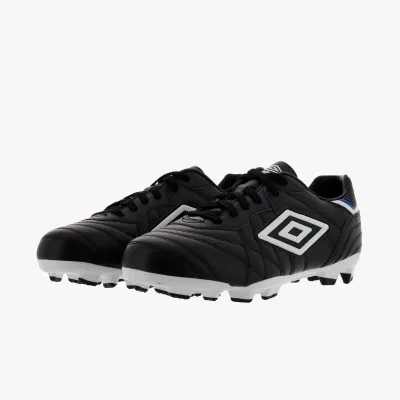
Prices are valid at publication and may change. Please refer to the product page for the latest price.
In contrast, heavily utilized public pitches and older school fields often suffer from flattened, worn-down fibers and severely depleted rubber infill. This leaves a thin, abrasive carpet resting directly over a hard concrete or compacted sub-base. On these surfaces, traditional studs cannot penetrate, causing discomfort and instability.
Singapore’s tropical climate introduces another major variable: frequent, intense downpours and high humidity. When a sudden afternoon thunderstorm hits, the combination of synthetic plastic grass and water creates an incredibly slick surface. If the pitch lacks proper drainage, water pools on the surface, drastically reducing friction.
In these wet conditions, having the correct mechanical grip on your football trainers becomes a critical safety factor. The right soleplate prevents slipping and joint hyperextension, while the wrong one can lead to dangerous slides. Understanding your local pitch conditions is the first step toward choosing the right footwear.
AG vs. TF: Matching the Football Trainers Soleplate to the Pitch
When shopping for football trainers, you will find that manufacturers design soleplates for highly specific environments. For artificial surfaces, the industry-standard recommendations are narrowed down to two primary configurations: Artificial Grass (AG) and Turf (TF).

The ideal choice does not depend on brand marketing, professional player endorsements, or aesthetic appeal. Instead, it is dictated by the depth of the synthetic pile and the volume of cushioning material underfoot at your regular playing venue.
Selecting the wrong plate can ruin your playing experience, cause chronic joint pain, or lead to acute ligament tears. Understanding how these two soleplate types interact with synthetic turf is the first step toward making a safe purchase.
When to Choose AG (Artificial Grass)
AG soleplates are engineered specifically to bridge the gap between natural firm ground and synthetic surfaces. They typically feature a higher number of studs than traditional firm ground boots, and these studs are shorter, rounded, and often hollowed out.
The hollow design is a deliberate engineering choice. It reduces weight while allowing the synthetic rubber crumbs to pack into and release from the stud cavity, managing the unique friction and heat generated by abrasive plastic grass.
This soleplate performs best on modern, premium 3G or 4G artificial pitches that feature long, upright synthetic fibers and a dense, deep layer of rubber crumb infill. These pitches are typically found at high-end commercial venues or newly renovated sports complexes.
When you play on a high-quality pitch, AG studs can fully penetrate the synthetic turf and bite into the rubber crumb layer. This provides optimal linear traction, allowing you to accelerate, decelerate, and change direction with confidence.
Because the studs penetrate fully, your body weight is distributed evenly across the soleplate. This facilitates effective shock absorption, reducing the impact forces transmitted up your ankles, knees, and lower back during high-intensity play.
Key characteristics of AG soleplates:
- Stud Shape: Circular, hollowed-out, or conical shapes to prevent catching.
- Stud Count: Usually 20 to 30 studs distributed across the plate.
- Material: Hard TPU or nylon compounds designed to resist the high friction and heat of synthetic turf.
- Ideal Pitch State: Thick, lush synthetic grass with ample black rubber crumbs.
When to Choose TF (Turf)
TF soleplates, often referred to as multi-stud or turf shoes, feature dozens of very short, closely packed rubber studs or patterned nubs. Unlike AG plates, which use hard plastic studs, TF outsoles are constructed entirely of durable rubber compounds.
This design creates a flat, highly stable base of contact. It is specifically engineered to handle surfaces where traditional studs cannot penetrate, relying on surface-level friction rather than deep mechanical penetration.
TF football trainers are the ideal choice for older, thin, or heavily worn artificial pitches. These surfaces are incredibly common across Singapore’s neighborhood community courts, older school fields, and public five-a-side cages.
On these worn pitches, the grass fibers are completely flattened, and the rubber infill has either washed away or compacted into a rock-hard layer. An AG stud cannot penetrate this surface, leaving you balanced precariously on hard plastic pegs.
By using a TF soleplate on shallow turf, you distribute your body weight evenly across the entire foot. This prevents “stud pressure”—a painful condition where individual hard studs push directly into the sole of your foot through a thin midsole.
More importantly, TF rubber studs prevent “stud catch.” This dangerous phenomenon occurs when a longer plastic stud gets wedged in the synthetic backing of a shallow pitch, locking your foot in place while your body rotates, often resulting in severe knee or ankle injuries.
Key characteristics of TF soleplates:
- Stud Shape: Short, low-profile rubber nubs, hexagonal patterns, or multi-directional ridges.
- Stud Count: Dozens of small rubber elements covering the entire outsole.
- Material: Soft, durable rubber compounds paired with a cushioned foam midsole (often EVA).
- Ideal Pitch State: Flat, worn-down synthetic turf, sand-based pitches, or hard-packed community cages.
Why You Should Avoid FG and IC on Artificial Turf
While it is tempting to wear Firm Ground (FG) or Indoor Court (IC) shoes due to availability or style, doing so on Singapore’s artificial pitches poses severe physical risks and financial downsides.
FG (Firm Ground) Risks
FG boots are designed exclusively for natural grass pitches, featuring long, sparse, and often bladed plastic or metal-tipped studs. On artificial turf, these long studs cannot penetrate the hard sub-base beneath the synthetic carpet.
As a result, you play with elevated pivot points, which severely compromises your stability. The high rotational traction of bladed FG studs on synthetic turf is incredibly dangerous; if you attempt to pivot quickly, the studs can lock into the tough synthetic mesh, refusing to release.
This sudden rotational lock is a primary cause of severe lower-limb injuries, including Anterior Cruciate Ligament (ACL) tears and ankle sprains. Furthermore, the extreme friction and heat of artificial turf rapidly degrade the glue bonding the FG soleplate to the upper, causing premature splitting and typically voiding the manufacturer’s warranty.
IC (Indoor Court) Limitations
IC trainers feature flat, non-marking rubber outsoles designed for polished wooden, vinyl, or smooth concrete indoor courts. They rely entirely on surface friction to provide grip.
On artificial grass, even worn-down pitches, flat IC soles cannot achieve the mechanical bite required for sudden movements. The synthetic fibers act like miniature rollers under a flat sole, causing you to slide and lose traction constantly.
This hazard is amplified exponentially by Singapore’s tropical weather. If the artificial pitch is damp from high humidity or wet from a sudden rain shower, flat IC soles lose all grip, making them highly unsafe and virtually unplayable.
Cross-Scenario Compatibility: Can One Pair Do It All?
For many casual players in Singapore, owning multiple pairs of football trainers is neither practical nor budget-friendly. If you play on a variety of surfaces, finding a versatile, cross-scenario solution is essential.
TF soleplates are by far the most adaptable option on the market. While designed for shallow turf, their low-profile rubber studs provide excellent grip on hard indoor sports halls, concrete community cages, and even dry, hard-packed natural grass fields.
The soft rubber compound of TF outsoles grips flat indoor surfaces without slipping, and the integrated foam midsole offers much-needed cushioning on hard concrete or parquet floors. This makes TF the ultimate “all-rounder” for recreational players.
In contrast, AG soleplates are highly specialized tools. They perform exceptionally well on quality artificial grass, but their hard plastic studs make them completely unsuitable for indoor courts, where they will slide dangerously on the hard surface and cause rapid wear.
Furthermore, AG studs are too short and numerous to provide adequate grip on wet, muddy natural grass, where they will quickly clog with mud and lose all traction. They are strictly limited to their designated synthetic environment.
Therefore, if you play on a mix of premium 3G pitches and worn community courts, or if you occasionally transition to indoor cages, a high-quality pair of TF football trainers is the safest, most cost-effective compromise.
How to Inspect Your Local Pitch Before Buying
Before purchasing your next pair of football trainers, you should physically inspect the pitches where you play most of your matches. This simple step can save you from a costly purchasing mistake and protect your joints from unnecessary strain.
Use this quick physical checklist during your next warm-up:
- Check the grass blade length: Are the synthetic fibers tall, upright, and soft, or are they flattened, short, and abrasive?
- Feel the rubber infill depth: Run your fingers through the turf. Can you easily feel a thick, loose layer of black rubber crumbs, or do you immediately hit a hard, solid backing?
- Test the base hardness: Take a few light jumps on the pitch. Does the ground have a noticeable bounce and cushion, or does it feel like concrete covered by a thin carpet?
Additionally, observe the footwear choices of experienced local players who regularly play at that specific venue. If the majority of veteran players are wearing TF trainers, it is a strong indicator that the pitch is too shallow or hard for AG studs.
Finally, always check the manufacturer’s warranty terms and care labels on the specific football trainers you are considering. Many brands explicitly state which surfaces their soleplates are approved for, and using them on unapproved pitches will void your coverage if the soleplate separates.
Community discussion
Share your experience or ask a question. Comments are reviewed before publication.